Home Inspection
Description
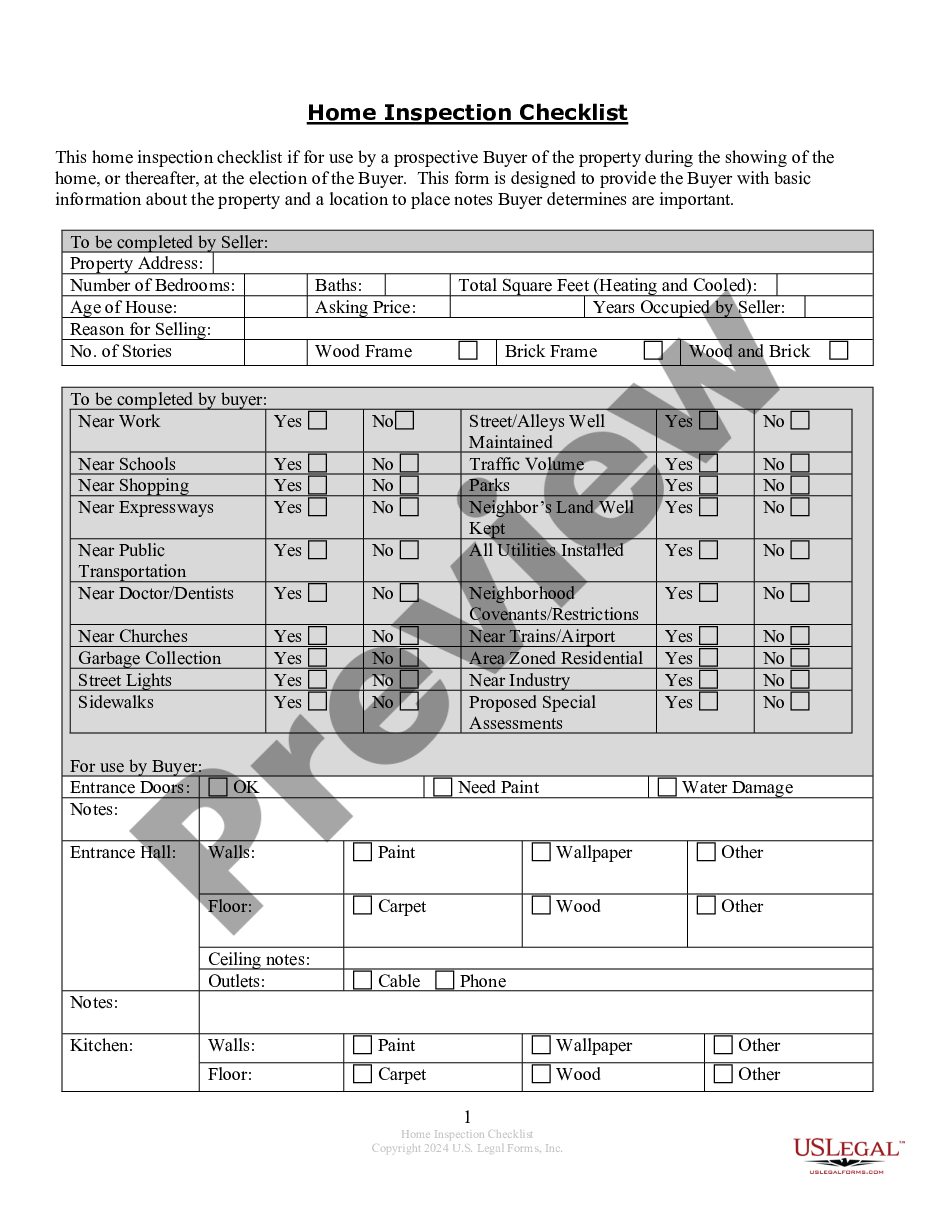
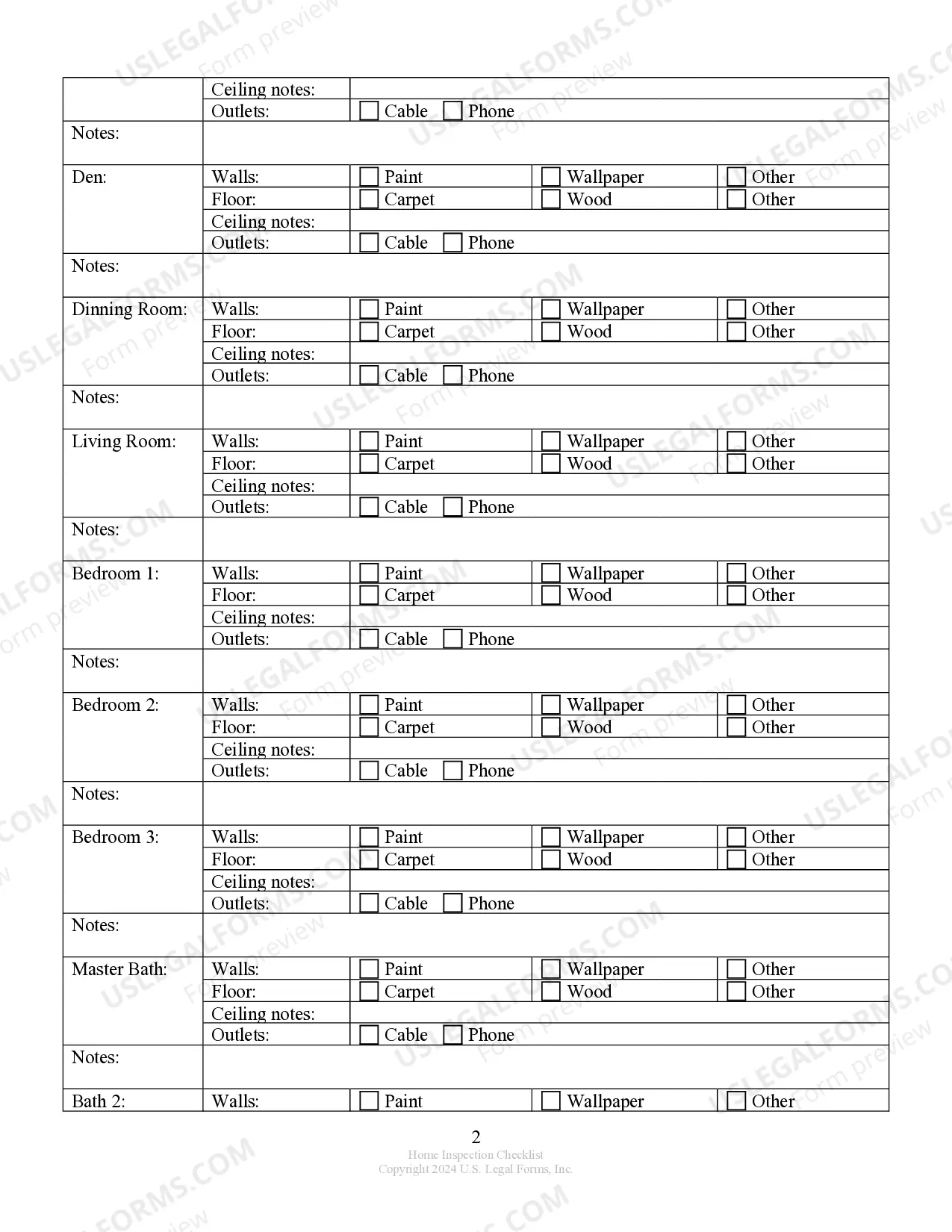
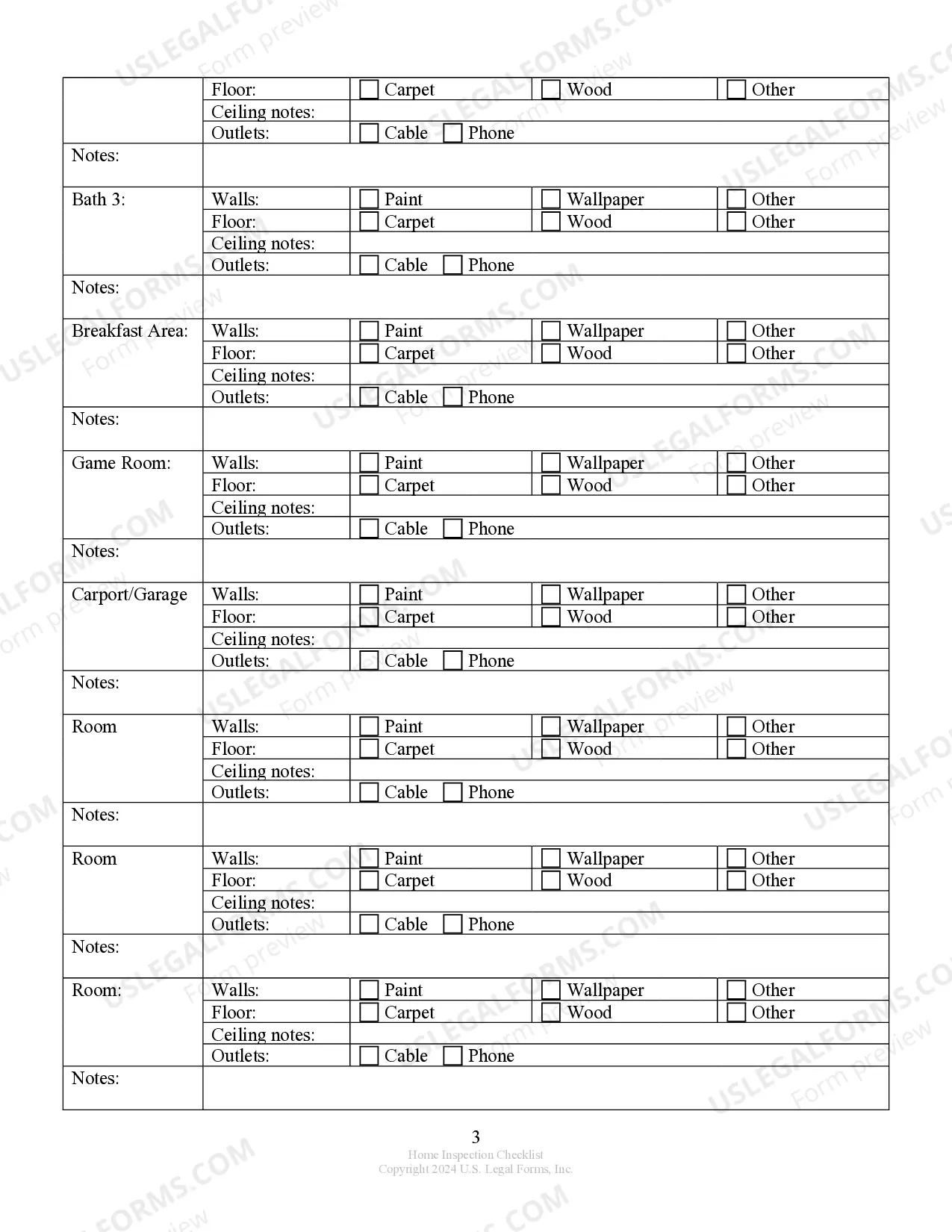
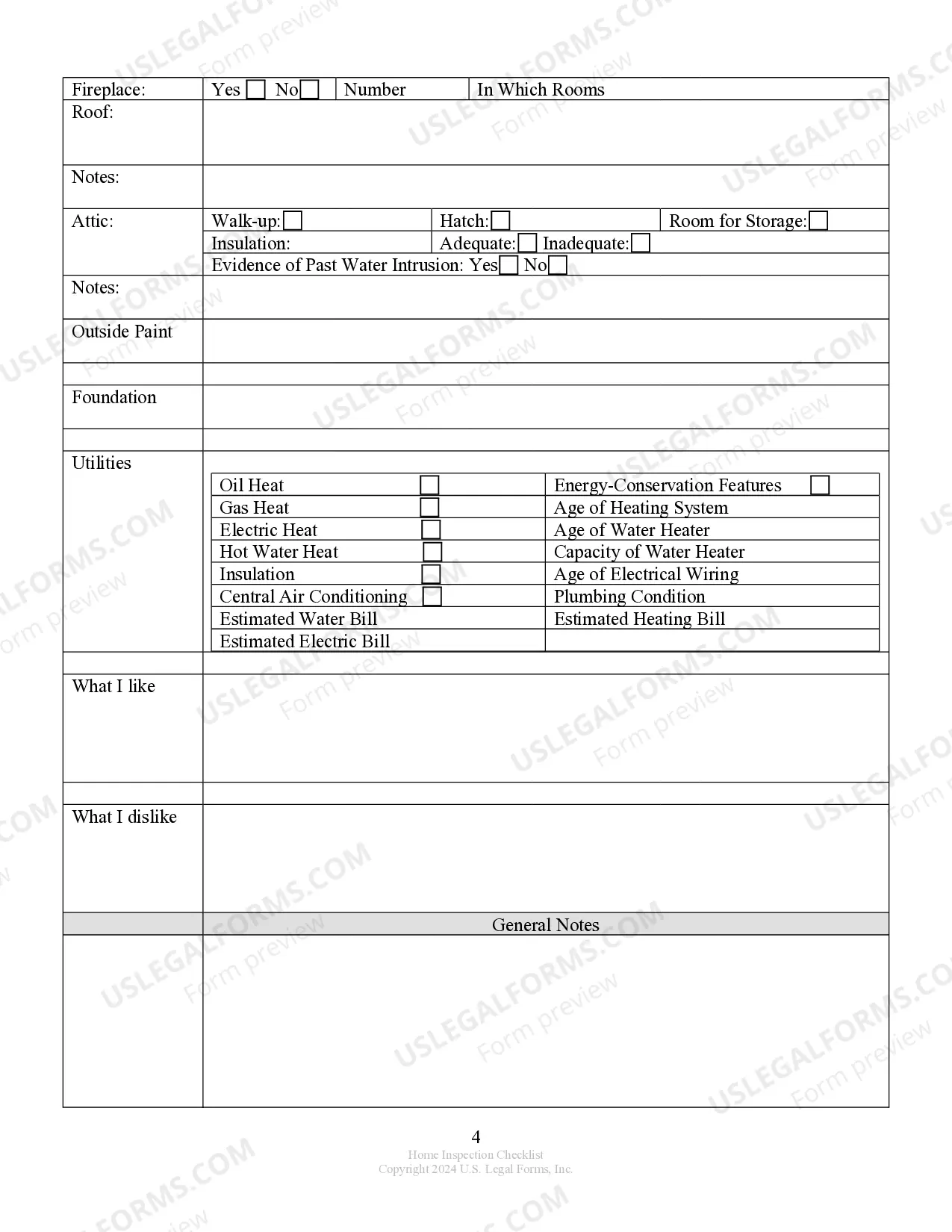
Get your form ready online
Our built-in tools help you complete, sign, share, and store your documents in one place.
Make edits, fill in missing information, and update formatting in US Legal Forms—just like you would in MS Word.
Download a copy, print it, send it by email, or mail it via USPS—whatever works best for your next step.
Sign and collect signatures with our SignNow integration. Send to multiple recipients, set reminders, and more. Go Premium to unlock E-Sign.
If this form requires notarization, complete it online through a secure video call—no need to meet a notary in person or wait for an appointment.
We protect your documents and personal data by following strict security and privacy standards.

Make edits, fill in missing information, and update formatting in US Legal Forms—just like you would in MS Word.

Download a copy, print it, send it by email, or mail it via USPS—whatever works best for your next step.

Sign and collect signatures with our SignNow integration. Send to multiple recipients, set reminders, and more. Go Premium to unlock E-Sign.

If this form requires notarization, complete it online through a secure video call—no need to meet a notary in person or wait for an appointment.

We protect your documents and personal data by following strict security and privacy standards.
Looking for another form?

How to fill out Louisiana Buyer's Home Inspection Checklist?
- If you're a returning user, log in to your account and download the required form template by clicking the Download button. Ensure your subscription remains active; renew it if necessary.
- For first-time users, begin by previewing the form description. Confirm it aligns with your requirements and local jurisdiction.
- Should you discover discrepancies, utilize the Search tab to find the correct template suitable for your needs.
- Once you've made your selection, click the Buy Now button and choose your preferred subscription plan. You'll need to create an account to access the extensive library.
- Enter your payment details via credit card or PayPal to finalize your purchase.
- After completing your transaction, download the form onto your device. You can also access it anytime through the My Forms menu in your profile.
In conclusion, US Legal Forms empowers users with a vast collection of legal documents tailored for various needs, ensuring each form is precise and compliant. Take advantage of their tools and resources today!
Start simplifying your legal documentation process with US Legal Forms now.
Form popularity
FAQ
A red flag on a home inspection signifies potential problems that may affect your decision to buy the property. Examples include signs of water damage, pest infestations, or structural issues. Noticing these flags during your home inspection allows you to weigh your options and protect your investment.
Filling out an inspection report involves documenting the inspector's findings carefully. Start by detailing the condition of each area inspected, noting any repairs needed or concerns raised. You can use platforms like USLegalForms to help create professional reports that clearly convey the inspection's results.
A red flag on a house indicates significant issues that require attention. These problems might relate to structural integrity, safety hazards, or major repairs needed. Recognizing these red flags during the home inspection helps you avoid making a potentially costly mistake.
While you can conduct a basic inspection of your home, it is generally advisable to hire a professional for a thorough evaluation. Home inspectors have specialized training and experience that allow them to identify issues that might go unnoticed by an untrained eye. However, using resources like US Legal Forms can help you understand the home inspection process, ensuring you make informed decisions. Investing in a professional home inspection ultimately protects your investment.
Currently, around 32 states in the U.S. require some form of licensure for home inspectors. These regulations differ from state to state and may involve various education and testing requirements. Understanding licensure requirements can help you choose a qualified inspector, ensuring you receive a thorough home inspection. It’s essential to check local laws when hiring an inspector.
In Ohio, the annual salary for a home inspector can vary widely, but it averages around $50,000. Factors that influence earning include experience, location, and the volume of inspections conducted. Home inspectors can also increase their income by specializing in certain aspects of home inspections or expanding their services. This potential for growth makes home inspection a rewarding career choice.
Yes, home inspectors in Ohio must be licensed. This requirement was established to enhance the credibility and reliability of home inspection services available to homeowners. By having a licensed inspector, you can trust that they adhere to the state’s training and ethical guidelines. It’s essential to check for the inspector's credentials when seeking a home inspection service.
Yes, Ohio does require home inspectors to be licensed. To ensure quality and safety in home inspections, the state mandates that inspectors meet specific educational and training standards. Licensure helps you find a qualified professional who can accurately assess a property. This regulation ultimately benefits you by providing peace of mind in the home inspection process.
To get a home inspection, start by researching licensed inspectors in your area. Look for reviews and check their qualifications to ensure they have experience in home inspections. Once you select an inspector, contact them to schedule an appointment that works for you. This step is crucial as a thorough home inspection can help you understand the property's condition and make informed decisions.
During a home inspection, professionals typically check the roofing, HVAC systems, electrical wiring, plumbing, and foundation. They also assess windows, doors, and insulation to ensure the home is energy-efficient. A thorough home inspection covers both visible and accessible areas of the property. This evaluation helps you make informed decisions about your potential home.