Tenant Landlord Return For Sale
Description
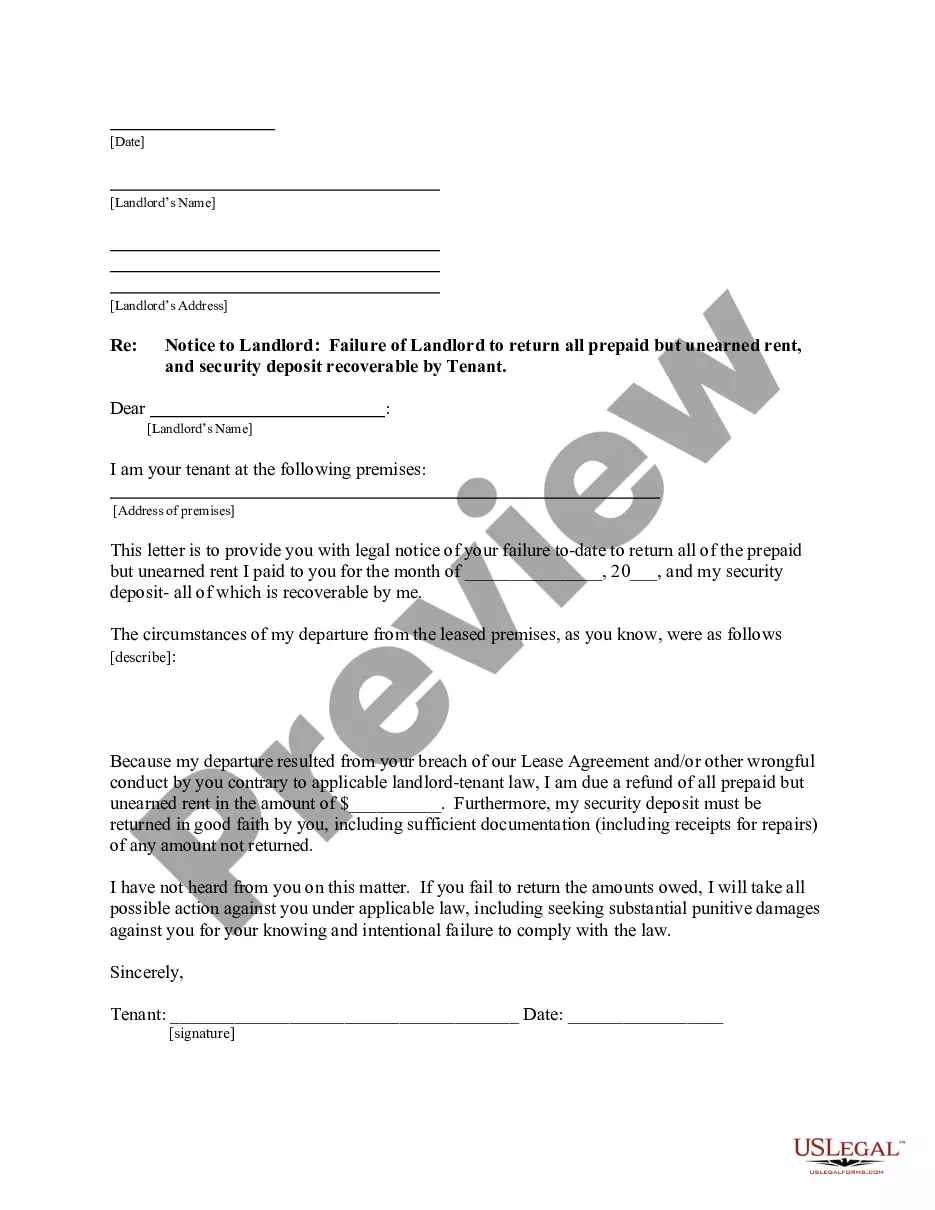
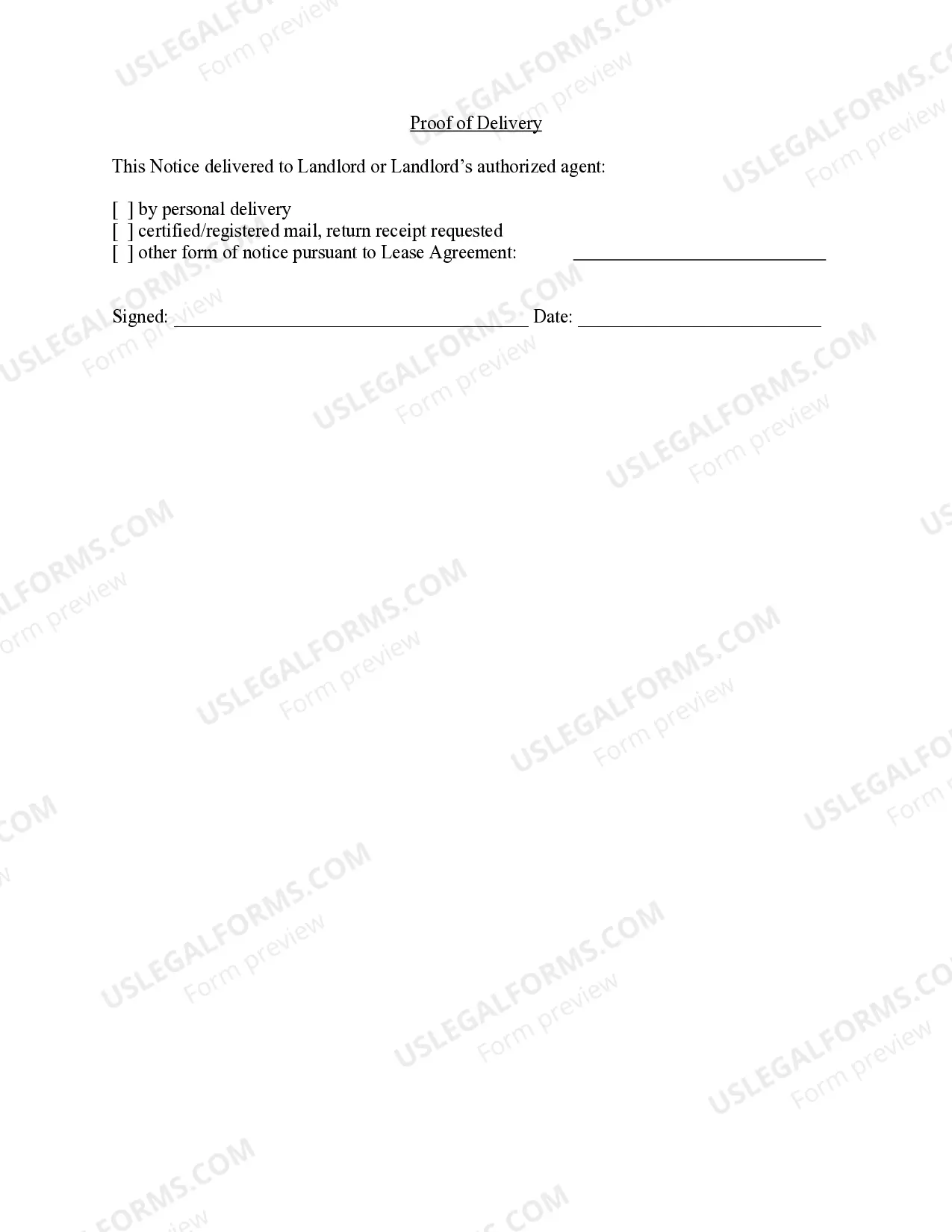

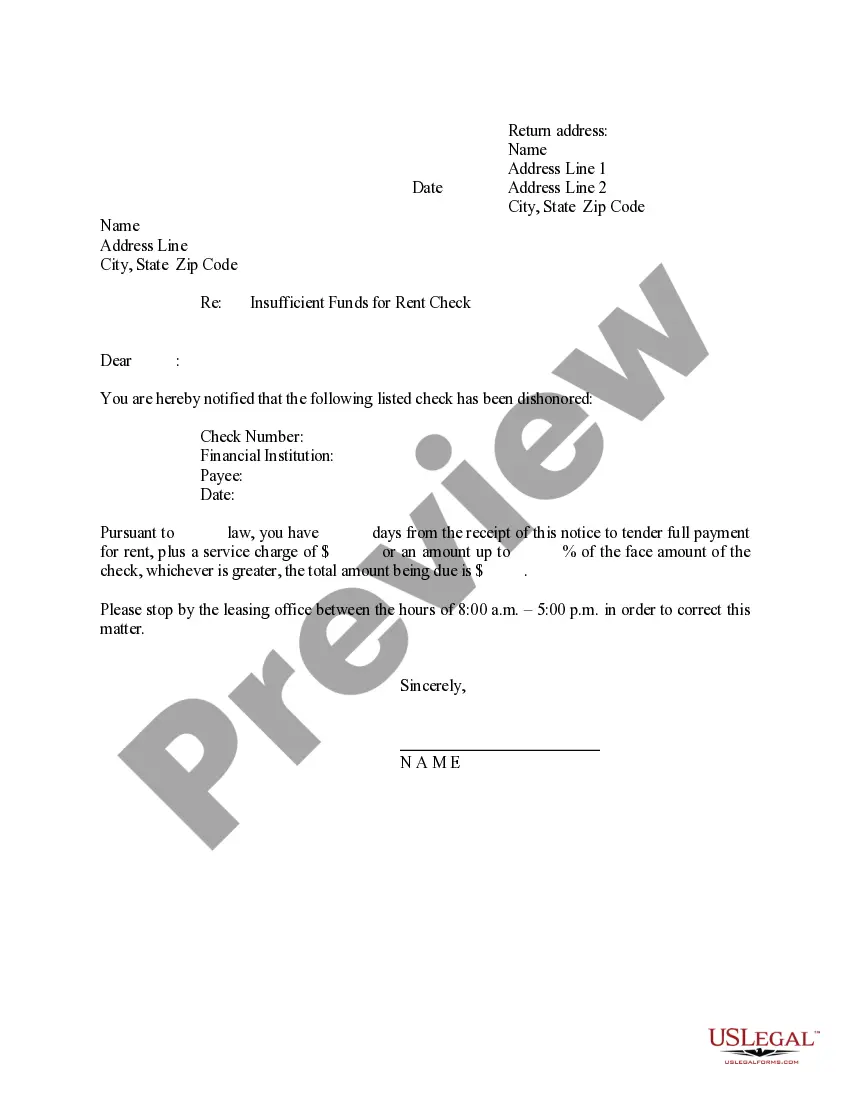
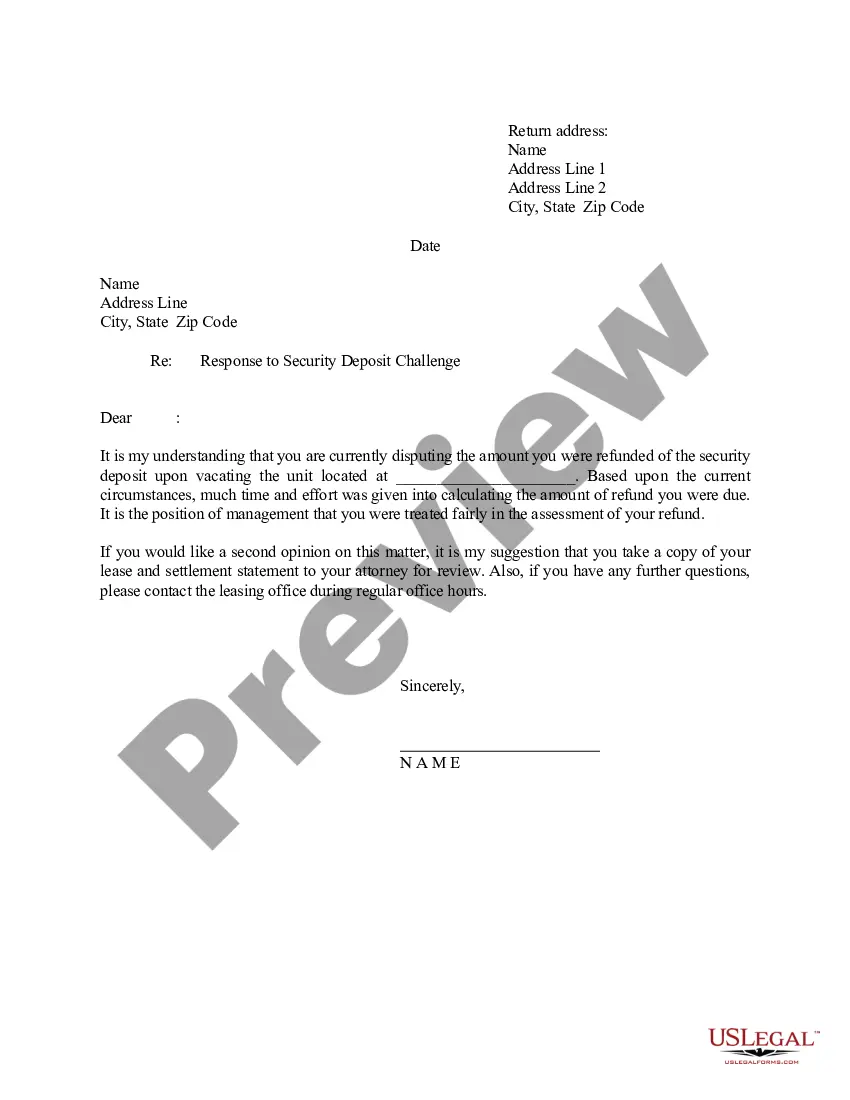

How to fill out Indiana Letter From Tenant To Landlord For Failure Of Landlord To Return All Prepaid And Unearned Rent And Security Recoverable By Tenant?
- If you’re a returning user, log in to your account and select your desired form template, ensuring your subscription is active. If it needs renewal, follow your payment plan to update it.
- For first-time users, begin by exploring the Preview mode and reviewing the form description to select the template that suits your needs and complies with local laws.
- If necessary, utilize the Search feature to find alternative templates if your initial choice doesn't meet your criteria.
- To purchase the document, click 'Buy Now' and select your preferred subscription plan. Registration is required for you to access the expansive resource library.
- Complete your purchase by entering your credit card details or using PayPal for the subscription fee.
- Download the form directly to your device and access it at any time via the My Forms menu in your profile.
In conclusion, using US Legal Forms simplifies obtaining essential legal documents like the tenant landlord return for sale, allowing for a seamless and efficient experience.
Don’t hesitate; start your journey today and take advantage of the extensive legal resources available at your fingertips!
Form popularity
FAQ
If you move and leave furniture, the landlord usually has the right to dispose of or sell those items after a specific notice period. The landlord must ensure they follow local laws regarding abandoned property. Ignoring furniture left behind can complicate the tenant landlord return for sale process. Understanding these laws can prevent misunderstandings and potential conflicts.
Yes, a landlord can sue if a tenant leaves furniture behind and does not make arrangements for its removal. This lawsuit typically relates to damages or losses incurred by the landlord due to the abandoned items. However, legal outcomes depend on local laws and case specifics. Familiarizing yourself with tenant landlord return for sale regulations is crucial in these situations.
In Georgia, a landlord has one month to return a security deposit after the tenant moves out. If there are any deductions for damages or unpaid rent, the landlord must provide an itemized list. Not adhering to this timeframe could lead to legal challenges for the landlord. Knowing your rights in tenant landlord return for sale situations can protect your interests.
When a tenant leaves behind furniture, the landlord must decide how to handle it according to local laws. Typically, landlords can store the items for a time, notifying the tenant to retrieve them. If the furniture remains unclaimed past this period, the landlord may dispose of or sell it. Understanding the rules around tenant landlord return for sale can help both parties avoid disputes.
To sell yourself as a tenant, you should highlight your reliability, history of timely payments, and respect for property. Create a tenant resume that includes references, rental history, and employment verification. Demonstrating your commitment to maintaining the property can make you stand out to potential landlords. This proactive approach can improve your chances during tenant landlord return for sale processes.
If you leave things in a rental, the landlord has specific obligations regarding your belongings. Generally, they must securely store your items for a set period. After this time, they may have the right to dispose of your items or sell them, depending on your state laws. It's essential to check your lease agreement and local regulations concerning tenant landlord return for sale.
A formal letter to a tenant should include a clear subject line, a respectful greeting, and a concise body that conveys the necessary information. Maintain a professional tone but also show empathy regarding any changes the tenant may experience. Using a straightforward structure will help ensure your message is understood and appreciated.
In Massachusetts, landlords can raise rent as much as they choose unless restricted by a lease agreement. However, it's essential to provide appropriate notice to tenants, typically 30 to 60 days, depending on the situation. Ensuring communication during this process is key to fostering understanding and trust.
In Massachusetts, when a landlord sells a property, tenants have specific rights that protect them. Tenants can remain in the property until the end of the lease, and the new owner must respect the existing agreement. Understanding these rights is crucial for both landlords and tenants during a sale, ensuring a fair transition.
When drafting a letter to inform your tenant about selling the property, start with a clear introduction stating your intention. Outline relevant details, such as the timeline and any changes they may expect. By being transparent, you can help ensure a smooth process and reinforce your commitment to handling the situation professionally.