Illinois Law For Work Breaks
Description
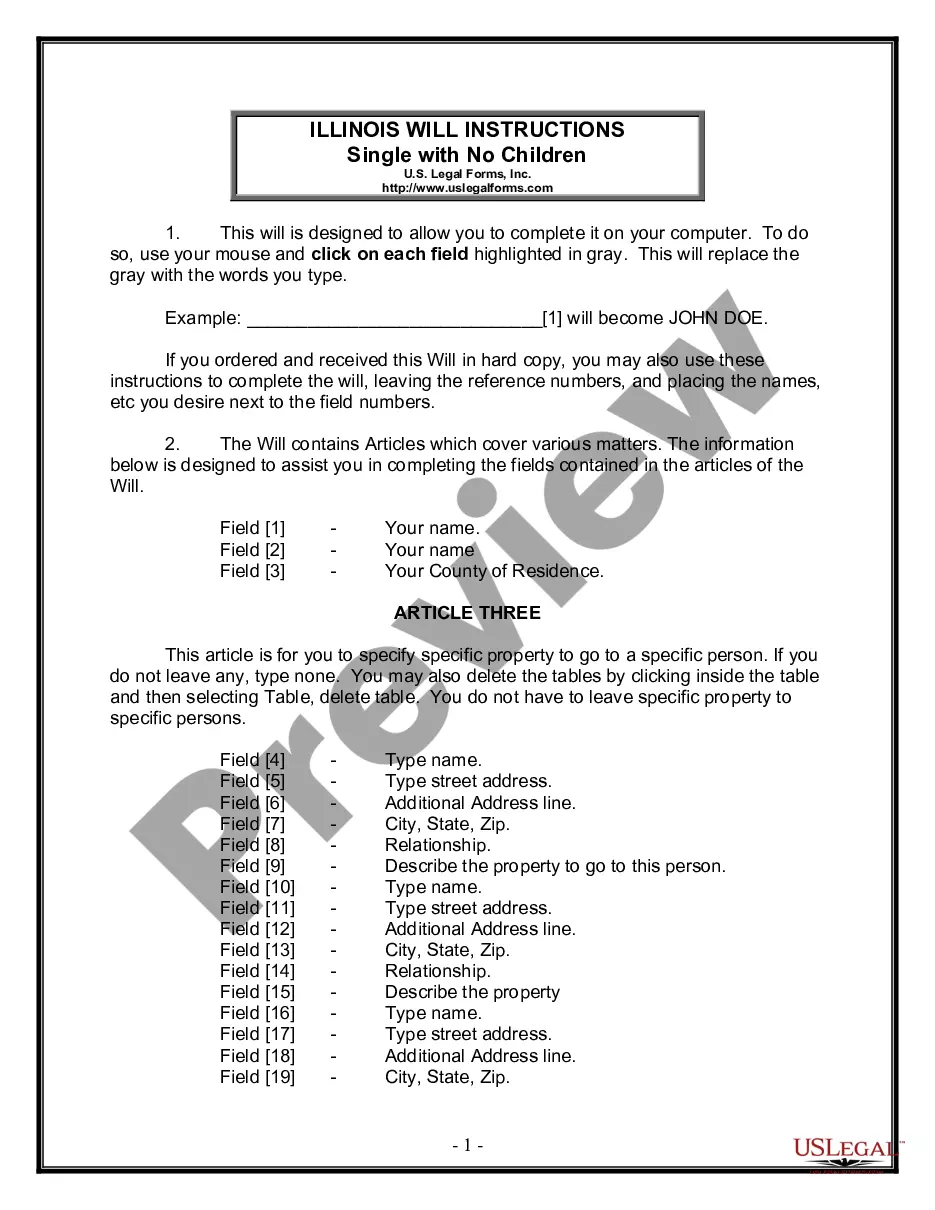
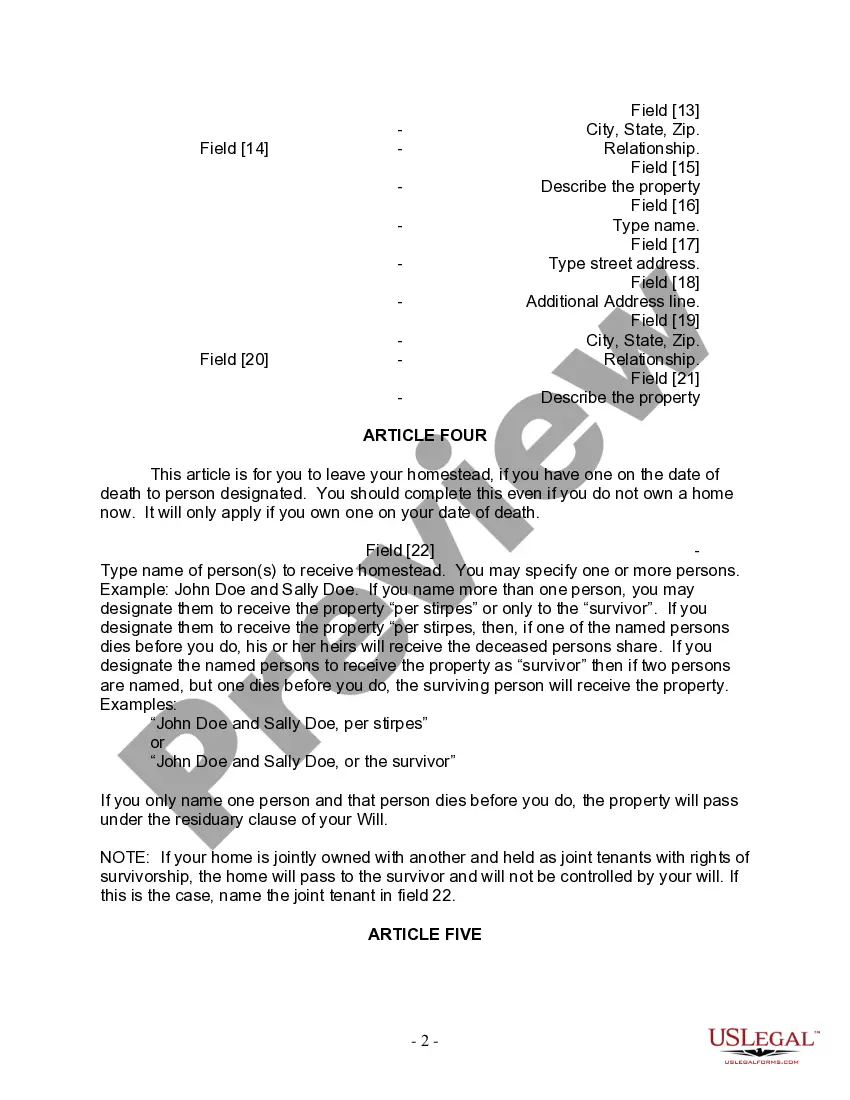
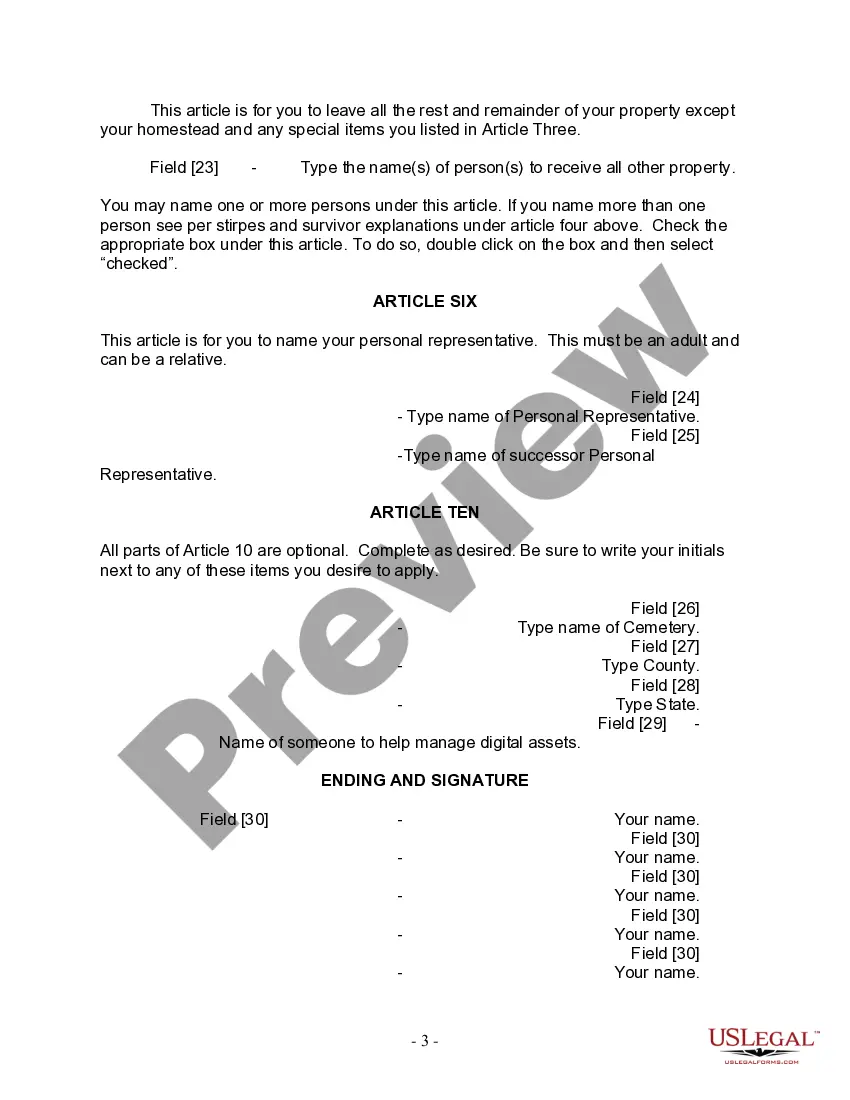
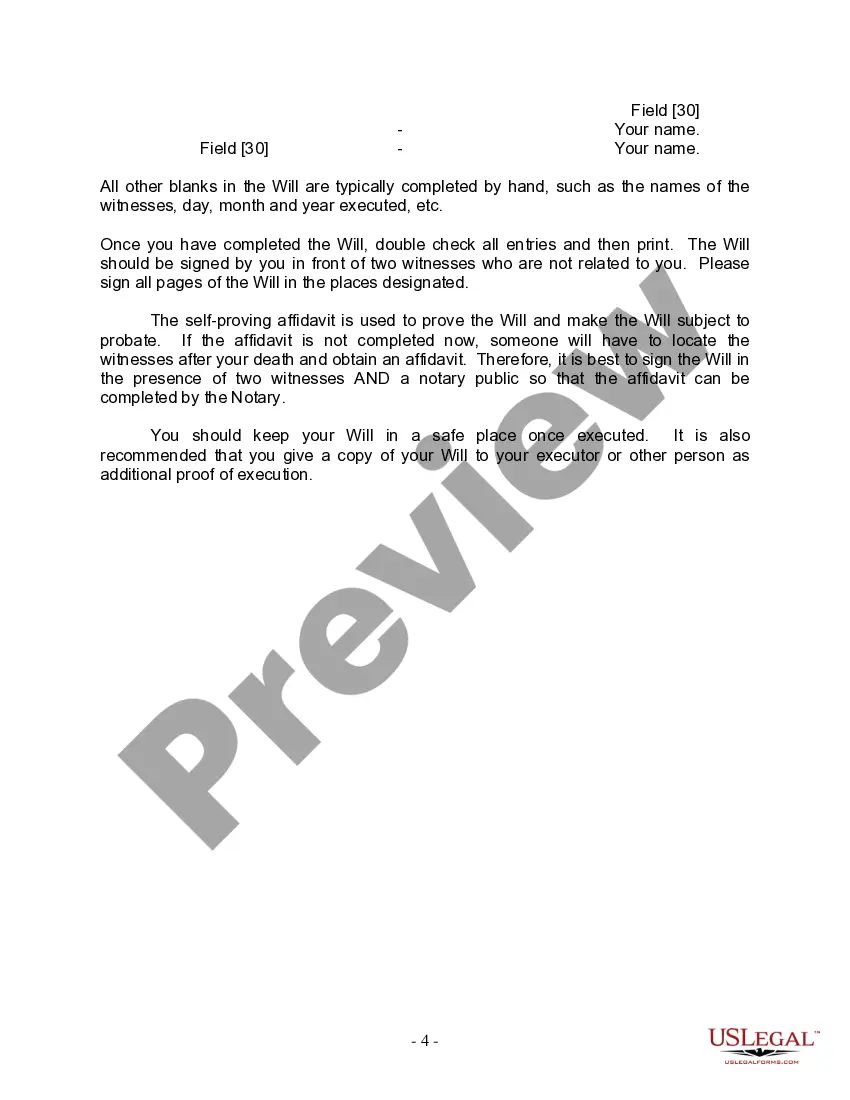






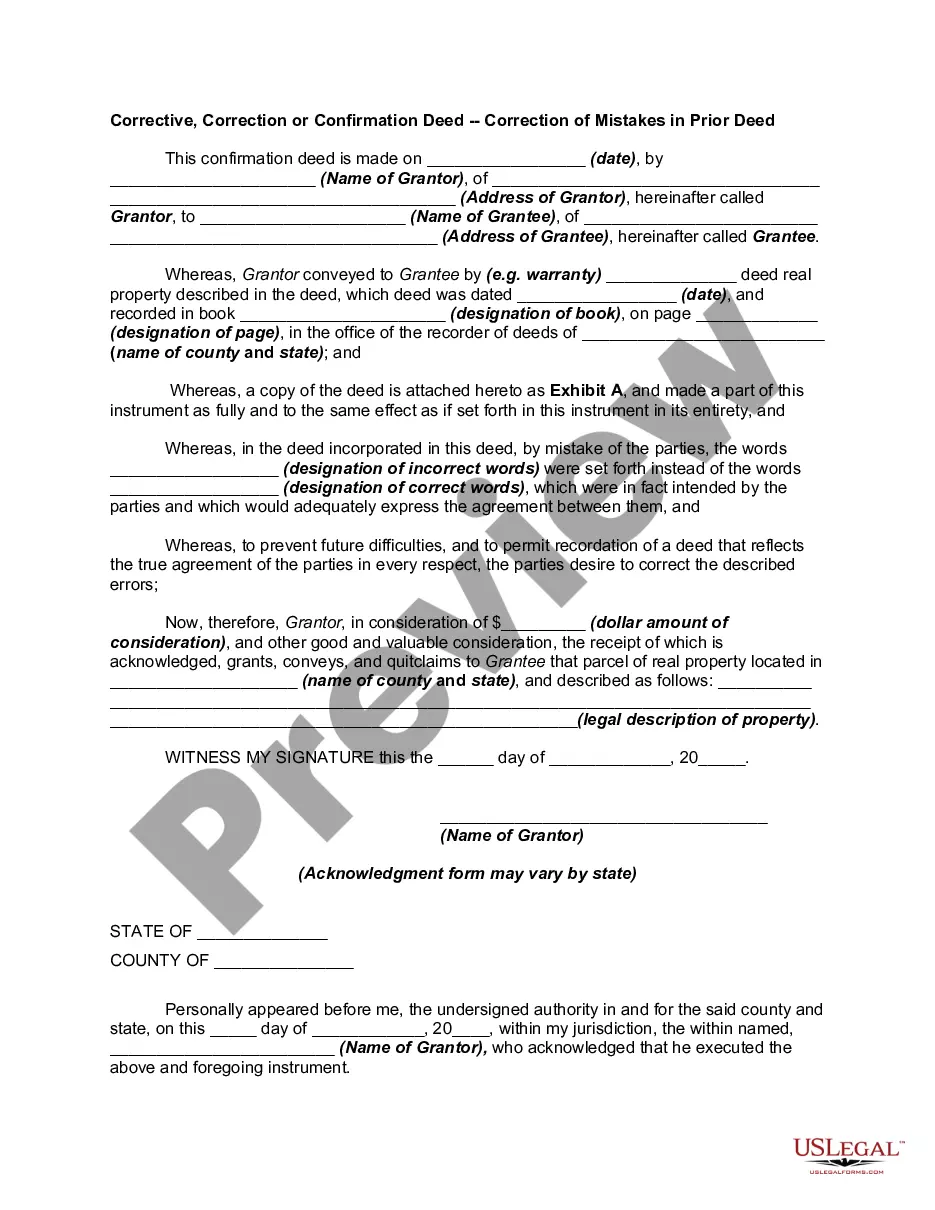


How to fill out Illinois Last Will And Testament For Single Person With No Children?
It’s clear that you cannot instantly become a legal specialist, nor can you understand how to swiftly prepare Illinois Law For Work Breaks without a particular set of expertise. Compiling legal documents is an extensive undertaking that necessitates certain education and abilities. So why not entrust the development of the Illinois Law For Work Breaks to the experts.
With US Legal Forms, one of the most extensive legal document repositories, you can obtain anything from judicial paperwork to templates for office correspondence. We recognize the significance of compliance and adherence to both federal and local regulations. That’s why, on our site, all templates are location-specific and current.
Here’s how you can commence with our platform and obtain the document you require in just a few minutes.
You can regain access to your documents from the My documents tab at any time. If you are an existing customer, you can simply Log In, and find and download the template from the same tab.
Regardless of the purpose of your documents—whether it’s financial and legal, or personal—our platform has you covered. Try US Legal Forms today!
- Find the document you need by utilizing the search bar at the top of the website.
- Preview it (if this option is available) and review the accompanying description to determine if Illinois Law For Work Breaks is what you seek.
- Begin your search again if you require any other document.
- Sign up for a free account and select a subscription option to acquire the template.
- Click Buy now. Once the transaction is completed, you can access the Illinois Law For Work Breaks, complete it, print it, and send or mail it to the required individuals or organizations.
Form popularity
FAQ
Under Illinois law for work breaks, employers have the right to establish break policies, including mandatory meal breaks. If your employer requires a 30-minute lunch break, they can enforce this rule to ensure compliance with state regulations. However, it's essential to know that employees must receive breaks appropriate for their shift length. If you have further questions about your rights, consider utilizing the resources available through the Uslegalforms platform to understand your specific situation better.
While Tennessee does not have a specific law regarding work breaks like Illinois, employers typically choose to provide breaks voluntarily. It is common in many workplaces to offer employees short breaks during their shifts. However, if you are seeking detailed information about work breaks across state lines, exploring Illinois law for work breaks can provide valuable insights that may benefit your understanding of workplace rights.
In Illinois, the law mandates that employees receive a break after working for seven and a half continuous hours. Specifically, employees are entitled to a meal break of at least 20 minutes. Familiarizing yourself with Illinois law for work breaks helps you understand your rights and ensures that employers meet their obligations.
The new 7-day law in Illinois provides specific guidelines related to employee breaks and time off. According to this law, employers are required to grant employees a minimum of one day off per seven consecutive days worked. Understanding these regulations is crucial for both employees and employers to ensure compliance with Illinois law for work breaks.
Yes, Illinois has a law that provides employees with a day of rest after working a seven-day period. This legislation ensures that workers have time to recharge, supporting their health and productivity. Always consult your employer for specifics, as they may have policies in place to comply with this requirement.
Illinois law for work breaks does not specifically require 15-minute breaks. However, some employers may choose to offer these shorter breaks to support employee productivity and well-being. It’s advisable to review your employee handbook or speak with HR for clarity on your company's practices regarding breaks.
If you work an 8-hour shift in Illinois, the law for work breaks mandates a minimum 20-minute meal break. This break should occur after you have completed five hours of work. Many employers also offer additional shorter breaks, so it’s beneficial to inquire about your company's specific policies.
The new break law in Illinois aims to enhance employee rest and recovery during work hours. Specifically, it reinforces the right to a meal break after a lengthy period of work. Employers are encouraged to comply with these regulations to ensure healthy working conditions for all employees.
Under Illinois law for work breaks, you typically receive a 20-minute meal break after five continuous hours of work. While additional short breaks aren't mandated by law, many employers choose to provide them. It’s essential to check your workplace policies to understand what extra breaks may be offered.
When terminating an employee, Illinois law mandates that employers provide a separation notice and record the reason for the termination. This documentation should be clear and precise to avoid potential legal complications. By adhering to the requirements related to Illinois law for work breaks and termination, employers can ensure a smoother transition for both parties.