Bylaws For Nonprofit Template
Description
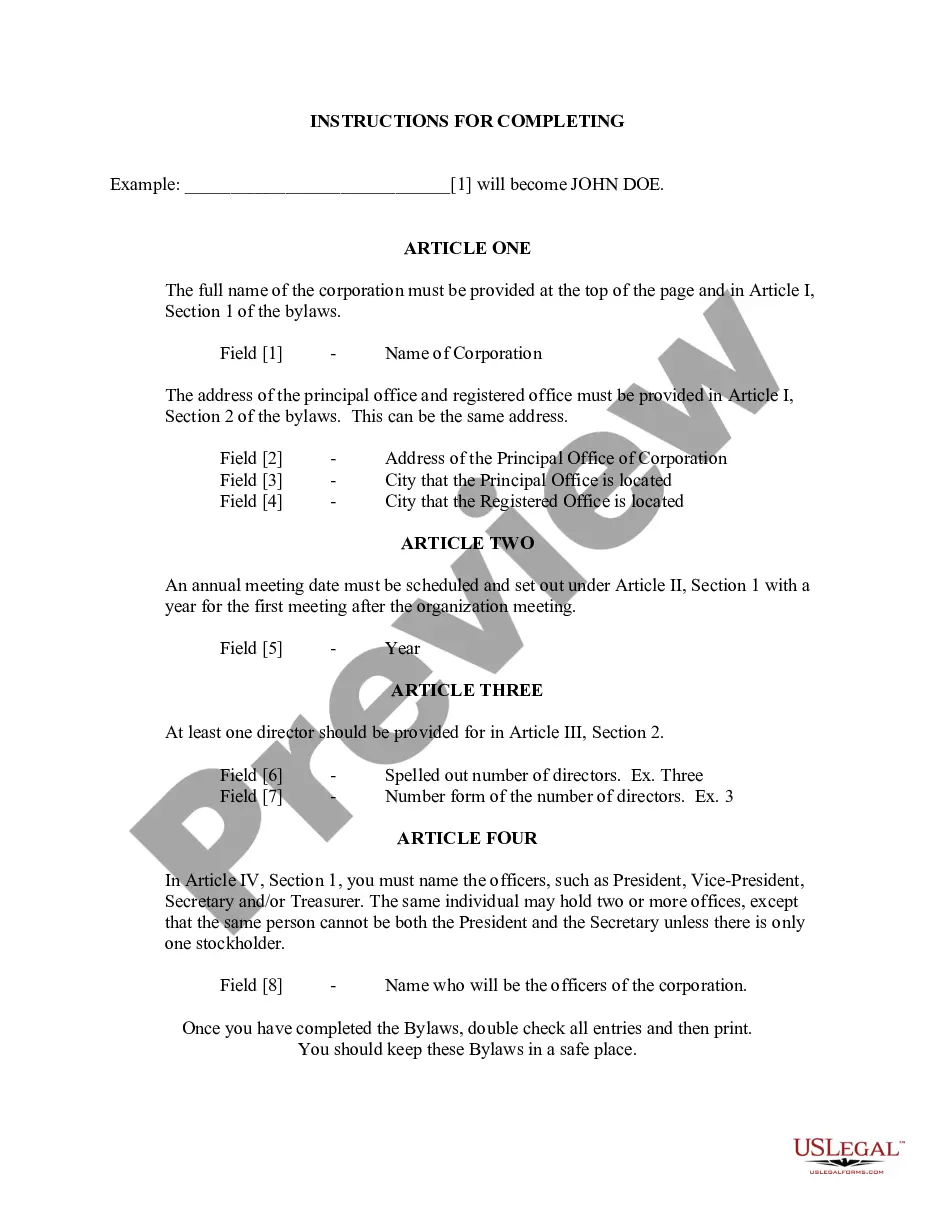
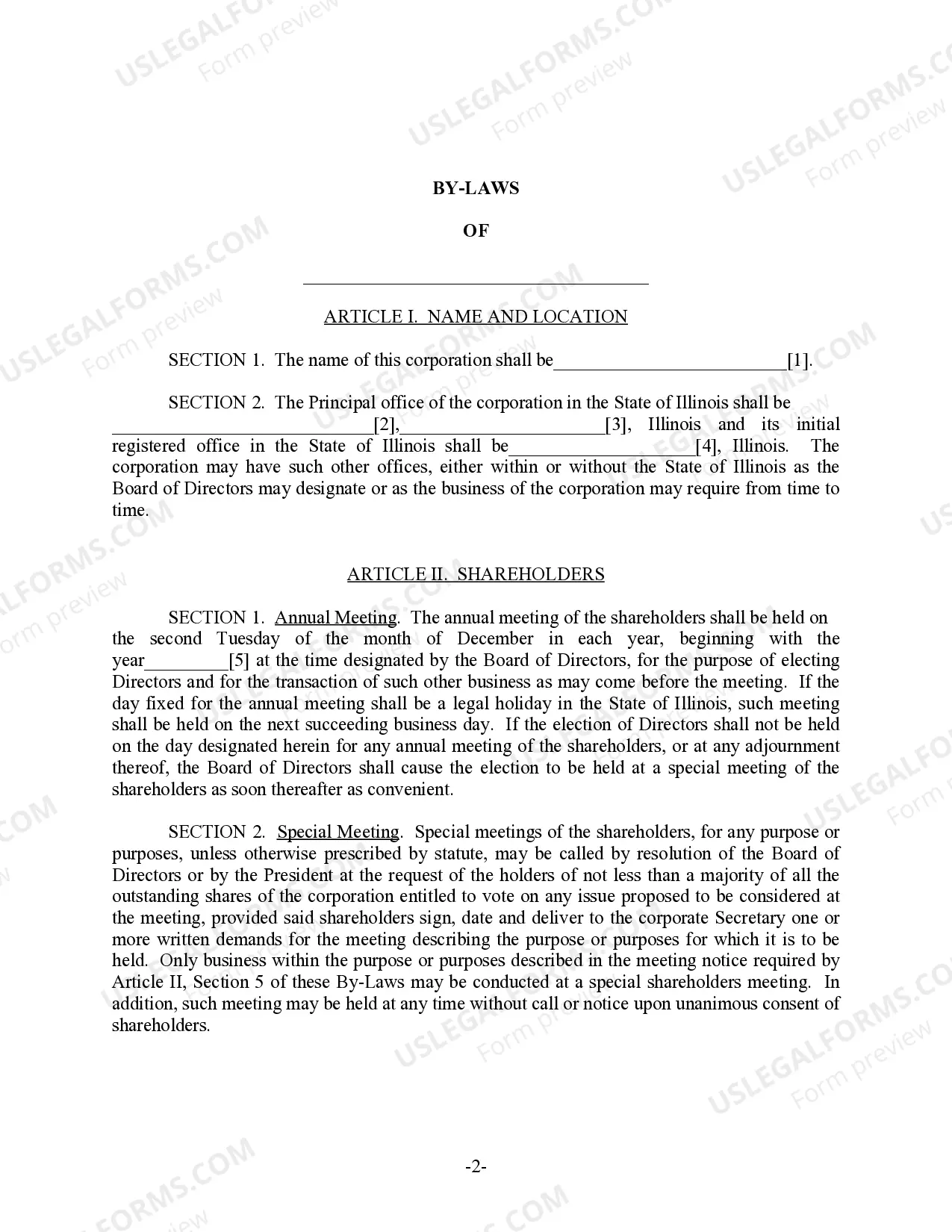
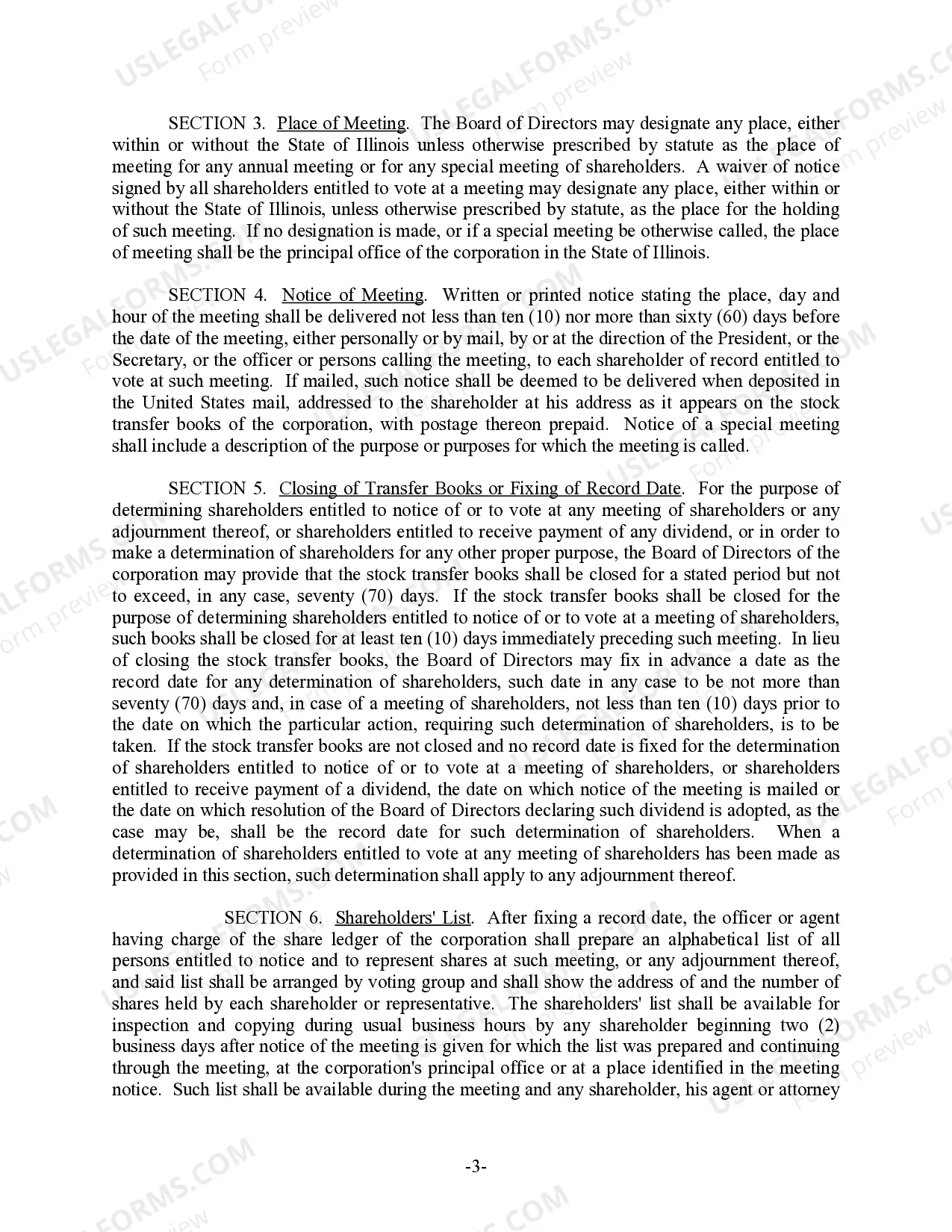
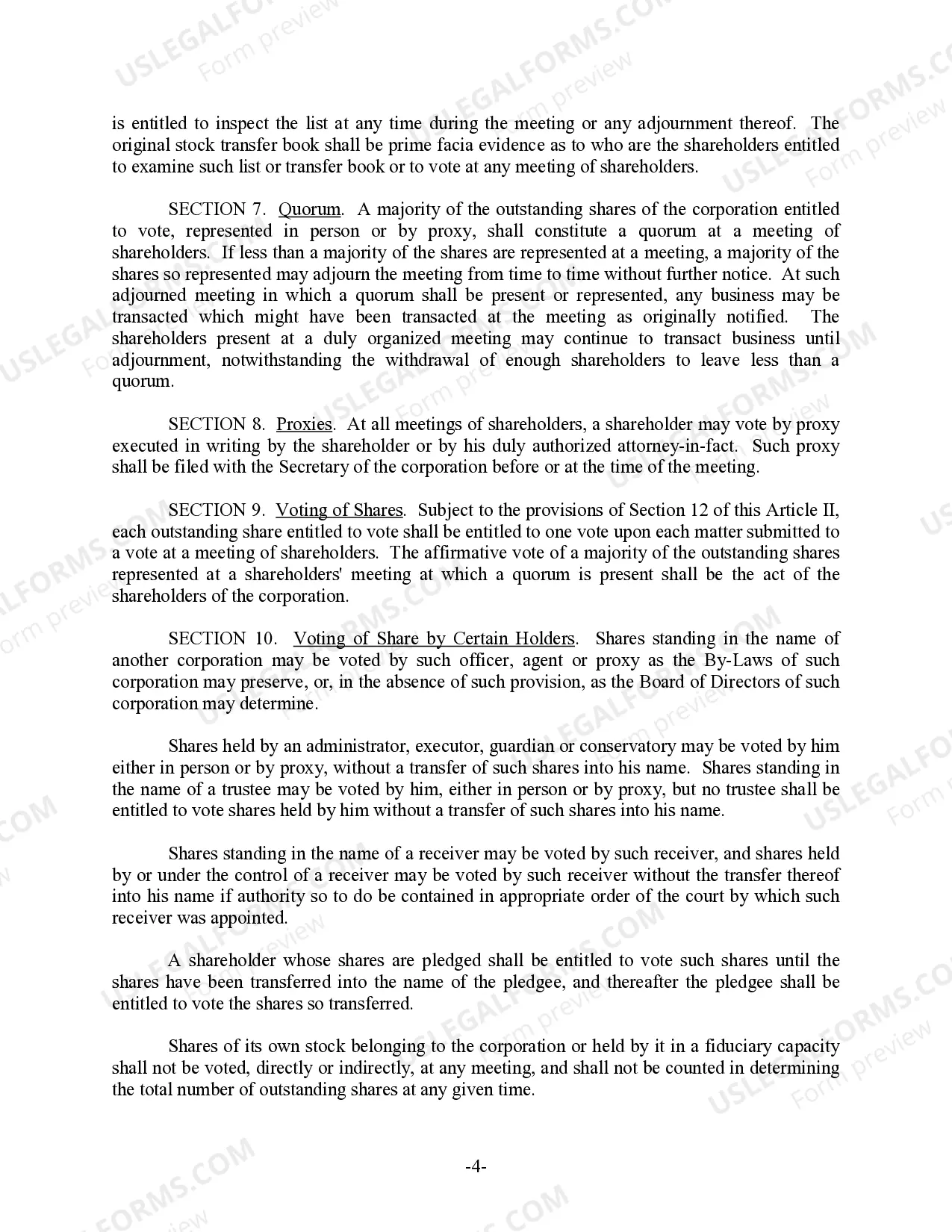

Get your form ready online
Our built-in tools help you complete, sign, share, and store your documents in one place.
Make edits, fill in missing information, and update formatting in US Legal Forms—just like you would in MS Word.
Download a copy, print it, send it by email, or mail it via USPS—whatever works best for your next step.
Sign and collect signatures with our SignNow integration. Send to multiple recipients, set reminders, and more. Go Premium to unlock E-Sign.
If this form requires notarization, complete it online through a secure video call—no need to meet a notary in person or wait for an appointment.
We protect your documents and personal data by following strict security and privacy standards.

Make edits, fill in missing information, and update formatting in US Legal Forms—just like you would in MS Word.

Download a copy, print it, send it by email, or mail it via USPS—whatever works best for your next step.

Sign and collect signatures with our SignNow integration. Send to multiple recipients, set reminders, and more. Go Premium to unlock E-Sign.

If this form requires notarization, complete it online through a secure video call—no need to meet a notary in person or wait for an appointment.

We protect your documents and personal data by following strict security and privacy standards.
Looking for another form?
Form popularity
FAQ
The IRS mandates that a nonprofit organization have at least three board members to maintain tax-exempt status. These members should be diverse and represent various perspectives to ensure effective governance. This minimum requirement helps promote accountability and transparency within the organization. For assistance in drafting bylaws, including board member requirements, you can utilize a Bylaws for nonprofit template from US Legal Forms, ensuring compliance with IRS regulations.
Nonprofit bylaws are generally accessible to the public, as they are a crucial part of a nonprofit's formation documents. Typically, when a nonprofit files for tax-exempt status with the IRS, the bylaws become part of the public record. This means anyone can request a copy of these bylaws. If you need a comprehensive Bylaws for nonprofit template, consider using US Legal Forms, which offers customizable options that meet legal standards.
An example of a 501(c)(3) is the American Red Cross, which provides disaster relief and community services. This type of organization qualifies for federal tax exemptions, making it attractive for donations. Similarly, when starting your nonprofit, consider using a Bylaws for nonprofit template to structure your organization effectively. This can help you align your goals with the legal requirements for 501(c)(3) status.
The ideal legal entity for a nonprofit organization is a 501(c)(3) status nonprofit corporation. This entity allows your organization to benefit from tax-exempt status while enabling you to create a Bylaws for nonprofit template that governs your operations. Such structure appeals to donors and grant-makers, thereby increasing potential funding opportunities. By establishing this entity, you cement your organization’s goals and objectives.
The best structure for a nonprofit organization is often the nonprofit corporation. This framework allows for clear governance and helps in establishing Bylaws for nonprofit template that guide your operations. It also protects the personal assets of board members and ensures compliance with state and federal regulations. In this way, it lays the groundwork for a successful nonprofit.
The best legal structure for a non-profit organization remains the nonprofit corporation, as it provides a clear framework for operations. This designation allows you to create a Bylaws for nonprofit template, which helps define roles and responsibilities within the organization. Additionally, forming a nonprofit corporation can enhance your ability to secure funding, as many donors prefer to contribute to established entities.
Choosing a domain name for your nonprofit organization is crucial for online presence. Ideally, it should reflect your mission or name, making it easy for users to remember. A extension is typically the best choice, as it conveys credibility and trust. Additionally, ensure that your website includes valuable content, like Bylaws for nonprofit template, to attract and engage your audience.
The best legal structure for a charity typically is a nonprofit corporation. This structure offers limited liability protection for its members, which is essential when engaging in activities that pose risks. By using a nonprofit corporation, you can easily create Bylaws for nonprofit template that outline the governance of the organization. Furthermore, this structure often qualifies for tax exemptions, providing additional benefits.
Nonprofit bylaws do not need to be filed with the IRS when applying for tax-exempt status; however, they are crucial for internal governance. A well-prepared bylaws for nonprofit template can aid in demonstrating your organization’s structure during IRS evaluation. Remember that state regulations may require you to keep a copy of your bylaws on file, so ensure they are accessible for reference when needed.
Bylaws should focus on organizational structure and operational procedures, so avoid including overly detailed management practices or sensitive information. Do not include anything that may change frequently, like specific policies or procedures that can be managed outside the bylaws. Instead, use a bylaws for nonprofit template to ensure clarity on mandates without unnecessary details. Keep your bylaws concise to allow easier amendments in the future.