Hawaii Cesspool Legislation
Description

Get your form ready online
Our built-in tools help you complete, sign, share, and store your documents in one place.
Make edits, fill in missing information, and update formatting in US Legal Forms—just like you would in MS Word.
Download a copy, print it, send it by email, or mail it via USPS—whatever works best for your next step.
Sign and collect signatures with our SignNow integration. Send to multiple recipients, set reminders, and more. Go Premium to unlock E-Sign.
If this form requires notarization, complete it online through a secure video call—no need to meet a notary in person or wait for an appointment.
We protect your documents and personal data by following strict security and privacy standards.

Make edits, fill in missing information, and update formatting in US Legal Forms—just like you would in MS Word.

Download a copy, print it, send it by email, or mail it via USPS—whatever works best for your next step.

Sign and collect signatures with our SignNow integration. Send to multiple recipients, set reminders, and more. Go Premium to unlock E-Sign.

If this form requires notarization, complete it online through a secure video call—no need to meet a notary in person or wait for an appointment.

We protect your documents and personal data by following strict security and privacy standards.
Looking for another form?

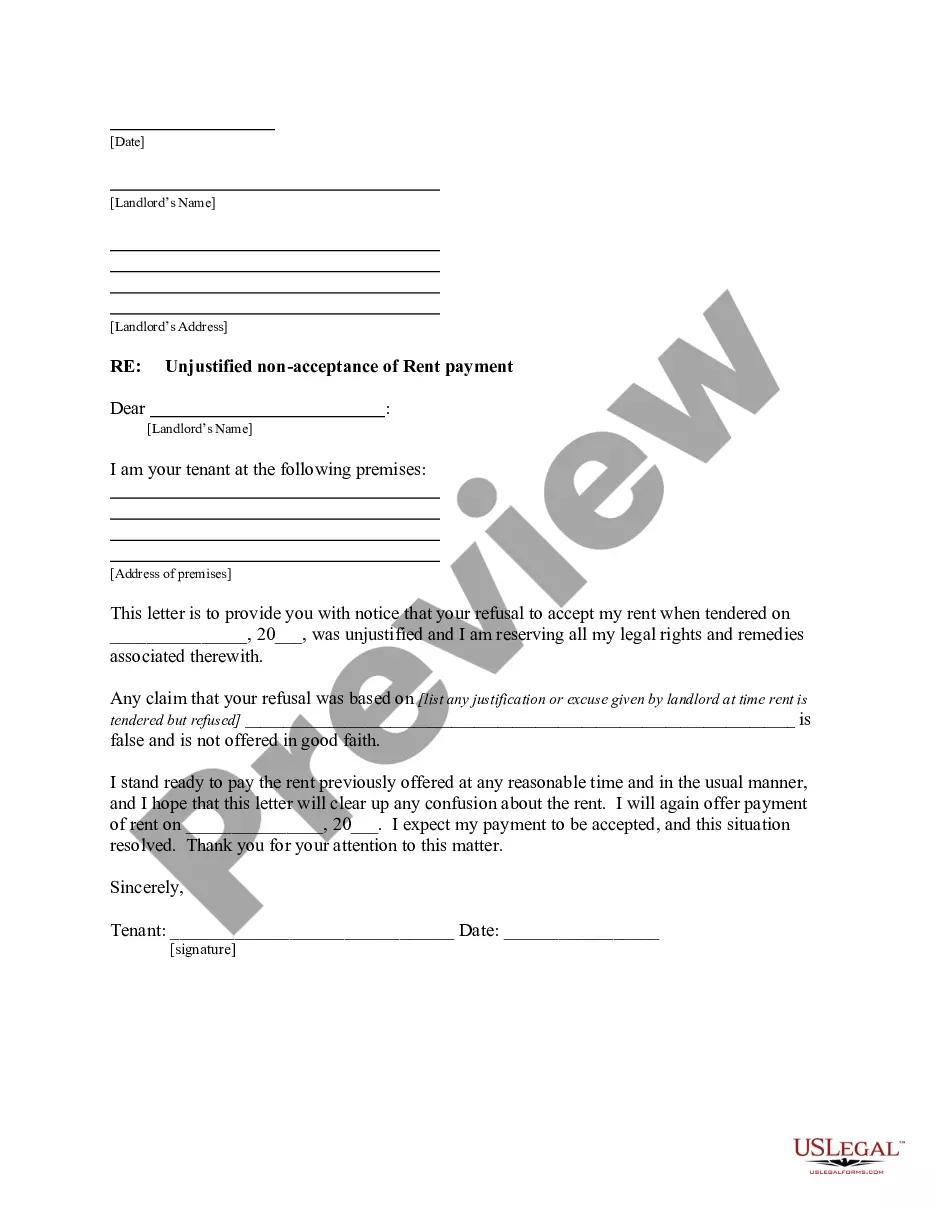
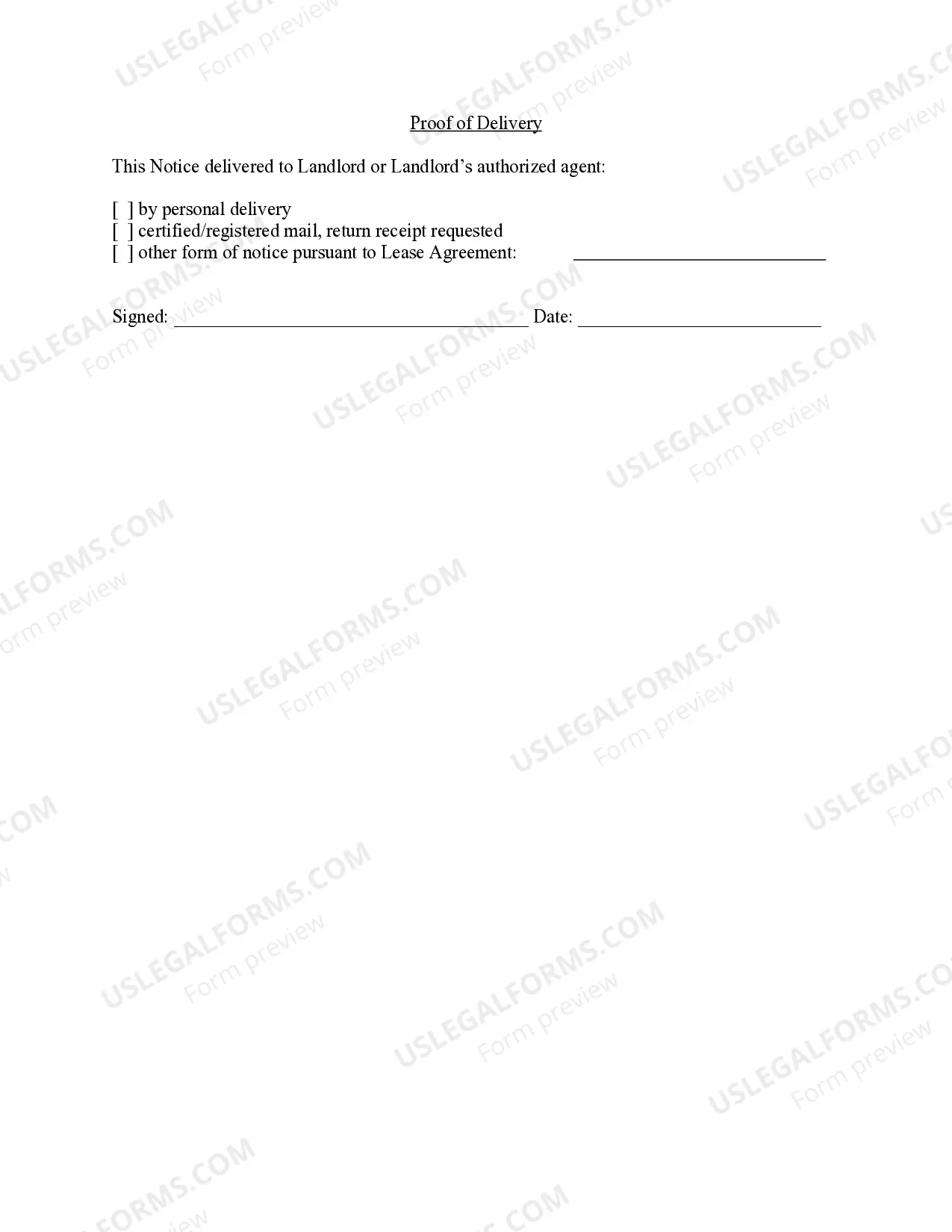
How to fill out Hawaii Letter From Tenant To Landlord Containing Notice To Cease Unjustified Nonacceptance Of Rent?
- If you're a returning user, log in to your account. Ensure your subscription is active to download the required forms.
- For first-time users, start by exploring our extensive library. Check the preview mode and descriptions to find forms tailored to Hawaii cesspool legislation.
- If you need a different template, utilize the Search tab to locate additional documents that suit your specific legal requirements.
- Once you've identified the correct form, click on the Buy Now button and select your preferred subscription plan. Registration is required for access to our resources.
- Complete your purchase by entering your payment information through credit card or PayPal options.
- After buying your document, download it directly to your device. You can also revisit it anytime via the My Forms section of your profile.
With over 85,000 legal forms, US Legal Forms sets itself apart with a robust collection that outpaces competitors, offering peace of mind and assurance in legal documentation.
Empower yourself with reliable legal resources. Start your journey with US Legal Forms today!
Form popularity
FAQ
Hawaii cesspool legislation took a significant step forward when the state officially banned the installation of new cesspools in 2016. This law aimed to address public health risks and environmental concerns related to untreated wastewater. Existing cesspools must be upgraded or converted to more modern wastewater systems by 2050. Understanding these changes can help you navigate the requirements more easily, and US Legal Forms offers valuable resources to keep you informed and compliant.
Converting a cesspool to a sewer connection is possible and often encouraged under Hawaii cesspool legislation. This transition typically requires a thorough inspection and approval from local authorities. Engaging with uslegalforms can help guide you through the conversion process, ensuring you meet all legal requirements. Making this change not only helps reduce environmental impact but can also enhance the value of your property.
Yes, you can get rid of a cesspool, but it involves following specific procedures set by Hawaii cesspool legislation. Homeowners typically need to obtain the necessary permits and may need to replace the cesspool with an approved waste management system. Using platforms like uslegalforms can simplify the process by providing the required forms and guidance to ensure compliance with local laws. Taking responsible action not only benefits you but also helps protect the environment.
The frequency of cesspool emptying can vary based on usage and local regulations. In most cases, it's recommended to empty a cesspool every three to five years to prevent overflow and maintain proper function. Hawaii cesspool legislation emphasizes the importance of regular maintenance to safeguard public health and ensure compliance with state laws. Staying proactive about cesspool maintenance can save you from costly repairs in the future.
The main difference between a septic tank and a cesspool in Hawaii lies in their design and function. A septic tank treats and holds wastewater, while a cesspool collects and allows it to seep directly into the ground. Hawaii cesspool legislation emphasizes the need for more modern systems like septic tanks to reduce pollution and protect the environment. By understanding these differences, you can make smarter choices for your property.
The cesspool Grant Program in Hawaii aims to assist homeowners in replacing their old cesspools with compliant wastewater systems. This program provides financial support to encourage adherence to Hawaii cesspool legislation and promote environmental health. If you're considering making this transition, explore the eligibility requirements and application process to take advantage of this opportunity. This program not only benefits homeowners but also the overall ecosystem.
To determine whether you have a cesspool or septic tank, start by checking your property records, which may indicate the type of system installed. You could also look for specific features: cesspools typically lack a visible outlet pipe, whereas septic tanks have two chambers and a drainage field. If you're unsure, consulting a professional can help you verify your system type and ensure it meets Hawaii cesspool legislation requirements.
Filling an old cesspool involves several steps that comply with Hawaii cesspool legislation. First, ensure that the cesspool is no longer in use, which may require a professional's assistance. After emptying the cesspool, fill it with suitable materials, such as soil or gravel, following local guidelines. It's advisable to consult an expert to avoid environmental issues and ensure compliance during the process.
In Hawaii, a cesspool is a type of wastewater disposal system that collects and allows sewage to seep into the ground. Under Hawaii cesspool legislation, cesspools are considered outdated due to their potential to contaminate groundwater and natural resources. As a result, many homeowners are encouraged to transition to more sustainable systems. Understanding this context can help you make informed choices about your wastewater management.
When considering the options under Hawaii cesspool legislation, it's important to understand that cesspools and septic tanks serve different purposes. Cesspools allow wastewater to seep into the ground, while septic tanks treat wastewater before dispersal. Generally, septic tanks are more efficient and environmentally friendly, helping to meet state regulations more effectively. If you are exploring which option suits your property best, consider consulting with a professional.