Georgia Lease Laws
Description
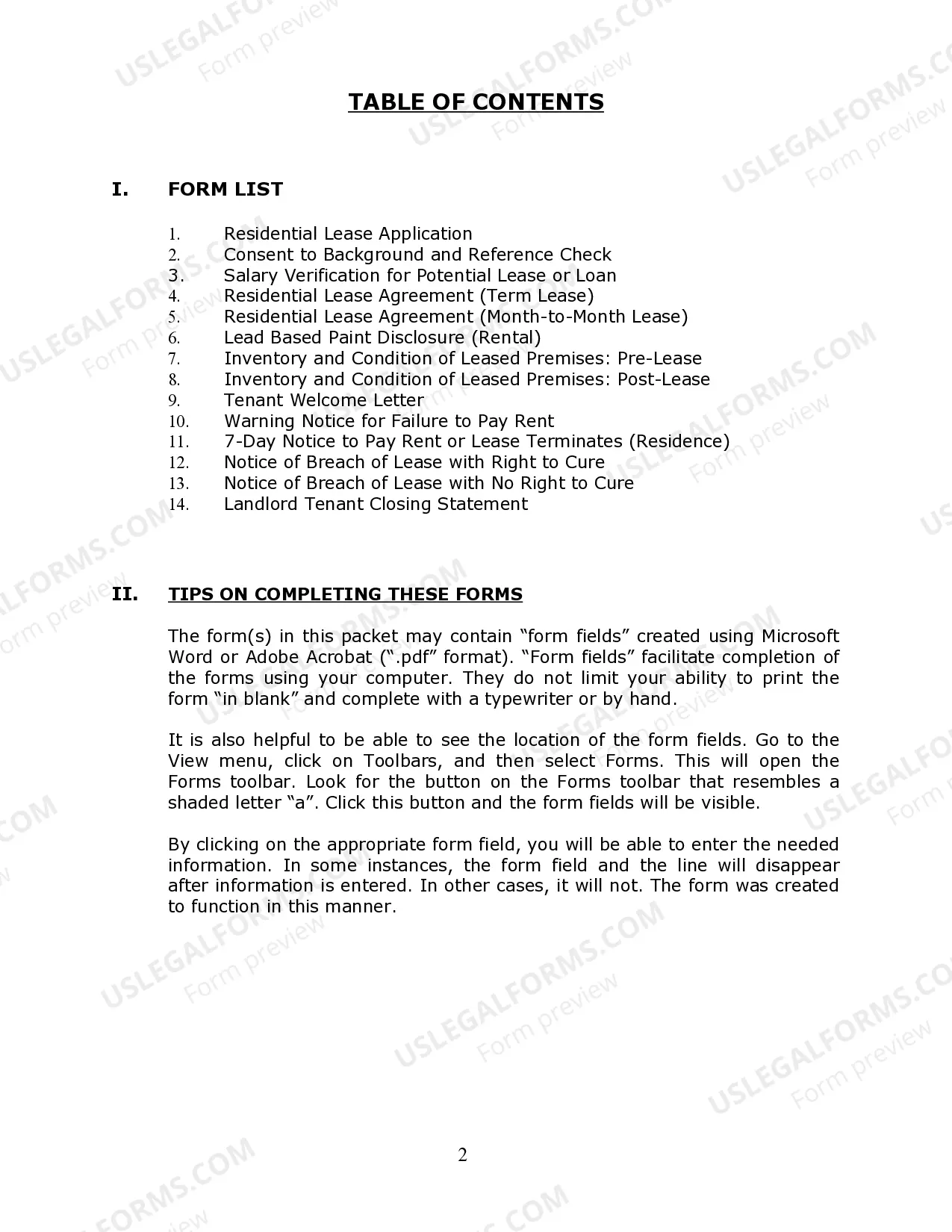
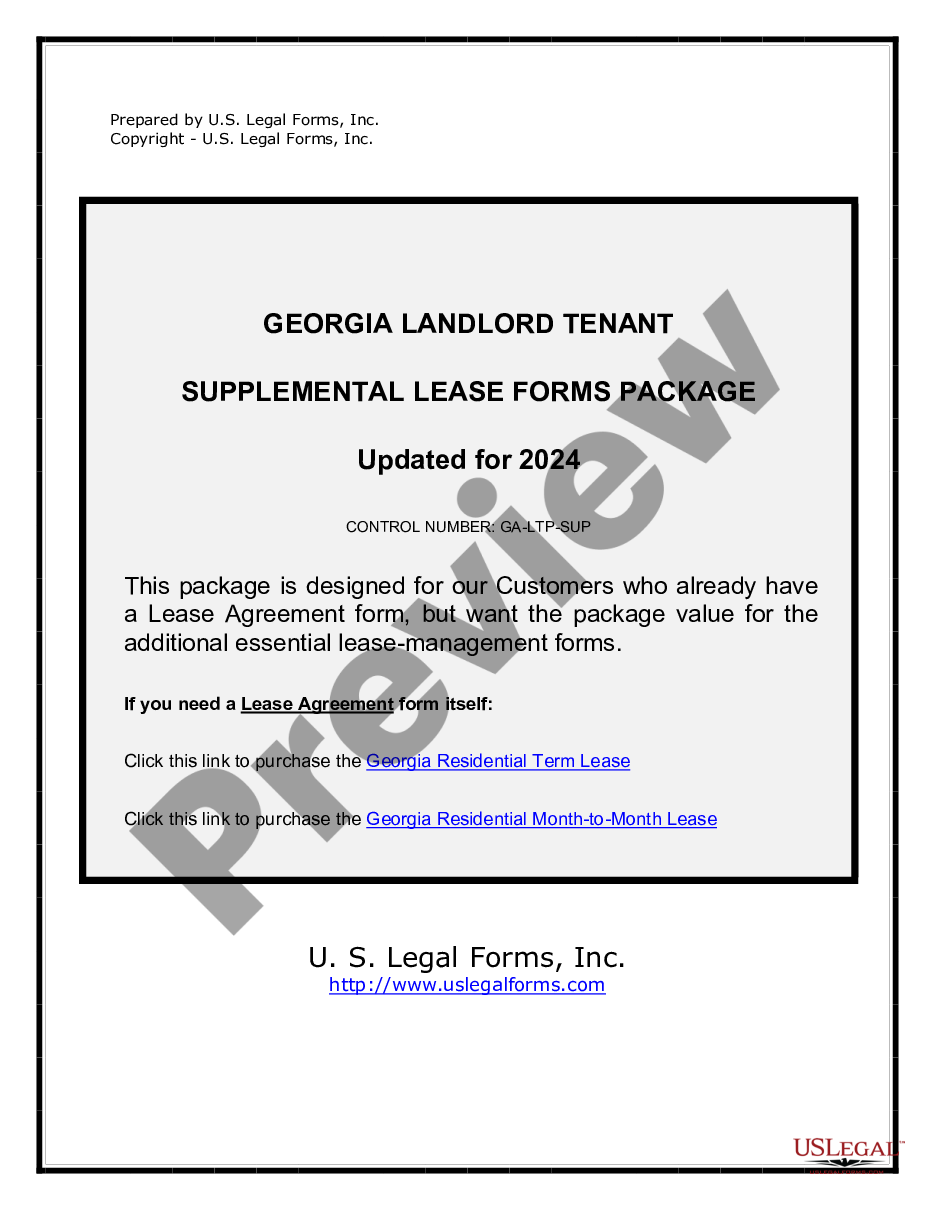
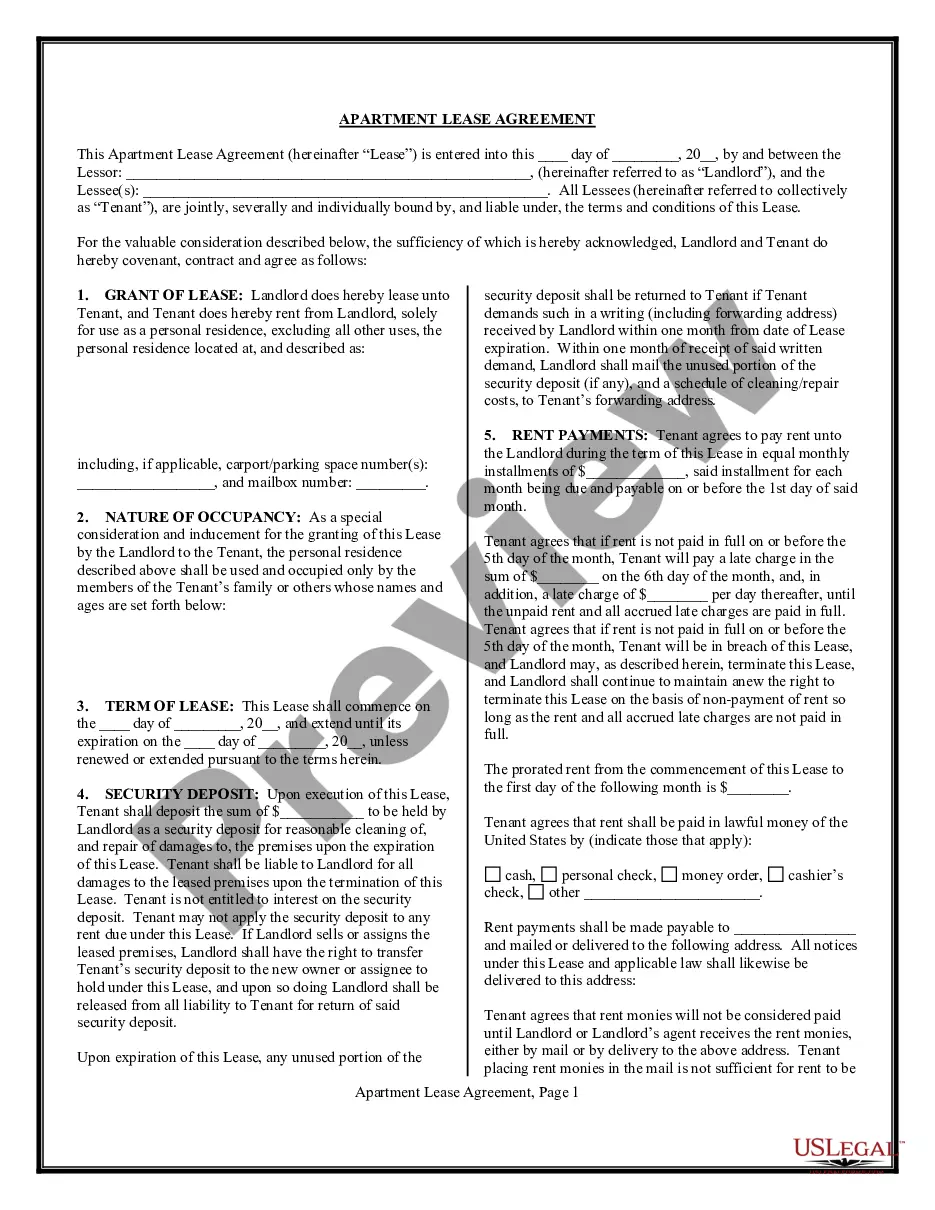
Get your form ready online
Our built-in tools help you complete, sign, share, and store your documents in one place.
Make edits, fill in missing information, and update formatting in US Legal Forms—just like you would in MS Word.
Download a copy, print it, send it by email, or mail it via USPS—whatever works best for your next step.
Sign and collect signatures with our SignNow integration. Send to multiple recipients, set reminders, and more. Go Premium to unlock E-Sign.
If this form requires notarization, complete it online through a secure video call—no need to meet a notary in person or wait for an appointment.
We protect your documents and personal data by following strict security and privacy standards.

Make edits, fill in missing information, and update formatting in US Legal Forms—just like you would in MS Word.

Download a copy, print it, send it by email, or mail it via USPS—whatever works best for your next step.

Sign and collect signatures with our SignNow integration. Send to multiple recipients, set reminders, and more. Go Premium to unlock E-Sign.

If this form requires notarization, complete it online through a secure video call—no need to meet a notary in person or wait for an appointment.

We protect your documents and personal data by following strict security and privacy standards.
Looking for another form?





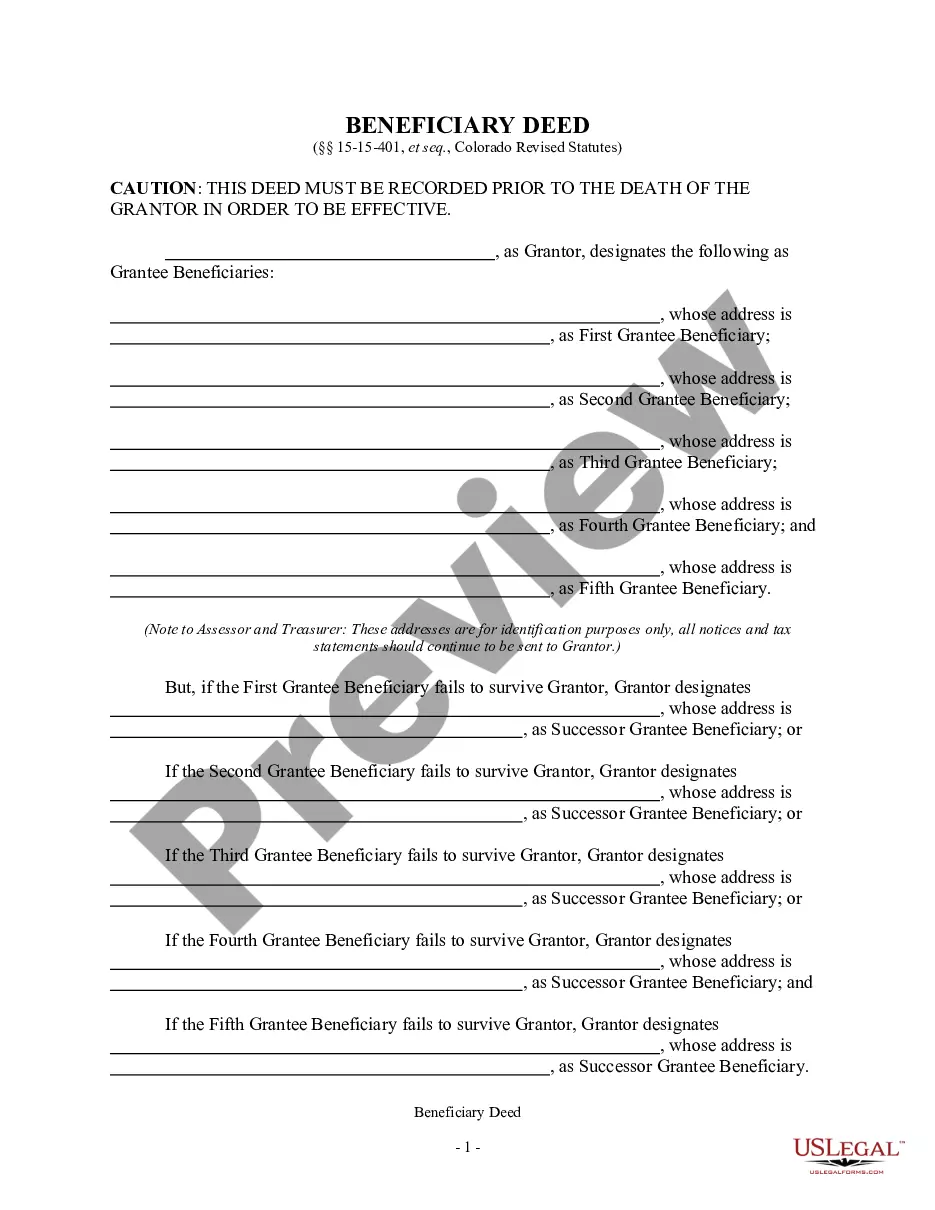




How to fill out Georgia Residential Landlord Tenant Rental Lease Forms And Agreements Package?
The Georgia Rental Agreement Regulations displayed here is a versatile formal template drafted by expert attorneys in accordance with federal and state laws and regulations.
For over 25 years, US Legal Forms has offered individuals, businesses, and legal experts more than 85,000 validated, state-specific documents for any commercial and personal circumstance.
Register for US Legal Forms to have authenticated legal templates for all of life’s circumstances at your fingertips.
- Explore the document you require and review it.
- Sift through the file you searched and preview it or examine the form description to confirm it meets your requirements. If it doesn’t, utilize the search feature to locate the appropriate one. Click Buy Now when you have found the template you need.
- Register and Log In.
- Choose the pricing plan that best fits you and create an account. Use PayPal or a credit card for a speedy transaction. If you already possess an account, Log In and verify your subscription to proceed.
- Obtain the editable template.
- Select the format you prefer for your Georgia Rental Agreement Regulations (PDF, Word, RTF) and save the document on your device.
- Fill out and sign the documents.
- Print the template to complete it manually. Alternatively, utilize an online multifunctional PDF editor to swiftly and accurately fill out and endorse your form with a valid signature.
- Re-download your documents as needed.
- Access the same document whenever required. Open the My documents tab in your profile to retrieve any previously downloaded forms.
Form popularity
FAQ
A lease may be considered invalid in Georgia if it does not meet specific requirements outlined in Georgia lease laws. For instance, if a lease lacks essential elements such as consent from both parties or is signed under duress, it may not hold up legally. Additionally, if the terms violate local laws or public policy, a lease can also be deemed invalid. Always review your lease carefully to ensure its compliance.
In Georgia, you can report your landlord to your local housing authority or the Georgia Department of Community Affairs. If issues persist or if your complaints involve serious legal breaches, you may want to seek guidance from a tenant's rights organization or legal professional. Understanding your options under Georgia lease laws can empower you to take appropriate action against negligent landlords.
To file a complaint against a landlord in Georgia, start by gathering all relevant documentation, such as your lease agreement and any communication with your landlord. You can submit the complaint to the Georgia Department of Community Affairs or your local housing authority. If you believe your rights under the Georgia lease laws have been violated, consider consulting with a legal expert to discuss your options.
Renters in Georgia enjoy several rights, including the right to live in a property that meets basic health and safety standards. Georgia lease laws protect against retaliatory eviction, ensuring tenants can report issues without fear of losing their homes. Furthermore, renters have the right to receive reasonable explanations for lease termination. For detailed guidance on these rights, consider using platforms like U.S. Legal Forms, which can help clarify your situation.
Recently, Georgia has introduced laws aimed at enhancing tenant protections, particularly regarding eviction processes and notice periods. These changes reflect a growing recognition of tenant needs under Georgia lease laws. It is crucial to stay informed about these updates, as they directly impact your rights and responsibilities as a renter. Resources like U.S. Legal Forms can provide valuable information and assistance in navigating these new laws.
When communicating with your landlord, avoid making accusations or threats, as this can escalate conflicts. Additionally, refrain from discussing your financial struggles in detail, as this may weaken your negotiating position. Instead, focus on respectful and clear communication about your needs and concerns. Familiarizing yourself with Georgia lease laws can equip you with the knowledge to manage discussions productively.
In Georgia, tenant rights include a safe living environment, the right to privacy, and the right to receive proper notice before eviction. Under Georgia lease laws, landlords must maintain habitable conditions and cannot lock tenants out without a court order. Tenants also have the right to organize and advocate for better living conditions. Understanding these rights can help you navigate any rental situation effectively.
While this FAQ is focused on Georgia lease laws, it's helpful to know that each state has specific requirements for lease agreements. Massachusetts law typically requires written leases to include rental terms, security deposits, and specific disclosures. Therefore, always research the state laws relevant to your location for compliance.
When reviewing rental leases, watch for vague terms, especially concerning the security deposit, maintenance responsibilities, and breaking the lease. Additionally, unclear stipulations regarding rent increases should raise concerns. Familiarizing yourself with Georgia lease laws can help you recognize these red flags more easily.
To properly fill out a lease agreement, read through the entire document first, ensuring you understand each section. Provide accurate information regarding yourself and the property, and make sure to reference Georgia lease laws to ensure compliance. This method protects both tenants and landlords from potential disputes.