Georgia Law Executor Fees
Description


Get your form ready online
Our built-in tools help you complete, sign, share, and store your documents in one place.
Make edits, fill in missing information, and update formatting in US Legal Forms—just like you would in MS Word.
Download a copy, print it, send it by email, or mail it via USPS—whatever works best for your next step.
Sign and collect signatures with our SignNow integration. Send to multiple recipients, set reminders, and more. Go Premium to unlock E-Sign.
If this form requires notarization, complete it online through a secure video call—no need to meet a notary in person or wait for an appointment.
We protect your documents and personal data by following strict security and privacy standards.

Make edits, fill in missing information, and update formatting in US Legal Forms—just like you would in MS Word.

Download a copy, print it, send it by email, or mail it via USPS—whatever works best for your next step.

Sign and collect signatures with our SignNow integration. Send to multiple recipients, set reminders, and more. Go Premium to unlock E-Sign.

If this form requires notarization, complete it online through a secure video call—no need to meet a notary in person or wait for an appointment.

We protect your documents and personal data by following strict security and privacy standards.
Looking for another form?
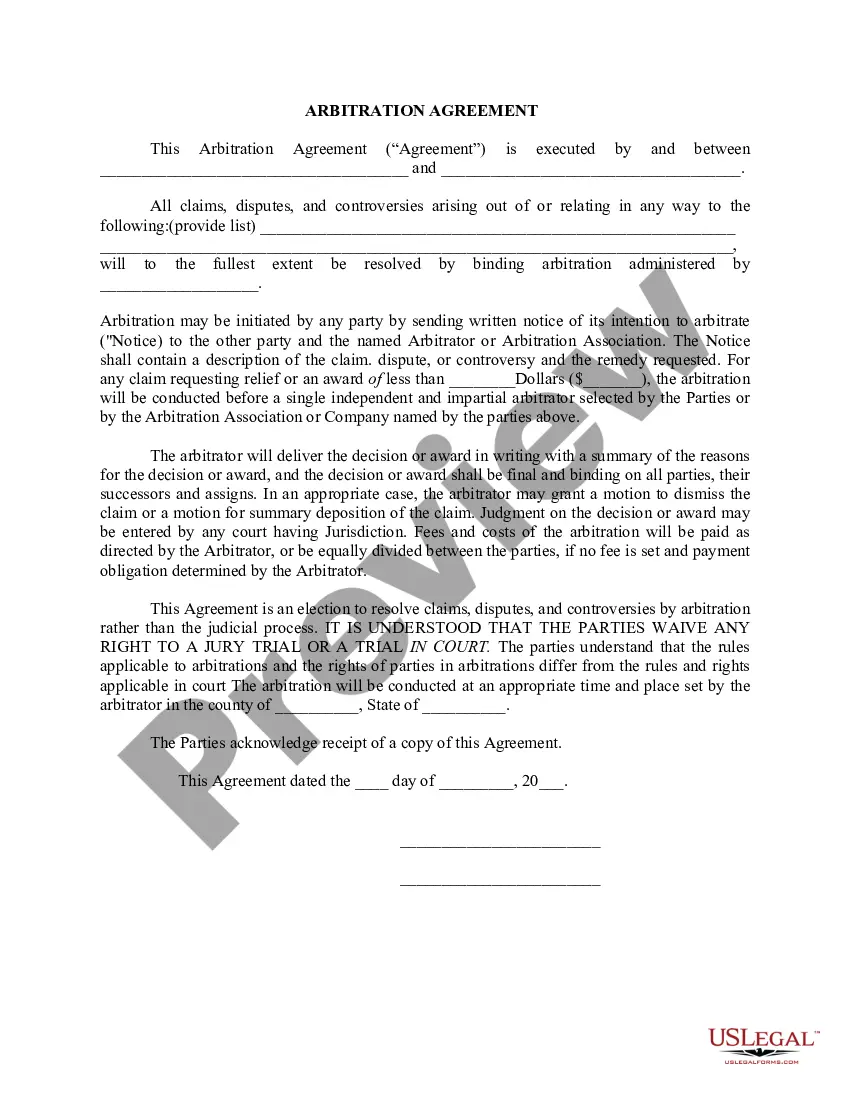




How to fill out Georgia Executor's Deed?
It’s widely known that you cannot transform into a legal expert instantly, nor can you master the rapid preparation of Georgia Law Executor Fees without possessing a specialized education.
Assembling legal documents is an arduous task that demands particular training and abilities. Therefore, why not entrust the drafting of Georgia Law Executor Fees to the specialists.
With US Legal Forms, one of the most extensive libraries of legal templates, you can discover everything from court filings to templates for internal company communications.
If you require a different form, begin your search anew.
Register for a complimentary account and select a subscription plan to acquire the template. Click Buy now. Once the payment is finalized, you can download the Georgia Law Executor Fees, complete it, print it, and send or deliver it to the appropriate individuals or organizations.
- We understand how vital compliance and adherence to federal and state laws and regulations are.
- That's why, on our site, all forms are region-specific and current.
- Start by visiting our website and obtain the necessary form in just a few minutes.
- Locate the form you need using the search bar at the top of the page.
- Preview it (if this feature is available) and review the accompanying description to determine if Georgia Law Executor Fees is what you're looking for.
Form popularity
FAQ
Calculating executor fees under Georgia law involves several steps. Generally, the fees are based on a percentage of the estate's total value, typically ranging from 2% to 5%. To compute this accurately, you will need to assess all assets, including real estate and personal property, and any liabilities. If you seek assistance, platforms like USLegalForms can guide you through the process of understanding Georgia law executor fees, ensuring you comply with legal standards.
A checklist for the executor of an estate in Georgia typically includes locating the will, notifying beneficiaries, and gathering all assets and debts. Additionally, you'll need to open an estate bank account and settle any outstanding taxes and bills. Keep detailed records and maintain transparency with beneficiaries to avoid disputes. Familiarizing yourself with Georgia law executor fees is also crucial for managing the estate effectively.
The State of Georgia has very few laws regarding who is eligible to serve as an executor of a Will. This means almost any adult individual is legally eligible to serve as an executor of a Will?regardless of whether or not they have been named as a beneficiary in the Will.
There is no deadline for settling a Georgia estate. Depending on the size of the estate, beneficiaries can anticipate the probate process to take anywhere from six months to several years. While there is no deadline, there are dispute deadlines that beneficiaries should consider.
Georgia law provides a specific fee schedule for executor compensation. ing to Georgia Code Section 53-6-60, executors are entitled to a fee of 2.5% of all money received by the executor and 2.5% of all money paid out by the executor during the administration process.
In most states, the executor fee is set by statute. For example, in New Jersey, it is 5% of the first $200,000 of assets taken in by the executor, 3.5% of the next $800,000 of assets, and 2% on anything in excess of $1 million. Likewise, California has a sliding scale based on the amount of the estate.