Employee File Example
Description
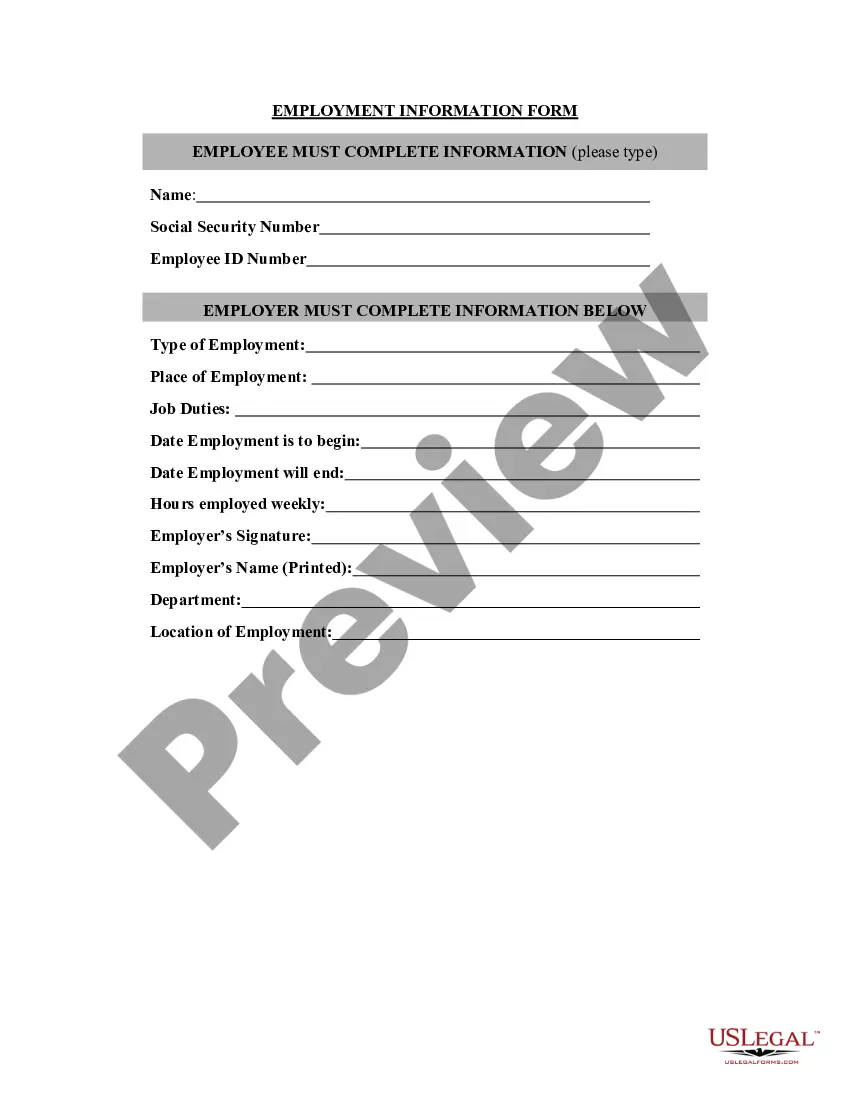
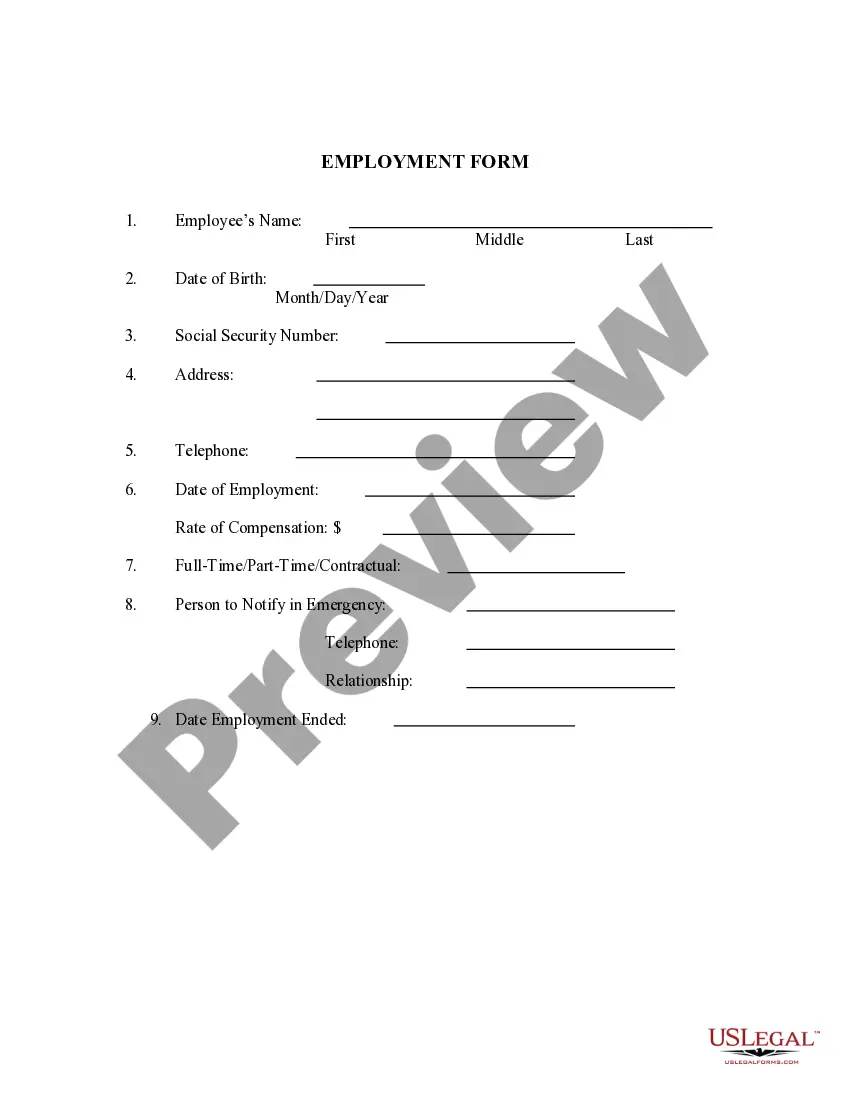
Get your form ready online
Our built-in tools help you complete, sign, share, and store your documents in one place.
Make edits, fill in missing information, and update formatting in US Legal Forms—just like you would in MS Word.
Download a copy, print it, send it by email, or mail it via USPS—whatever works best for your next step.
Sign and collect signatures with our SignNow integration. Send to multiple recipients, set reminders, and more. Go Premium to unlock E-Sign.
If this form requires notarization, complete it online through a secure video call—no need to meet a notary in person or wait for an appointment.
We protect your documents and personal data by following strict security and privacy standards.

Make edits, fill in missing information, and update formatting in US Legal Forms—just like you would in MS Word.

Download a copy, print it, send it by email, or mail it via USPS—whatever works best for your next step.

Sign and collect signatures with our SignNow integration. Send to multiple recipients, set reminders, and more. Go Premium to unlock E-Sign.

If this form requires notarization, complete it online through a secure video call—no need to meet a notary in person or wait for an appointment.

We protect your documents and personal data by following strict security and privacy standards.
Looking for another form?
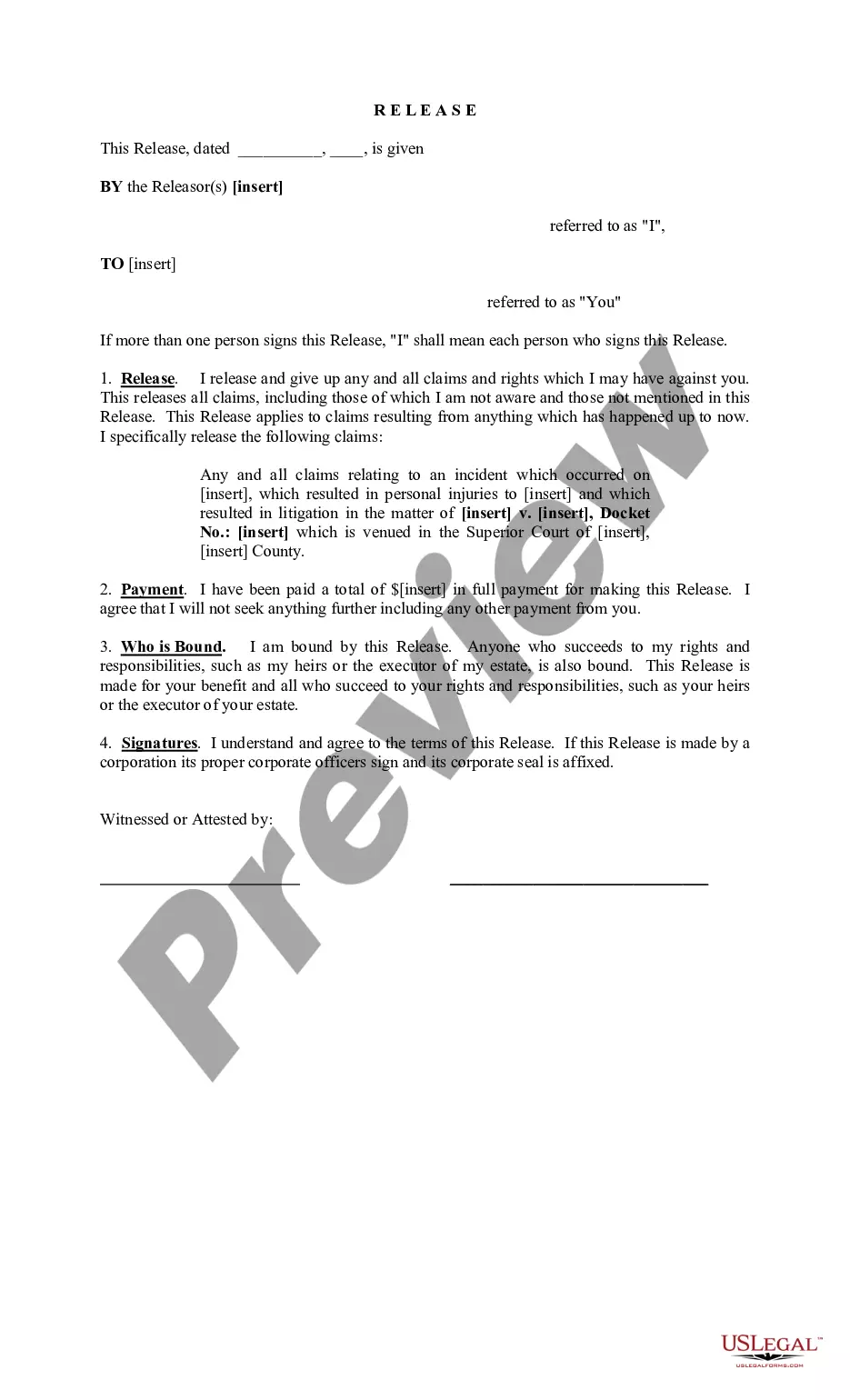
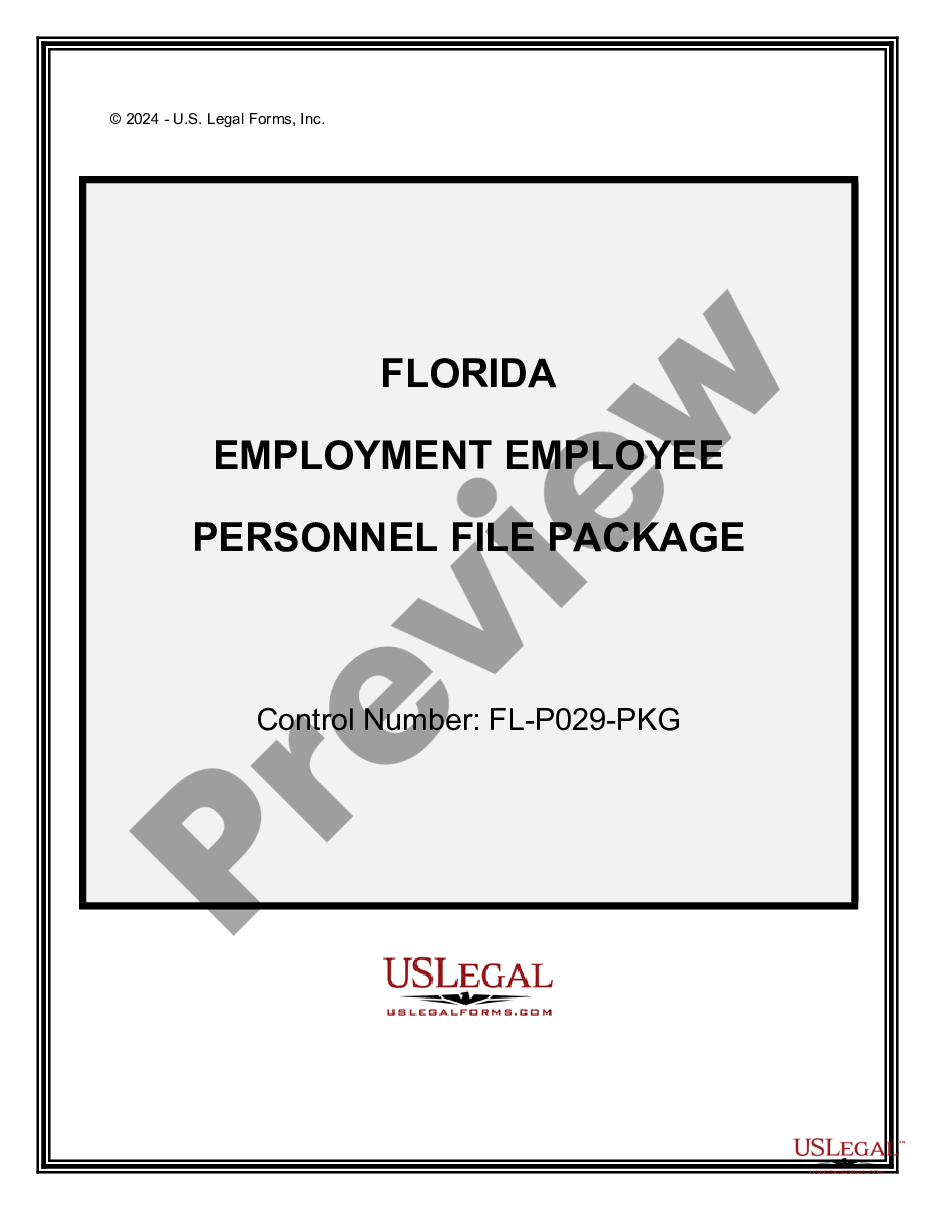
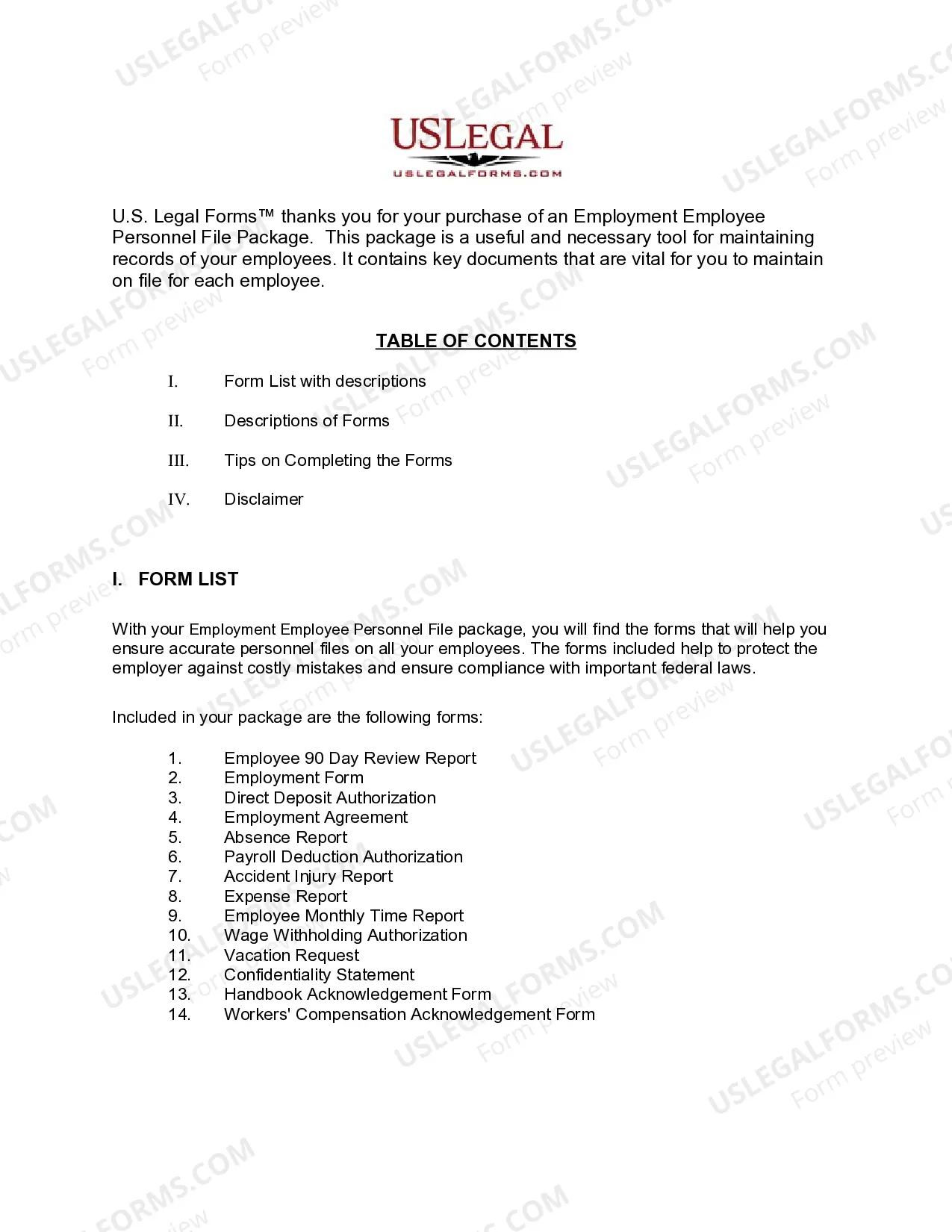
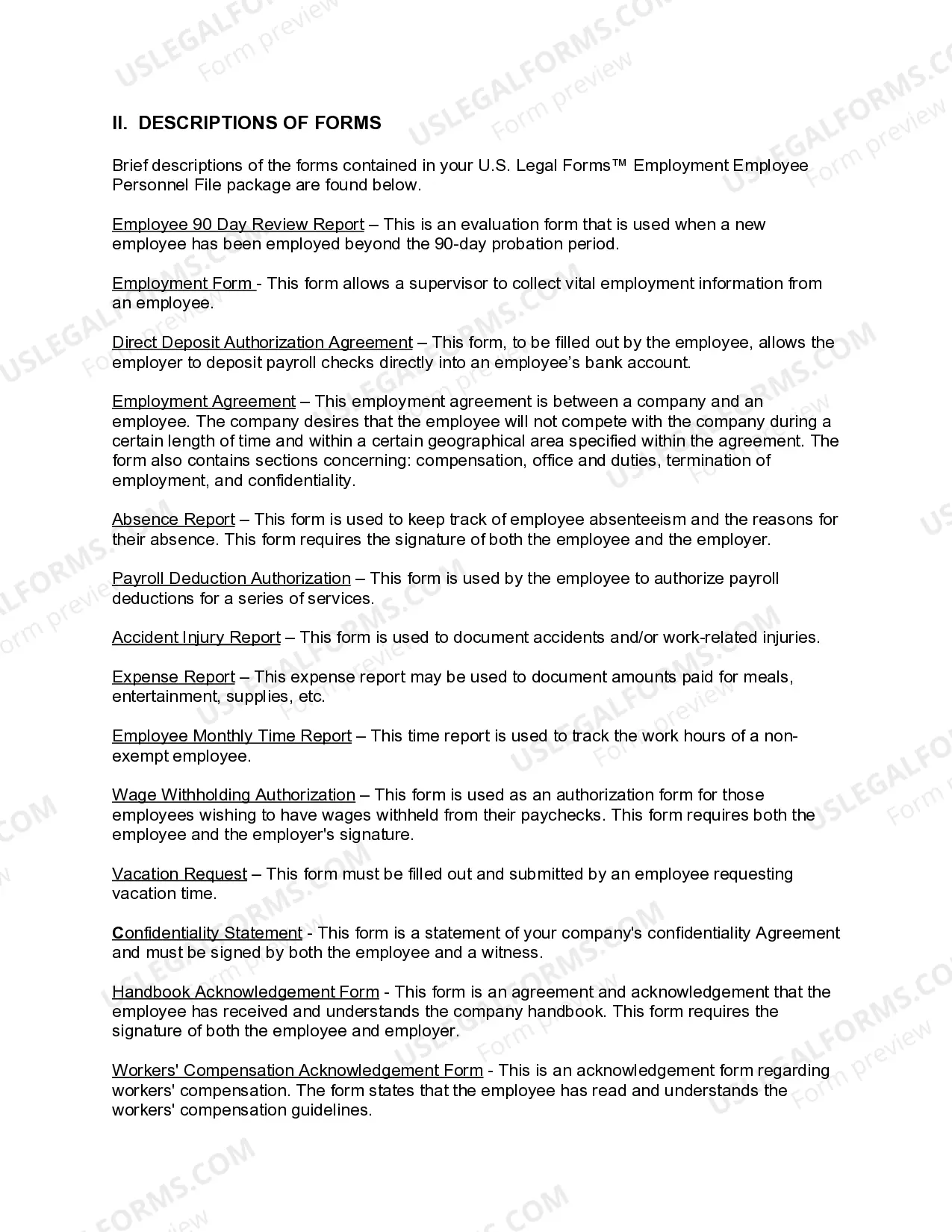
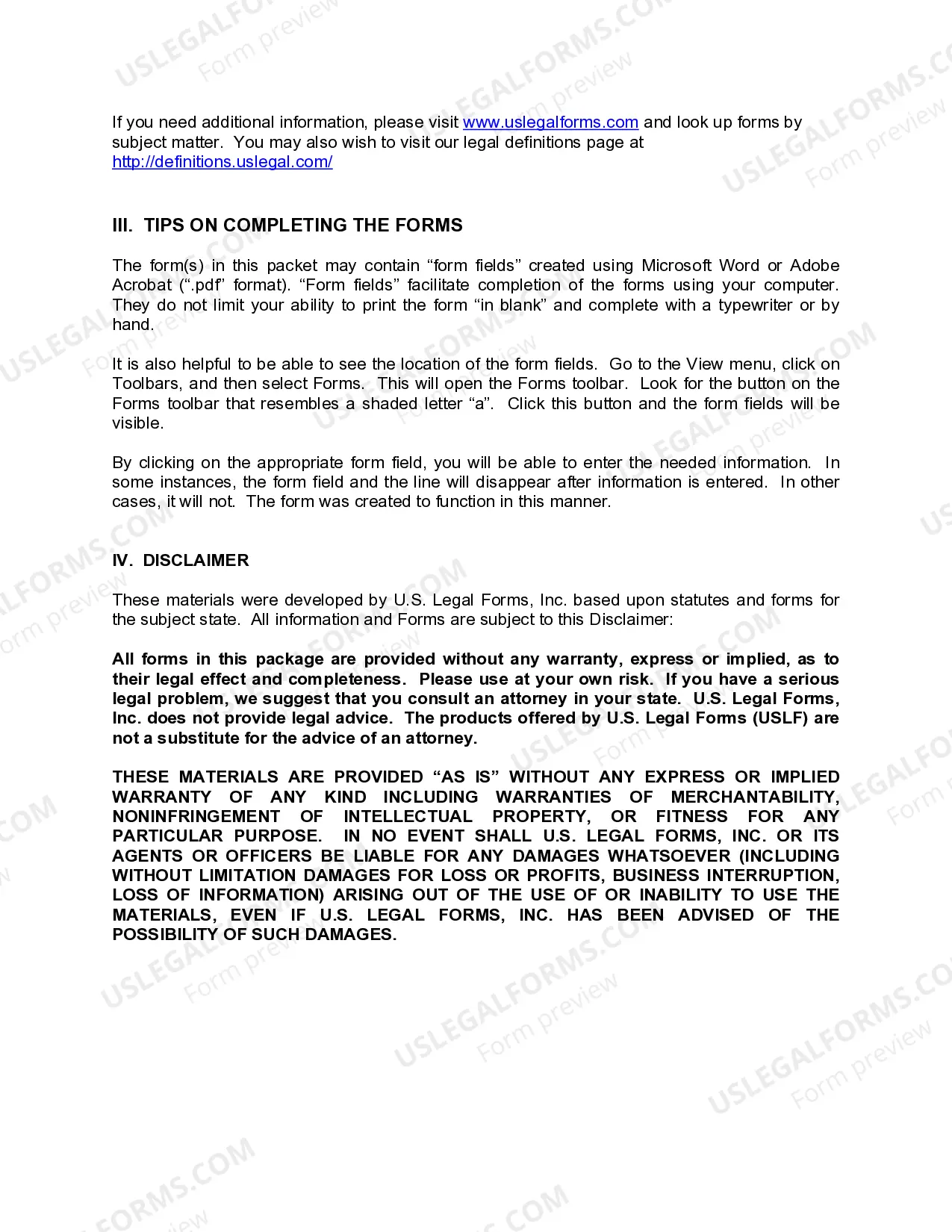
How to fill out Florida Employment Employee Personnel File Package?
It’s obvious that you can’t become a legal expert overnight, nor can you grasp how to quickly draft Employee File Example without the need of a specialized set of skills. Creating legal documents is a time-consuming process requiring a certain education and skills. So why not leave the creation of the Employee File Example to the pros?
With US Legal Forms, one of the most comprehensive legal template libraries, you can access anything from court papers to templates for in-office communication. We understand how crucial compliance and adherence to federal and state laws and regulations are. That’s why, on our website, all templates are location specific and up to date.
Here’s start off with our website and obtain the form you require in mere minutes:
- Find the form you need by using the search bar at the top of the page.
- Preview it (if this option provided) and check the supporting description to determine whether Employee File Example is what you’re searching for.
- Start your search over if you need a different template.
- Set up a free account and choose a subscription plan to buy the form.
- Pick Buy now. As soon as the payment is through, you can download the Employee File Example, complete it, print it, and send or send it by post to the designated individuals or entities.
You can re-access your forms from the My Forms tab at any time. If you’re an existing customer, you can simply log in, and find and download the template from the same tab.
No matter the purpose of your forms-whether it’s financial and legal, or personal-our website has you covered. Try US Legal Forms now!
Form popularity
FAQ
What should a write-up form contain? Employee name, position, and ID number. Type of warning. Offense committed. Description of the incident. Improvement plan. Consequences of a repeat offense. Area for manager and employee to sign and date.
Can I copy my personnel file? Yes, you are allowed to obtain a copy of the information or part of the information contained in your record. Your employer is allowed to charge a fee for providing a copy, but this fee must be limited to the actual cost of duplicating the information.
Work write-ups happen when an employee breaks a policy or repeatedly does something they shouldn't. Examples include misusing company software, showing up late to work regularly, ignoring safety procedures and performing below expectations.
What triggers an employee write-up form Excessive tardiness or absences. Performing work in an unsatisfactory manner. Insubordination. Violating safety rules. Sexual harassment and discrimination against customers and co-workers. Inability to get along with co-workers and disrupting others' work.
In British Columbia, Quebec and the federal sector, the employer must respond to the request within a maximum of 30 days. In Alberta, the employer has 45 days to respond. These timelines can be extended in certain circumstances, but delay in granting access may result in an award of damages to the employee.