Living Proof Photography
Description
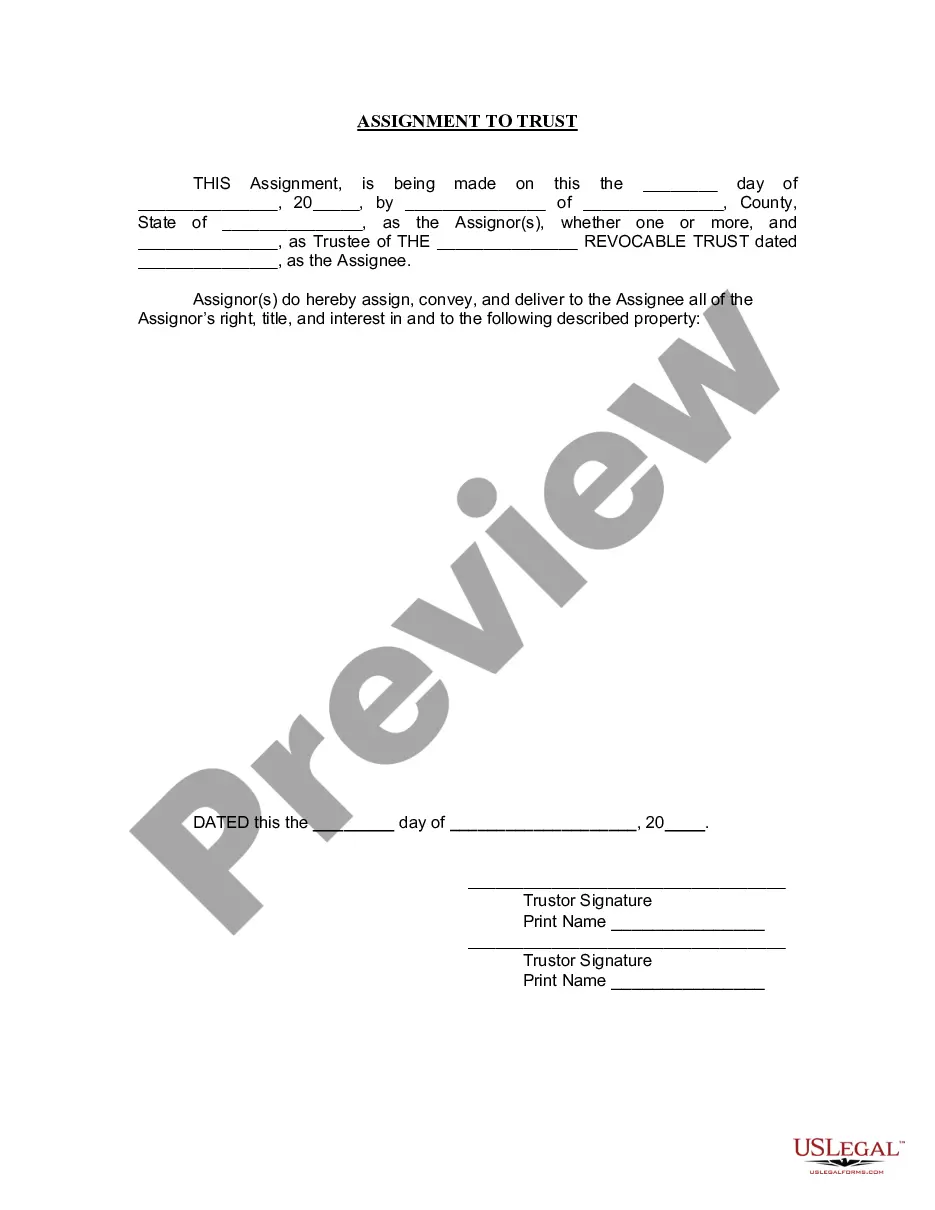
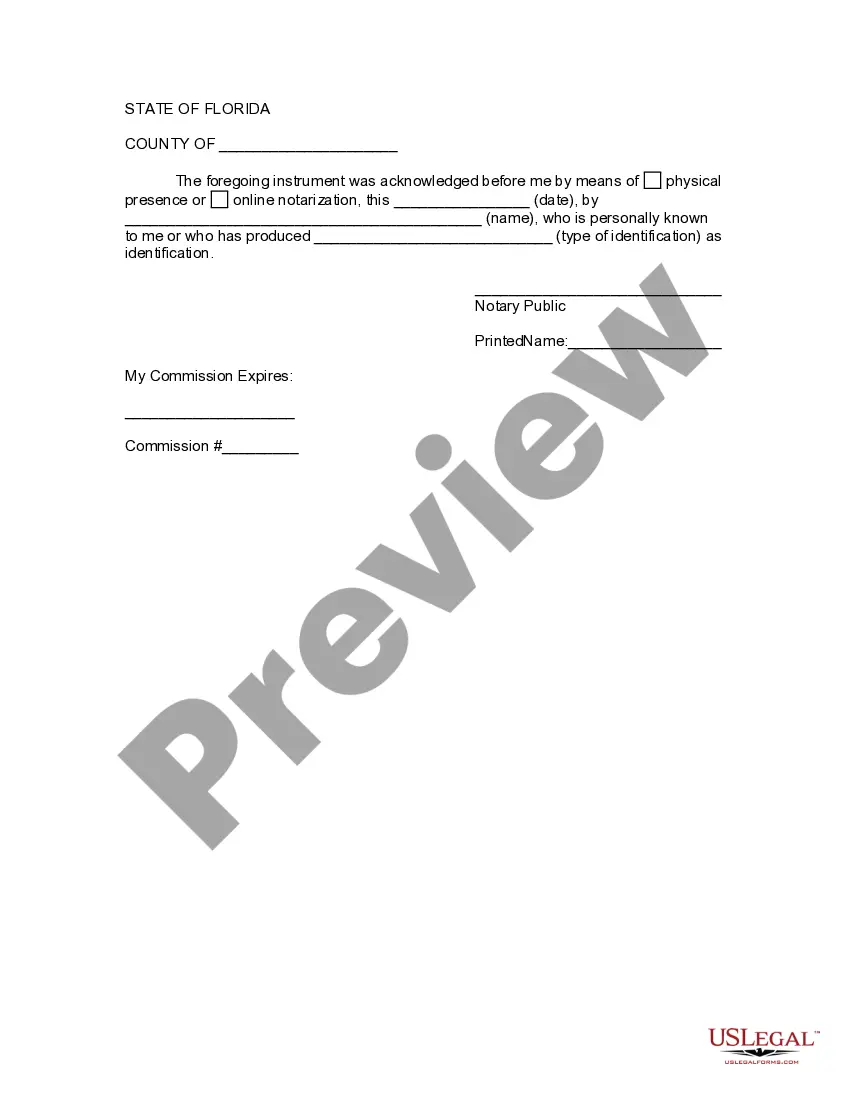

Get your form ready online
Our built-in tools help you complete, sign, share, and store your documents in one place.
Make edits, fill in missing information, and update formatting in US Legal Forms—just like you would in MS Word.
Download a copy, print it, send it by email, or mail it via USPS—whatever works best for your next step.
Sign and collect signatures with our SignNow integration. Send to multiple recipients, set reminders, and more. Go Premium to unlock E-Sign.
If this form requires notarization, complete it online through a secure video call—no need to meet a notary in person or wait for an appointment.
We protect your documents and personal data by following strict security and privacy standards.

Make edits, fill in missing information, and update formatting in US Legal Forms—just like you would in MS Word.

Download a copy, print it, send it by email, or mail it via USPS—whatever works best for your next step.

Sign and collect signatures with our SignNow integration. Send to multiple recipients, set reminders, and more. Go Premium to unlock E-Sign.

If this form requires notarization, complete it online through a secure video call—no need to meet a notary in person or wait for an appointment.

We protect your documents and personal data by following strict security and privacy standards.
Looking for another form?








How to fill out Florida Assignment To Living Trust?
- Login to your US Legal Forms account if you've used our service before, and click the Download button to save the template you need. Ensure your subscription is active.
- If you're new to our service, start by browsing the Preview mode and reading the form description. Confirm that you've selected the form that meets your requirements and complies with your local laws.
- Should you need a different template, utilize the Search function provided to find the appropriate form.
- Select the document by clicking the Buy Now button and choose your desired subscription plan. An account registration is necessary to access our extensive resources.
- Complete your purchase by entering your credit card information or opting for PayPal.
- Finally, download your form and save it on your device. You can also access it later through the My Forms section in your account.
In conclusion, using US Legal Forms empowers you to manage your legal documents efficiently with a robust collection of templates tailored to your needs. By following these straightforward steps, you can ensure that your paperwork is completed accurately and efficiently.
Don't miss out on the opportunity to simplify your legal process; explore US Legal Forms today!
Form popularity
FAQ
Yes, you can absolutely pursue photography as a full-time career. Living proof photography allows you to focus on capturing authentic moments that uplift your clients' goals. By leveraging platforms like U.S. Legal Forms, you can access resources that help you establish your business correctly. With dedication and the right tools, you can turn your passion for photography into a sustainable livelihood.
Choosing photography as a career can be fulfilling and rewarding. With living proof photography, you have the chance to capture moments that tell stories, whether in real estate or other fields. This career offers opportunities for creativity and self-expression while allowing you to work in diverse environments. With the right skills, you can find a niche that suits your interests and build a successful career in this field.
Living proof photography plays a crucial role in the real estate market. High-quality photographs can make properties more appealing and can significantly increase interest from potential buyers. When you showcase a home with professional photos, you highlight its best features and create an emotional connection with viewers. Investing in living proof photography enhances your property listings and can accelerate the sale process.
If you plan to use a drone for your real estate photography, then you will need a Part 107 certificate from the FAA. This certification allows you to fly drones commercially and ensures compliance with safety regulations. By obtaining this certification, you enhance your credibility as a living proof photography professional. It opens up more opportunities for aerial shots that potential clients crave.
To gain recognition as a photographer, focus on building a strong portfolio that showcases your best work, especially in areas like living proof photography. Networking with real estate agents, participating in workshops, and utilizing social media can also enhance your visibility. Consistency and professionalism will help people remember your unique style and talent.
Yes, you can make a living selling photography, particularly in lucrative markets like real estate. Many aspects contribute to earning potential, including honing your skills and effectively marketing your services. By emphasizing living proof photography, you can attract more clients who appreciate the art of showcasing properties beautifully.
Starting a photography business can be rewarding, especially if you have a passion for capturing moments. Many photographers find success in niches like real estate, where living proof photography can help sell homes. With the right marketing strategies, including online presence and client relationships, your photography business can thrive.
To get started in real estate photography, you need a good camera and lenses that can capture high-quality images. Additionally, understanding lighting and composition is essential to showcasing properties effectively. You can also benefit from training or tutorials that focus on living proof photography, highlighting the unique features of each space.
Taking pictures for a house listing requires thoughtful planning and technique to capture the property's best features. Utilize natural light, highlight spacious areas, and ensure neat staging to create inviting visuals. Living proof photography emphasizes detail and ambiance, ensuring potential buyers feel connected to the space. Consider using professional tools or services from platforms like US Legal Forms to streamline your process and enhance your listings.
The 20-60-20 rule divides a photograph's scene into three parts, impacting the overall composition. This concept suggests that 20% of the image should feature dominant elements, while 60% remains neutral or background, and the final 20% enhances detail or context. Incorporating this rule into living proof photography helps maintain focus and clarity. By doing so, you create visually appealing photos that resonate with your audience.