Florida Living Trust Without A Lawyer
Description




Get your form ready online
Our built-in tools help you complete, sign, share, and store your documents in one place.
Make edits, fill in missing information, and update formatting in US Legal Forms—just like you would in MS Word.
Download a copy, print it, send it by email, or mail it via USPS—whatever works best for your next step.
Sign and collect signatures with our SignNow integration. Send to multiple recipients, set reminders, and more. Go Premium to unlock E-Sign.
If this form requires notarization, complete it online through a secure video call—no need to meet a notary in person or wait for an appointment.
We protect your documents and personal data by following strict security and privacy standards.

Make edits, fill in missing information, and update formatting in US Legal Forms—just like you would in MS Word.

Download a copy, print it, send it by email, or mail it via USPS—whatever works best for your next step.

Sign and collect signatures with our SignNow integration. Send to multiple recipients, set reminders, and more. Go Premium to unlock E-Sign.

If this form requires notarization, complete it online through a secure video call—no need to meet a notary in person or wait for an appointment.

We protect your documents and personal data by following strict security and privacy standards.
Looking for another form?

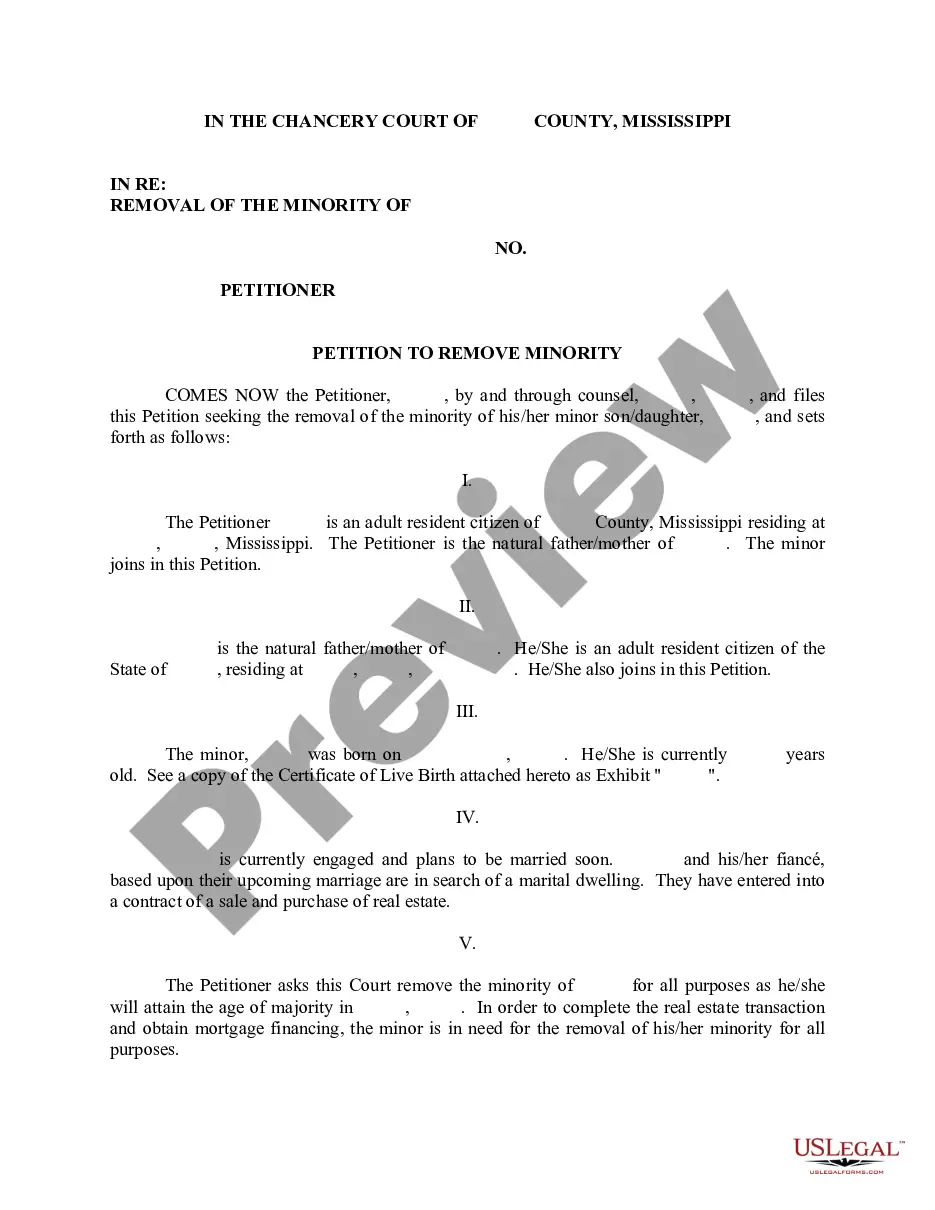

How to fill out Florida Revocable Living Trust For Husband And Wife With No Children?
Obtaining legal document examples that adhere to federal and local regulations is essential, and the internet provides a multitude of choices.
However, what is the benefit of spending time searching for the appropriate Florida Living Trust Without A Lawyer example online when the US Legal Forms digital library has already compiled such templates in one location.
US Legal Forms is the largest online legal repository with over 85,000 fillable documents created by attorneys for various professional and personal circumstances. They are straightforward to navigate, with all files categorized by state and intended use. Our specialists stay updated with legislative alterations, ensuring that your form is always current and compliant when acquiring a Florida Living Trust Without A Lawyer from our site.
Click Buy Now once you've found the appropriate form and select a subscription package. Set up an account or Log In and process payment with PayPal or a credit card. Choose the format for your Florida Living Trust Without A Lawyer and download it. All documents you discover through US Legal Forms can be reused. To re-download and complete previously saved forms, access the My documents section in your account. Take advantage of the most comprehensive and user-friendly legal document service!
- Acquiring a Florida Living Trust Without A Lawyer is straightforward and quick for both existing and new users.
- If you already possess an account with an active subscription, Log In and save the document sample you require in the desired format.
- If you are new to our site, follow the guidelines below.
- Review the template using the Preview feature or through the text outline to ensure it meets your requirements.
- Search for a different sample using the search option at the top of the page if needed.
Form popularity
FAQ
Yes, you can set up a Florida living trust without a lawyer. Many residents choose this option to save on legal fees and maintain control over their estate planning. However, it is essential to follow the proper legal guidelines to ensure your trust is valid and meets your needs. Platforms like US Legal Forms can guide you through the process, providing templates and resources to help you create a comprehensive trust without the need for a lawyer.
Yes, you can prepare your own living trust in Florida without needing a lawyer. Many individuals find this process straightforward, especially with the right resources available online. By using user-friendly tools like uslegalforms, you can create a comprehensive Florida living trust without a lawyer, ensuring it meets your specific needs and complies with state laws. This option allows you to take control of your estate planning effectively.
The two-year rule refers to the time frame during which creditors can challenge a trust's validity or claim against its assets after the grantor's death. In Florida, this rule typically protects the trust assets if the estate is properly managed. Understanding this rule can help you establish a Florida living trust without a lawyer, offering peace of mind for your beneficiaries. Utilizing platforms like uslegalforms can guide you through setting up a trust that complies with these regulations.
In Florida, you do not need to register a living trust. A living trust operates outside of probate, which helps maintain your privacy. However, you should fund the trust by transferring your assets into it to ensure it serves its purpose. By managing your Florida living trust without a lawyer, you can simplify the process and save on legal fees.
How can you create a Living Trust in Florida? Almost all assets may be transferred into one's trust. These may include real estate, bank accounts, personal items, vehicle etc. After deciding which assets are to be transferred into a trust, one should consult with an attorney about drafting the trust agreement.
Yes. If you are competent to handle your financial affairs now, there's no legal reason why you can't be the trustee of your own Living Trust. In fact, this is what most people choose to do. And if you're married, you and your spouse can act as co-trustees.
To set up a living trust, you'll choose the type of trust you'll need, take a thorough inventory of your property, and choose a trustee. Then you'll need to draw up the trust document and sign it in front of a notary public. After that, you'll fund the trust by transferring property into the trust.
(In Florida, two witnesses are required; a witness statement automatically prints out with the Florida trust document.) But you do need to sign your living trust document in front of a notary public for your state. If you create a shared living trust, both of you need to sign the trust document in front of the notary.