Florida Eviction Process Timeline
Description



Get your form ready online
Our built-in tools help you complete, sign, share, and store your documents in one place.
Make edits, fill in missing information, and update formatting in US Legal Forms—just like you would in MS Word.
Download a copy, print it, send it by email, or mail it via USPS—whatever works best for your next step.
Sign and collect signatures with our SignNow integration. Send to multiple recipients, set reminders, and more. Go Premium to unlock E-Sign.
If this form requires notarization, complete it online through a secure video call—no need to meet a notary in person or wait for an appointment.
We protect your documents and personal data by following strict security and privacy standards.

Make edits, fill in missing information, and update formatting in US Legal Forms—just like you would in MS Word.

Download a copy, print it, send it by email, or mail it via USPS—whatever works best for your next step.

Sign and collect signatures with our SignNow integration. Send to multiple recipients, set reminders, and more. Go Premium to unlock E-Sign.

If this form requires notarization, complete it online through a secure video call—no need to meet a notary in person or wait for an appointment.

We protect your documents and personal data by following strict security and privacy standards.
Looking for another form?
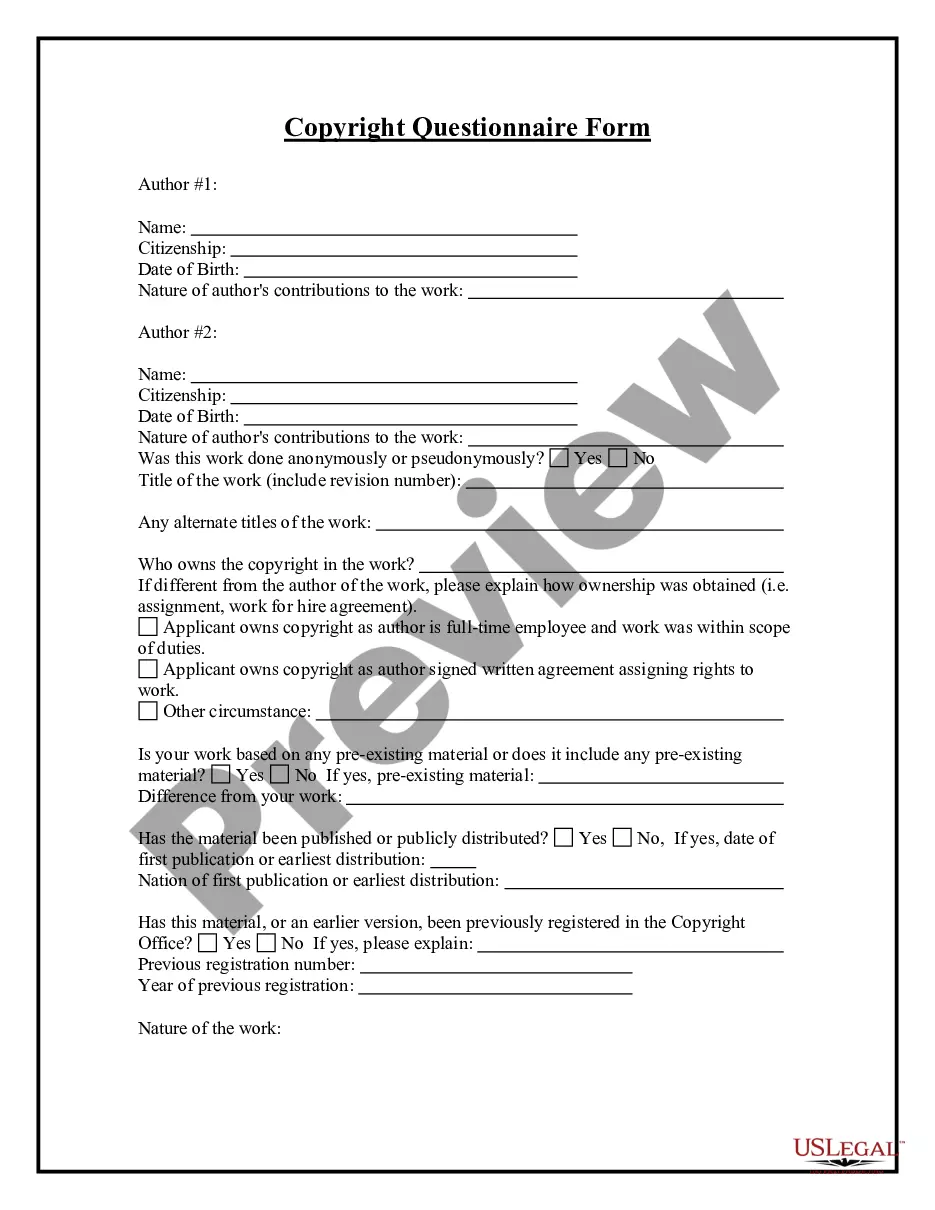




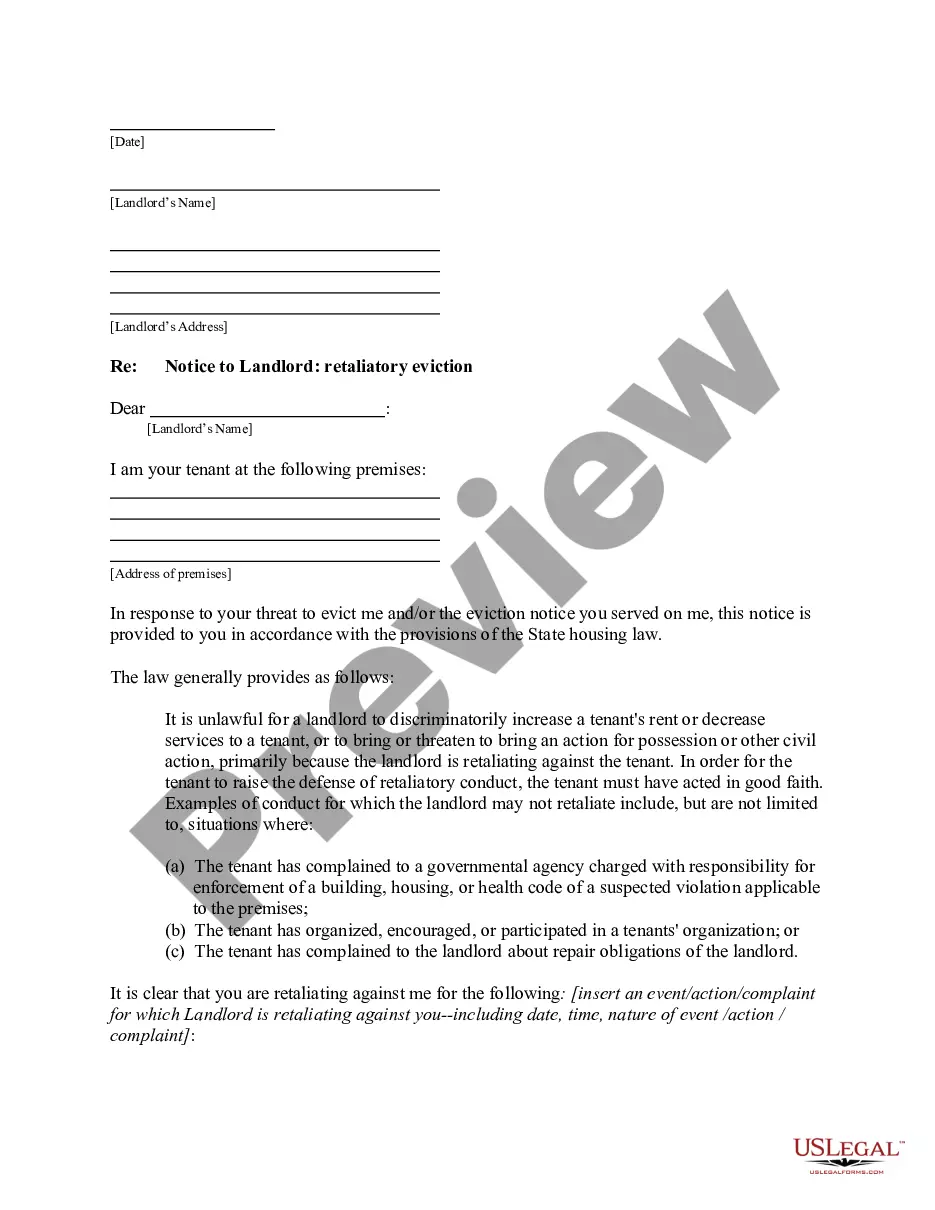
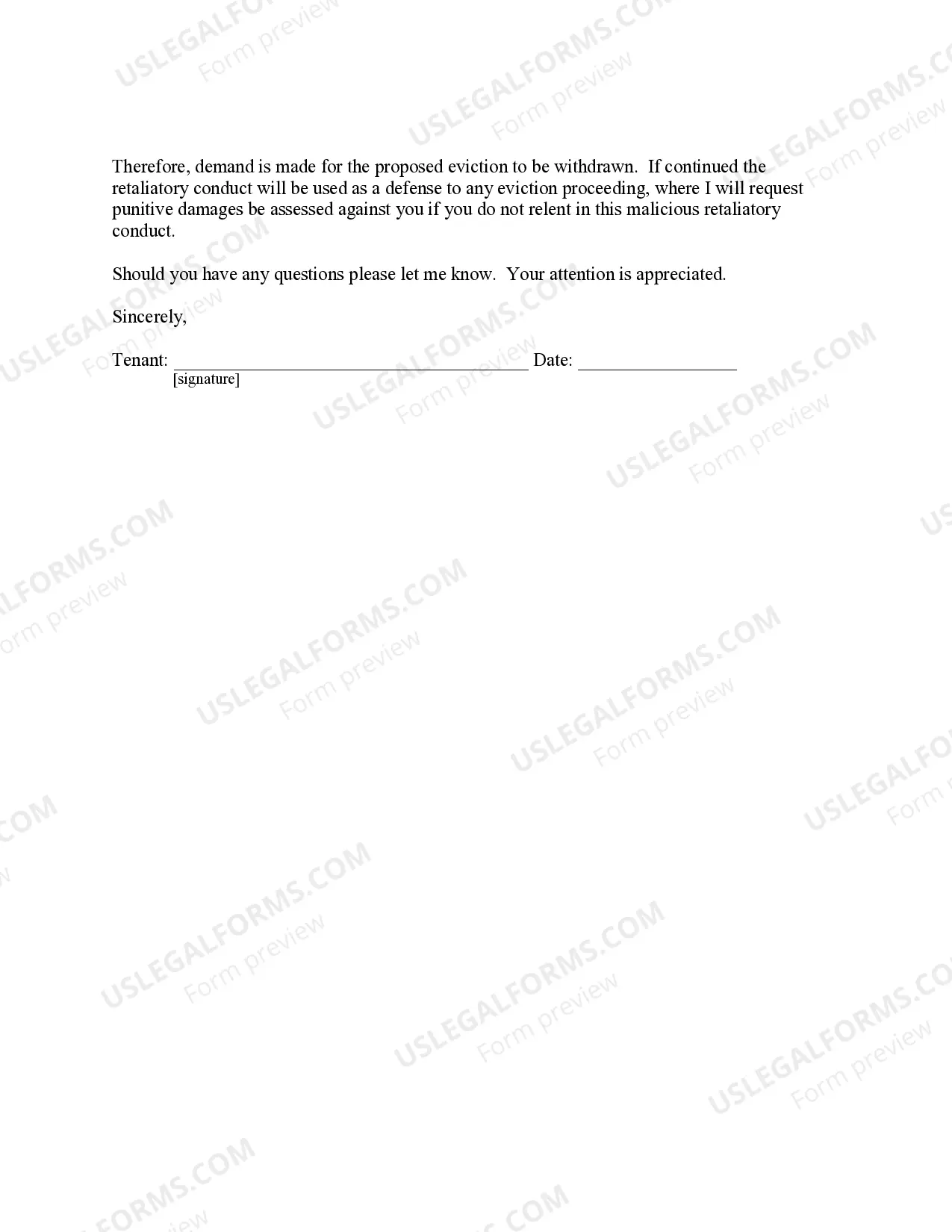
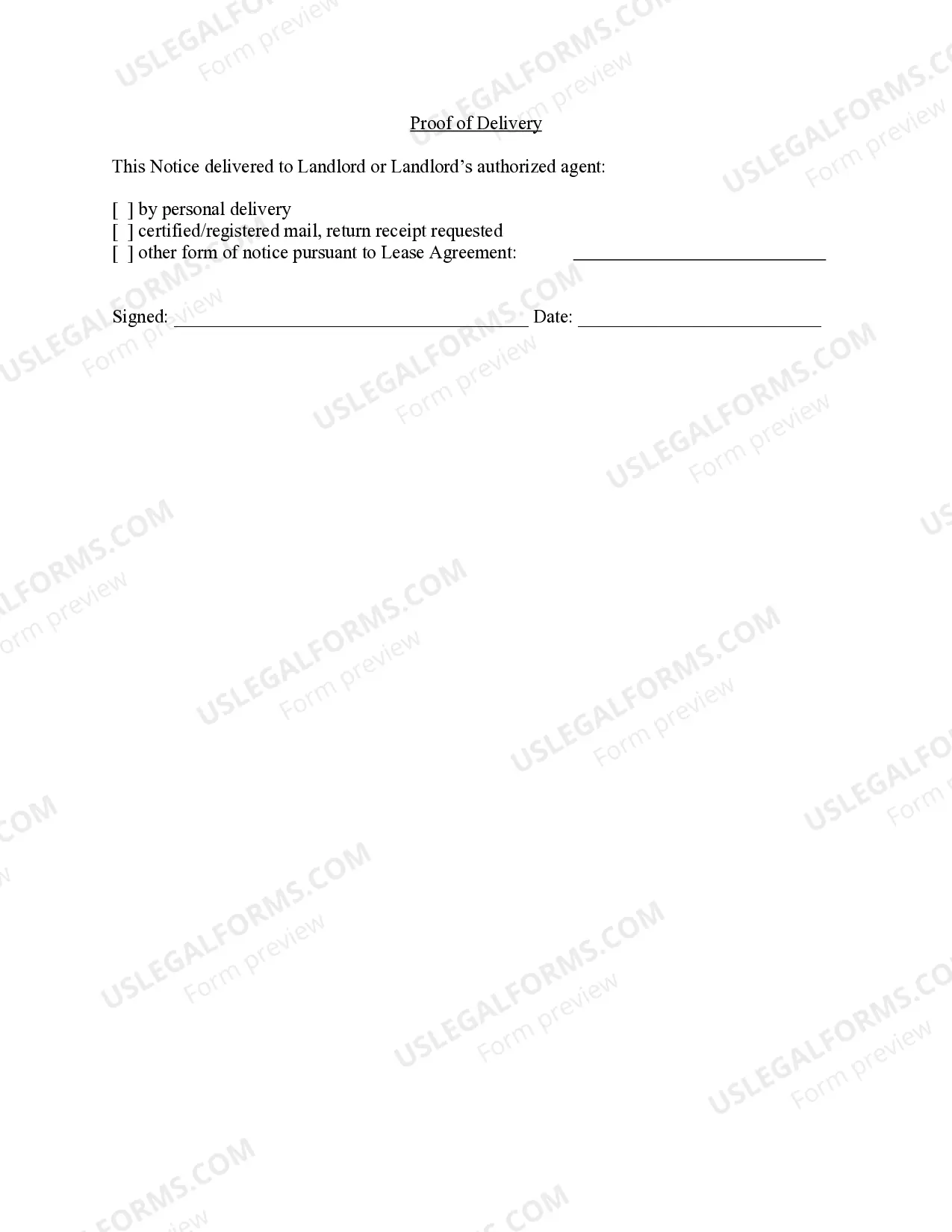
How to fill out Florida Letter From Tenant To Landlord Containing Notice To Landlord To Cease Retaliatory Threats To Evict Or Retaliatory Eviction?
Accessing legal documents that adhere to federal and local laws is essential, and the internet provides numerous choices to select from.
However, why spend time searching for the properly crafted Florida Eviction Process Timeline example online when the US Legal Forms digital library already houses such documents in one central location.
US Legal Forms is the largest online legal repository with over 85,000 fillable documents prepared by lawyers for every business and personal scenario. They are easy to navigate with all files organized by state and intended use.
All documents you find through US Legal Forms are reusable. To re-download and complete previously saved forms, access the My documents section in your account. Enjoy the most comprehensive and user-friendly legal document service!
- Our experts keep current with regulatory updates so you can trust that your documents are timely and compliant when obtaining a Florida Eviction Process Timeline from our site.
- Acquiring a Florida Eviction Process Timeline is fast and straightforward for both existing and new users.
- If you already possess an account with an active subscription, Log In and store the document sample you require in your desired format.
- If you are unfamiliar with our site, follow the steps listed below.
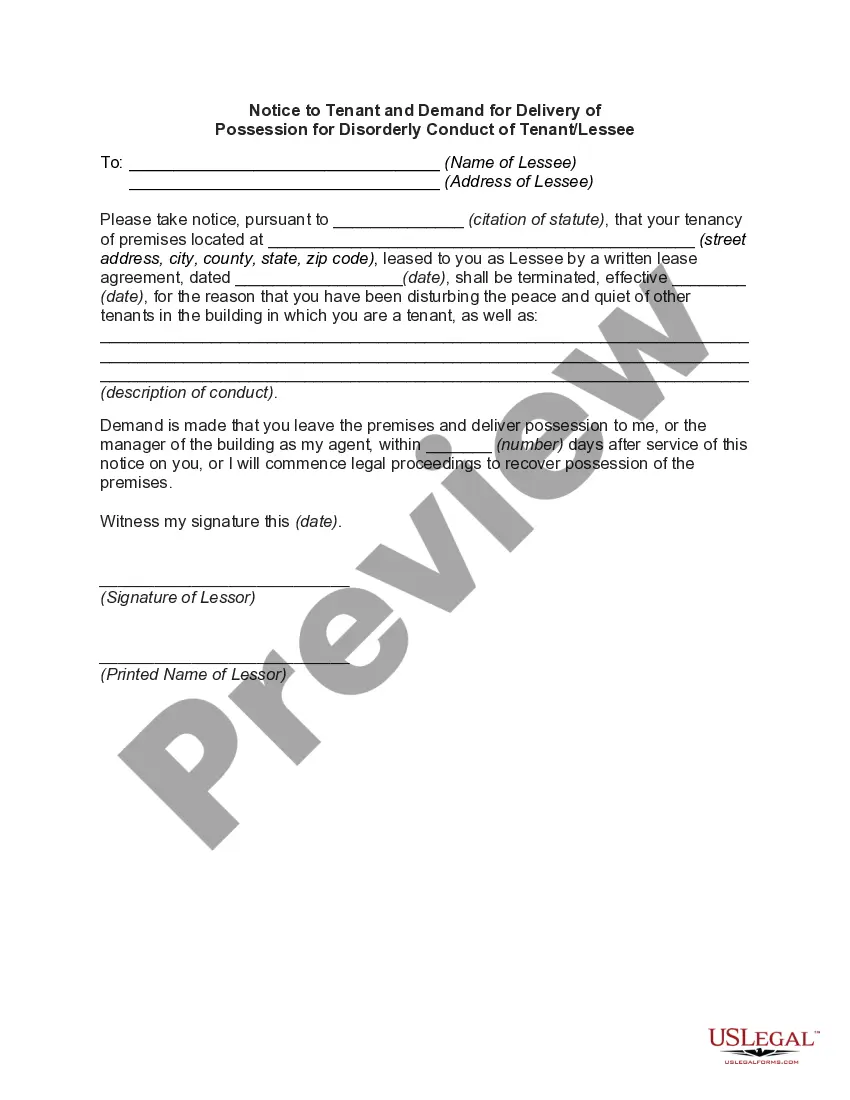
- Review the template using the Preview feature or the textual description to ensure it satisfies your requirements.
Form popularity
FAQ
To give a tenant a to vacate notice in Florida, you must deliver the notice either personally or by certified mail. Ensure that the notice specifies the reason for eviction, such as non-payment of rent, and includes a clear deadline for the tenant to vacate. Proper delivery and documentation of this process are essential; they significantly affect the overall Florida eviction process timeline and ensure your compliance with state laws. For assistance, consider using the ulegalforms platform to generate a legally compliant notice.
Writing an eviction notice in Florida involves clearly stating the reason for eviction, the amount owed, and a deadline for the tenant to respond. It's crucial to include specific details such as the address of the property and the date the notice is served. Following the proper format ensures that you adhere to legal requirements, significantly impacting the success of your eviction case within the Florida eviction process timeline.
To legally evict someone in Florida, you must follow a specific process starting with a valid eviction notice. After the notice period expires, if the tenant has not complied, you can file an eviction lawsuit in the county court. Following the court's ruling, you can arrange for law enforcement to assist in removing the tenant if necessary; this entire process is a vital component of the Florida eviction process timeline.
Florida's laws on evictions are outlined in Chapter 83 of the Florida Statutes, which provides detailed procedures regarding the eviction process. Currently, landlords must give tenants written notice before taking further legal action to ensure compliance with proper protocol. Moreover, certain temporary measures, like those that may arise during public emergencies, can affect evictions, highlighting the importance of staying informed. For a comprehensive understanding of these laws and ensuring you have the correct forms, platforms like US Legal Forms can assist you in navigating your rights and responsibilities.
In Florida, the speed of an eviction largely depends on how quickly a landlord can navigate through the legal requirements. Typically, if a tenant does not respond to the eviction notice, a landlord may have the tenant removed in as few as two to four weeks following the filing of the eviction lawsuit. However, if there are complications or if the tenant contests the eviction, the timeline can extend. Familiarizing yourself with the Florida eviction process timeline can prevent unexpected delays.
The Florida eviction process timeline can vary, but it typically takes around three to four weeks from the initiation of the eviction notice until the actual eviction. After serving the notice, landlords can file a complaint in court, and with the right documentation, a hearing is usually scheduled within about two weeks. If the eviction is approved, the court will issue a judgment, leading to a final eviction that can happen shortly thereafter. Therefore, preparing your case and having the necessary forms ready can help streamline the process.
Recent changes to eviction laws in Florida aim to streamline the eviction process and protect tenant rights. These reforms include provisions that enhance communication between landlords and tenants and clarify notice requirements. Staying updated on the Florida eviction process timeline and understanding new laws can help landlords and tenants alike comply with regulations effectively. For detailed legal insights, utilizing services like USLegalForms can be incredibly beneficial.
Currently, the duration of evictions in Florida can vary significantly based on the jurisdiction and specific circumstances of the case. Generally, the Florida eviction process timeline might take anywhere from a few weeks to several months. Factors such as court schedules, filing issues, and tenant responses can affect this timeline. For accurate information on ongoing eviction cases, consulting with legal resources is advisable.
No, in Florida, tenants generally do not have 30 days to move after receiving an eviction judgment. After the court process, if the judgment is in favor of the landlord, the tenant must leave the property promptly. Be aware of the Florida eviction process timeline to ensure that you meet all necessary deadlines and obligations. Platforms like USLegalForms can provide useful resources to help tenants understand their rights and responsibilities.
The eviction process in Florida involves several crucial steps. First, a landlord must provide the correct notice to the tenant, depending on the reason for eviction. After the notice period ends, if the tenant has not vacated, the landlord can file for eviction in court. Understanding the complete Florida eviction process timeline can help both parties navigate through these steps efficiently.