Tenant Rights For Parking
Description
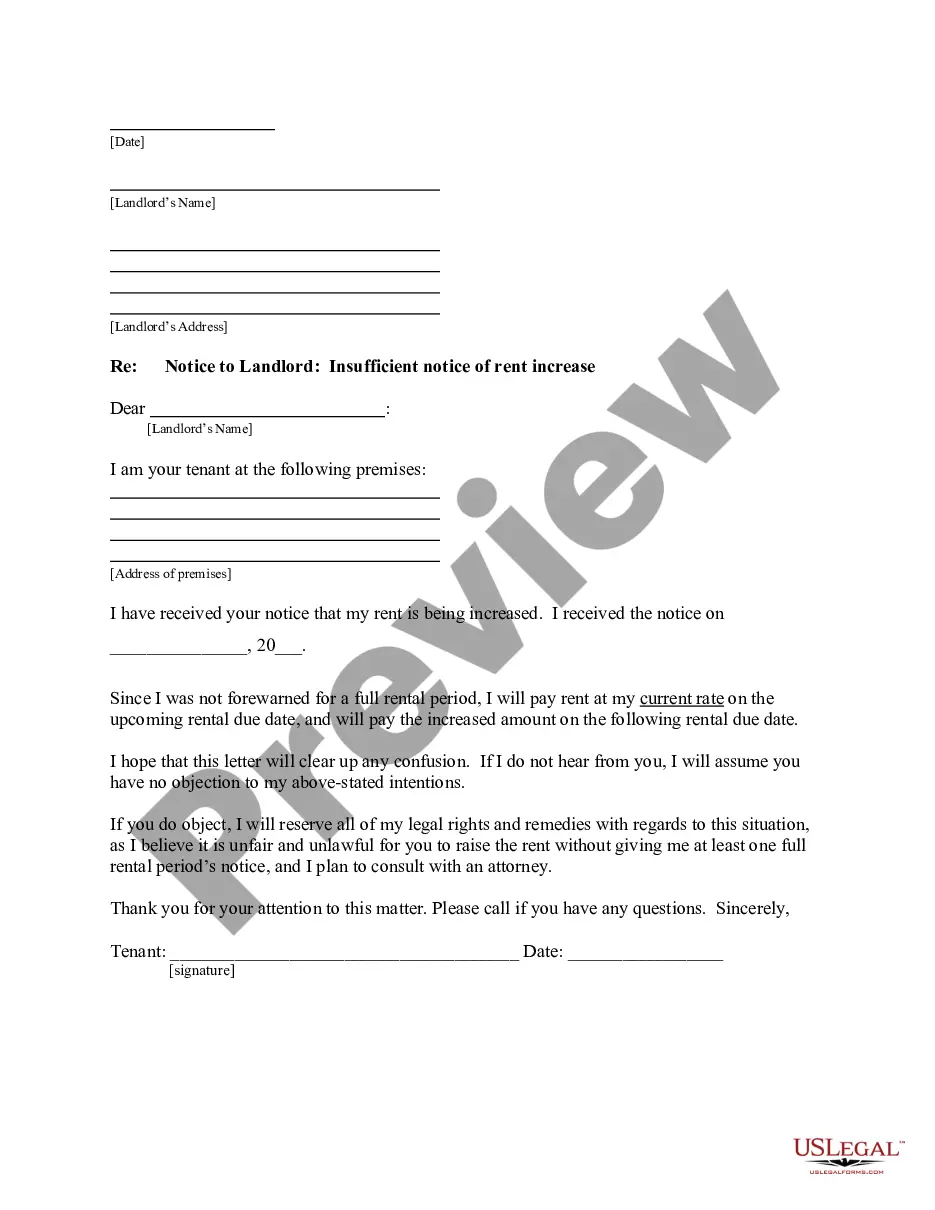

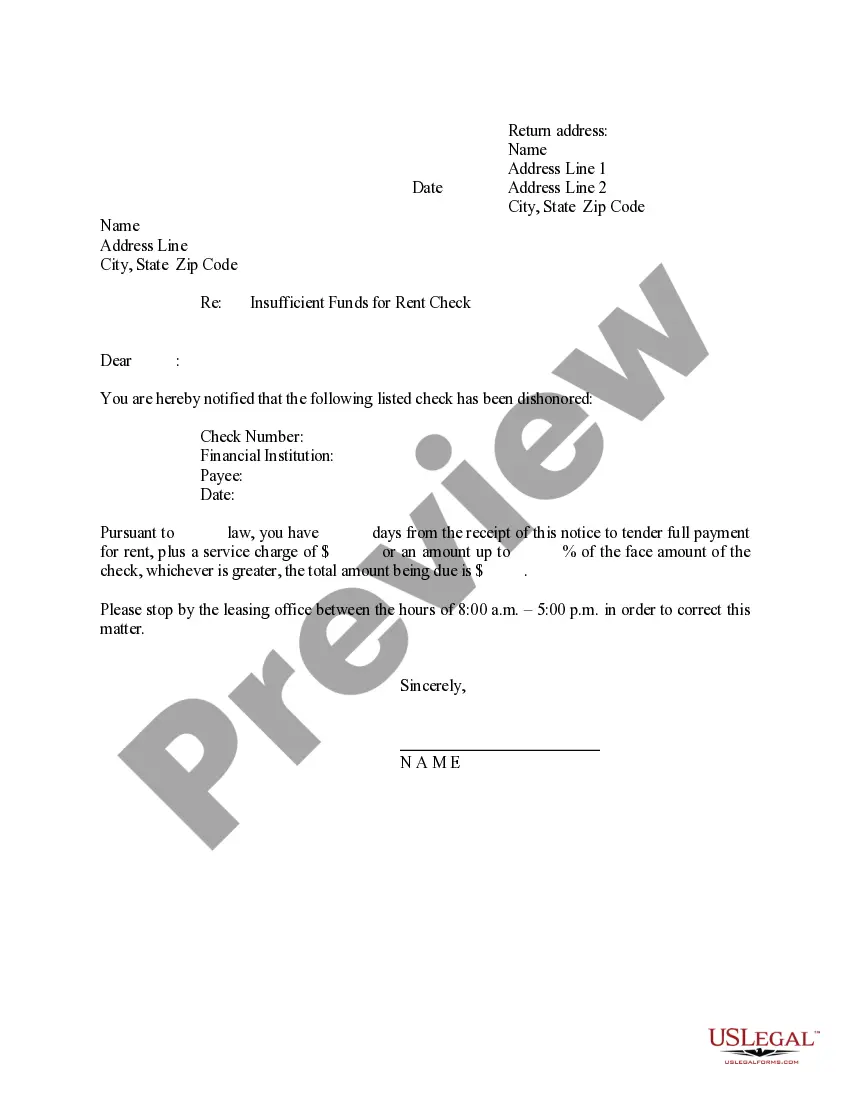
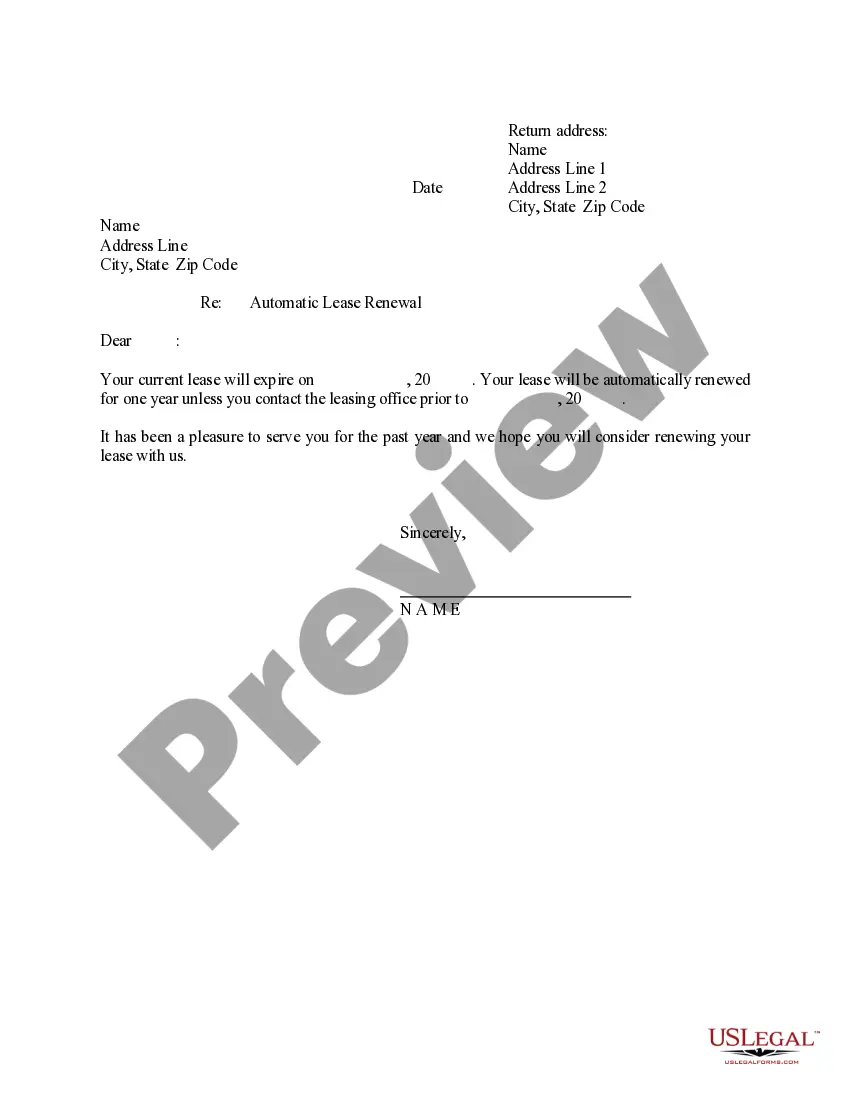
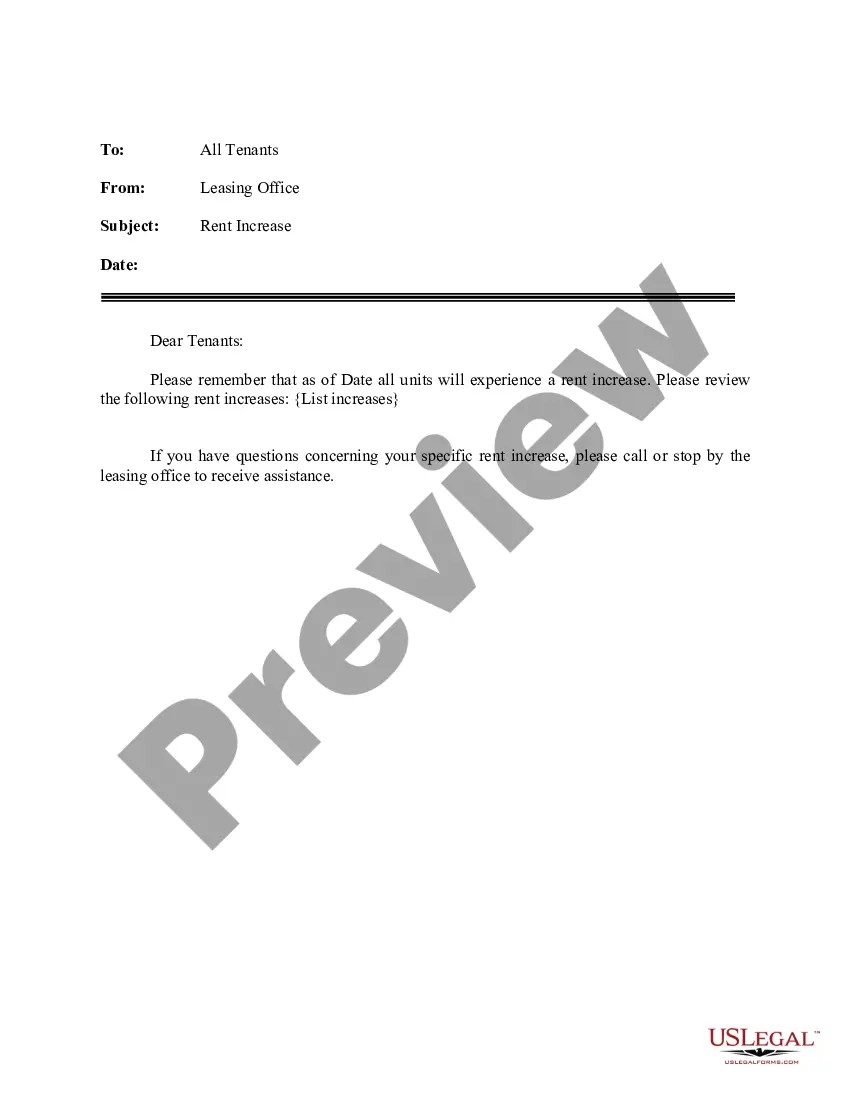

Get your form ready online
Our built-in tools help you complete, sign, share, and store your documents in one place.
Make edits, fill in missing information, and update formatting in US Legal Forms—just like you would in MS Word.
Download a copy, print it, send it by email, or mail it via USPS—whatever works best for your next step.
Sign and collect signatures with our SignNow integration. Send to multiple recipients, set reminders, and more. Go Premium to unlock E-Sign.
If this form requires notarization, complete it online through a secure video call—no need to meet a notary in person or wait for an appointment.
We protect your documents and personal data by following strict security and privacy standards.

Make edits, fill in missing information, and update formatting in US Legal Forms—just like you would in MS Word.

Download a copy, print it, send it by email, or mail it via USPS—whatever works best for your next step.

Sign and collect signatures with our SignNow integration. Send to multiple recipients, set reminders, and more. Go Premium to unlock E-Sign.

If this form requires notarization, complete it online through a secure video call—no need to meet a notary in person or wait for an appointment.

We protect your documents and personal data by following strict security and privacy standards.
Looking for another form?









How to fill out Florida Letter From Tenant To Landlord About Insufficient Notice Of Rent Increase?
- Visit the US Legal Forms website and log in to your account if you're a returning user. Ensure your subscription is active; renew if necessary.
- For new users, begin by previewing the form library. Look through the available templates to find one related to tenant rights for parking, ensuring it meets your local jurisdiction criteria.
- Use the search feature if you cannot find the required document initially. Searching may help you discover more relevant templates suited to your needs.
- Once you find the right form, click the 'Buy Now' button, where you'll select your preferred subscription plan and create your account to access our full library.
- Complete your purchase by entering your payment details or using PayPal for convenience.
- After purchasing, download your chosen form to your device, ensuring you can easily complete it. Access it anytime in the 'My Forms' section of your profile.
In summary, navigating tenant rights for parking is simplified with US Legal Forms. Our extensive library of over 85,000 legal documents ensures you find what you need, whether you are a tenant or a landlord. You can also consult our premium experts for additional assistance in completing forms accurately.
Explore US Legal Forms today and protect your rights seamlessly!
Form popularity
FAQ
When communicating with your landlord, avoid making accusatory or aggressive statements, as this may escalate tensions. Instead, focus on expressing your concerns clearly and respectfully, especially regarding issues like tenant rights for parking. It’s wise to document your conversations for future reference. Keeping things professional can foster a better relationship and lead to quicker resolutions.
As a tenant in New York, you have several rights, including the right to a habitable living environment, the right to privacy, and the right to not face discrimination. Moreover, your tenant rights for parking include having access to any parking areas specified in your lease. Familiarizing yourself with these rights can empower you to advocate effectively for yourself.
If you have issues with your landlord related to tenant rights for parking or other unlawful practices, you can report them to the New York State Division of Housing and Community Renewal (DHCR). This agency handles tenant complaints and can provide guidance on your rights. Additionally, local housing authorities and tenant unions can offer support and resources if you face challenges.
In New York, a landlord cannot discriminate against tenants based on race, gender, religion, or other protected categories. Additionally, landlords cannot engage in actions like eviction without proper notice or retaliating against tenants for asserting their tenant rights for parking or otherwise. It's essential for tenants to know their rights and report any illegal actions to the appropriate authorities.
Residents parking only refers to parking areas reserved exclusively for the use of residents living within a particular complex or community. This designation aims to prevent unauthorized parking by non-residents, ensuring that those who live there have space to park their vehicles. Understanding tenant rights for parking in these situations can help residents secure their parking privileges effectively.
In Minnesota, tenants have several rights, including the right to safe and habitable housing and the right to adequate notice for eviction or lease termination. This includes protections surrounding tenant rights for parking, such as access to designated parking spots as outlined in rental agreements. It’s beneficial for tenants to familiarize themselves with these rights to ensure they receive fair treatment.
A parking only sign typically designates an area where only certain vehicles may park, often for tenants, staff, or visitors of a particular location. Such signs help maintain order and ensure that designated spaces are used correctly. Understanding tenant rights for parking can clarify who is allowed to use these spaces and under what conditions.
Tenant parking refers to designated parking spaces specifically set aside for individuals who lease or rent a property. These spaces are meant to ensure that tenants have convenient access to their vehicles while living in an apartment or rental property. It's essential to understand tenant rights for parking to avoid any disputes regarding these provisions.
A landlord is generally not responsible for issues arising from tenant negligence, such as damage to personal property or unauthorized vehicles. They may also not be liable for parking space availability if it is clearly stated in the lease. Understanding the limits of a landlord's responsibility can help you navigate disputes about tenant rights for parking more effectively.
To address apartment parking issues, start by reviewing your lease for specific parking policies and rules. Communicate directly with your landlord about any concerns you have regarding parking space availability. If necessary, document the issue and utilize resources like US Legal Forms to understand your tenant rights for parking.