Tenant About Rent With A Room
Description

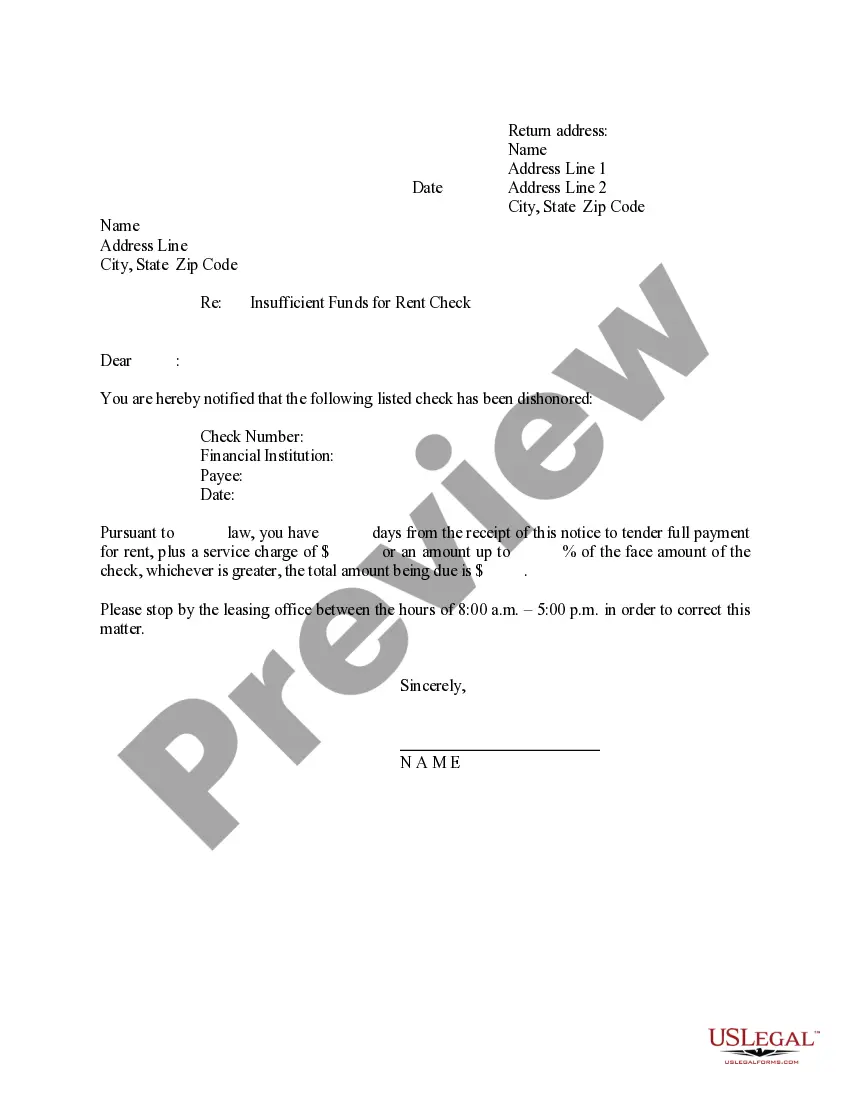
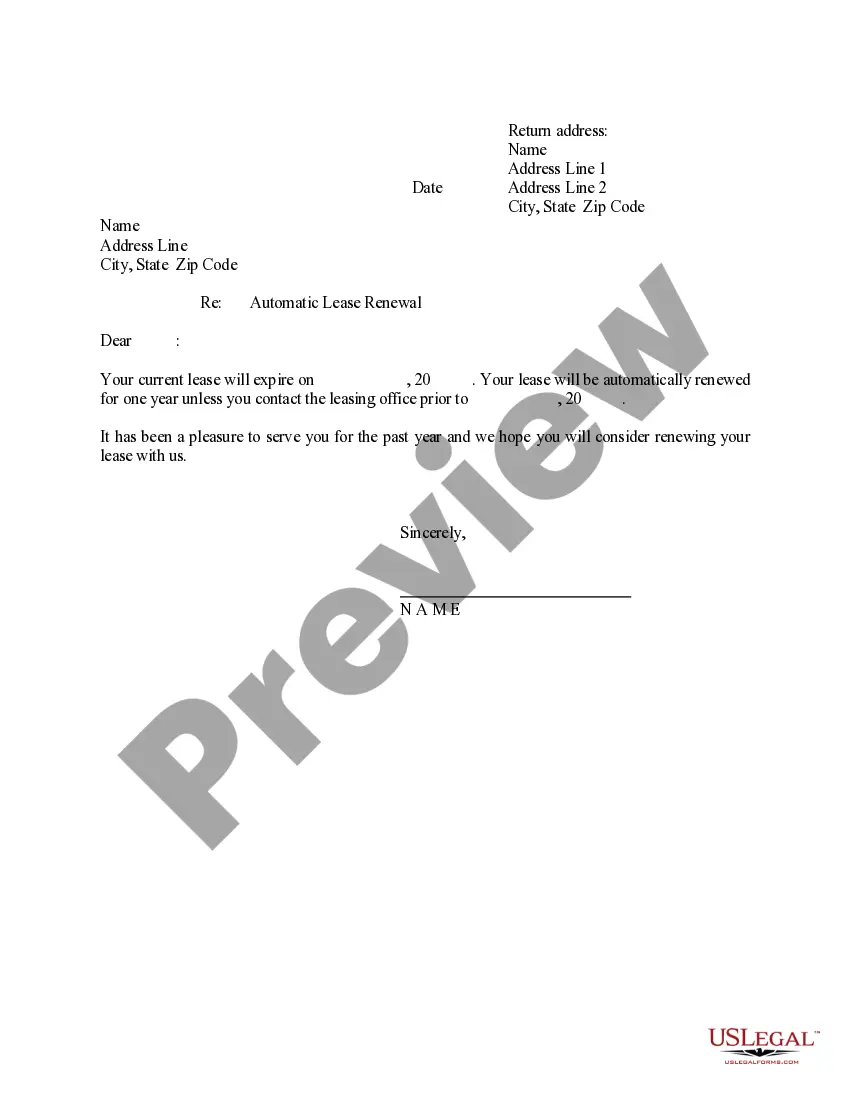
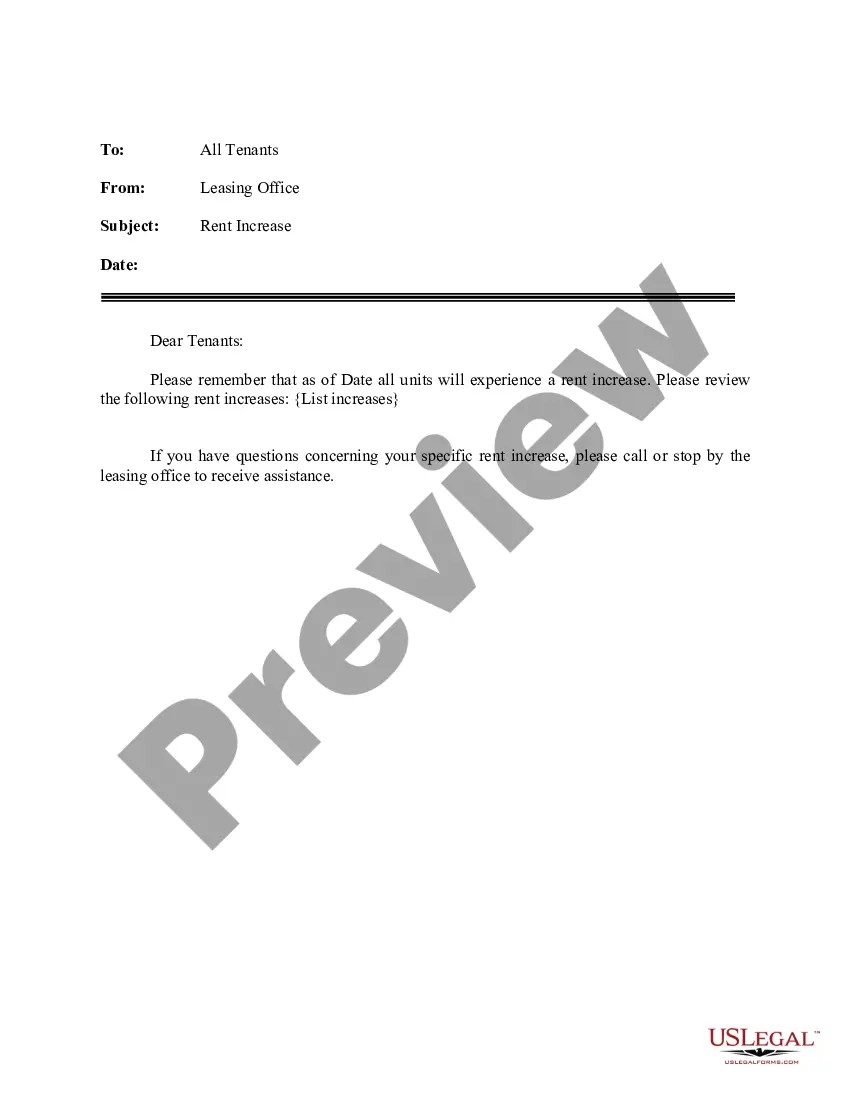
Get your form ready online
Our built-in tools help you complete, sign, share, and store your documents in one place.
Make edits, fill in missing information, and update formatting in US Legal Forms—just like you would in MS Word.
Download a copy, print it, send it by email, or mail it via USPS—whatever works best for your next step.
Sign and collect signatures with our SignNow integration. Send to multiple recipients, set reminders, and more. Go Premium to unlock E-Sign.
If this form requires notarization, complete it online through a secure video call—no need to meet a notary in person or wait for an appointment.
We protect your documents and personal data by following strict security and privacy standards.

Make edits, fill in missing information, and update formatting in US Legal Forms—just like you would in MS Word.

Download a copy, print it, send it by email, or mail it via USPS—whatever works best for your next step.

Sign and collect signatures with our SignNow integration. Send to multiple recipients, set reminders, and more. Go Premium to unlock E-Sign.

If this form requires notarization, complete it online through a secure video call—no need to meet a notary in person or wait for an appointment.

We protect your documents and personal data by following strict security and privacy standards.
Looking for another form?


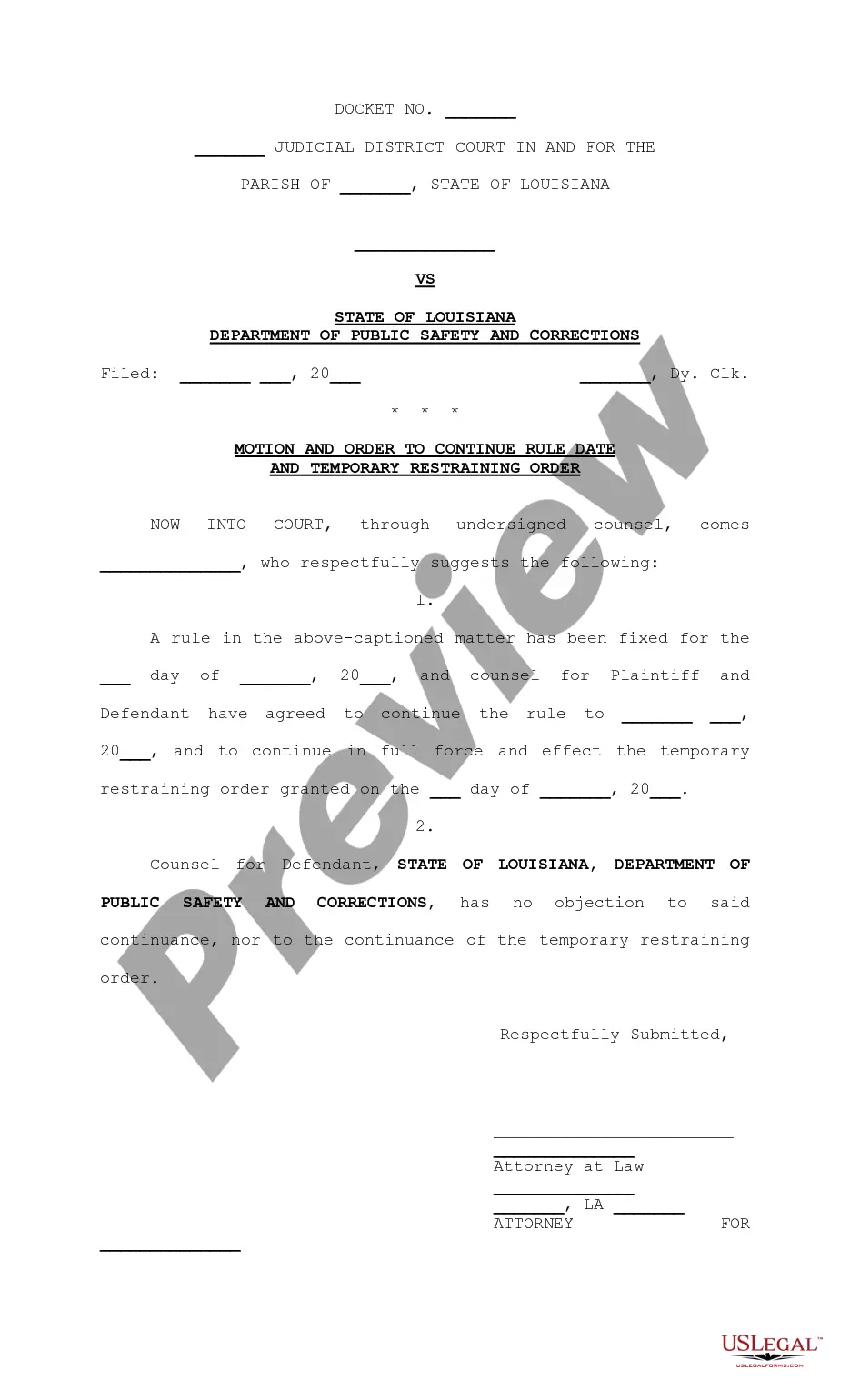





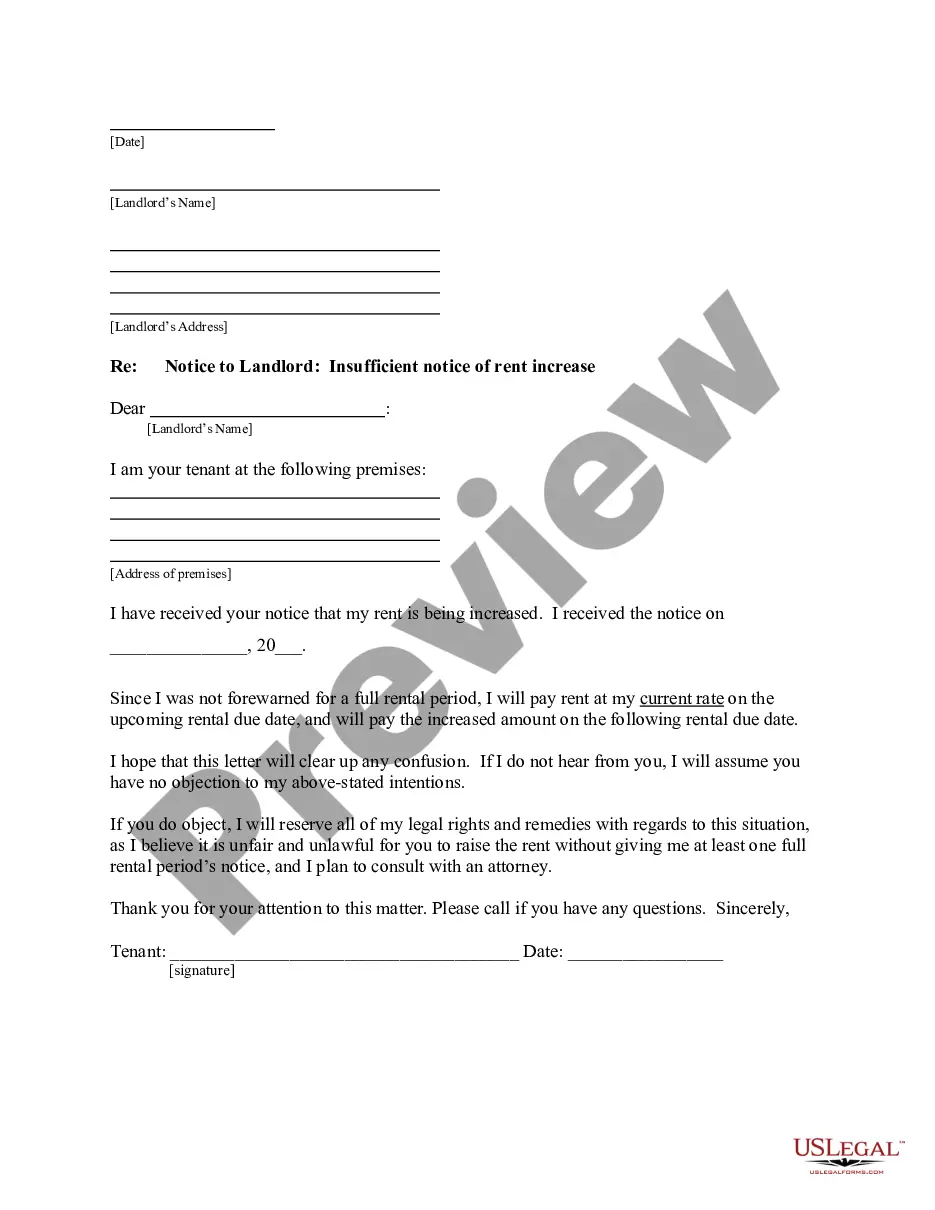
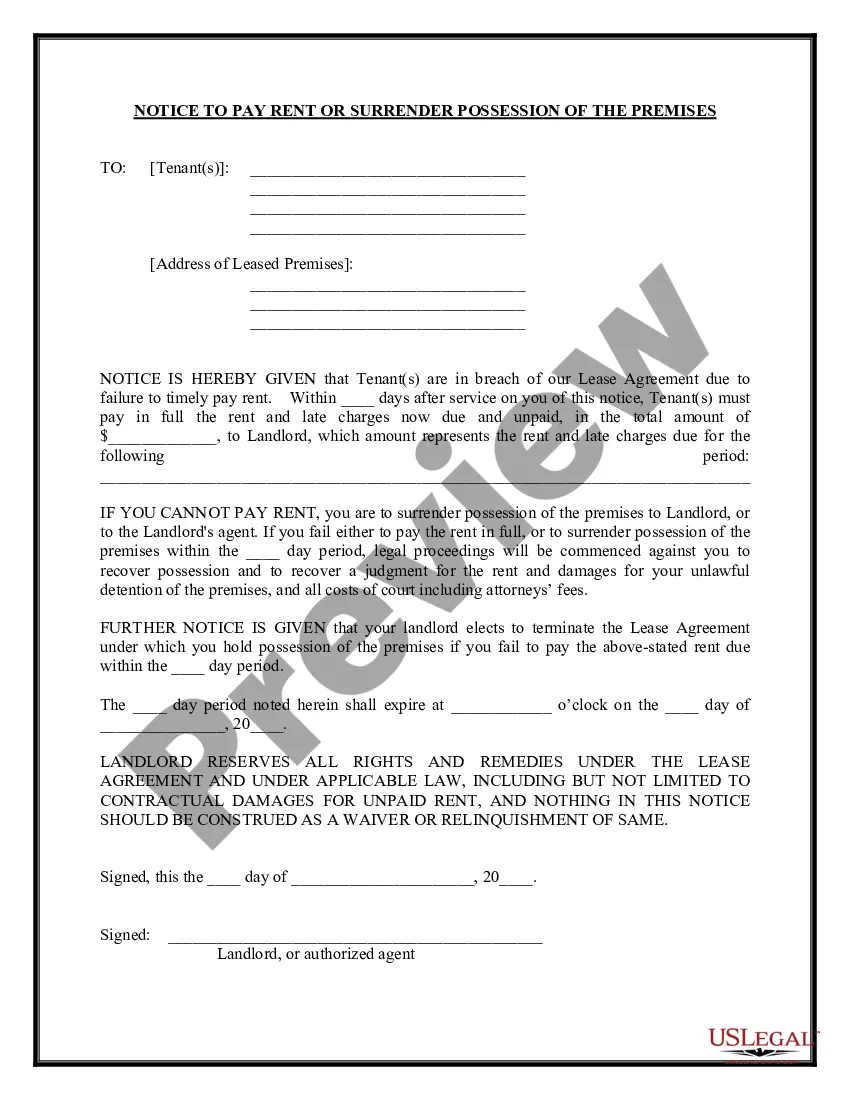
How to fill out Florida Letter From Tenant To Landlord About Insufficient Notice Of Rent Increase?
- Log in to your existing US Legal Forms account if you've previously used the service. Ensure your subscription is active; if not, renew it as required.
- If you are a new user, start by checking the Preview mode of your desired form to confirm its relevance to your specific situation and local laws.
- Use the Search tab to find alternative templates if necessary, making sure that the selected form meets your needs.
- Select the document you need by clicking on the Buy Now button, then choose your preferred subscription plan. You’ll need to create an account for full access.
- Finalize your purchase by entering your payment details through either credit card or PayPal.
- Download your completed document directly to your device, and you'll find it anytime under the My Forms section in your profile.
In conclusion, US Legal Forms provides a user-friendly platform for acquiring the necessary documents for renting. Their extensive library and professional assistance make the process seamless. Take control of your rental journey today by accessing top-notch legal forms!
Visit US Legal Forms now to get started.
Form popularity
FAQ
Yes, by renting out a room, you become a landlord of that specific space. This role comes with responsibilities, including maintaining the property and adhering to local landlord-tenant laws. It's essential to understand your rights and obligations as a landlord, especially when it relates to tenants about rent with a room. Resources like USLegalForms can help you manage your rental agreements and legal requirements.
Yes, you may be eligible to write off certain expenses related to renting a room in your house. Expenses such as repairs, maintenance, and utilities may qualify as deductions. The key is to keep accurate records of your rental income and related expenses. Platforms like USLegalForms can assist you in navigating the complexities of tax regulations related to being a tenant about rent with a room.
A rental property is any real estate that is leased to tenants for habitation. This includes single-family homes, duplexes, apartments, and rooms rented in a residential property. It's important to note that if you are receiving income by renting out a room, that portion of your home can also be classified as a rental property. The distinction is essential for tax purposes and legal obligations as a tenant about rent with a room.
Yes, if you rent out a room, you may need to report your income from the rental on your tax return. The IRS requires that you declare any rental income, even if it is just a room in your house. Additionally, specific local laws and regulations may dictate reporting requirements for renting out a room. Always consult with a tax professional to understand your obligations as a tenant about rent with a room.
Renting out a room is typically legal, but it depends on your local laws and the terms of your mortgage or lease agreement. It's crucial to ensure you have the legal right to rent before proceeding. Using resources like uslegalforms can help you create the necessary rental agreements and clarify your rights as a landlord, making the process smoother for everyone involved.
Yes, it is generally legal to rent a room in New York, but there are specific regulations you must follow. Landlords often need to comply with local zoning laws and have a valid lease agreement with tenants. To navigate these regulations confidently, you can rely on uslegalforms, which provide essential documents tailored for renting rooms in New York.
Finding a tenant to rent a room can be straightforward if you take the right steps. Start by advertising your available room on popular rental websites and social media platforms. Be clear about your expectations, such as rental terms and house rules, to attract suitable tenants. Additionally, consider using uslegalforms to streamline the rental process, ensuring that your agreements are legally sound.
Renting out your living room can be legal, but it depends on your lease agreement and local regulations. Some leases prohibit renters from subletting without permission, while others may have specific clauses about shared spaces. You should communicate with your landlord and check your local laws before proceeding. For more insights, US Legal Forms offers resources to help clarify your options as a tenant about rent with a room.
When a renter rents out a room, it's commonly known as subleasing or subletting. In this case, the original tenant remains responsible for the lease while allowing another individual to occupy part of the property. This arrangement can benefit both parties if managed properly, but it's essential to have a clear agreement to avoid misunderstandings. The US Legal Forms platform provides forms and templates to assist in creating a subleasing agreement.
When you rent out a room in your house, it is often referred to as subletting or renting out a spare room. This arrangement allows you to earn extra income while sharing your living space. Be sure to consider your lease agreement and any local laws governing such arrangements, as they can impact your rights and responsibilities as a tenant about rent with a room.