County Court Cause List
Description
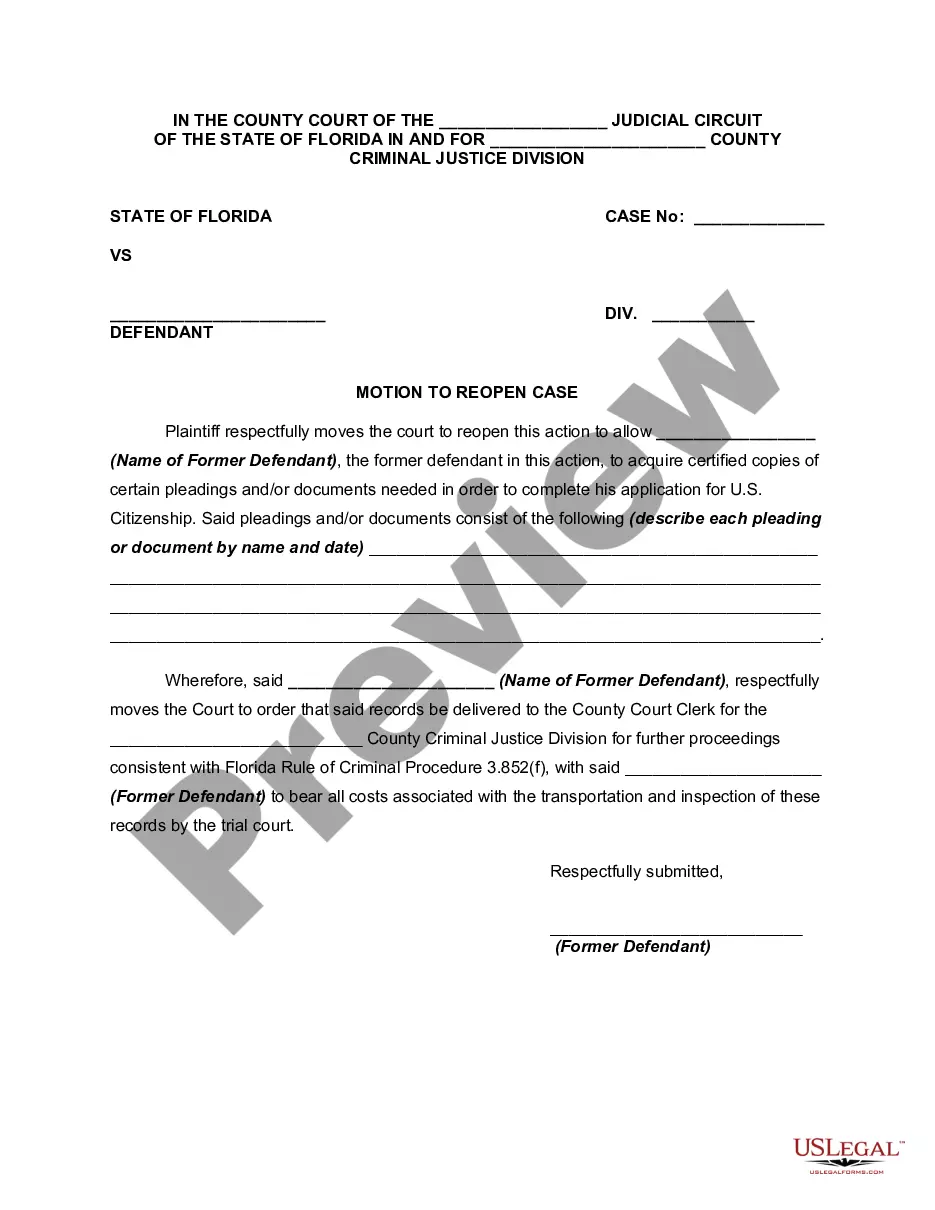
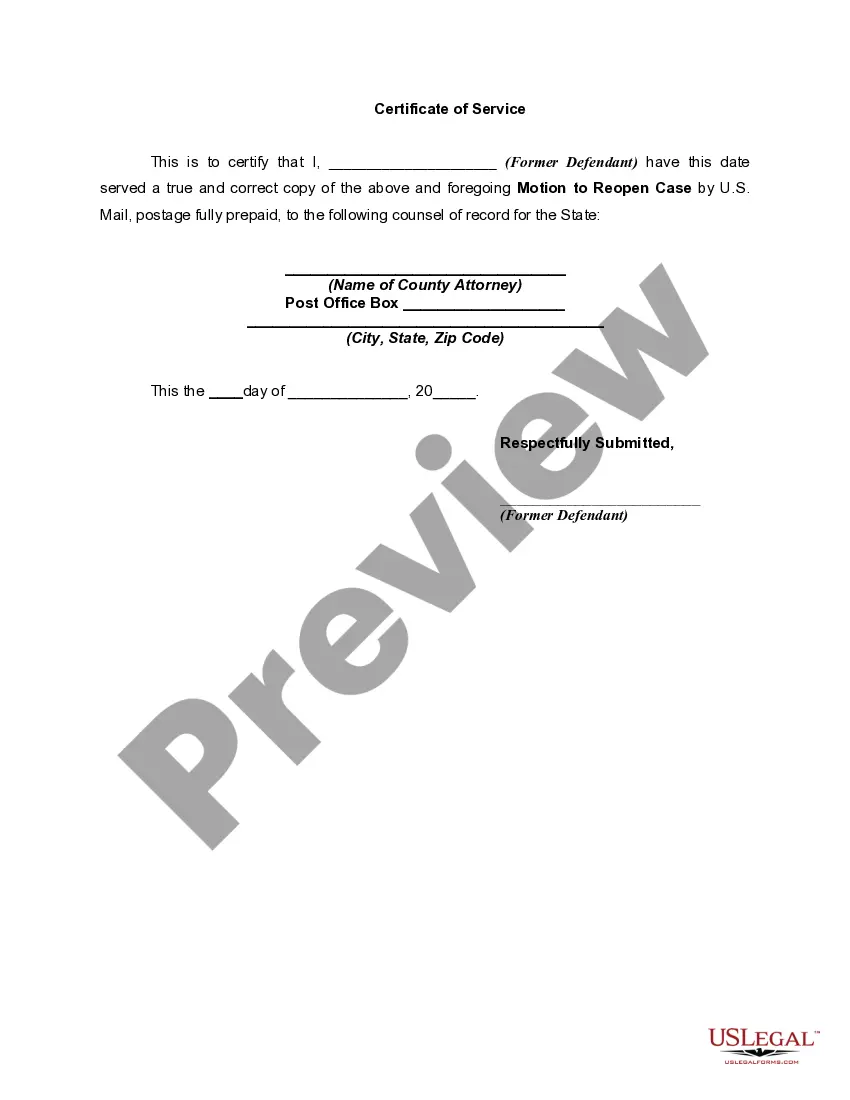
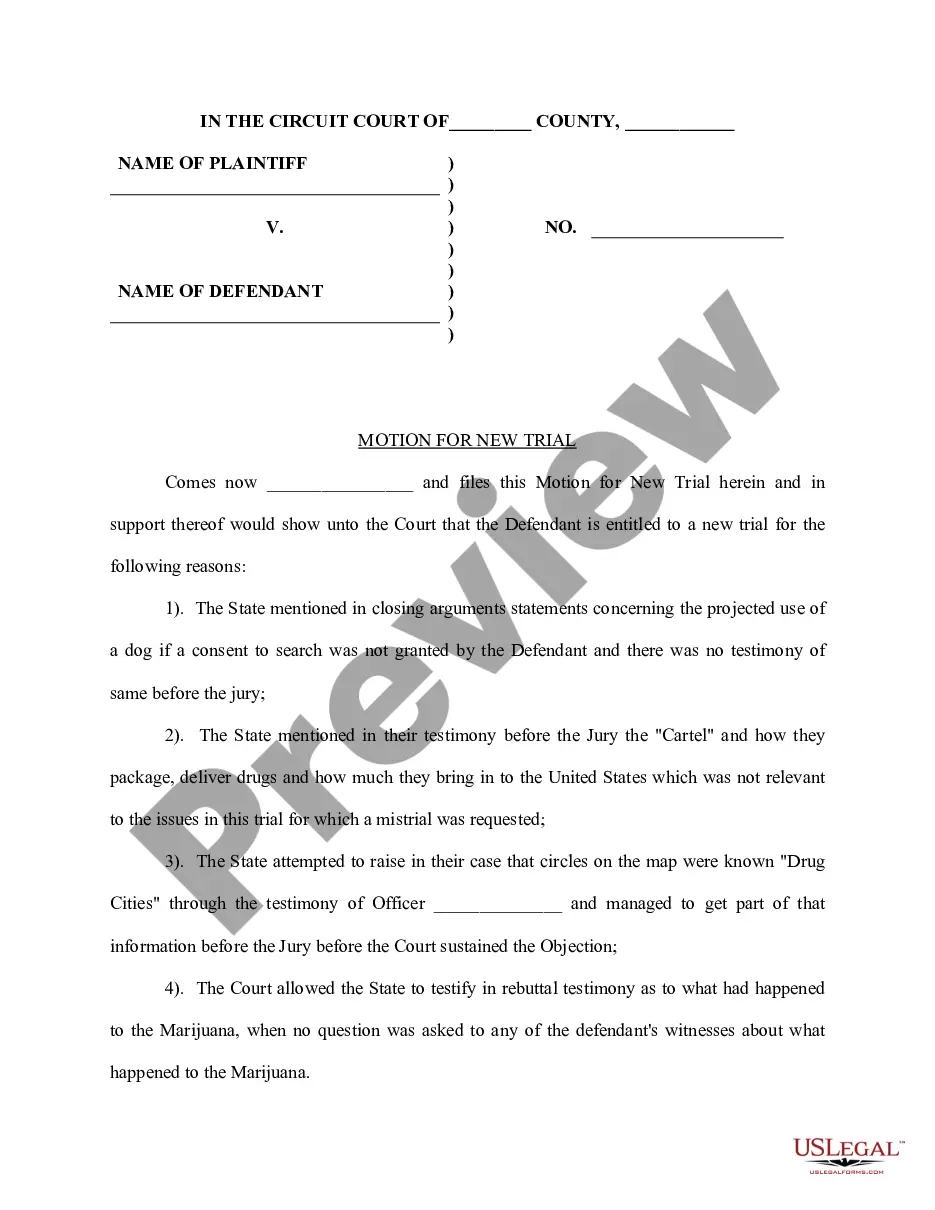
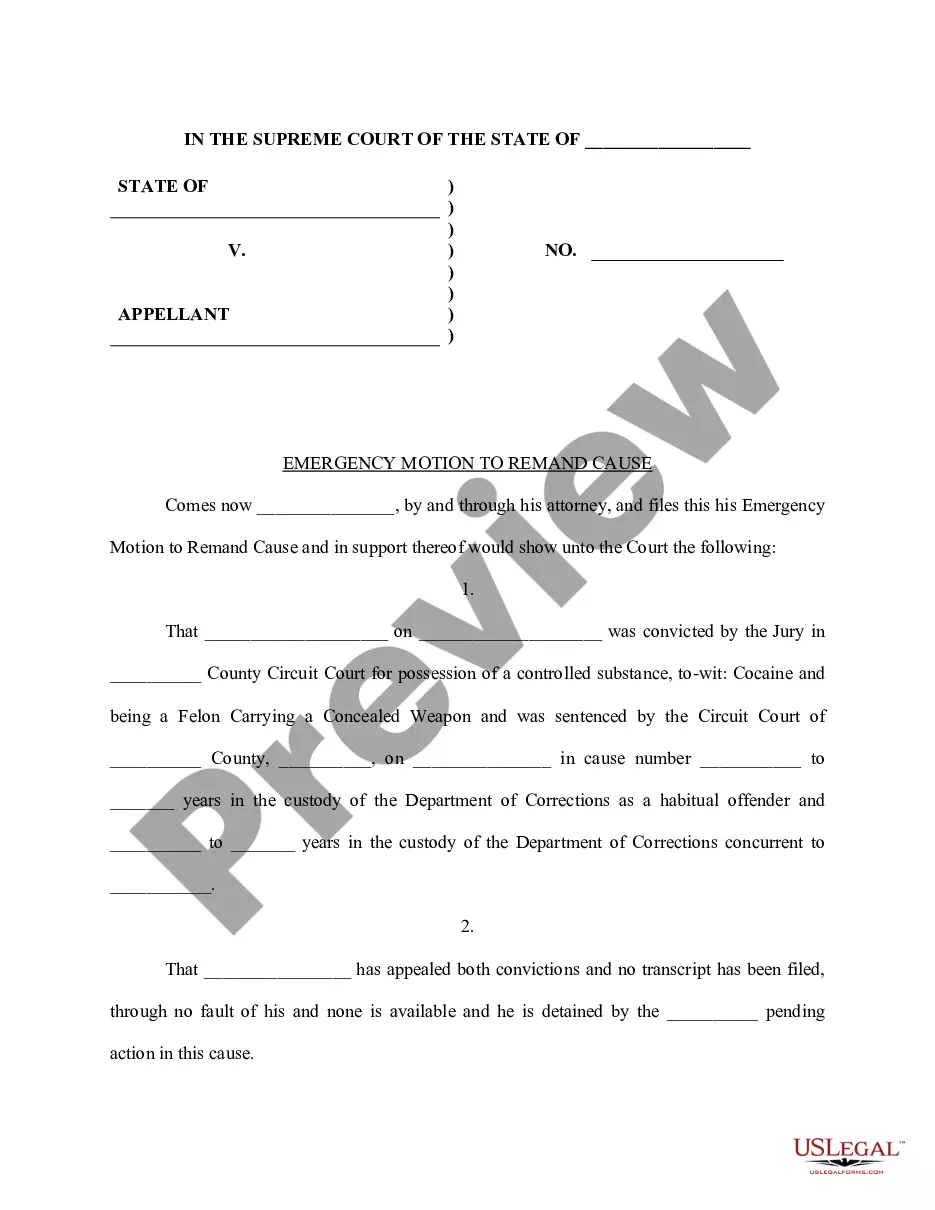
Get your form ready online
Our built-in tools help you complete, sign, share, and store your documents in one place.
Make edits, fill in missing information, and update formatting in US Legal Forms—just like you would in MS Word.
Download a copy, print it, send it by email, or mail it via USPS—whatever works best for your next step.
Sign and collect signatures with our SignNow integration. Send to multiple recipients, set reminders, and more. Go Premium to unlock E-Sign.
If this form requires notarization, complete it online through a secure video call—no need to meet a notary in person or wait for an appointment.
We protect your documents and personal data by following strict security and privacy standards.

Make edits, fill in missing information, and update formatting in US Legal Forms—just like you would in MS Word.

Download a copy, print it, send it by email, or mail it via USPS—whatever works best for your next step.

Sign and collect signatures with our SignNow integration. Send to multiple recipients, set reminders, and more. Go Premium to unlock E-Sign.

If this form requires notarization, complete it online through a secure video call—no need to meet a notary in person or wait for an appointment.

We protect your documents and personal data by following strict security and privacy standards.
Looking for another form?
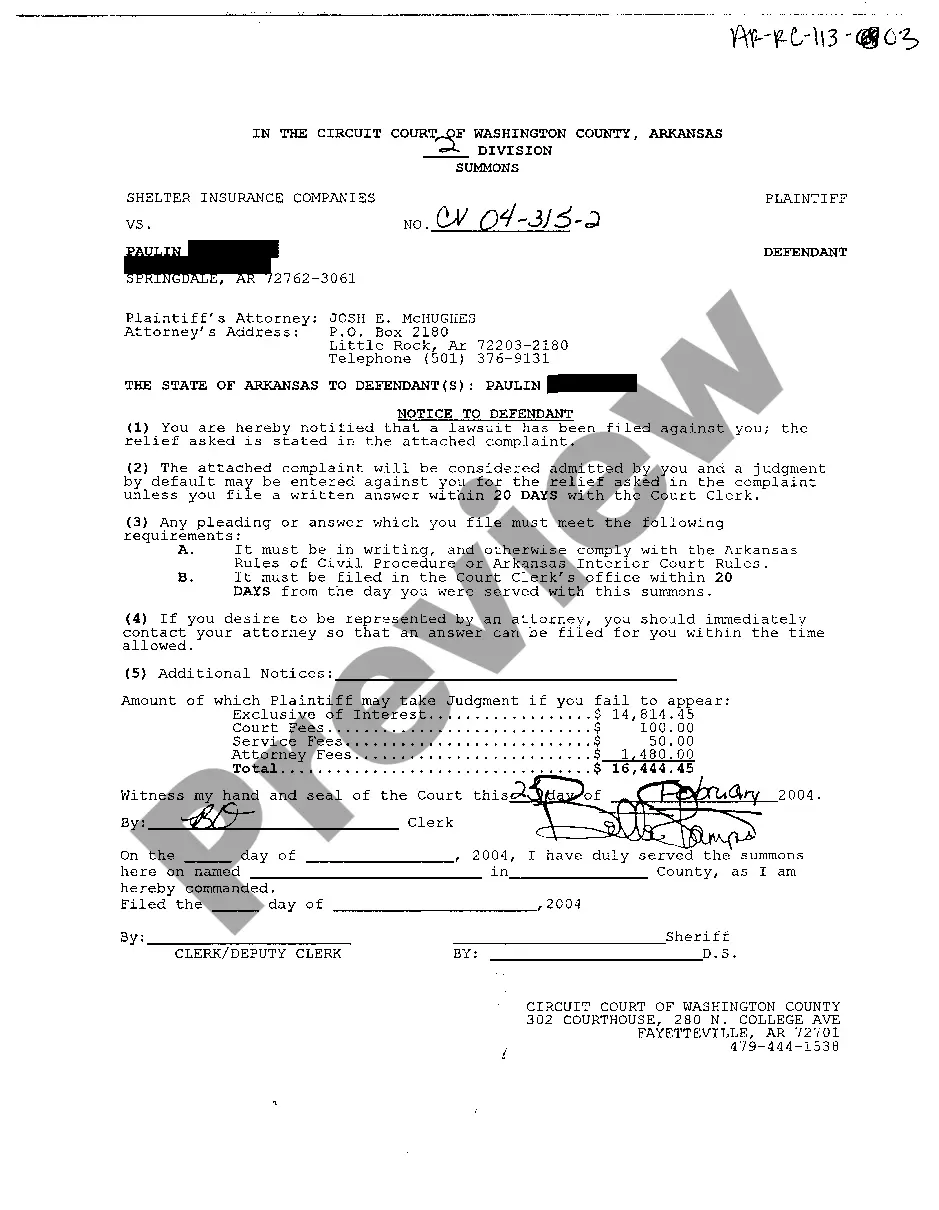
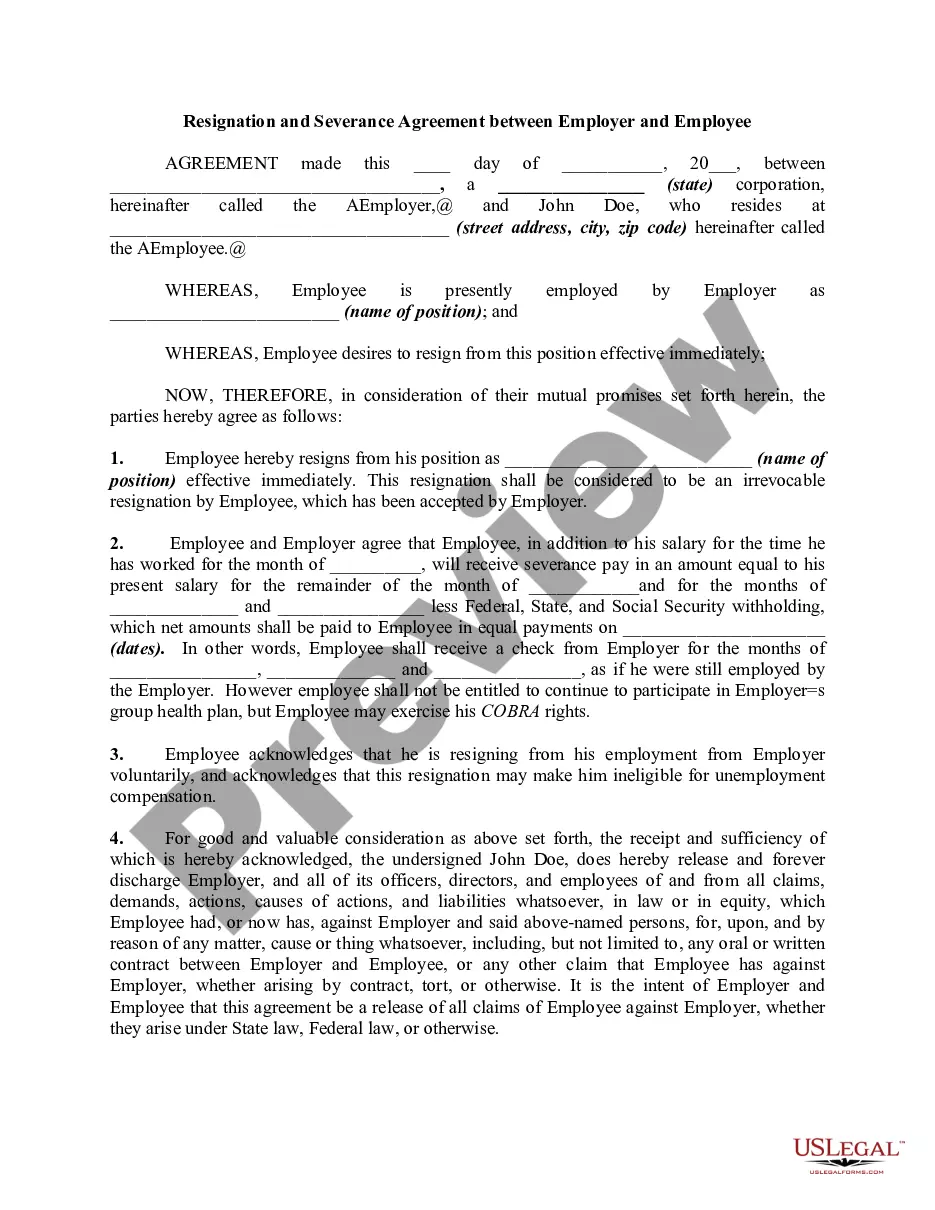
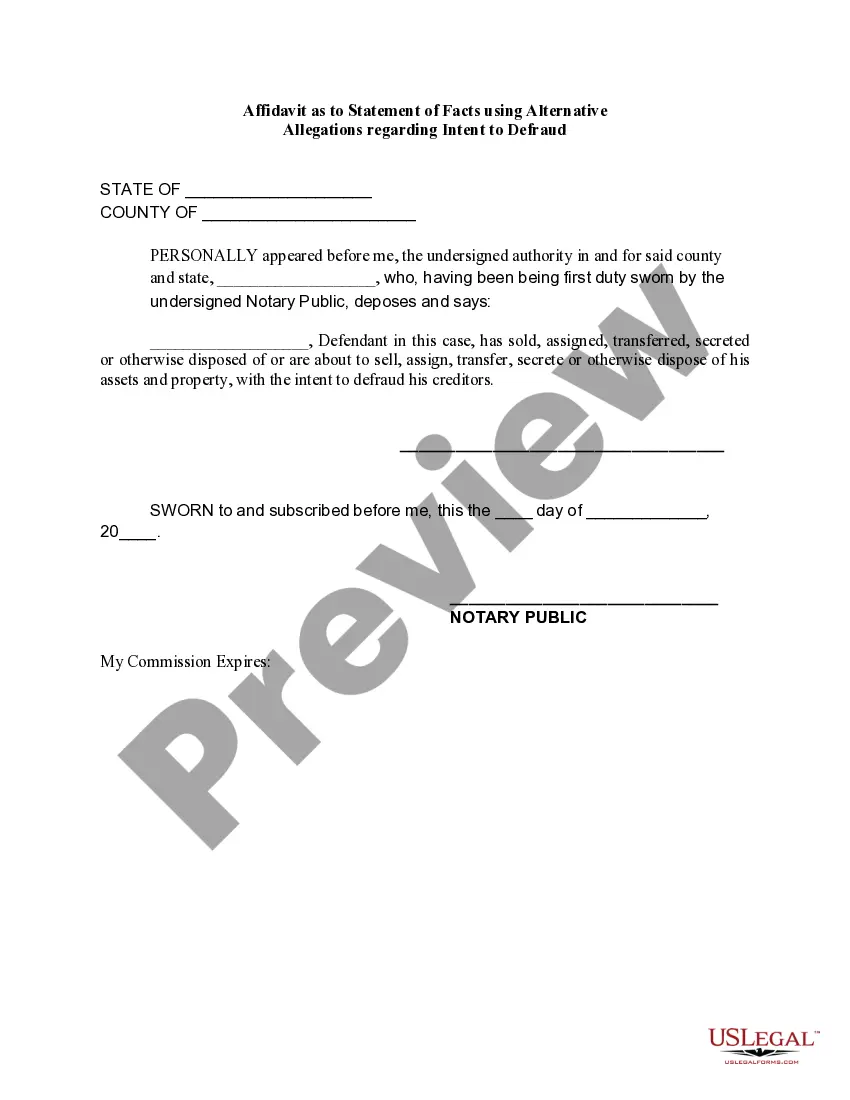
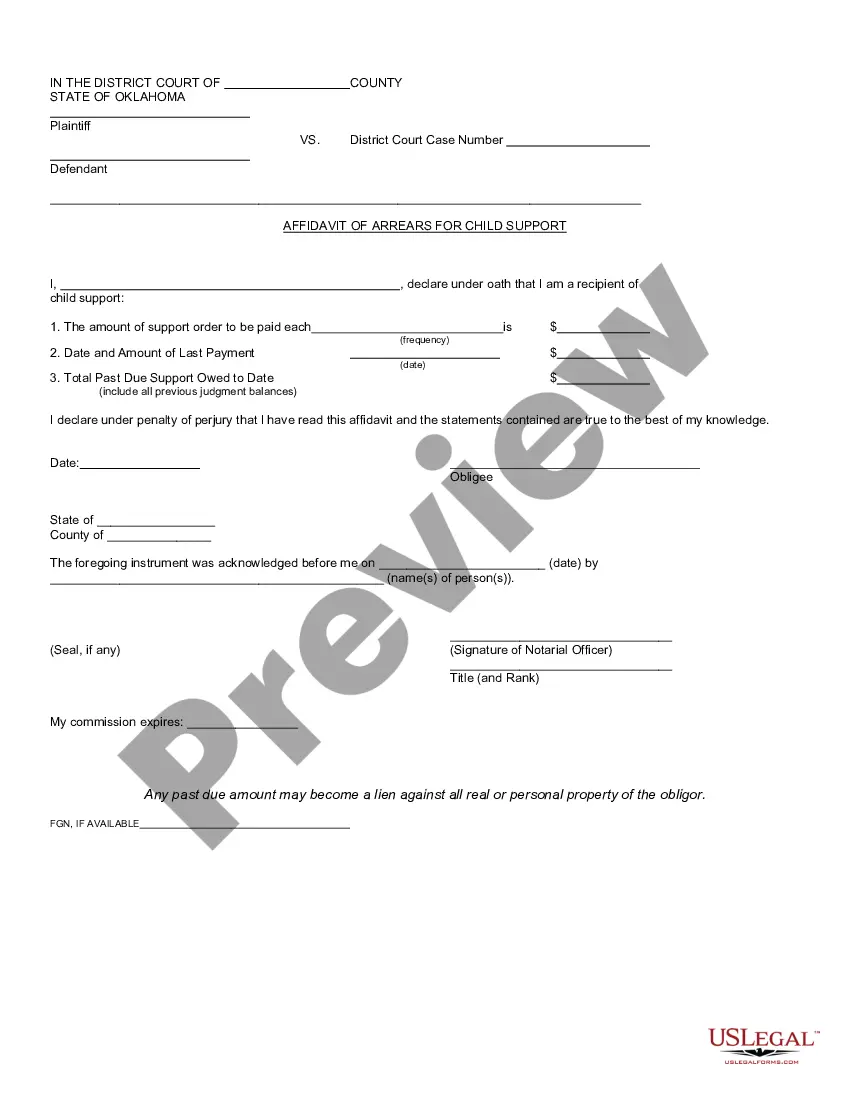
How to fill out Florida Motion To Reopen Case In Order To Acquire Copies Of Pleadings?
Using legal templates that comply with federal and state regulations is crucial, and the internet offers many options to pick from. But what’s the point in wasting time searching for the appropriate County Court Cause List sample on the web if the US Legal Forms online library already has such templates accumulated in one place?
US Legal Forms is the biggest online legal catalog with over 85,000 fillable templates drafted by attorneys for any professional and life case. They are easy to browse with all documents organized by state and purpose of use. Our specialists keep up with legislative updates, so you can always be confident your paperwork is up to date and compliant when obtaining a County Court Cause List from our website.
Obtaining a County Court Cause List is quick and easy for both current and new users. If you already have an account with a valid subscription, log in and download the document sample you need in the preferred format. If you are new to our website, adhere to the instructions below:
- Examine the template using the Preview feature or via the text outline to ensure it meets your requirements.
- Look for a different sample using the search tool at the top of the page if needed.
- Click Buy Now when you’ve found the suitable form and choose a subscription plan.
- Register for an account or log in and make a payment with PayPal or a credit card.
- Pick the format for your County Court Cause List and download it.
All documents you locate through US Legal Forms are multi-usable. To re-download and complete earlier purchased forms, open the My Forms tab in your profile. Benefit from the most extensive and easy-to-use legal paperwork service!
Form popularity
FAQ
An Introduction: Attorney identifies themself (or not) ... A brief overview (story) of what the evidence will show. Presented from your side's perspective. ... A brief explanation of what has to be proved. ... Identify the witnesses. ... Tell what the key testimony of each witness will be. ... A conclusion.
Tell the court and other side if you are suing on behalf of your business that has a Fictitious Business Name.
The small claims division of a district court has the power to hear civil cases in which a party (the plaintiff) is seeking a money amount up to $5,000.
How to Write a Good Court Statement Be clear and concise in your writing. Keep your sentences and paragraphs short, making them easier to read and understand. Make sure all of your facts are accurate and complete. Proofread your statement before submitting it to the court.
The court may schedule a hearing, or they may make a decision without a formal hearing. If a hearing is scheduled, all parties will be told of the court date by mail. At the hearing, you must explain to the Judge why you believe an error was made and how you want it corrected.