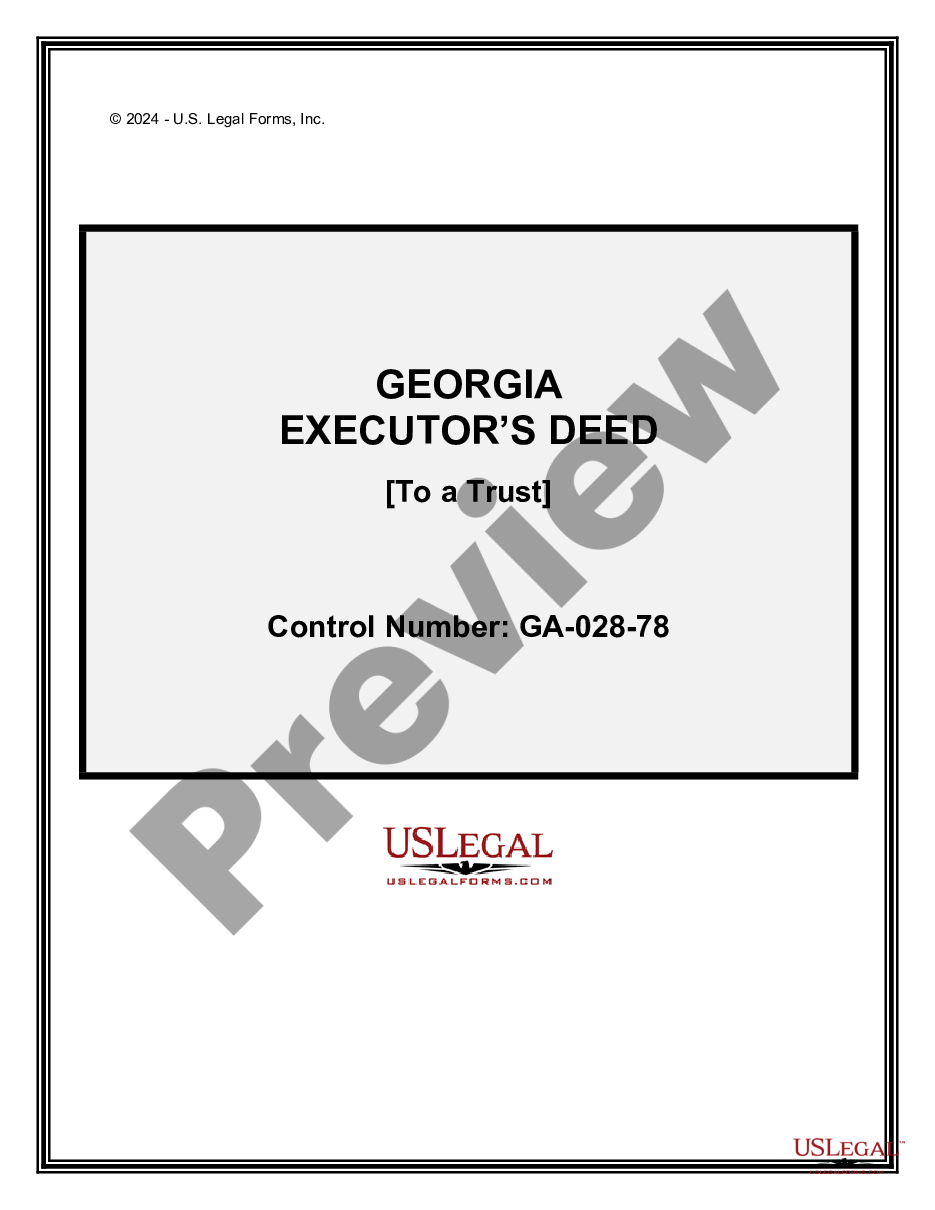
Georgia Executor's Deed to a Trust
Understanding this form
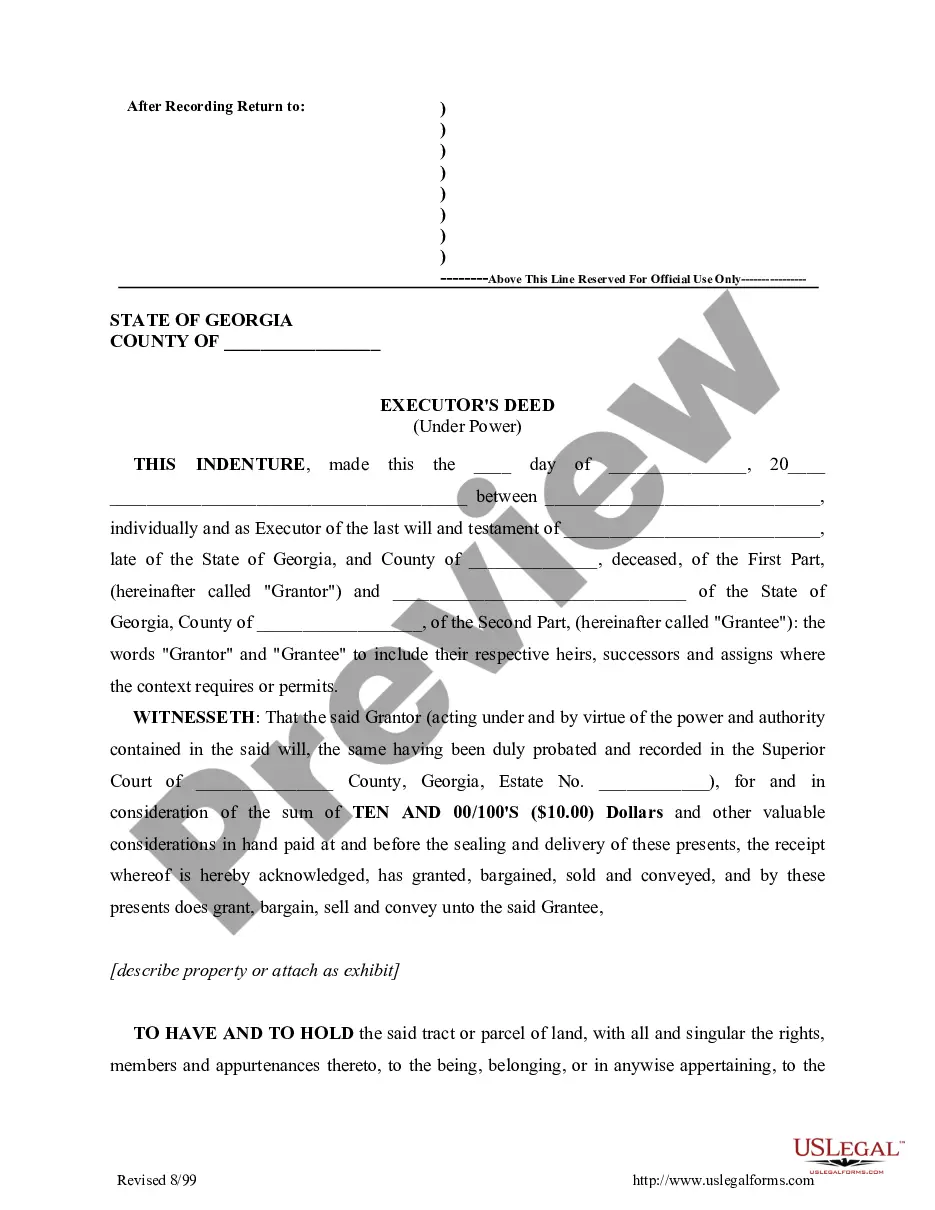
This Executor's Deed to a Trust is a legal document used by an executor of an estate to transfer property to a trust. This form serves a specific purpose in estate management, ensuring that property is conveyed in accordance with the grantor's wishes as outlined in a will. Unlike standard deeds, this form is tailored to facilitate the transfer from an estate to a trust, which can help in the efficient management of the trust's assets.
Form components explained
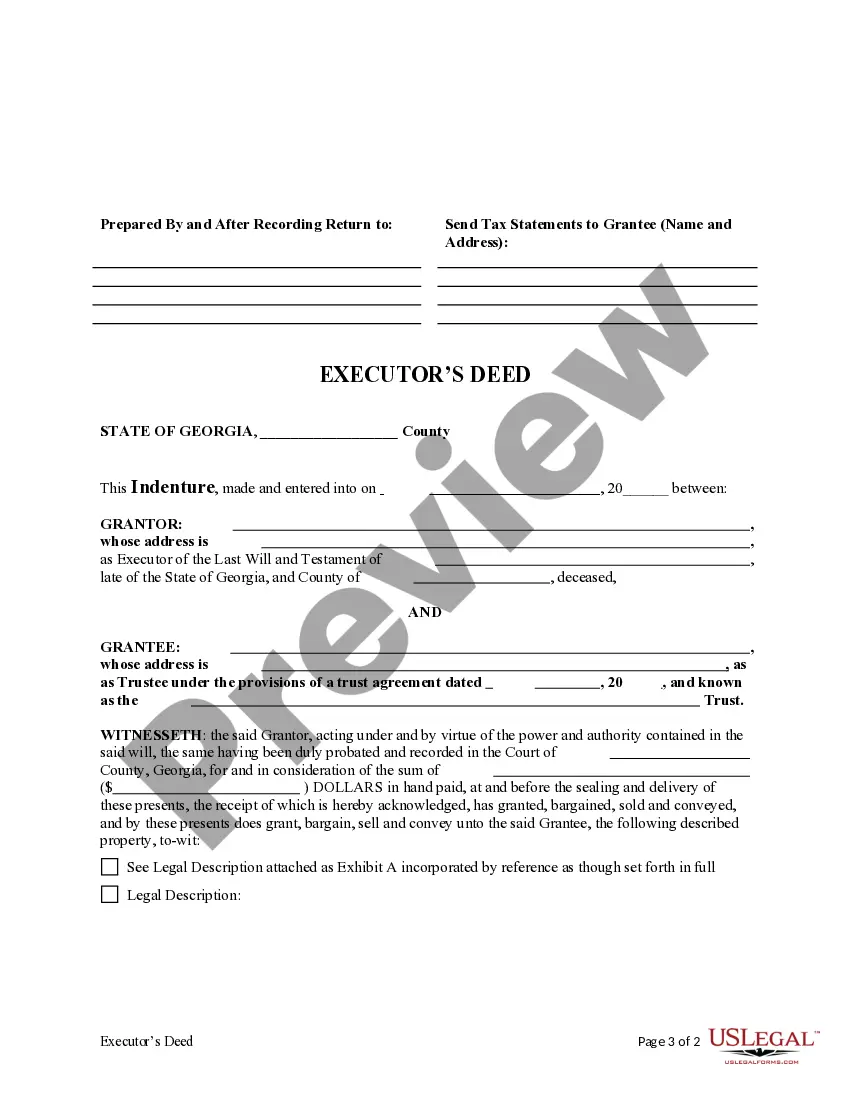
- Names of the Grantor (executor) and Grantee (trust).
- Description of the property being conveyed.
- Statement of compliance with state statutory laws.
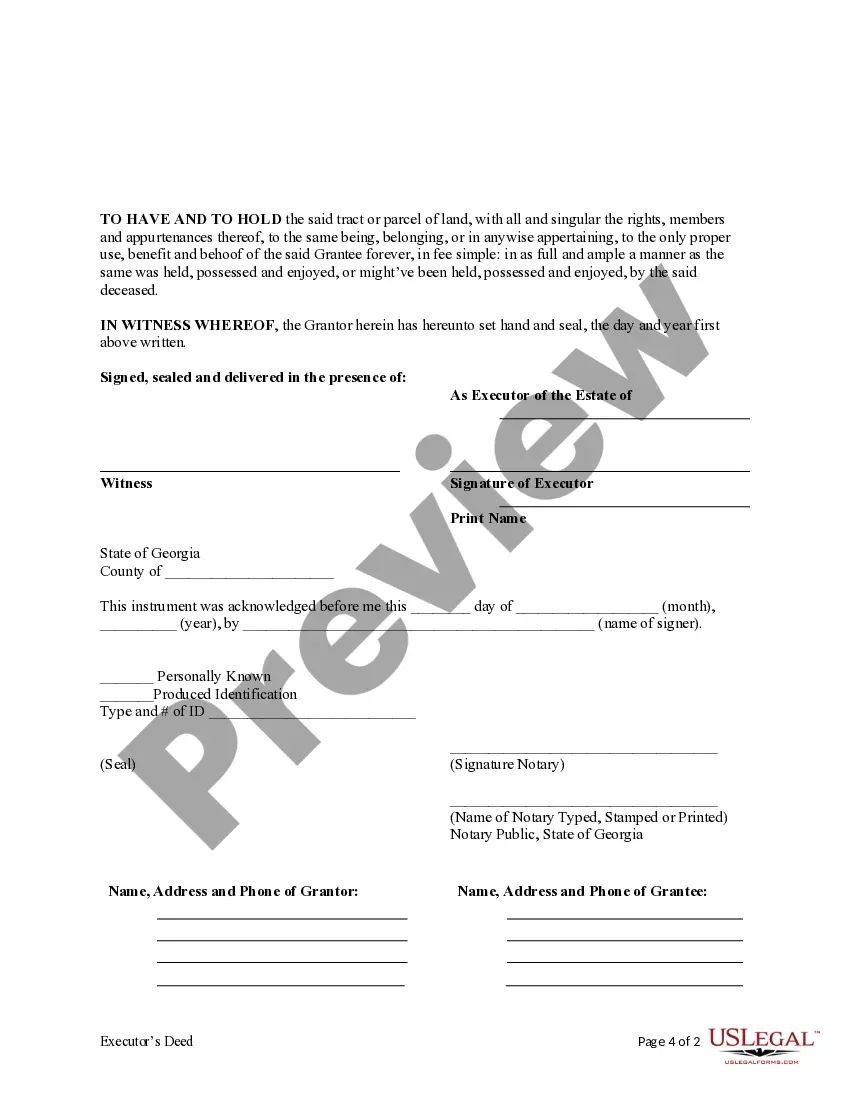
- Signatures of the Grantor and witnesses (if required).
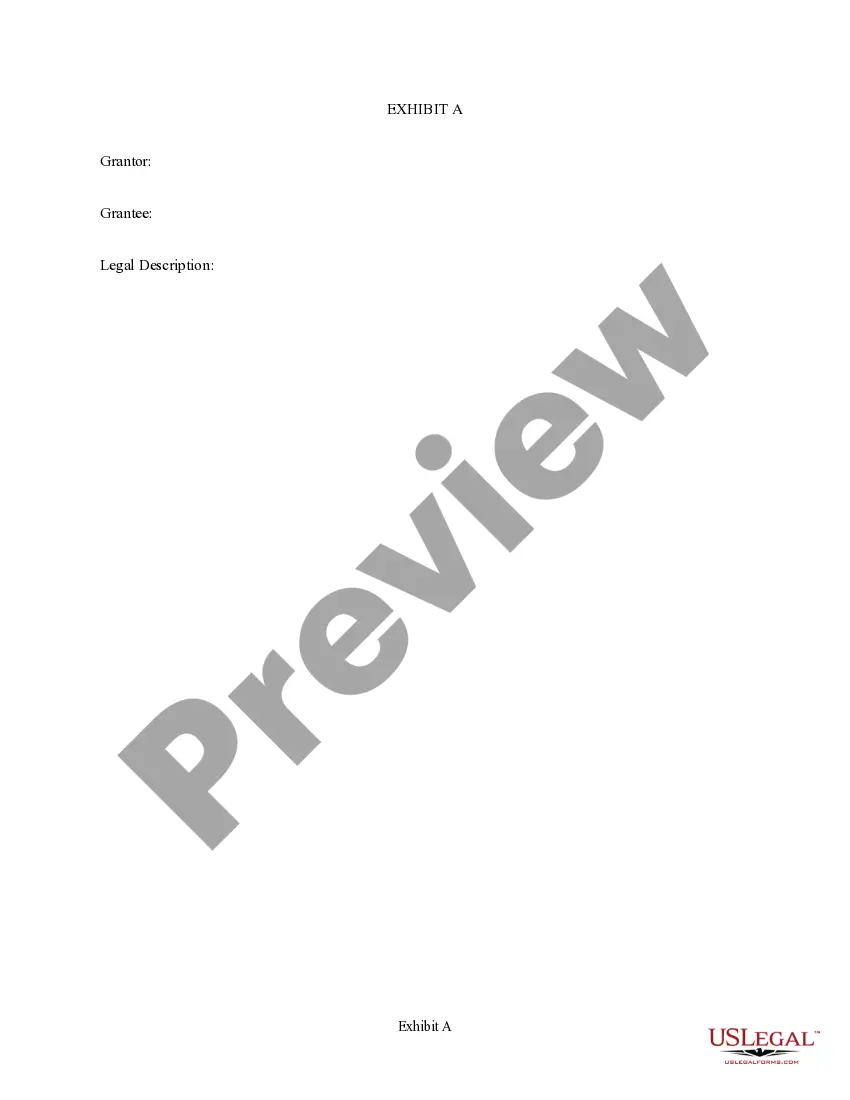
- Legal description of the property attached as an exhibit.



When to use this form
This form should be used when an executor is required to transfer real estate property owned by a deceased person into a trust. This situation can arise during estate settlement when the property needs to be managed under the terms of a trust for the benefit of its beneficiaries.
Who can use this document
This form is intended for:
- Executors responsible for managing an estate.
- Trustees who need to receive property from an estate.
- Legal professionals assisting with estate matters.
Completing this form step by step
- Identify the Grantor (executor) and Grantee (trust) by entering their legal names.
- Provide a detailed description of the property being transferred.
- Ensure the form includes the necessary compliance statements for the state.
- Have the Grantor sign the deed in front of witnesses, if required.
- Attach any required legal descriptions as Exhibit A.
Does this document require notarization?
To make this form legally binding, it must be notarized. Our online notarization service, powered by Notarize, lets you verify and sign documents remotely through an encrypted video session.
Get your form ready online
Our built-in tools help you complete, sign, share, and store your documents in one place.
Make edits, fill in missing information, and update formatting in US Legal Forms—just like you would in MS Word.
Download a copy, print it, send it by email, or mail it via USPS—whatever works best for your next step.
Sign and collect signatures with our SignNow integration. Send to multiple recipients, set reminders, and more. Go Premium to unlock E-Sign.
If this form requires notarization, complete it online through a secure video call—no need to meet a notary in person or wait for an appointment.
We protect your documents and personal data by following strict security and privacy standards.

Make edits, fill in missing information, and update formatting in US Legal Forms—just like you would in MS Word.

Download a copy, print it, send it by email, or mail it via USPS—whatever works best for your next step.

Sign and collect signatures with our SignNow integration. Send to multiple recipients, set reminders, and more. Go Premium to unlock E-Sign.

If this form requires notarization, complete it online through a secure video call—no need to meet a notary in person or wait for an appointment.

We protect your documents and personal data by following strict security and privacy standards.
Common mistakes to avoid
- Failing to include a complete legal description of the property.
- Not having the document signed in front of witnesses when necessary.
- Using incorrect or outdated forms that do not comply with current legal standards.
Advantages of online completion
- Convenience of downloading forms immediately.
- Editability allows for clear and accurate input of information.
- Reliable, attorney-drafted templates that adhere to state laws.
Legal use & context
- Executor's Deed is legally binding as long as it meets state requirements.
- This form protects the interests of the beneficiaries by ensuring proper property transfer.
- Legal enforceability may depend on accuracy and adherence to statutory regulations.
Quick recap
- The Executor's Deed to a Trust is essential for transferring property from an estate to a trust.
- Accurate completion of the form is crucial for valid legal transfers.
- Be mindful of state-specific regulations and potential notarization requirements.
Looking for another form?
Form popularity
FAQ
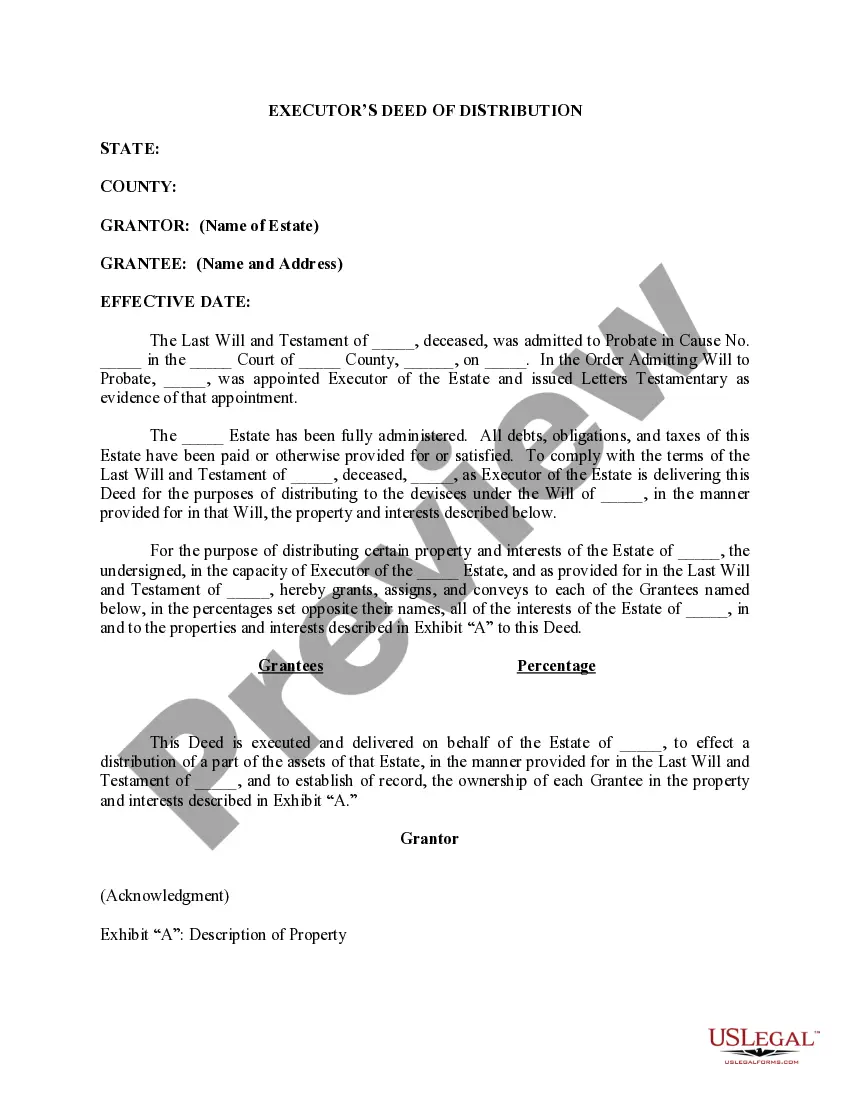
The named personal representative uses an executor's deed to transfer real property from a testate estate. The executor's deed contains all the information required for a standard conveyance, such as a quitclaim or warranty deed, but also includes relevant details about the decedent and the probate case.
In the state of Georgia, you cannot sell real estate unless you have been specifically granted the authority to do so.That means that you can file a petition in the probate court asking for the authority to sell the property. At that point, it will be up to the judge to decide whether to go forward with the sale.
Executor's Deed: This may be used when a person dies testate (with a will). The estate's executor will dispose of the decedent's assets and an executor's deed may be used to convey the title or real property to the grantee.
Once the COURT appoints you as executor, you will record an affidavit of death of joint tenant to get your mother's name of the property. Then, when you get an order for final distribution, you will record a certified copy to get the property into the names of the beneficiaries under the will.
Georgia does not allow real estate to be transferred with transfer-on-death deeds.
In most states, an executor's deed must be signed by a witness and notarized. An executor's deed should be recorded in the real estate records of the county in which the property being conveyed is located.