Electrical Contractor Forms For Construction
Description
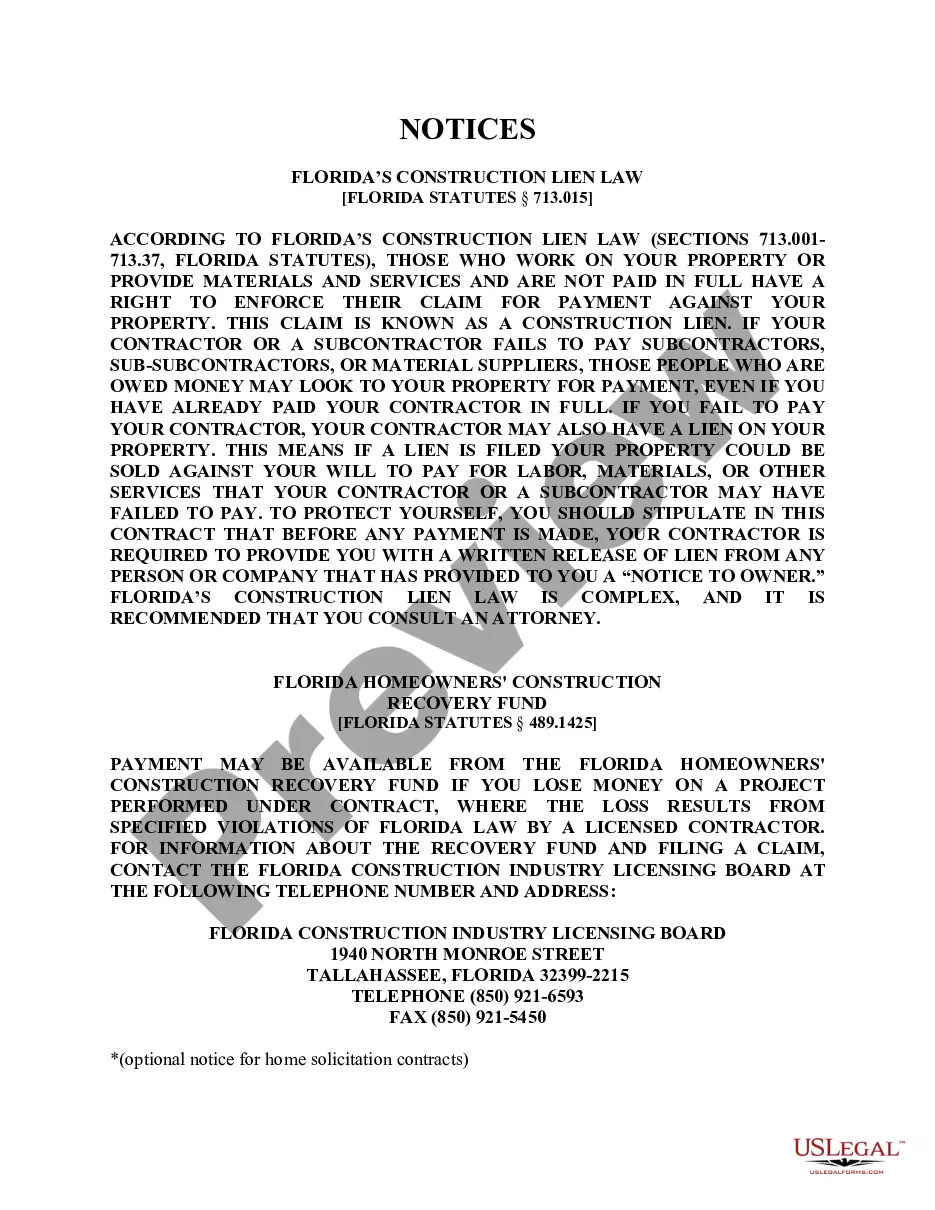
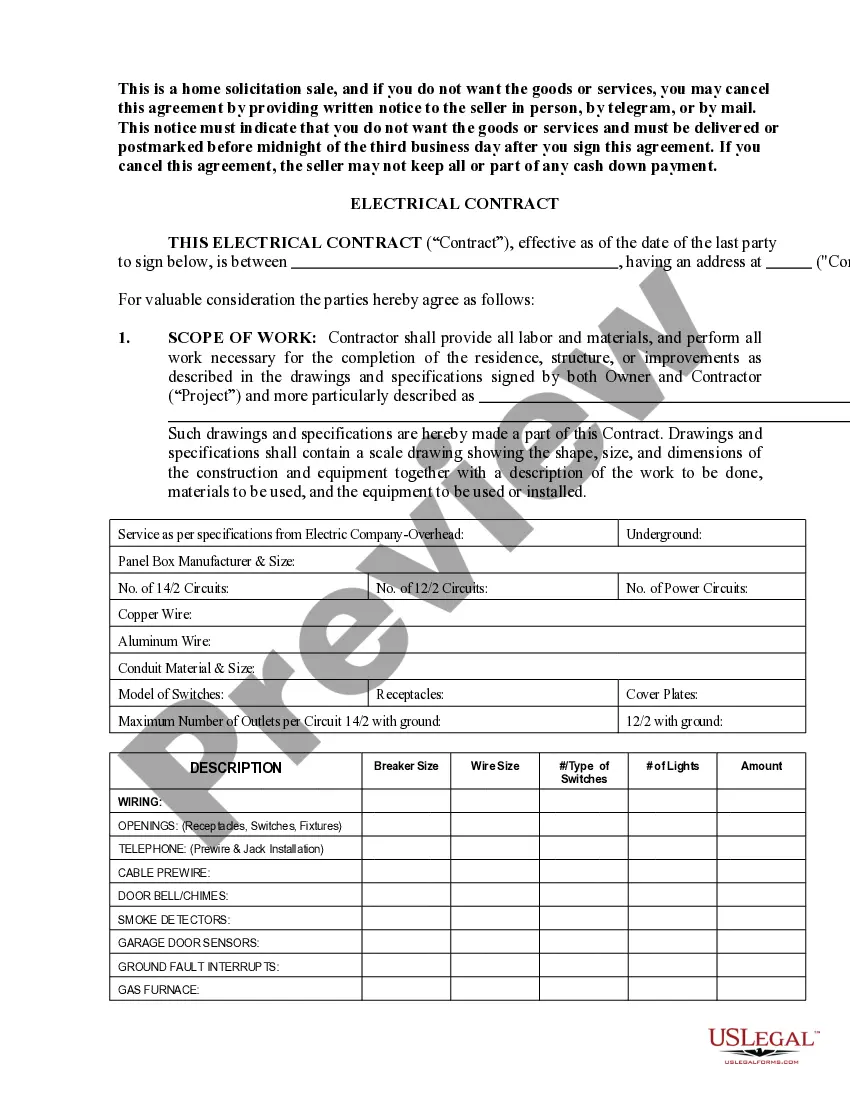
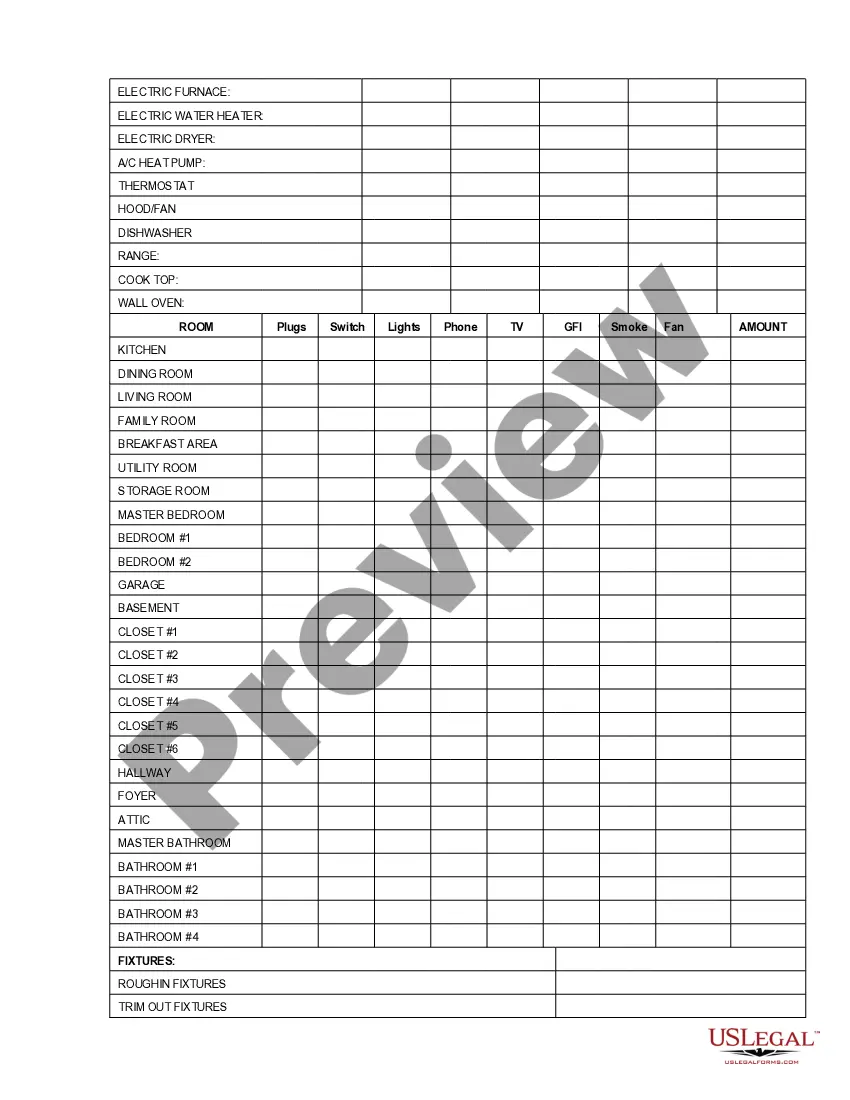
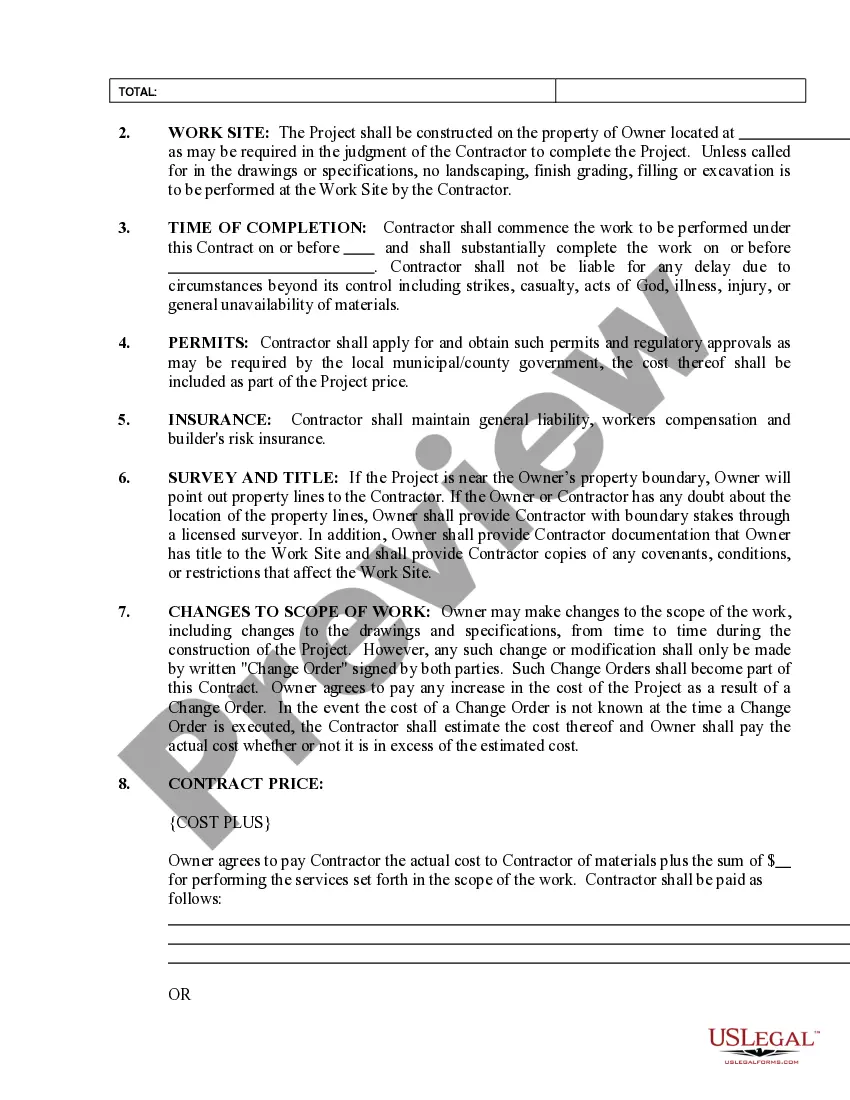
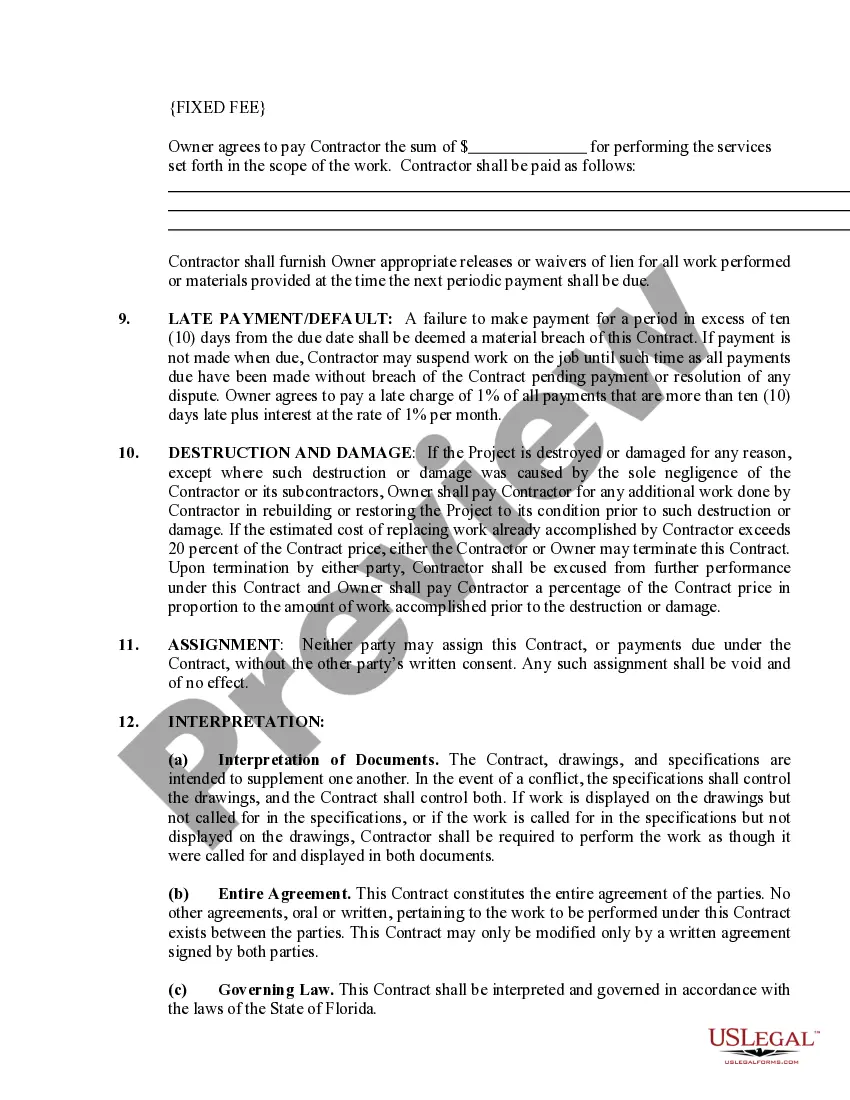
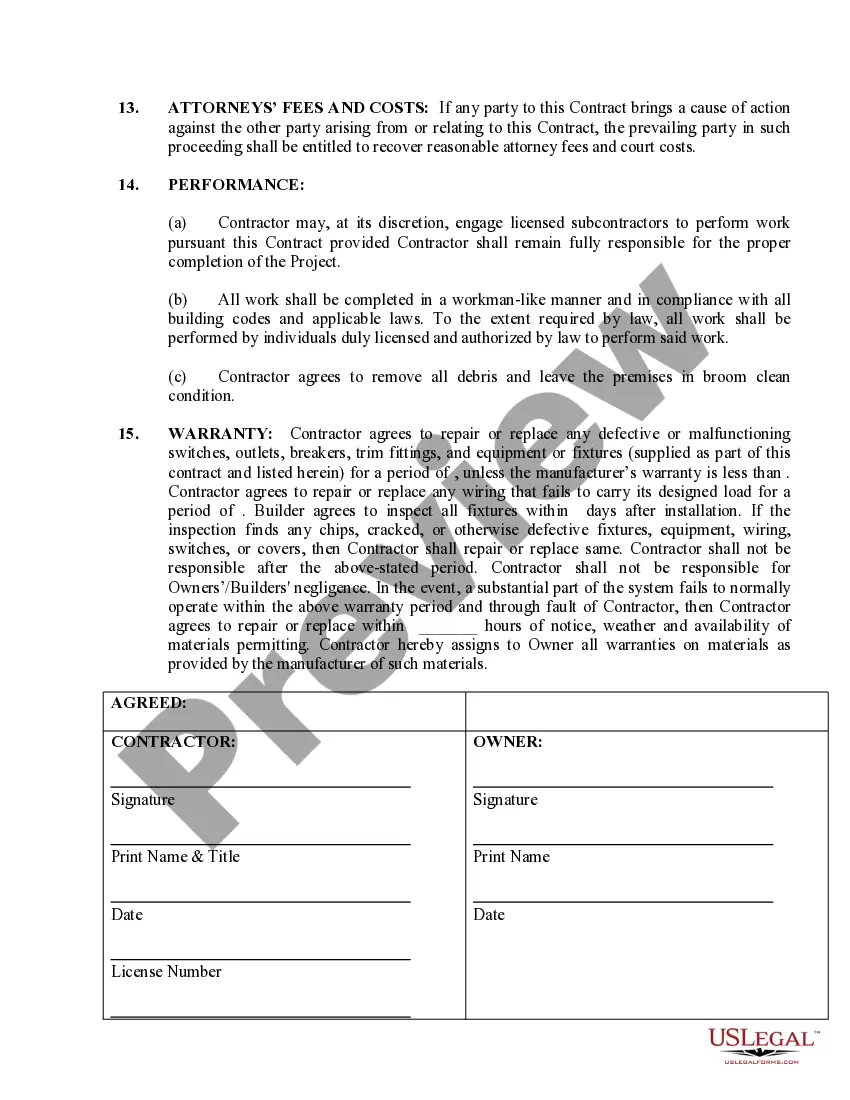

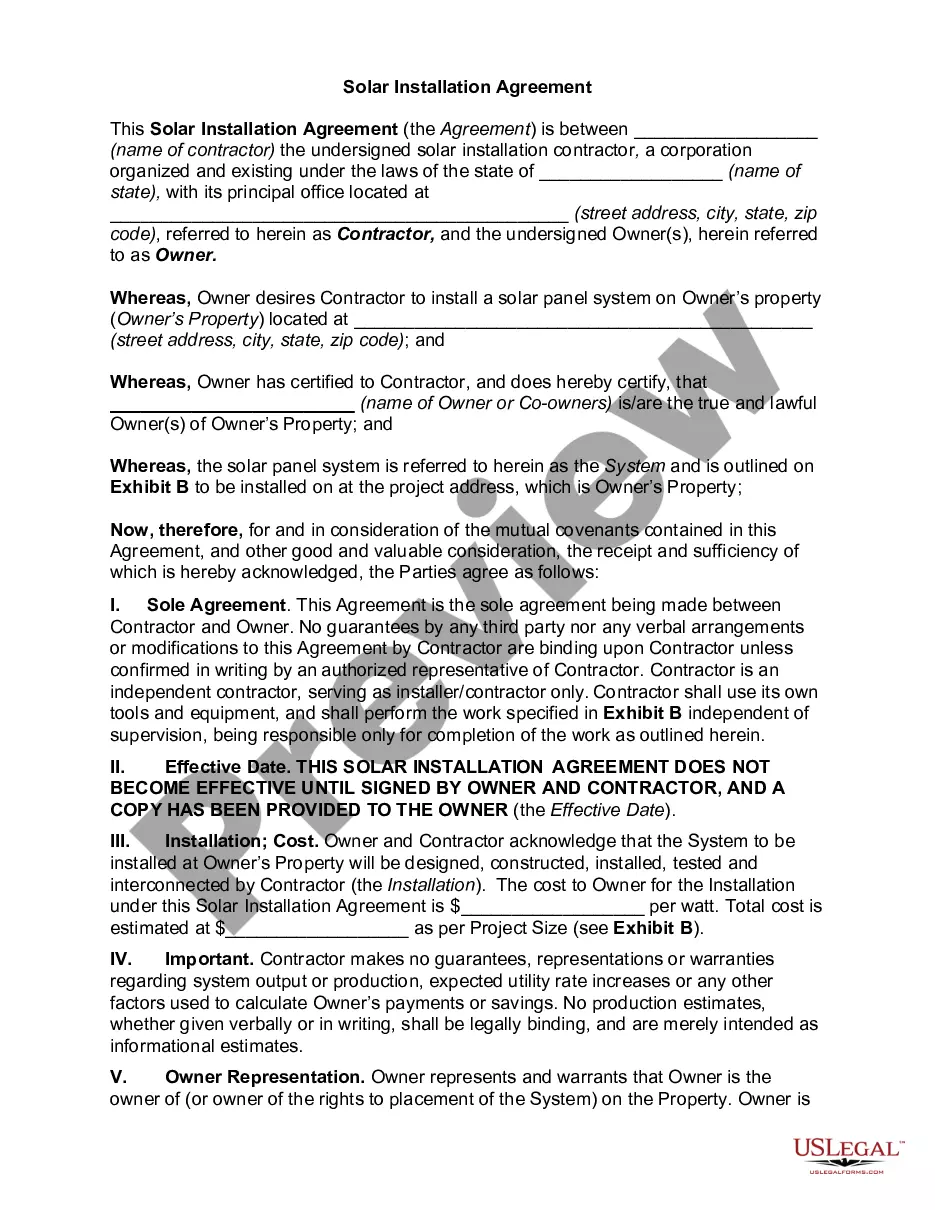
Get your form ready online
Our built-in tools help you complete, sign, share, and store your documents in one place.
Make edits, fill in missing information, and update formatting in US Legal Forms—just like you would in MS Word.
Download a copy, print it, send it by email, or mail it via USPS—whatever works best for your next step.
Sign and collect signatures with our SignNow integration. Send to multiple recipients, set reminders, and more. Go Premium to unlock E-Sign.
If this form requires notarization, complete it online through a secure video call—no need to meet a notary in person or wait for an appointment.
We protect your documents and personal data by following strict security and privacy standards.

Make edits, fill in missing information, and update formatting in US Legal Forms—just like you would in MS Word.

Download a copy, print it, send it by email, or mail it via USPS—whatever works best for your next step.

Sign and collect signatures with our SignNow integration. Send to multiple recipients, set reminders, and more. Go Premium to unlock E-Sign.

If this form requires notarization, complete it online through a secure video call—no need to meet a notary in person or wait for an appointment.

We protect your documents and personal data by following strict security and privacy standards.
Looking for another form?


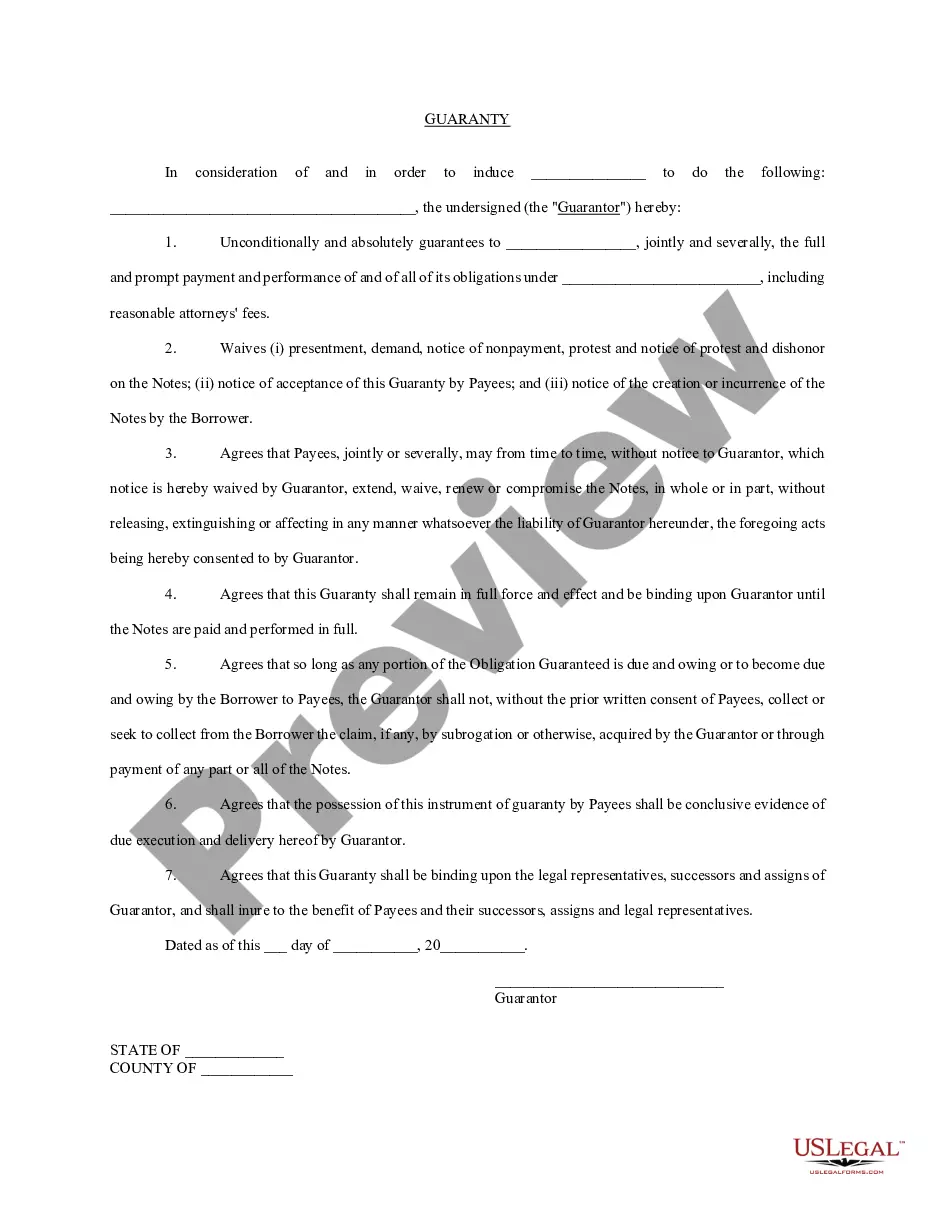







How to fill out Florida Electrical Contract For Contractor?
Securing a reliable source for obtaining the most up-to-date and pertinent legal templates is a significant part of dealing with bureaucracy.
Selecting the appropriate legal documents requires accuracy and careful consideration, which is why it is crucial to obtain examples of Electrical Contractor Forms For Construction exclusively from trustworthy providers, such as US Legal Forms. An incorrect template can squander your time and delay your situation.
Once you have the form on your device, you can modify it using the editor or print it and complete it by hand. Alleviate the stress associated with your legal documents. Explore the extensive US Legal Forms collection to find legal templates, assess their applicability to your situation, and download them immediately.
- Utilize the catalog navigation or search bar to locate your template.
- Access the form's details to confirm it meets the requirements of your state and county.
- View the form preview, if available, to verify that the template is indeed the one you need.
- Continue your search and locate the suitable template if the Electrical Contractor Forms For Construction does not fulfill your requirements.
- Once you are certain about the form's relevance, download it.
- If you are a registered user, click Log in to verify and access your selected templates in My documents.
- If you don't have an account yet, click Buy now to acquire the template.
- Choose the pricing plan that aligns with your needs.
- Proceed to registration to finalize your purchase.
- Complete your transaction by selecting a payment method (credit card or PayPal).
- Select the document format for downloading Electrical Contractor Forms For Construction.
Form popularity
FAQ
Basically, an electrical contractor is an individual or company that employs electricians for large jobs. An electrician is a person with the proper training who can complete electrical tasks. Both are involved with electrical work in some way, but they deal with different parts of the job to each other.
How to write an electrical contract in 11 steps Specify both parties. ... Identify the scope of the project. ... Define specifications and location. ... Include information regarding payments. ... Set completion deadlines. ... Outline the electrician's duties. ... Outline the client's duties. ... Identify exclusions.
Creating a bid for electrical work begins by choosing the right project. Then review the bid documents, do a quantity takeoff, request quotes from suppliers, then estimate your labor and overhead and profit margin. You next create the proposal, review it, and submit it to the general contractor or project owner.
General contractors and construction management firms that contract with licensed subcontractors to perform electrical work are not required to have their own electrical contractor license.
Creating a bid for electrical work begins by choosing the right project. Then review the bid documents, do a quantity takeoff, request quotes from suppliers, then estimate your labor and overhead and profit margin. You next create the proposal, review it, and submit it to the general contractor or project owner.