Letter Landlord Use With The Letter
Description
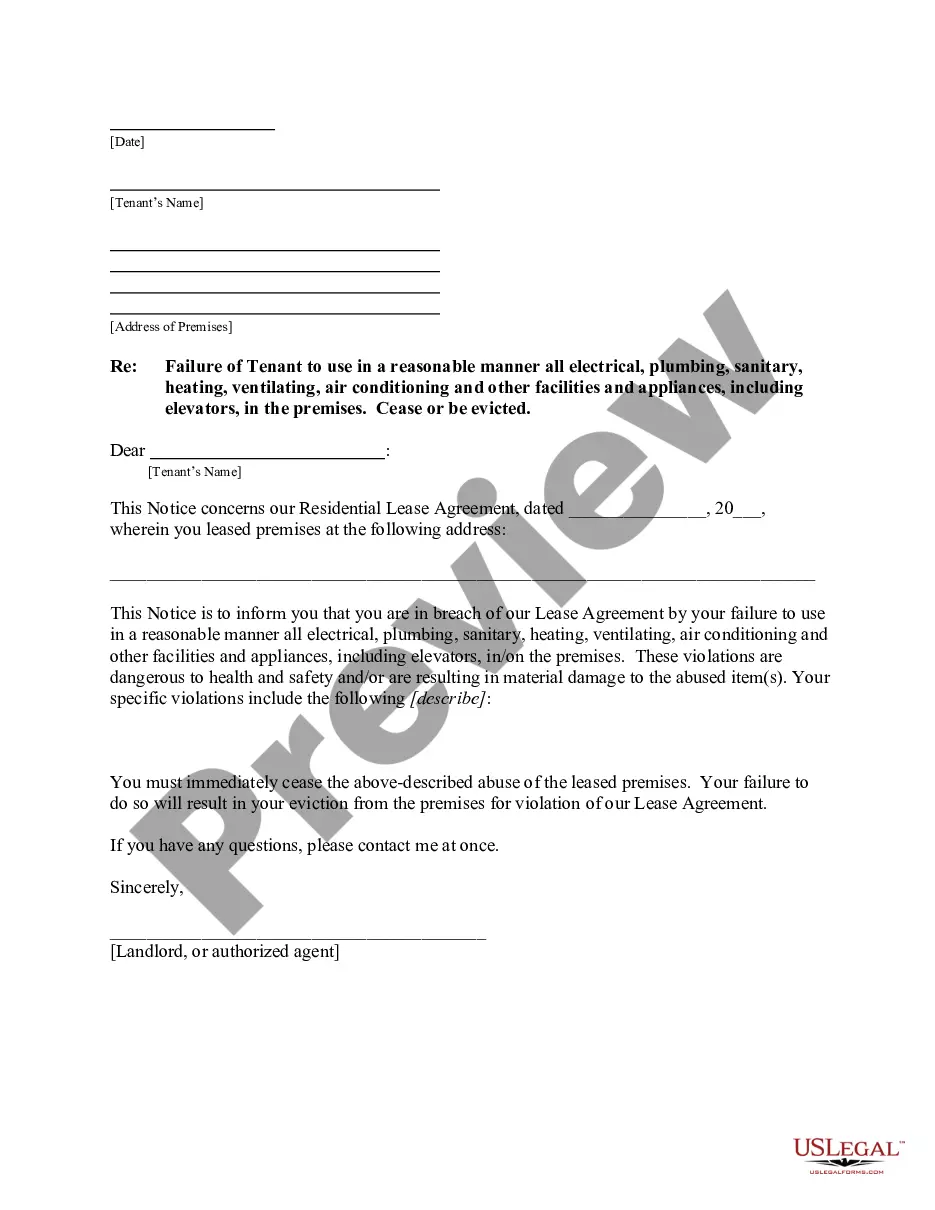
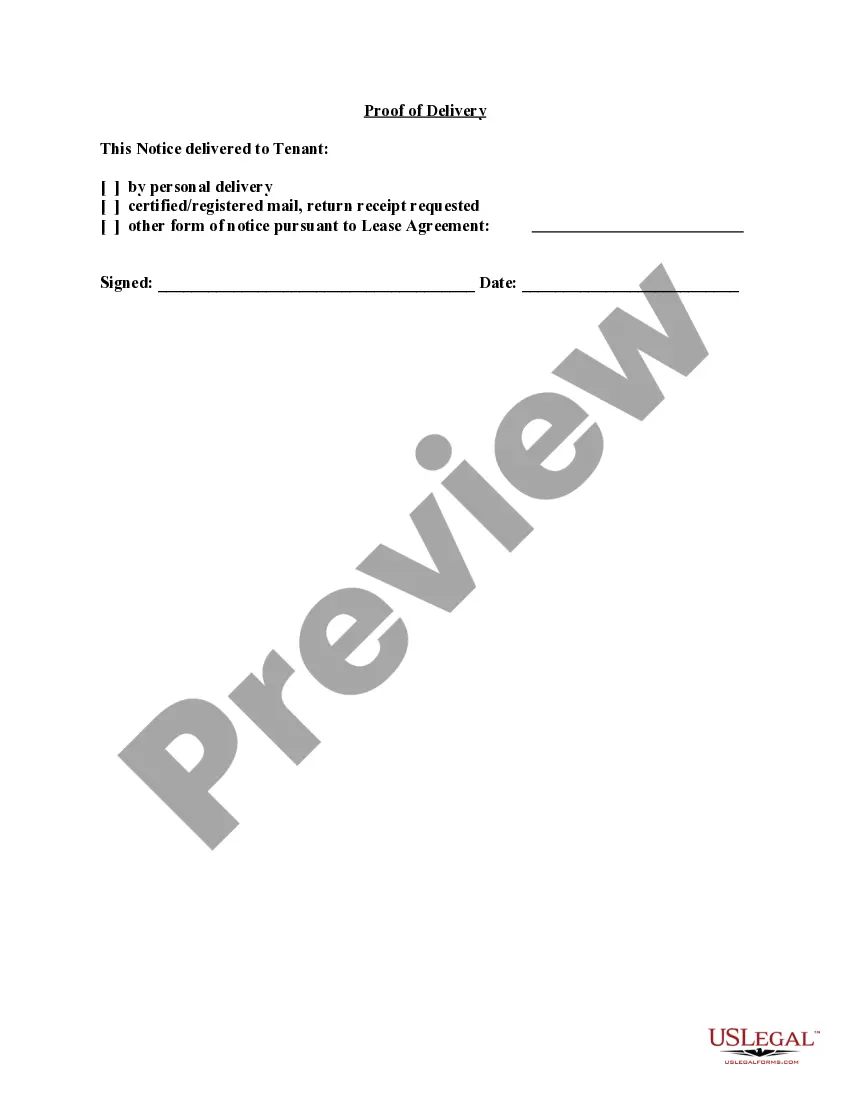


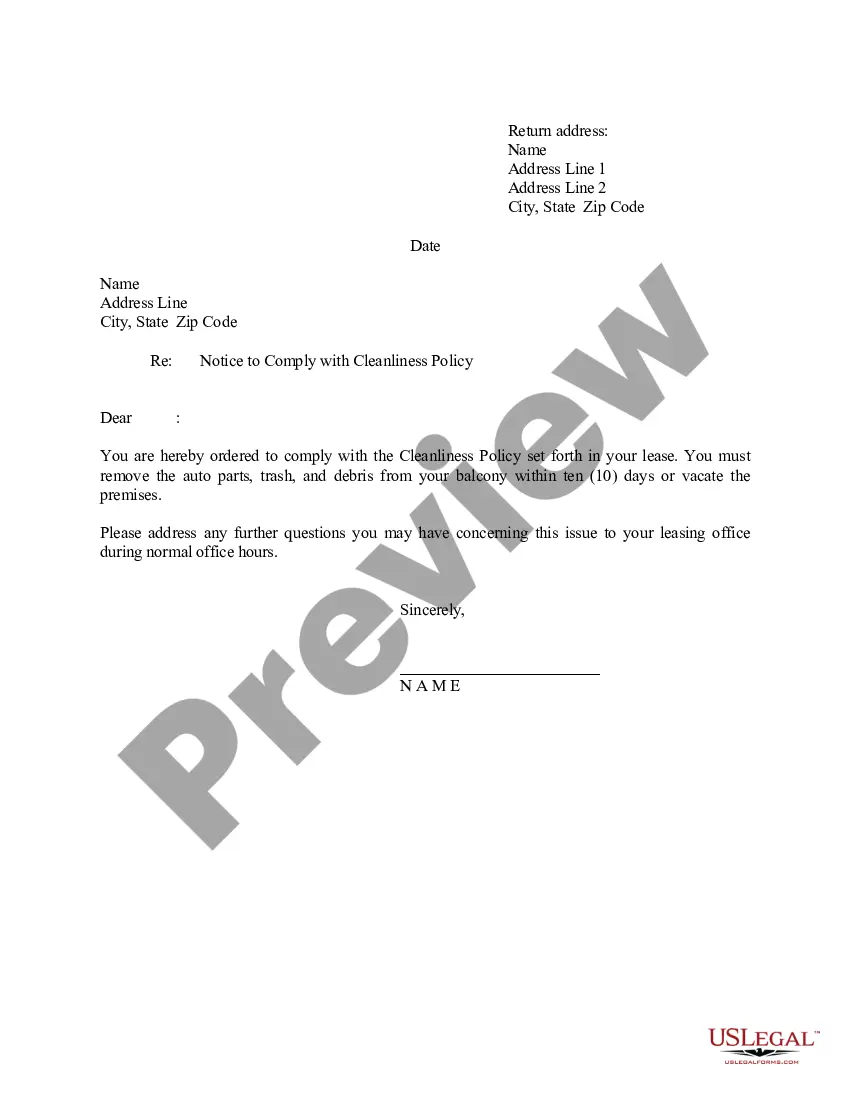

Get your form ready online
Our built-in tools help you complete, sign, share, and store your documents in one place.
Make edits, fill in missing information, and update formatting in US Legal Forms—just like you would in MS Word.
Download a copy, print it, send it by email, or mail it via USPS—whatever works best for your next step.
Sign and collect signatures with our SignNow integration. Send to multiple recipients, set reminders, and more. Go Premium to unlock E-Sign.
If this form requires notarization, complete it online through a secure video call—no need to meet a notary in person or wait for an appointment.
We protect your documents and personal data by following strict security and privacy standards.

Make edits, fill in missing information, and update formatting in US Legal Forms—just like you would in MS Word.

Download a copy, print it, send it by email, or mail it via USPS—whatever works best for your next step.

Sign and collect signatures with our SignNow integration. Send to multiple recipients, set reminders, and more. Go Premium to unlock E-Sign.

If this form requires notarization, complete it online through a secure video call—no need to meet a notary in person or wait for an appointment.

We protect your documents and personal data by following strict security and privacy standards.
Looking for another form?








How to fill out District Of Columbia Letter From Landlord To Tenant For Failure To Use Electrical, Plumbing, Sanitary, Heating, Ventilating, Air Conditioning And Other Facilities In A Reasonable Manner?
- Begin by visiting the US Legal Forms website and if you're already a user, log in to your account. Ensure your subscription is current; if it’s not, renew it as needed.
- If this is your first time, browse the form library and check the Preview mode and description. Confirm you’re selecting a letter that meets your specific needs.
- Should you find a discrepancy, utilize the search feature to locate a suitable template that fulfills your requirements.
- Once you have the right letter template, click the Buy Now button and select a preferred subscription plan. Register for an account if prompted.
- Finalize your purchase by entering your payment method, either credit card information or via PayPal.
- Download the completed form and save it to your device. Access it anytime through the My Forms section in your profile.
In conclusion, using US Legal Forms allows you to efficiently manage your legal document needs without hassle. Their rich library, featuring over 85,000 forms, ensures you have access to precisely what you need.
Start your journey toward hassle-free legal documentation today!
Form popularity
FAQ
When writing a letter to a landlord to avoid eviction, begin by addressing your landlord respectfully. Clearly explain your situation and any reasons for late payments or issues that led to delinquency. It's also helpful to propose a plan for addressing the matter, such as a payment schedule. This demonstrates your commitment and can foster a cooperative relationship, which may help in avoiding eviction.
Start a letter to a tenant with a respectful greeting. You might say, 'Dear Tenant’s Name,' to maintain a professional tone. Follow this by introducing the purpose of the letter, whether it’s to communicate information, a reminder, or a request. Establishing clarity right from the start fosters positive communication.
A proof of rent letter should begin with your name, address, and the date at the top. Clearly indicate your intent, specifying that it serves as proof of rental payments. Include details such as payment amounts, dates, and the duration of the lease. This letter can be valuable for verifying rental history, so ensure it is clear and accurate.
To write a formal letter to your landlord, start with your contact information and the date at the top. Next, clearly state your purpose for writing, whether it’s to request repairs or address concerns. Use polite language throughout the letter, and be sure to express your gratitude for their attention. Finally, close with your name, and consider stating you will follow up if necessary.
Filling out a landlord application requires accuracy and completeness. Start by entering your personal information, such as name, contact details, and Social Security number. Include your employment details and income sources, along with references from previous landlords. A carefully prepared letter landlord can complement your application by explaining any unusual circumstances or highlighting positive aspects.
Begin your letter to your landlord by stating the date and your address, followed by their name and address. Clearly express your reason for writing, whether it’s a maintenance request, lease inquiry, or rent payment issue. Keep your language polite and straightforward. Utilizing a well-crafted letter landlord use with the letter can help you express your needs effectively.
When writing a letter to your landlord, start with a polite greeting using their name, such as 'Dear Mr. Smith' or 'Dear Ms. Johnson.' Follow this with a clear purpose for your letter, whether it’s to request maintenance or discuss lease terms. Maintaining a respectful and professional tone throughout your correspondence is crucial. This approach shows you value the landlord-tenant relationship.
To fill out a landlord application, start by providing accurate personal information, such as your name and contact details. Next, disclose your income, employment history, and previous rental experiences. Be thorough when listing references and be honest, as a letter landlord can help you address any concerns directly. This transparency builds trust and increases your chances of approval.
Typically, landlords require tenants to earn at least three times the monthly rent. This income threshold ensures tenants can comfortably afford their housing costs. However, some landlords may also consider other factors like credit history and rental history. Always prepare a letter landlord use with the letter to confirm your financial standing.
When reviewing a rental application, be aware of red flags that can indicate potential issues. Common warning signs include a history of late payments, eviction records, or inconsistent employment. Additionally, if an applicant fails to provide references or offers unverifiable information, it may raise concerns. Using a letter landlord can clarify any doubts by initiating an open dialogue.