Tenant Landlord Shut For Texas
Description


Get your form ready online
Our built-in tools help you complete, sign, share, and store your documents in one place.
Make edits, fill in missing information, and update formatting in US Legal Forms—just like you would in MS Word.
Download a copy, print it, send it by email, or mail it via USPS—whatever works best for your next step.
Sign and collect signatures with our SignNow integration. Send to multiple recipients, set reminders, and more. Go Premium to unlock E-Sign.
If this form requires notarization, complete it online through a secure video call—no need to meet a notary in person or wait for an appointment.
We protect your documents and personal data by following strict security and privacy standards.

Make edits, fill in missing information, and update formatting in US Legal Forms—just like you would in MS Word.

Download a copy, print it, send it by email, or mail it via USPS—whatever works best for your next step.

Sign and collect signatures with our SignNow integration. Send to multiple recipients, set reminders, and more. Go Premium to unlock E-Sign.

If this form requires notarization, complete it online through a secure video call—no need to meet a notary in person or wait for an appointment.

We protect your documents and personal data by following strict security and privacy standards.
Looking for another form?






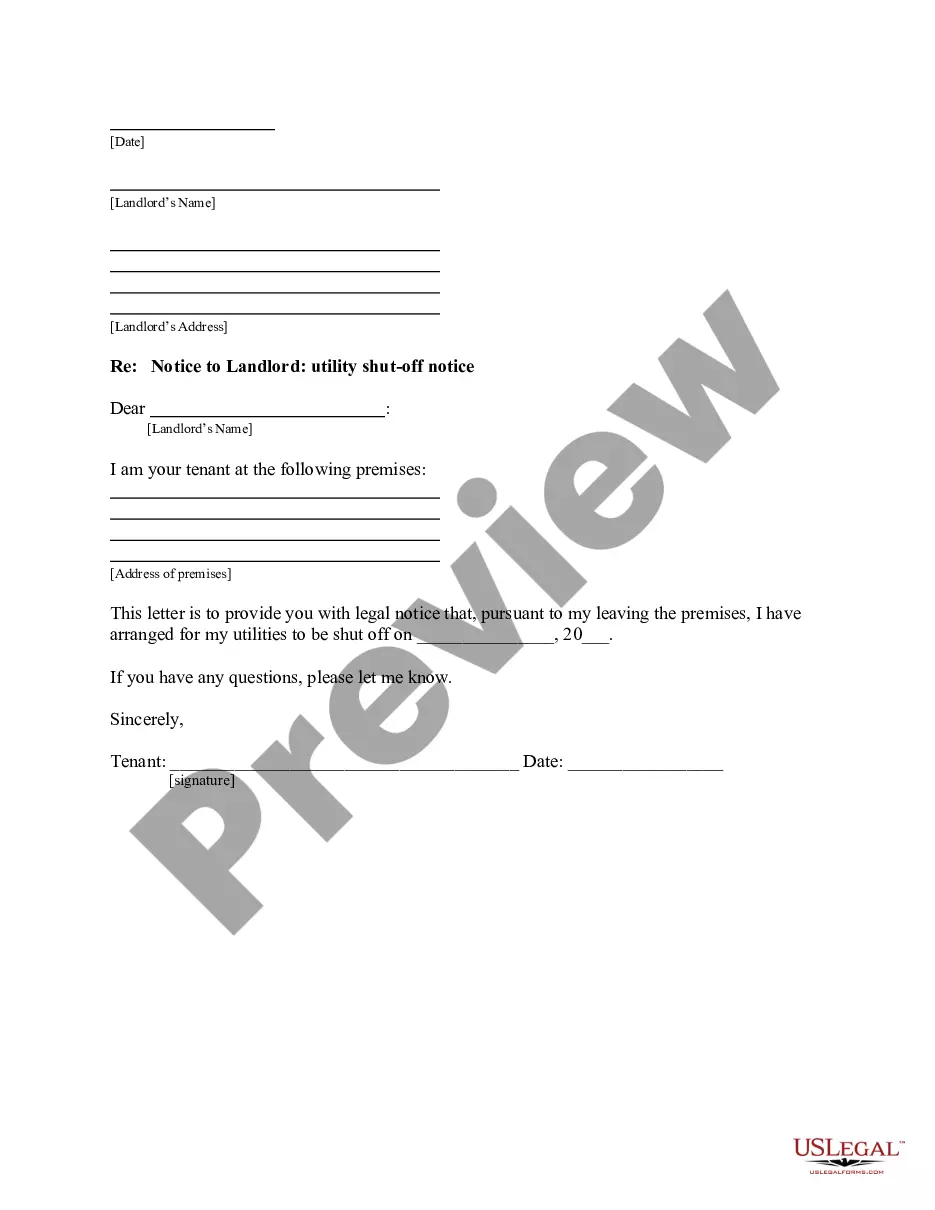
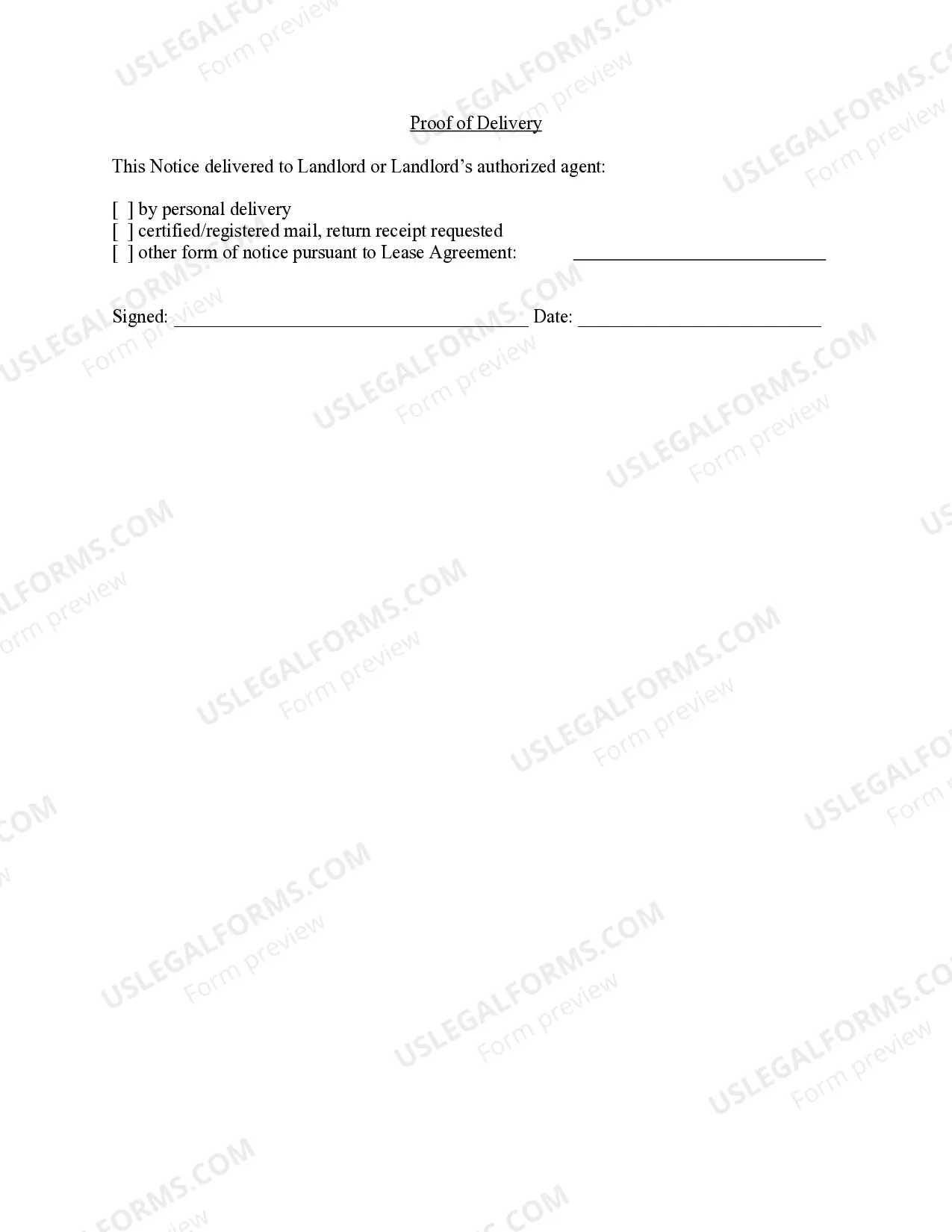
How to fill out Connecticut Letter From Tenant To Landlord - Utility Shut Off Notice To Landlord Due To Tenant Vacating Premises?
- Start by logging into your US Legal Forms account. If you’re a new user, create an account to gain access to the extensive library of legal forms.
- Browse the various templates available. Use the Preview mode to verify that the document aligns with your specific requirements and complies with Texas regulations.
- If you identify inconsistencies or need additional forms, utilize the Search function at the top of the page to locate the correct documents.
- Select the appropriate form and click on the Buy Now button. Choose a subscription plan that best fits your needs, which will grant you access to all necessary resources.
- Complete your purchase by entering your payment information, either via credit card or PayPal, to finalize the transaction.
- Once your payment is completed, download the form directly to your device, allowing you to fill it out at your convenience. You can also find it in the My Forms section of your profile whenever needed.
By streamlining the document acquisition process, US Legal Forms empowers both tenants and landlords to manage their responsibilities efficiently. With a vast selection of forms and expert support, you can ensure that your documents are correctly prepared and legally valid.
Start today to simplify your legal processes with US Legal Forms, and take the first step towards securing your peace of mind.
Form popularity
FAQ
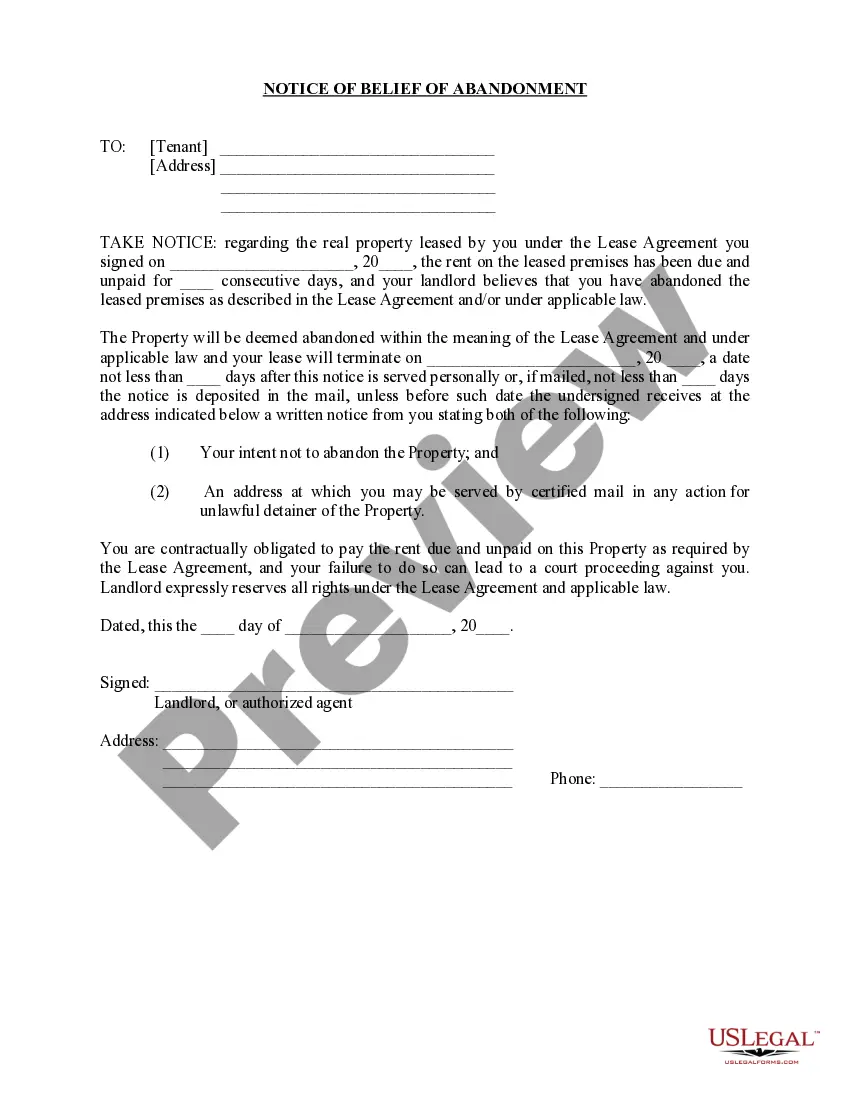
Abandonment of rental property in Texas occurs when a tenant leaves the premises without notifying the landlord and intends not to return. This can create complications for both parties, especially around security deposits and lease agreements. If you’re facing such a situation, uslegalforms offers helpful templates and legal guidance to address potential issues. Understanding your rights in tenant landlord shut for Texas can empower you during this process.
To report your landlord in Texas, start by documenting any violations of your rental agreement or state law. You can file a complaint with your local housing authority or the Texas Attorney General's office. Additionally, consider using uslegalforms to access resources that guide you through the process. It’s important to gather evidence and be clear about your issues, especially if these relate to tenant landlord shut for Texas.
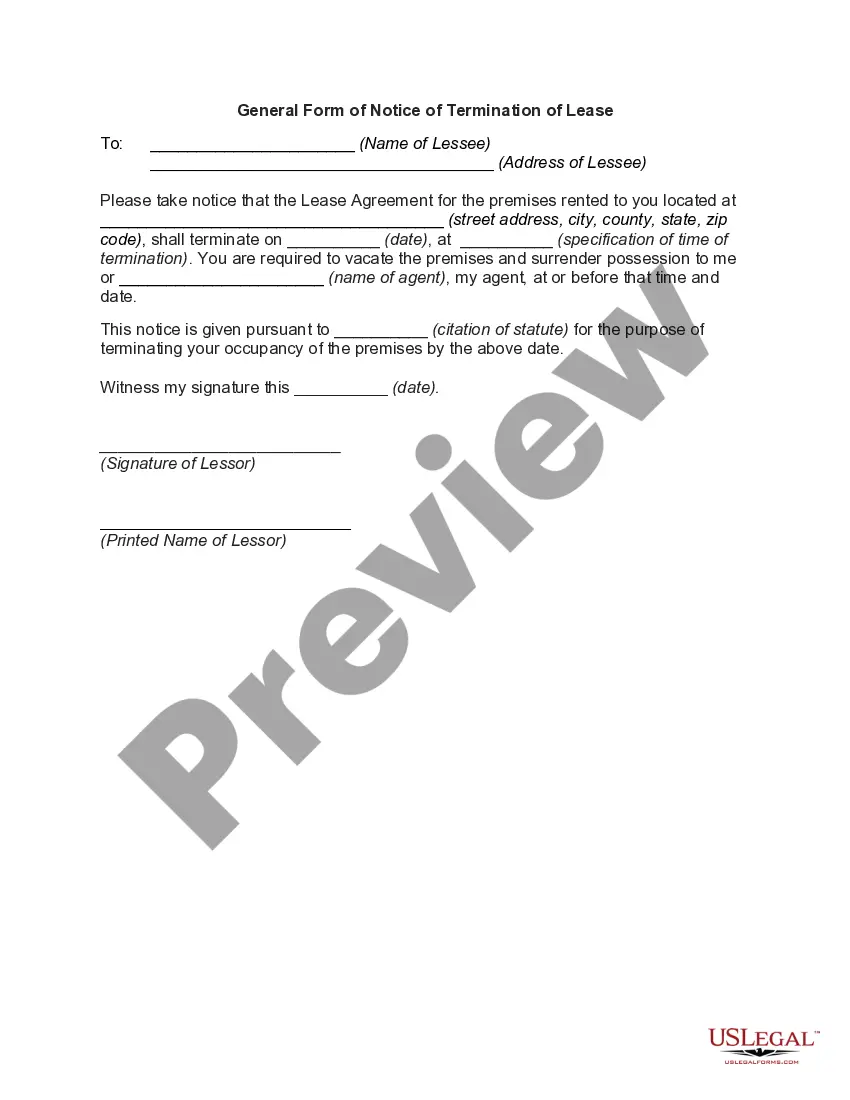
To legally terminate a lease in Texas, you must provide proper notice according to the lease terms and Texas law. This often requires a written notice detailing your intent to vacate. Make sure you fulfill any obligations stated in your lease to avoid penalties. Consider using USLegalForms for templates and guidance that align with the processes involved in tenant landlord shut for Texas.
In Texas, a landlord generally cannot lock out a tenant without following legal procedures. Eviction must go through the courts, ensuring tenants have their rights protected. If a landlord attempts to lock you out without a court order, they may face legal consequences. Always refer to resources like USLegalForms for clarity on tenant landlord shut for Texas and your rights.
Responding to a termination notice from your tenant requires a calm and professional approach. Begin by reviewing the notice to ensure it complies with Texas laws. If the notice is valid, acknowledge receipt and confirm the next steps regarding their move-out. For specific wording and legal advice, consider using resources from USLegalForms to guide you through the nuances of tenant landlord shut for Texas.
Writing a 30-day notice to vacate in Texas involves providing clear details to your landlord. Start by including your name, address, and the date you intend to move out. Make sure to express your intention to vacate and deliver this notice within your lease's required timeframe. Utilize USLegalForms to access templates that simplify the process, making it easier for you during this transitional period in your tenant landlord shut for Texas.
To break your lease without penalty in Texas, you need to meet specific criteria. For instance, if the rental property is uninhabitable or if you face domestic violence, you may have legal grounds to terminate your lease. It’s essential to document these situations and inform your landlord appropriately. Consult resources such as USLegalForms for guidance on your rights under the tenant landlord shut for Texas.
In Texas, landlords cannot retaliate against tenants for exercising their rights, such as reporting health and safety violations. Additionally, they cannot change locks or shut off utilities in an effort to force a tenant out. Understanding these illegal actions is crucial for protecting yourself as a tenant. For detailed legal insights, consider using services like USLegalForms.
The eviction process in Texas typically begins after a landlord issues a three-day notice to vacate due to non-payment. If the tenant does not comply, the landlord can file for eviction in court. This process can take a few weeks, depending on various factors, including court schedules. Resources from USLegalForms can help navigate this timeline.
No, in Texas, a landlord is prohibited from shutting off utilities as a way to enforce payment of overdue rent. This practice is considered illegal and can lead to legal consequences for the landlord. If you face such issues, it is important to know your rights. For further guidance, resources from USLegalForms can assist you.