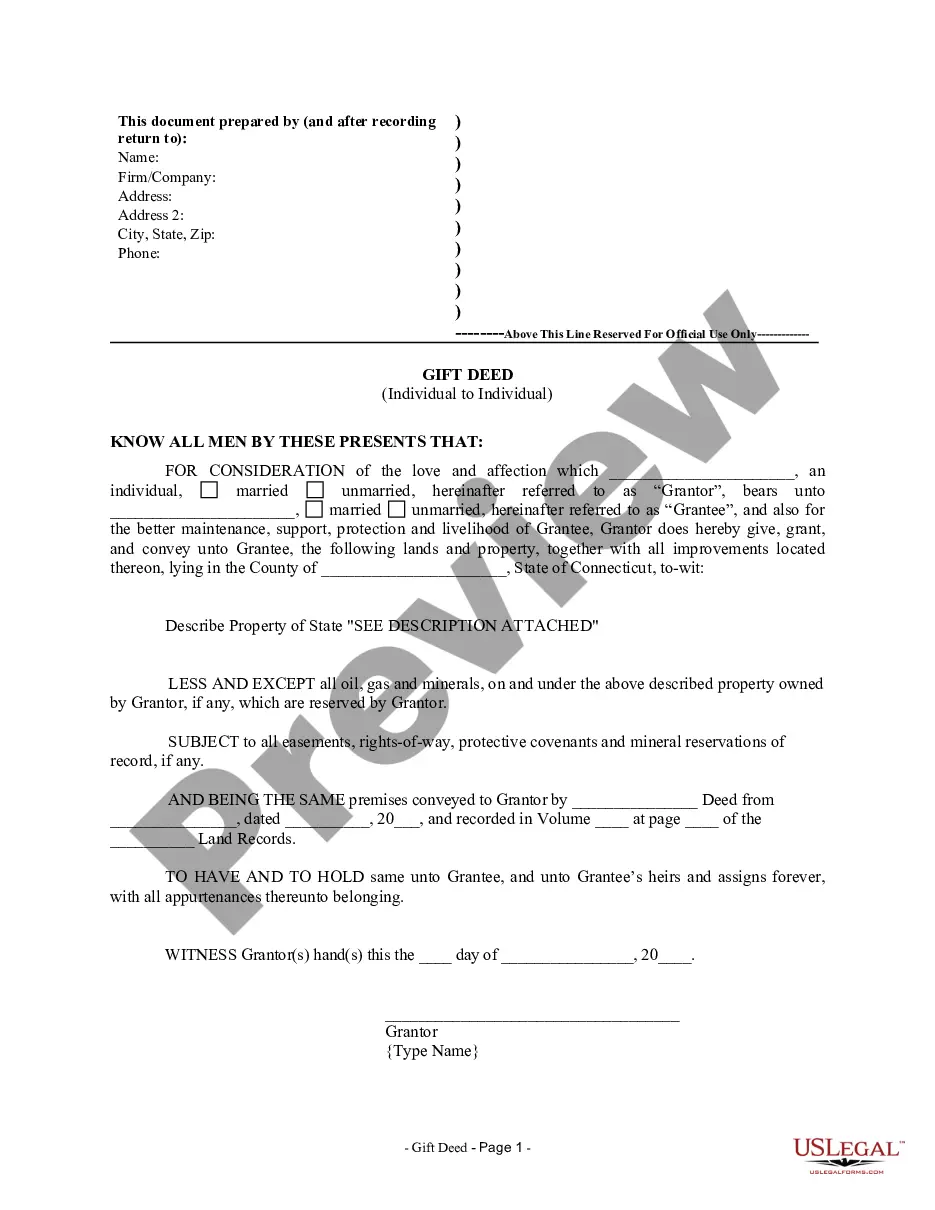
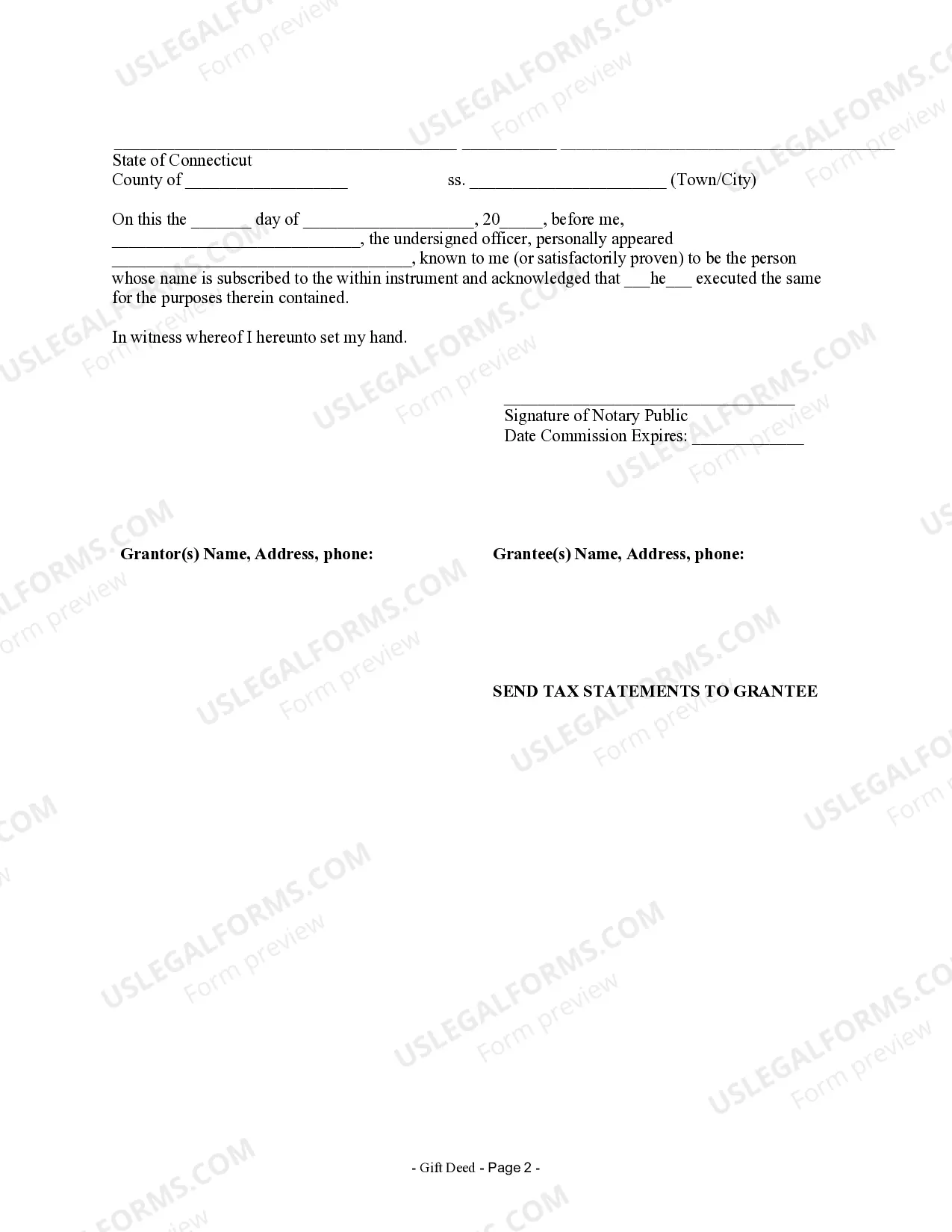
Connecticut Deed Of Trust

Description
Get your form ready online
Our built-in tools help you complete, sign, share, and store your documents in one place.
Make edits, fill in missing information, and update formatting in US Legal Forms—just like you would in MS Word.
Download a copy, print it, send it by email, or mail it via USPS—whatever works best for your next step.
Sign and collect signatures with our SignNow integration. Send to multiple recipients, set reminders, and more. Go Premium to unlock E-Sign.
If this form requires notarization, complete it online through a secure video call—no need to meet a notary in person or wait for an appointment.
We protect your documents and personal data by following strict security and privacy standards.

Make edits, fill in missing information, and update formatting in US Legal Forms—just like you would in MS Word.

Download a copy, print it, send it by email, or mail it via USPS—whatever works best for your next step.

Sign and collect signatures with our SignNow integration. Send to multiple recipients, set reminders, and more. Go Premium to unlock E-Sign.

If this form requires notarization, complete it online through a secure video call—no need to meet a notary in person or wait for an appointment.

We protect your documents and personal data by following strict security and privacy standards.
Looking for another form?



How to fill out Connecticut Gift Deed For Individual To Individual?
When you have to file the Connecticut Deed Of Trust following your local state's laws, there may be numerous options to select from.
There's no need to inspect each form to verify it meets all the legal requirements if you are a US Legal Forms member.
It is a trustworthy resource that can assist you in obtaining a reusable and current template on any subject.
Using professionally prepared official documentation becomes simple with US Legal Forms. Additionally, Premium users can utilize the robust integrated features for online document modification and signing. Try it out today!
- US Legal Forms is the largest online repository with a compilation of over 85,000 ready-to-use documents for business and personal legal matters.
- All templates are verified to comply with each state's regulations.
- Consequently, when you download the Connecticut Deed Of Trust from our site, you can be assured that you possess a legitimate and updated document.
- Acquiring the necessary template from our platform is extremely straightforward.
- If you already have an account, simply Log In to the system, ensure your subscription is active, and save the chosen file.
- In the future, you can access the My documents section in your profile and keep access to the Connecticut Deed Of Trust at any point.
- If this is your first interaction with our library, please follow the instructions below.
- Visit the suggested page and verify it for adherence to your standards.
Form popularity
FAQ
Connecticut recognizes several types of deeds including warranty deeds, quitclaim deeds, and the deed of trust. A warranty deed guarantees that the seller holds clear title to the property, while a quitclaim deed transfers any interest the seller may have without guarantees. Understanding these types is crucial for anyone engaging in property transactions within the state.
You can obtain a copy of the deed to your house in Connecticut by contacting your local town clerk’s office. Most clerks maintain public records, which often include your Connecticut deed of trust. If you prefer convenience, you can also check if your town has an online portal for property records, which allows you to access your deed easily.
To obtain a copy of your deed in Connecticut, visit your local town clerk's office where the property is located. You can request a copy in person or through the mail, depending on your preferences. Additionally, many towns offer online databases where you can search for and access your Connecticut deed of trust remotely.
In Connecticut, a trust deed must meet specific requirements to be valid, including a clear identification of the parties involved, a detailed description of the property, and the appropriate signatures. The deed must also be notarized and recorded with the town clerk to be legally binding. Additionally, it is important to be aware of state laws governing trust deeds, as they can vary. Utilizing US Legal Forms can help you navigate these legal nuances and create a compliant Connecticut deed of trust.
To add a name to a deed in Connecticut, you must create a new deed that includes both the current and new owner. This process typically involves drafting a quitclaim deed or warranty deed, which must then be signed by the current owner. Ensure to properly file the new deed with the town clerk in the relevant jurisdiction to make it official. Using a service like US Legal Forms can simplify this process, providing you with the necessary forms and guidance tailored to Connecticut deed of trust.
You can request a copy of your Connecticut deed of trust from the county recorder's office where the document was originally filed. Most counties provide an online database for easy access to public records. Alternatively, you can visit the US Legal Forms website to find detailed information about your Connecticut deed of trust and obtain copies of necessary documents. This ensures you have the correct and up-to-date information you need.
To obtain a Connecticut deed of trust, you should start by contacting a licensed attorney or a title company. They can help you understand the specific requirements and guide you through the process. Additionally, platforms like US Legal Forms offer templates and resources that simplify the creation and filing of a Connecticut deed of trust. By utilizing these services, you can ensure your document meets state regulations and is executed correctly.
Establishing a trust in Connecticut involves defining your goals and selecting a trustee. You will also need to transfer assets into the trust to fund it effectively. For assistance, consider uslegalforms, which offers tools and templates that can help you navigate the complexities of setting up a Connecticut deed of trust smoothly.
To form a trust in Connecticut, you begin by determining the type of trust that fits your needs. You will then draft a trust agreement, which outlines the terms and beneficiaries. Consider utilizing online platforms like uslegalforms to guide you through the creation of a Connecticut deed of trust, as these resources simplify the legal processes involved.
You can file your CT 1041 tax return with the Connecticut Department of Revenue Services. This form is necessary for reporting income generated by your trust, including those established under a Connecticut deed of trust. Make sure to follow the specific filing guidelines to ensure compliance with state regulations.