Life Estate Deed Connecticut Without A Will

Description
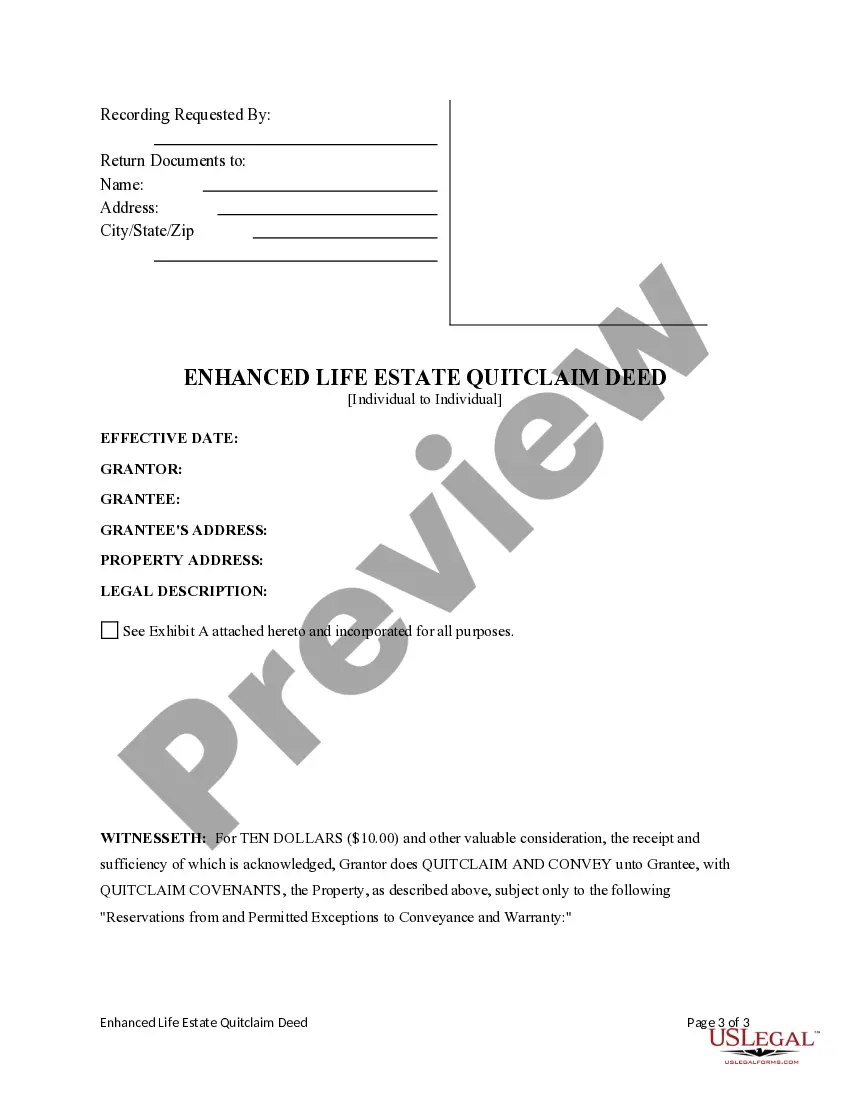
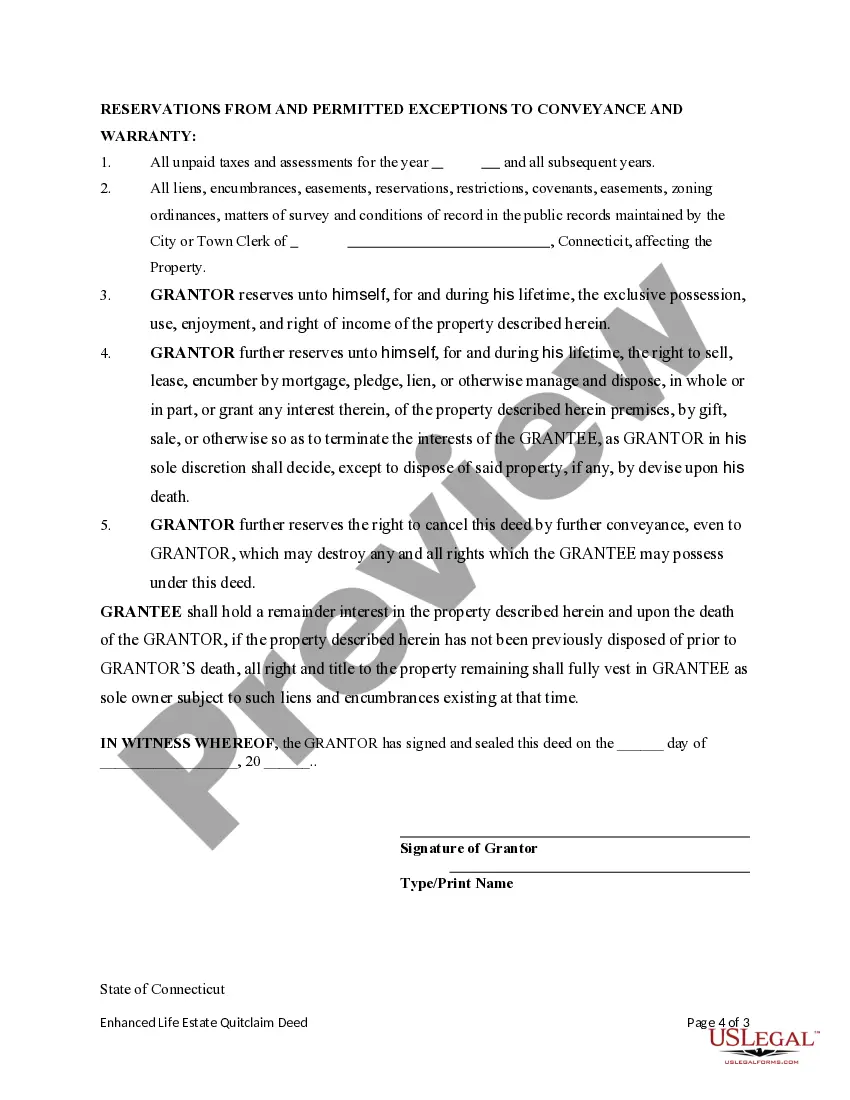
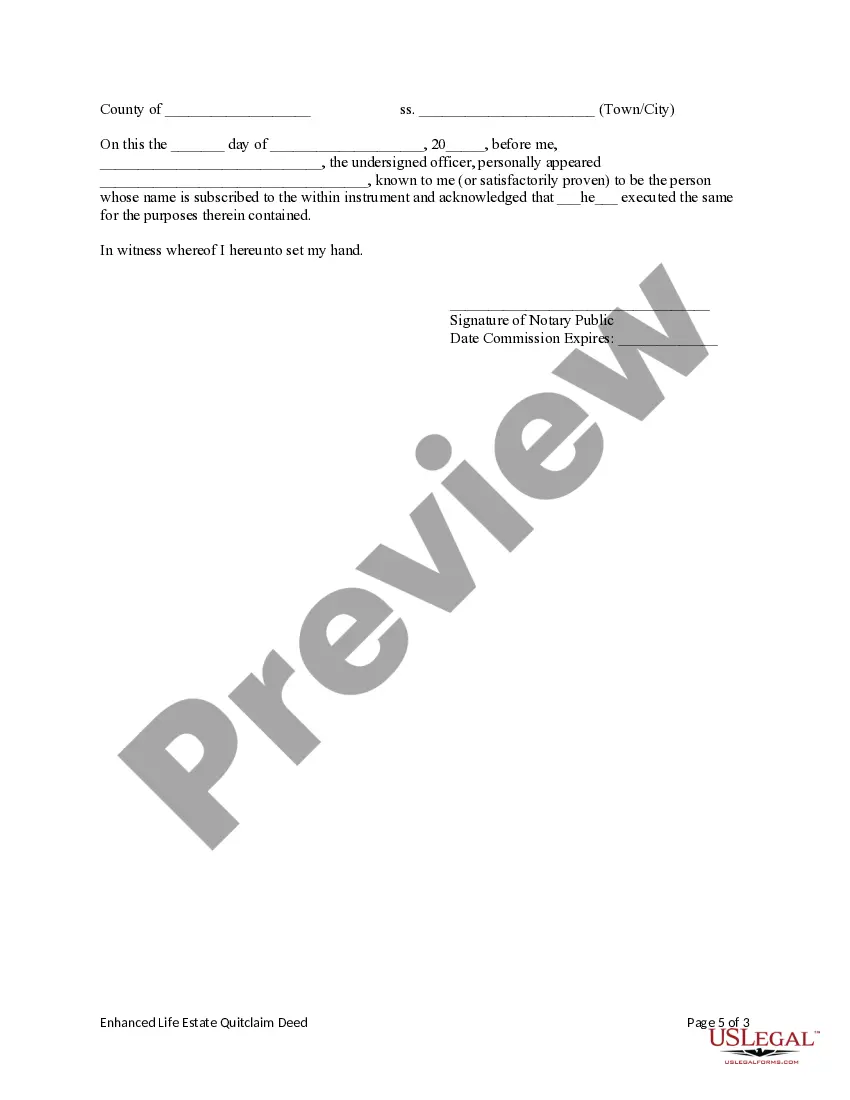
Get your form ready online
Our built-in tools help you complete, sign, share, and store your documents in one place.
Make edits, fill in missing information, and update formatting in US Legal Forms—just like you would in MS Word.
Download a copy, print it, send it by email, or mail it via USPS—whatever works best for your next step.
Sign and collect signatures with our SignNow integration. Send to multiple recipients, set reminders, and more. Go Premium to unlock E-Sign.
If this form requires notarization, complete it online through a secure video call—no need to meet a notary in person or wait for an appointment.
We protect your documents and personal data by following strict security and privacy standards.

Make edits, fill in missing information, and update formatting in US Legal Forms—just like you would in MS Word.

Download a copy, print it, send it by email, or mail it via USPS—whatever works best for your next step.

Sign and collect signatures with our SignNow integration. Send to multiple recipients, set reminders, and more. Go Premium to unlock E-Sign.

If this form requires notarization, complete it online through a secure video call—no need to meet a notary in person or wait for an appointment.

We protect your documents and personal data by following strict security and privacy standards.
Looking for another form?
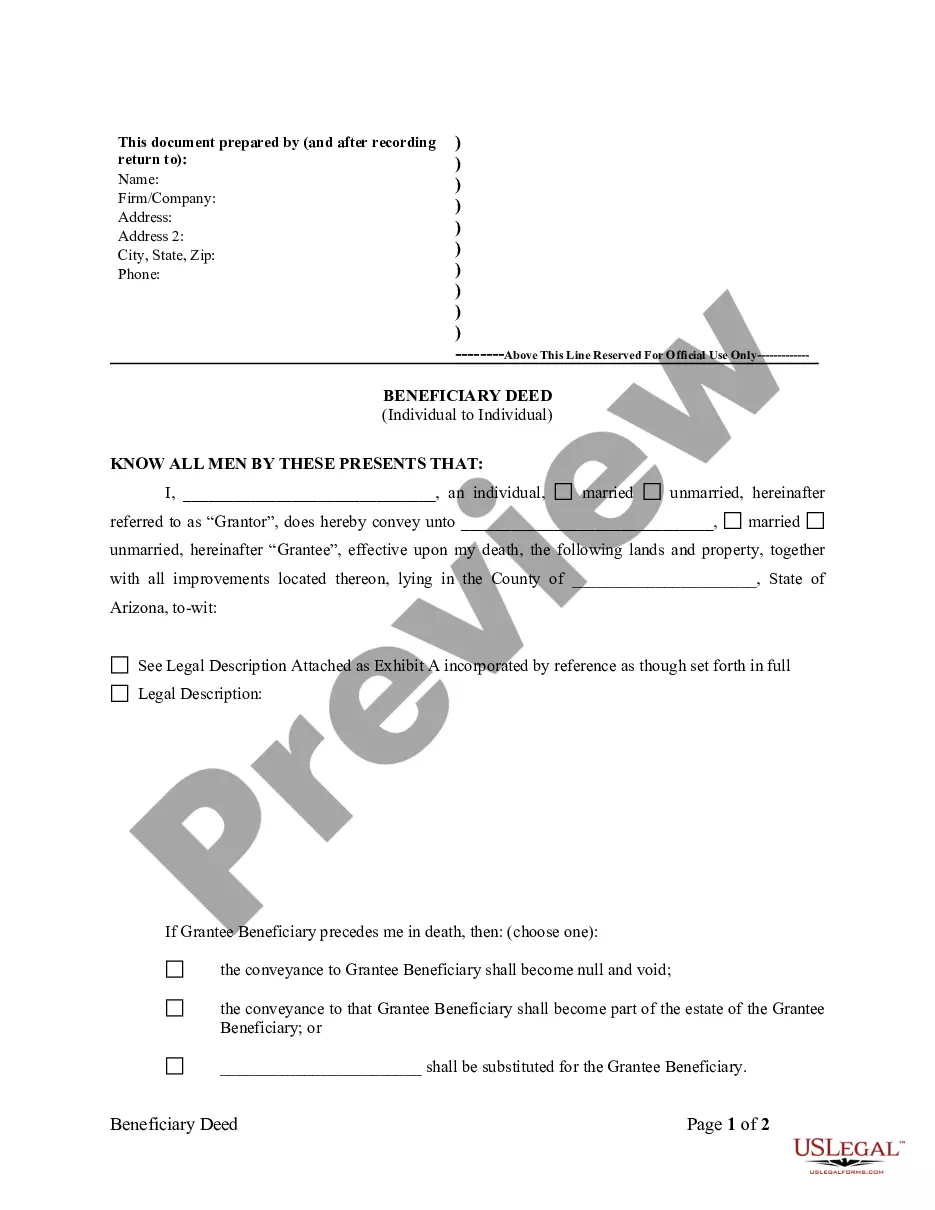
How to fill out Connecticut Enhanced Life Estate Or Lady Bird Quitclaim Deed - Individual To Individual?
Dealing with legal paperwork and tasks can be a lengthy addition to your day.
Life Estate Deed Connecticut Without A Will and similar documents generally require you to search for them and comprehend how to fill them out correctly.
Thus, whether you are managing financial, legal, or personal affairs, having a comprehensive and user-friendly online resource of forms readily available will significantly help.
US Legal Forms is the premier online platform for legal templates, providing over 85,000 state-specific forms along with various resources that will assist you in completing your documents swiftly.
Simply Log In to your account, search for Life Estate Deed Connecticut Without A Will, and obtain it immediately from the My documents section. You can also access forms you have previously saved.
- Explore the collection of pertinent documents accessible to you with just one click.
- US Legal Forms offers you forms that are specific to your state and county, available at any time for download.
- Safeguard your document management processes with a high-quality service that allows you to prepare any form within minutes without any supplementary or concealed fees.
Form popularity
FAQ
If there is no will, you can still get heir property in your name by filing an application for a life estate deed in Connecticut. This deed allows you to claim your share of the property and establish legal ownership without the lengthy probate process. Platforms like US Legal Forms can guide you through the necessary steps to ensure you complete this correctly and efficiently.
When a person dies intestate, or without a will, state laws dictate the distribution of their property. Typically, immediate family members, such as spouses and children, have priority in inheriting the estate. Understanding these laws in Connecticut is crucial, especially when considering a life estate deed to clarify ownership when no formal estate plan exists.
In Connecticut, heirs generally have a period of 18 months from the date of death to claim property. After this, the property may become part of the estate process, which can complicate access. However, utilizing a life estate deed in Connecticut without a will can help streamline your claim, ensuring that your interests are protected.
To transfer heir property into your name, begin by gathering the necessary documents, including the death certificate and any proof of relationship to the deceased. Completing a life estate deed, particularly in Connecticut, is a practical way to formalize your claim. This process allows you to establish ownership of the property, even in situations where a will does not exist.
To transfer property without a will in Connecticut, you can utilize a life estate deed, which allows you to designate someone to inherit your property automatically upon your passing. This method ensures that your property bypasses the probate process and reduces confusion over ownership. Using the US Legal Forms platform can simplify the creation of a life estate deed Connecticut without a will, providing the necessary templates and guidance tailored to your needs. This approach makes transferring property straightforward and efficient.
When someone dies without a will in Connecticut, the state’s intestacy laws determine how their property gets divided. Typically, this means the deceased’s assets go to surviving relatives, like a spouse or children. However, if you want to streamline the transfer of property in such situations, consider a life estate deed Connecticut without a will. This can offer a clear path for transferring property to designated beneficiaries, helping avoid potential disputes.
When a property is transferred through a life estate deed in Connecticut, the remainderman might face specific tax implications. Generally, they will not owe property taxes until they take possession of the property after the life tenant's passing. However, inheriting a property may lead to capital gains taxes if the remainderman sells the property later. Consulting with a taxation expert can clarify these issues when dealing with a life estate deed Connecticut without a will.
A life estate may limit your ability to act freely regarding your property. For instance, you cannot sell or mortgage the property without the consent of the remainderman, who will inherit the property after your death. Additionally, if the life tenant incurs debts or liabilities, these might affect the property. Understanding these drawbacks is crucial when considering a life estate deed Connecticut without a will.
Yes, you can sell a home with a life estate deed in Connecticut. However, it is essential to understand that the life tenant, the person who holds the life estate, retains the right to occupy the property until their death. If you sell the property, the buyer will take ownership, but the life tenant will continue to live there. Therefore, be aware of the limitations and obligations that come with selling a home under a life estate deed Connecticut without a will.
A life estate in Connecticut is a form of property ownership that offers certain rights to the owner for as long as they live. This arrangement allows the owner to reside in and use the property while concurrently designating a future owner, known as the remainderman. When the owner passes away, the property automatically transfers to the remainderman, simplifying the estate transfer process and avoiding the complications that come with probate. Utilizing uslegalforms can help you navigate these legal processes effectively.