Colorado Landlord Tenant Law Changes
Description
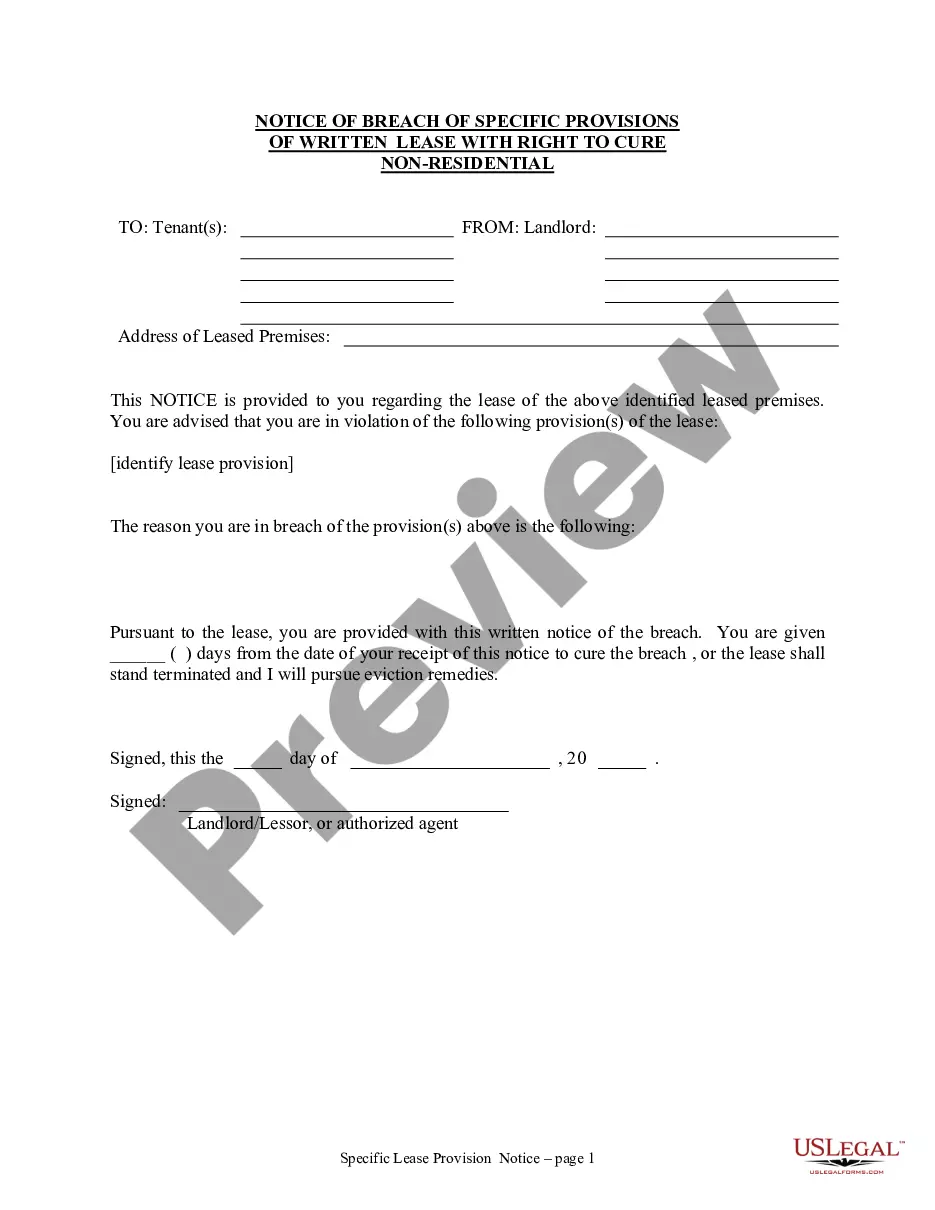
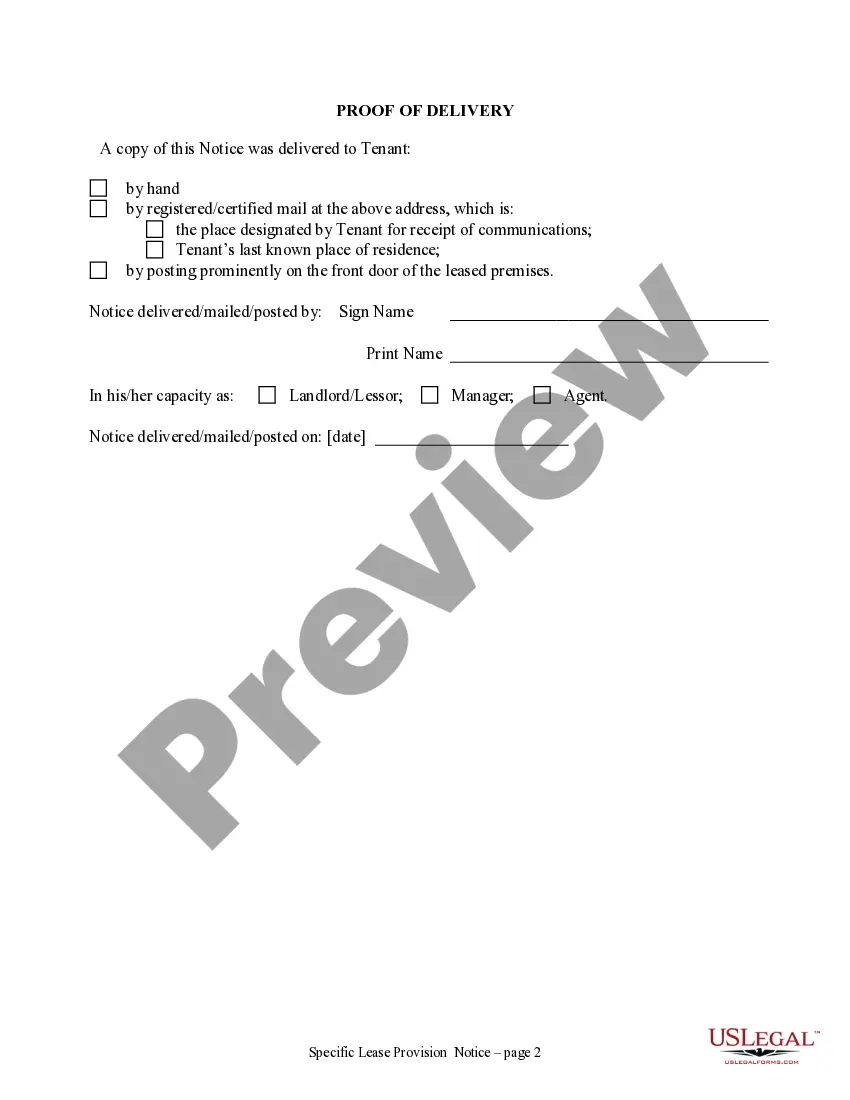


Get your form ready online
Our built-in tools help you complete, sign, share, and store your documents in one place.
Make edits, fill in missing information, and update formatting in US Legal Forms—just like you would in MS Word.
Download a copy, print it, send it by email, or mail it via USPS—whatever works best for your next step.
Sign and collect signatures with our SignNow integration. Send to multiple recipients, set reminders, and more. Go Premium to unlock E-Sign.
If this form requires notarization, complete it online through a secure video call—no need to meet a notary in person or wait for an appointment.
We protect your documents and personal data by following strict security and privacy standards.

Make edits, fill in missing information, and update formatting in US Legal Forms—just like you would in MS Word.

Download a copy, print it, send it by email, or mail it via USPS—whatever works best for your next step.

Sign and collect signatures with our SignNow integration. Send to multiple recipients, set reminders, and more. Go Premium to unlock E-Sign.

If this form requires notarization, complete it online through a secure video call—no need to meet a notary in person or wait for an appointment.

We protect your documents and personal data by following strict security and privacy standards.
Looking for another form?









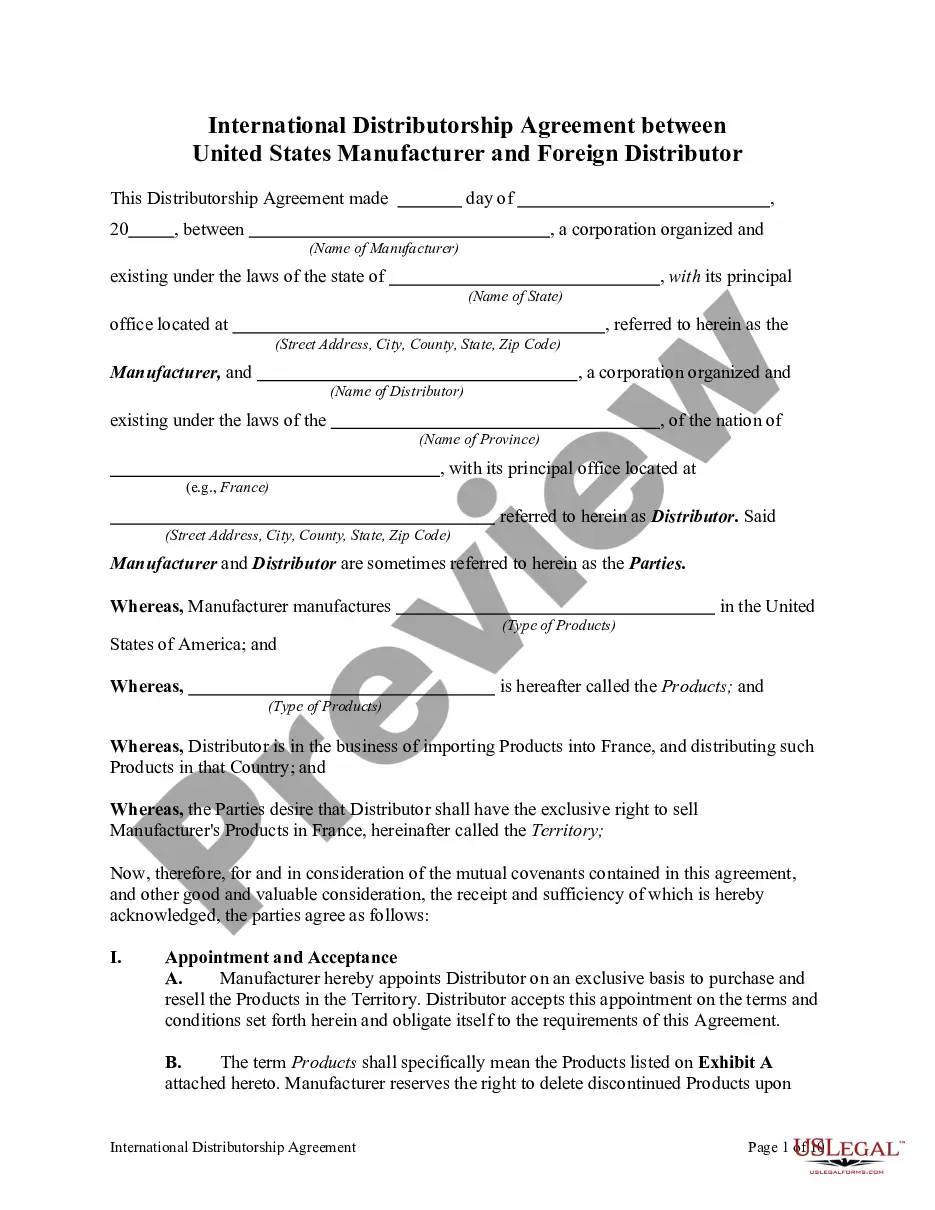
How to fill out Colorado Notice Of Breach Of Written Lease For Violating Specific Provisions Of Lease With Right To Cure For Nonresidential Property From Landlord To Tenant?
Whether for commercial reasons or for personal issues, everyone must confront legal circumstances sooner or later in their lifetime.
Completing legal forms requires meticulous care, starting with choosing the appropriate form template. For example, if you select an incorrect version of a Colorado Landlord Tenant Law Changes, it will be declined once submitted. Thus, it is crucial to obtain a trustworthy source of legal documents like US Legal Forms.
With a vast US Legal Forms catalog available, you don’t have to waste time searching for the appropriate sample online. Take advantage of the library’s user-friendly navigation to locate the right template for any circumstance.
- Locate the template you require by using the search bar or catalog navigation.
- Examine the form’s details to confirm it fits your case, state, and county.
- Click on the form’s preview to review it.
- If it is the wrong document, return to the search feature to find the Colorado Landlord Tenant Law Changes template you need.
- Download the template when it aligns with your specifications.
- If you possess a US Legal Forms account, click Log in to access previously saved templates in My documents.
- If you do not have an account yet, you can download the form by clicking Buy now.
- Select the appropriate pricing option.
- Fill out the profile registration form.
- Choose your payment method: either a credit card or PayPal account.
- Select the file format you desire and download the Colorado Landlord Tenant Law Changes.
- Once it is downloaded, you can complete the form using editing software or print it and fill it out manually.
Form popularity
FAQ
As of October 1, 2021, Colorado adopted a grace period law. It states that Colorado landlords can't charge late rent fees until rent is seven days late. Plus, late fees are capped at $50 or 5% of the amount of past due rent, whichever is greater. To charge a late fee, landlords must disclose it in the rental agreement.
Senate Bill 23-184 will cap the minimum income requirements to twice the cost of monthly rent. Right now, landlords can require tenants to make at least three times what they charge for rent.
In Colorado rent increments are not controlled by the state, meaning the landlord can raise rent to any amount that they wish if they feel it is necessary ing to the rental market.
The new law prohibits landlords from requiring that tenants waive certain legal rights in their leases, like the ability to participate in class-action lawsuits or jury trials. It also prohibits landlords from charging renters a penalty if the renter doesn't give notice that they aren't renewing their lease.
Signed into law on June 5, 2023, HB23-1095 comes into effect this August. This bill prohibits certain provisions in leases or rental agreements. If your lease contains any of these provisions, they will not be enforceable after the effective date. by third parties outside the control of the landlord.