Notice Period For Rent Increase Nsw
Description
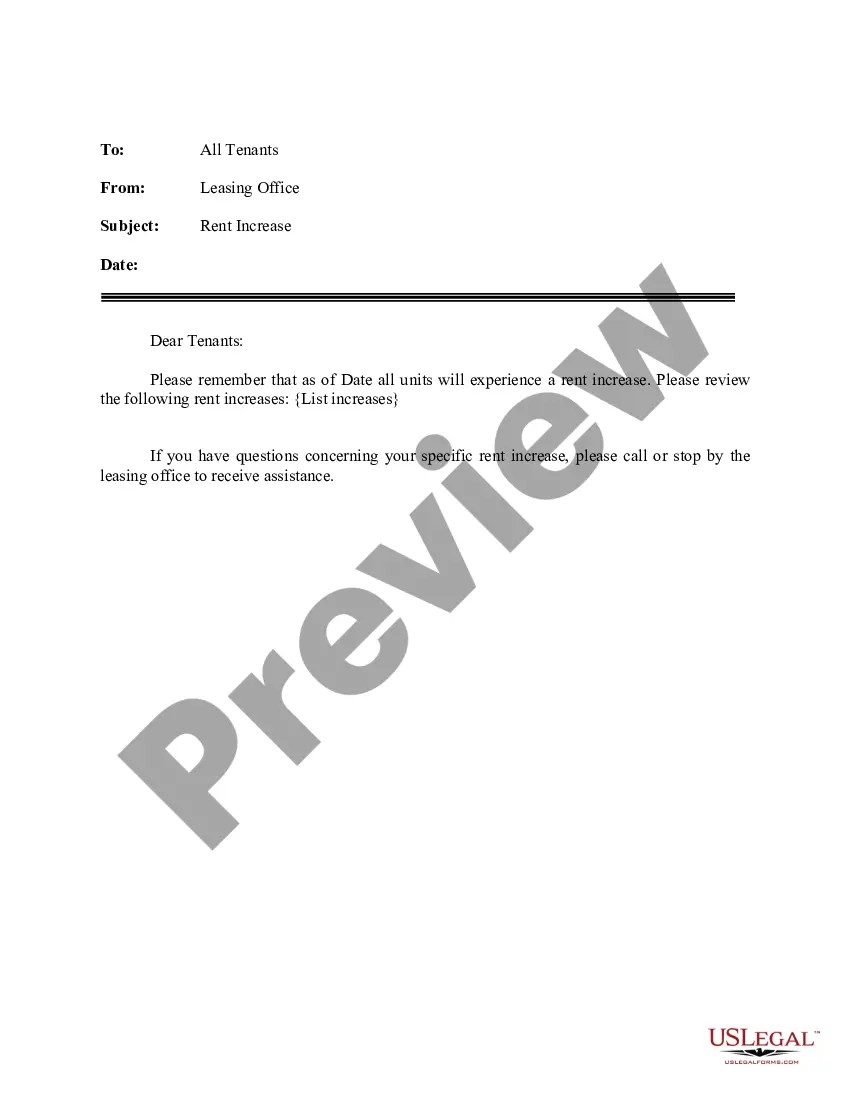

Get your form ready online
Our built-in tools help you complete, sign, share, and store your documents in one place.
Make edits, fill in missing information, and update formatting in US Legal Forms—just like you would in MS Word.
Download a copy, print it, send it by email, or mail it via USPS—whatever works best for your next step.
Sign and collect signatures with our SignNow integration. Send to multiple recipients, set reminders, and more. Go Premium to unlock E-Sign.
If this form requires notarization, complete it online through a secure video call—no need to meet a notary in person or wait for an appointment.
We protect your documents and personal data by following strict security and privacy standards.

Make edits, fill in missing information, and update formatting in US Legal Forms—just like you would in MS Word.

Download a copy, print it, send it by email, or mail it via USPS—whatever works best for your next step.

Sign and collect signatures with our SignNow integration. Send to multiple recipients, set reminders, and more. Go Premium to unlock E-Sign.

If this form requires notarization, complete it online through a secure video call—no need to meet a notary in person or wait for an appointment.

We protect your documents and personal data by following strict security and privacy standards.
Looking for another form?


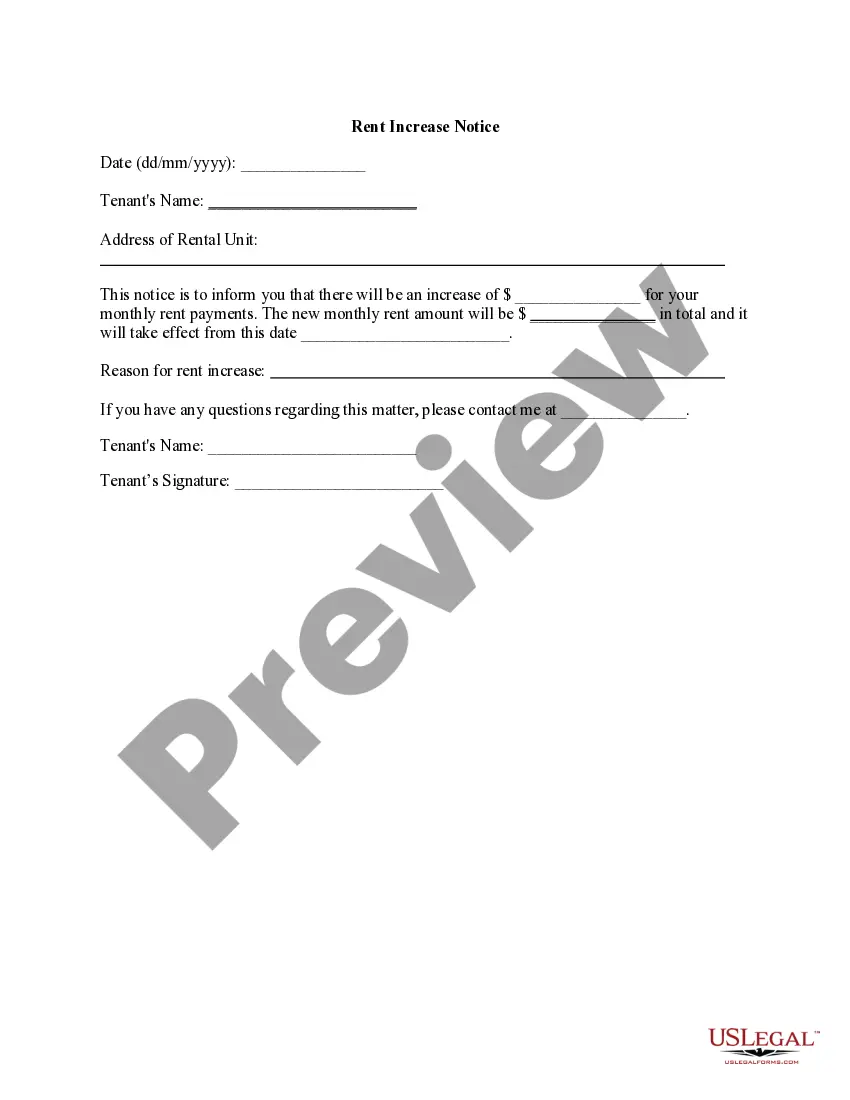


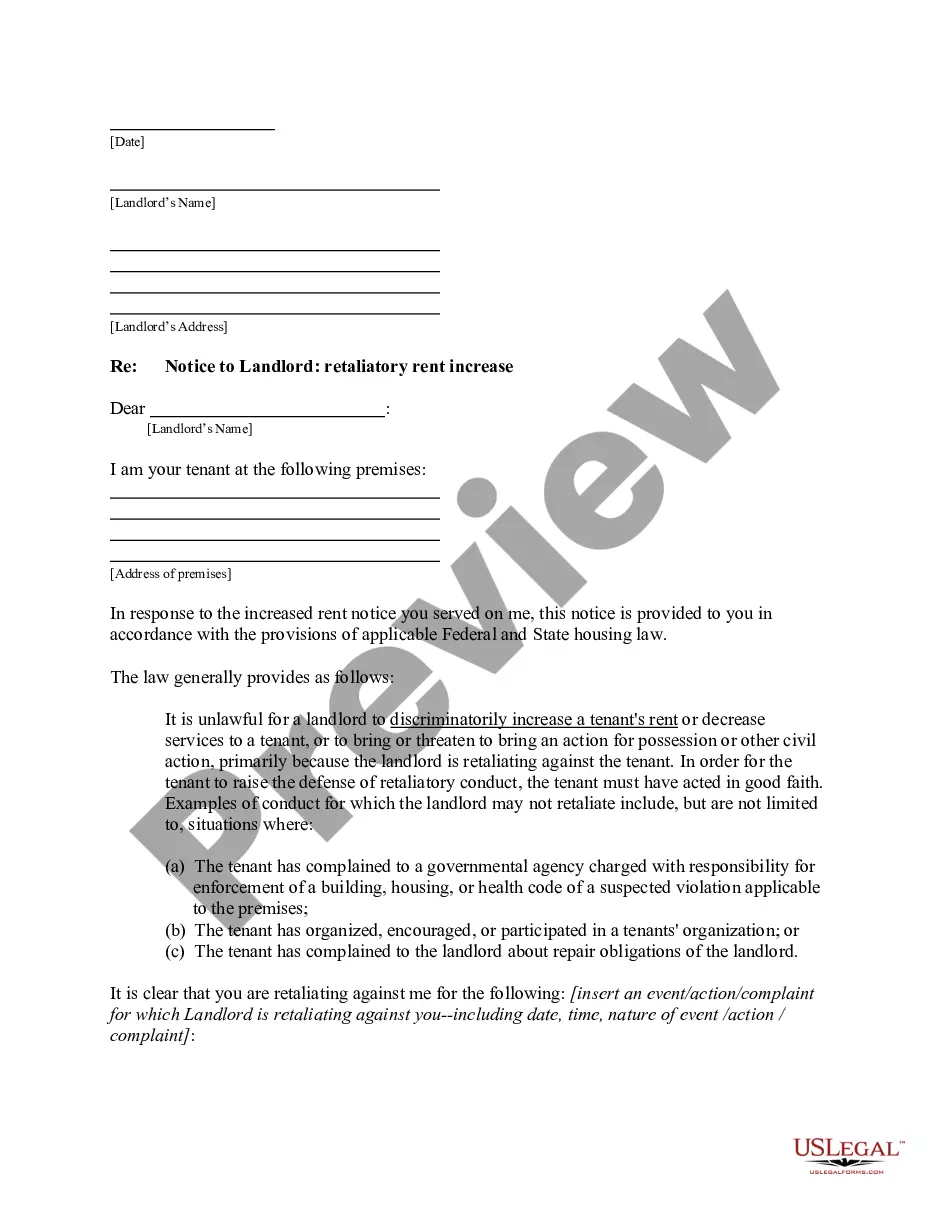
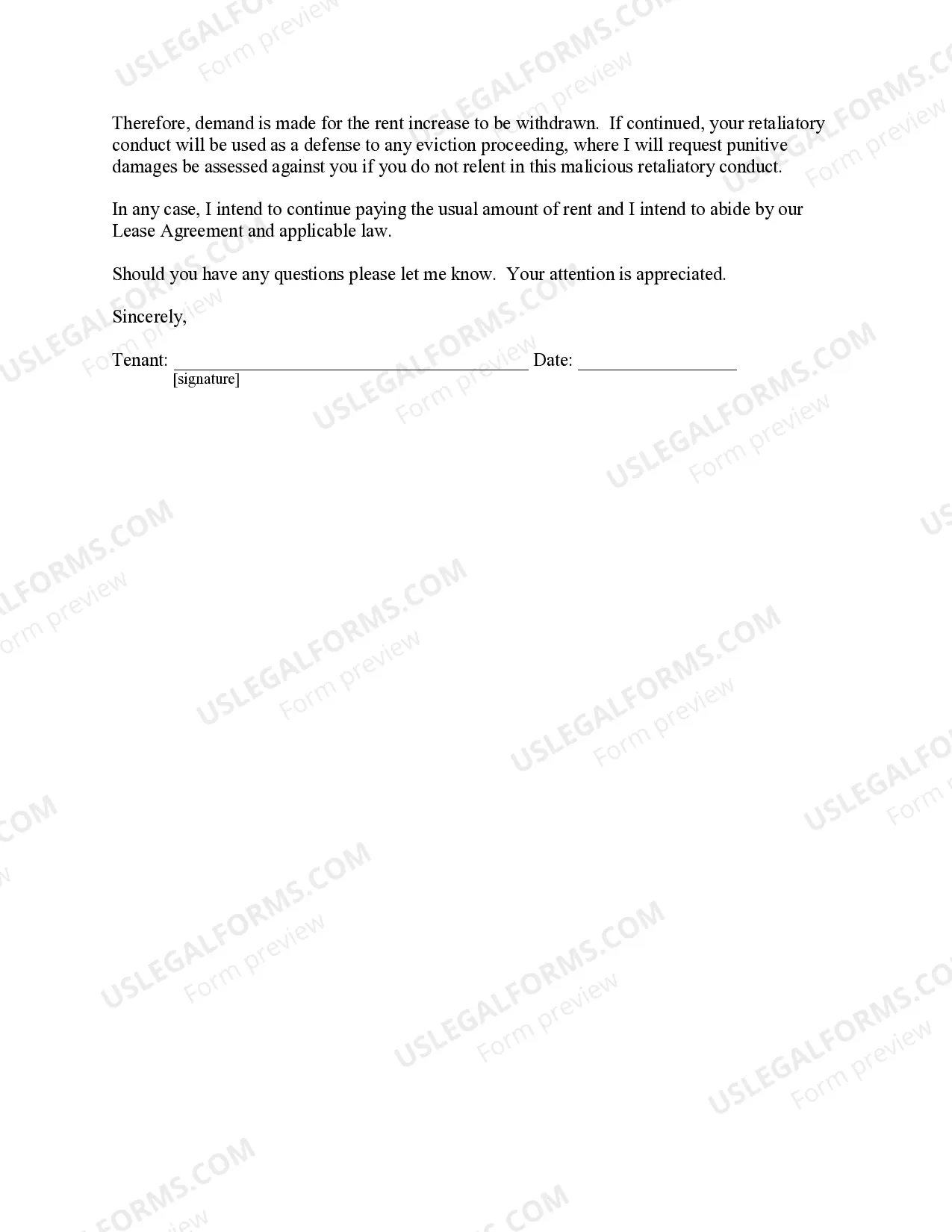
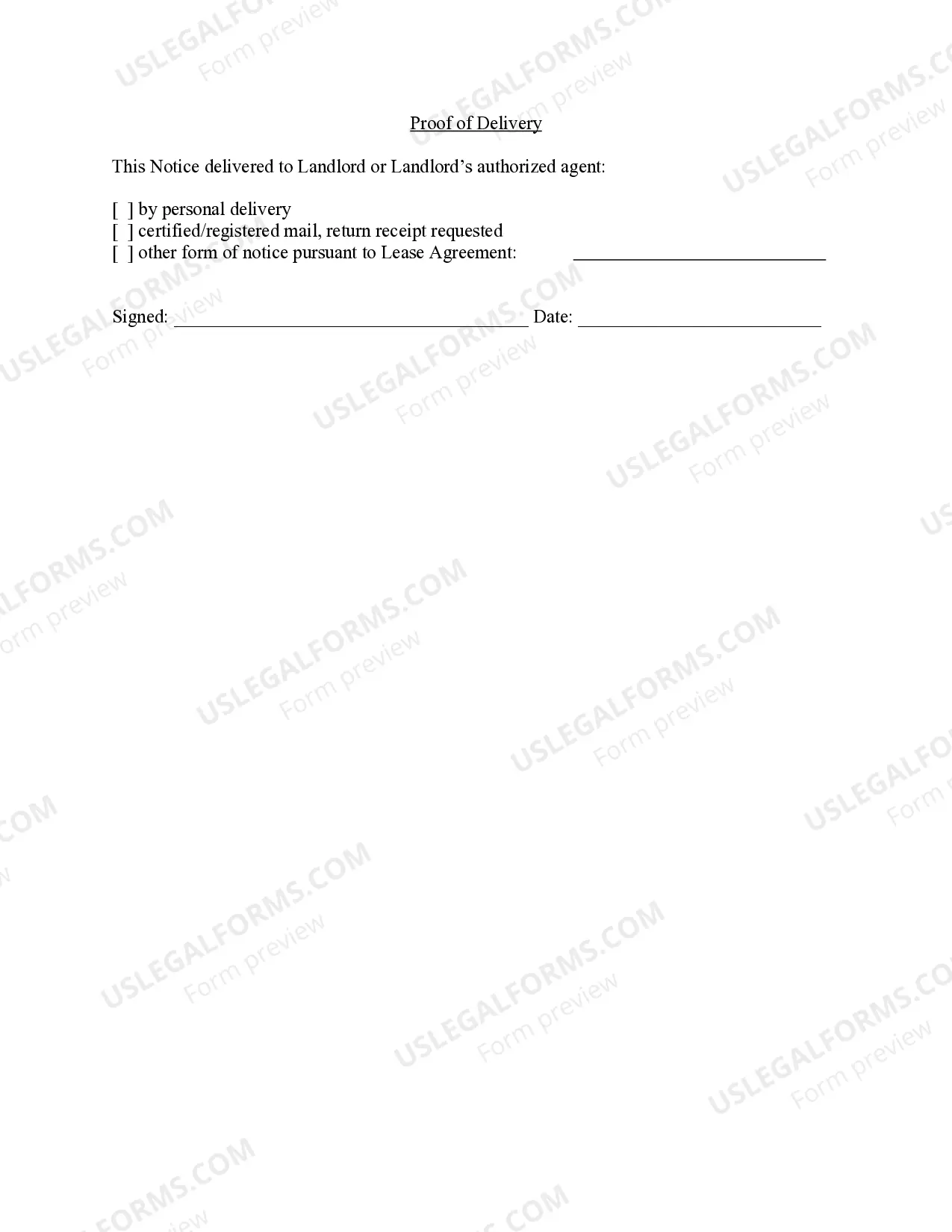
How to fill out Colorado Letter From Tenant To Landlord Containing Notice To Landlord To Withdraw Retaliatory Rent Increase?
- If you're a returning user, log in to your account. Ensure your subscription is active and click the Download button to retrieve the needed form.
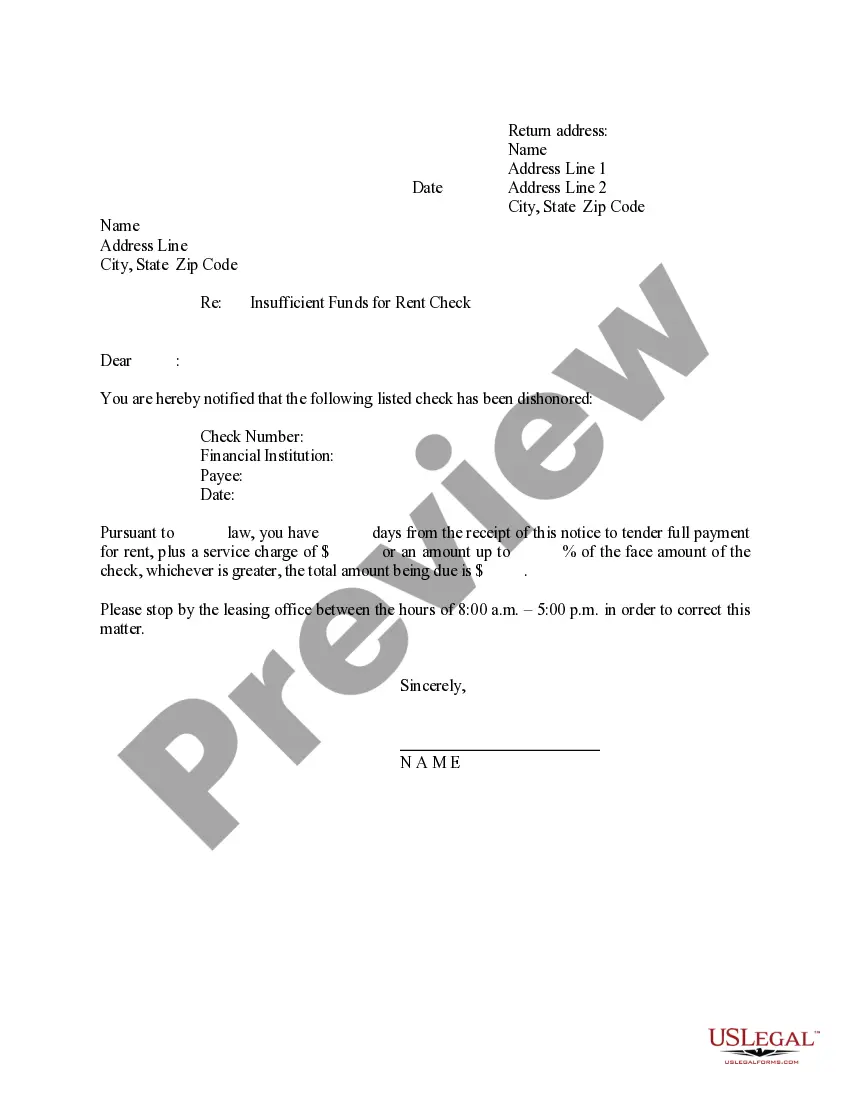
- For first-time users, start by previewing the available forms. Verify that your selected form corresponds to your needs and complies with NSW regulations.
- If adjustments are necessary or if you require a different template, utilize the Search feature to find the appropriate document.
- Select the form you need and click the Buy Now button. Choose a subscription plan that best suits your preferences and register for an account to access the library.
- Complete your purchase using a credit card or PayPal, ensuring that your payment details are secure.
- After payment, download your form directly to your device. You can access the saved document later through the My Forms section of your profile.
By taking advantage of US Legal Forms, you can manage your rental agreements with confidence. Their robust collection ensures that you have access to more forms than similar services at a comparable cost.
Don't hesitate! Start your seamless document preparation experience today by exploring our extensive online library.
Form popularity
FAQ
To request a reduction in rent, write a clear and polite letter to your landlord. Outline your reasons, such as changes in your financial situation or market comparisons, and suggest an appropriate new rental amount. This letter can also refer to any relevant laws regarding the notice period for rent increase in NSW.
When informing a tenant about a rent increase, be transparent about your decision. Explain the reasons for the increase, such as rising property costs or market conditions. Always mention the notice period for rent increase in NSW so the tenant understands their rights and obligations.
When writing a letter to inform a tenant of a rent increase, start with a clear subject line. State the current rent, the increased amount, and the effective date of the change. Don’t forget to include the required notice period for rent increase in NSW, ensuring clarity and compliance.
In NSW, the notice period for a rent increase is usually 60 days for residential tenancies. This notice must be provided in writing and should clearly outline the new rent amount. Ensure you receive this notice as it protects your rights as a tenant.
When approaching your landlord about a rent increase, clearly express your concerns in a respectful manner. Prepare to discuss your lease terms and your understanding of the notice period for rent increase in NSW. Open communication may lead to a mutually beneficial agreement, so be prepared to negotiate.
To write a formal letter to a tenant, start with the date and the tenant's address at the top. Clearly state the purpose of the letter in the introduction, such as notifying them of a rent increase. Finally, provide any necessary details, ensuring you include the notice period for rent increase in NSW if applicable.
In Texas, there is no state limit on how much a landlord can raise the rent, but landlords must provide proper notice. The notice period for a rent increase typically requires a 30-day notice for month-to-month leases. Always check your lease agreement for specific terms regarding rent changes.
There is no one-size-fits-all answer to how much a landlord can raise rent, as this varies widely depending on state laws and existing leases. It is crucial to check state-specific regulations regarding maximum increases. For those in NSW, understanding the notice period for rent increase is essential, and using tools like US Legal Forms can help clarify these details.
The highest percentage a landlord can increase rent largely depends on local regulations, which can vary by state and municipality. In many areas, there's often a guideline based on inflation or a set percentage limit. Keeping informed about the notice period for rent increase NSW allows tenants to respond appropriately to such changes.
Maine has specific statutes governing rent increases, where landlords must provide at least 30 days' notice before increasing rent. This ensures tenants have adequate time to prepare for changes. For a comprehensive understanding of the notice period for rent increase NSW and related laws, resources like US Legal Forms are invaluable.