Tenant Denial Letter With Reason
Description
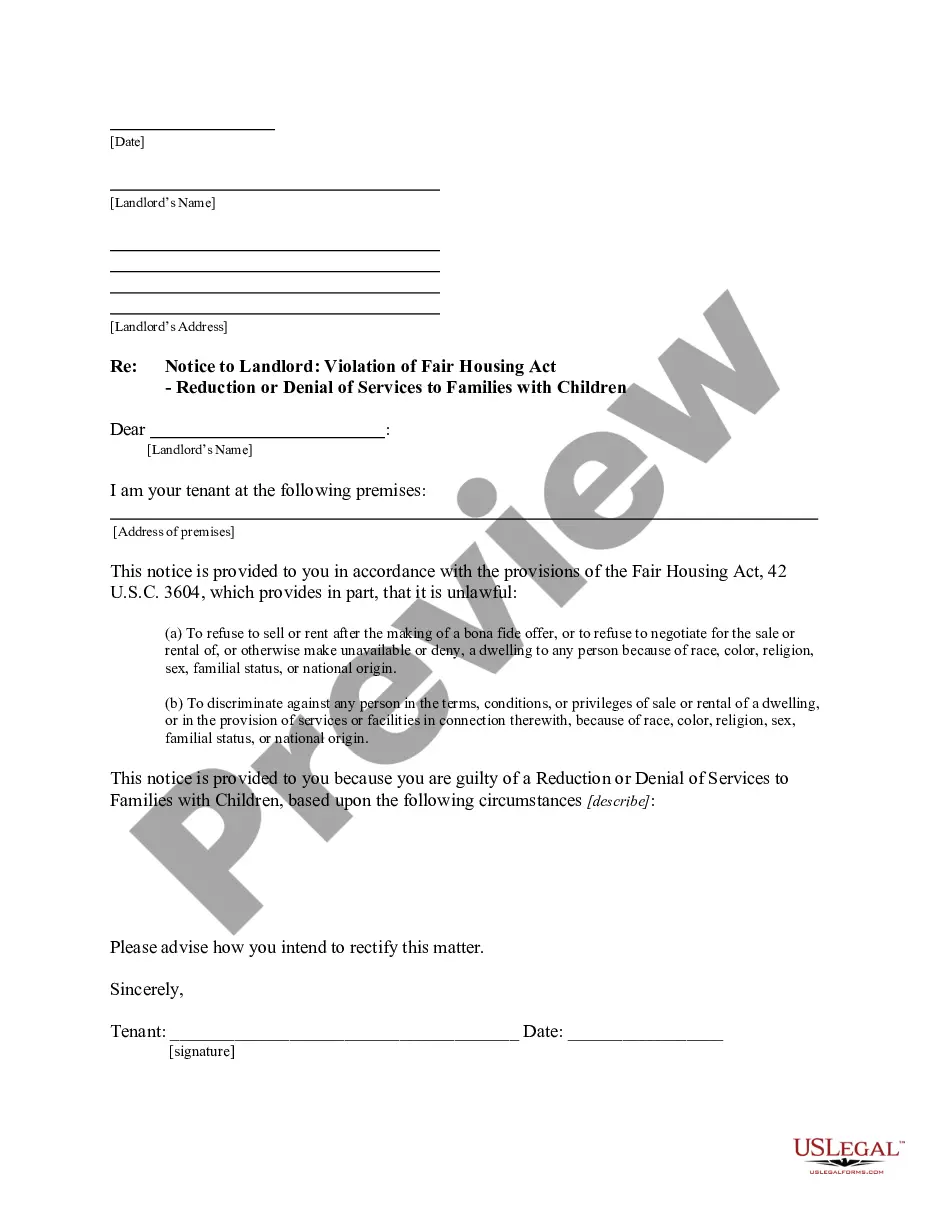
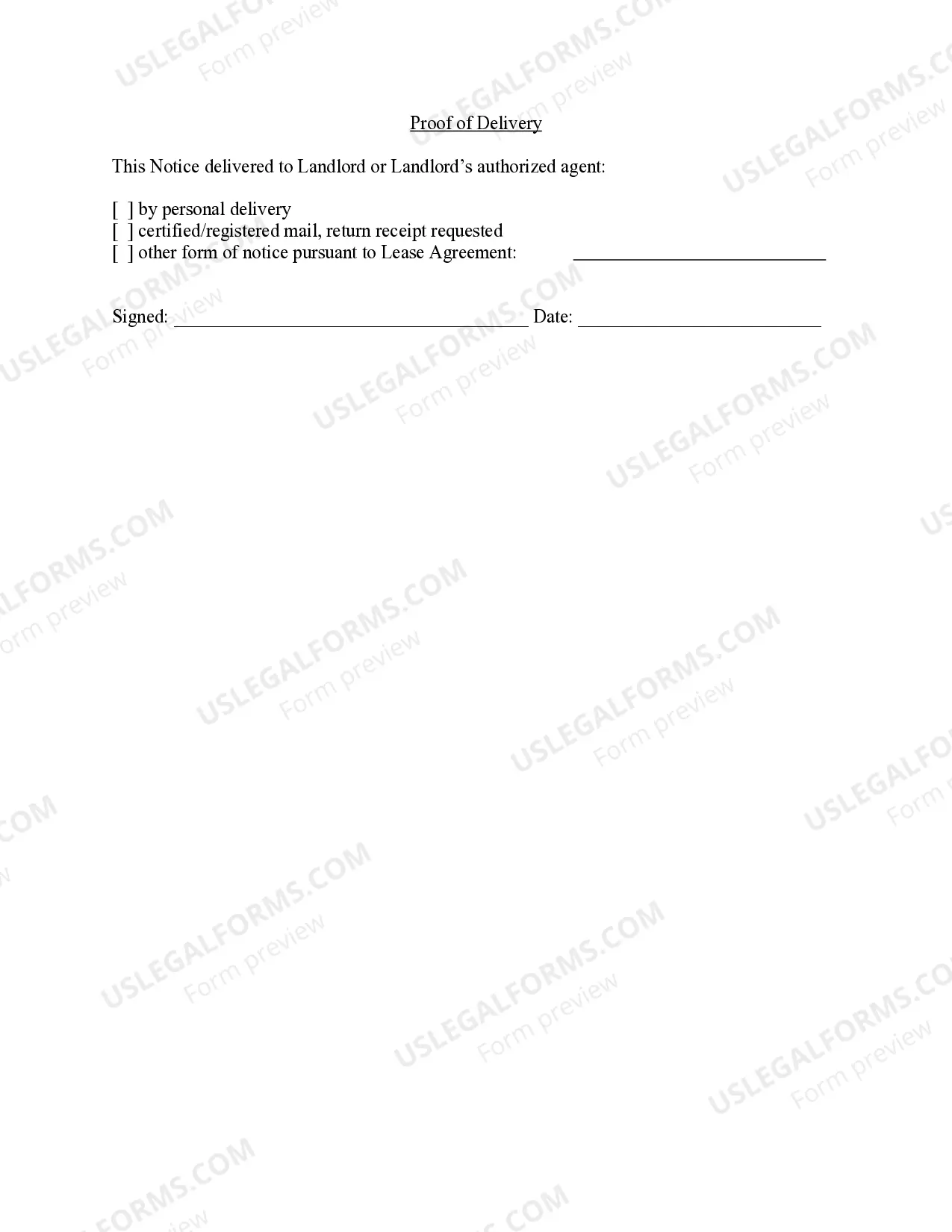

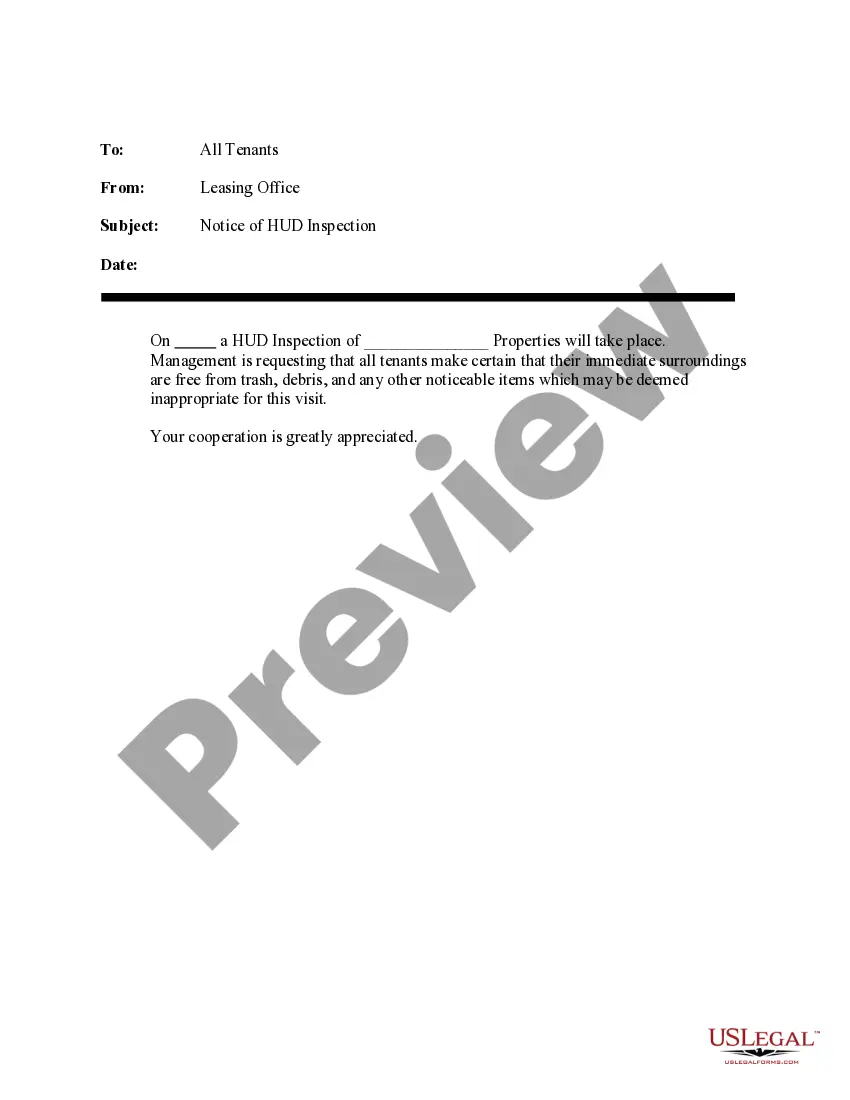
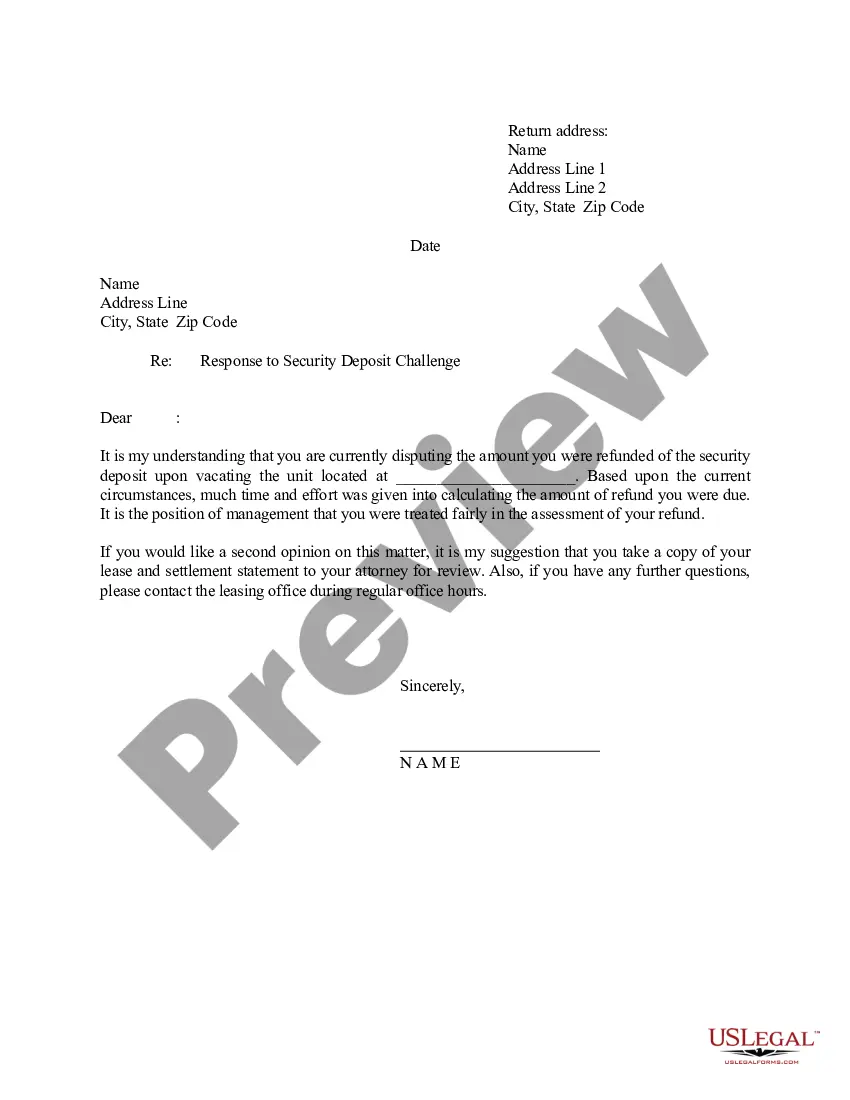
Get your form ready online
Our built-in tools help you complete, sign, share, and store your documents in one place.
Make edits, fill in missing information, and update formatting in US Legal Forms—just like you would in MS Word.
Download a copy, print it, send it by email, or mail it via USPS—whatever works best for your next step.
Sign and collect signatures with our SignNow integration. Send to multiple recipients, set reminders, and more. Go Premium to unlock E-Sign.
If this form requires notarization, complete it online through a secure video call—no need to meet a notary in person or wait for an appointment.
We protect your documents and personal data by following strict security and privacy standards.

Make edits, fill in missing information, and update formatting in US Legal Forms—just like you would in MS Word.

Download a copy, print it, send it by email, or mail it via USPS—whatever works best for your next step.

Sign and collect signatures with our SignNow integration. Send to multiple recipients, set reminders, and more. Go Premium to unlock E-Sign.

If this form requires notarization, complete it online through a secure video call—no need to meet a notary in person or wait for an appointment.

We protect your documents and personal data by following strict security and privacy standards.
Looking for another form?
Form popularity
FAQ
To write an effective letter of appeal for housing denial, start by clearly stating the purpose of your letter. Mention the tenant denial letter with reason you received and address the specific reasons given for the denial. Next, provide supporting evidence or documentation that counters the reasons outlined in the denial. Finally, express your willingness to work with the housing provider to resolve the issue and improve your chances of approval.
Discrimination based on race, color, religion, gender, or family status is not a legitimate reason to reject someone as a tenant. Such reasons would violate fair housing laws, which protect applicants from discrimination. A proper tenant denial letter with reason should rely on objective criteria, like credit history or income verification. If you need guidance on compliant rejection practices, consider exploring resources available at US Legal Forms.
When requesting a rent abatement letter, be clear and concise in your communication. State your reasons for the request and provide any relevant supporting documentation. This formal request can help establish a dialogue with your landlord regarding potential financial adjustments due to circumstances like maintenance issues or loss of income. You might also find a template on US Legal Forms to assist you in crafting your request effectively.
To write a rejection letter for a tenant, begin with a professional greeting, followed by a statement of the decision. Include the reasons for the denial clearly, as this forms the tenant denial letter with reason. Be concise, maintain a respectful tone, and invite the applicant to reach out for further clarification. Utilizing resources from US Legal Forms can help you create a well-structured letter.
Yes, a landlord is generally required to explain the reasons behind a tenant denial letter with reason. Under fair housing laws, applicants should receive a clear explanation promptly after the decision. This policy fosters accountability and gives applicants a chance to improve their applications. If you believe your rights were violated, consider seeking further assistance from experts or legal resources.
To inform a rental applicant they were not selected, create a tenant denial letter with reason. Clearly state the decision in a professional tone, and provide specific reasons for the denial. This transparency helps applicants understand the decision and ensures compliance with fair housing laws. Using a template from US Legal Forms can streamline this process and ensure you include all necessary elements.
When writing a polite denial letter, consider starting with a thank-you note for the application. Use clear language to explain the reason for the denial while staying respectful and professional. Be sure to keep the tone encouraging without being vague, and if appropriate, suggest possible improvements for future applications. A thoughtful tenant denial letter with reason can leave a positive impression, even if the outcome is disappointing.
To write a polite rejection letter, begin with a courteous greeting and express appreciation for the applicant’s interest. Clearly state the reason for the rejection while maintaining a positive tone throughout the letter. It’s helpful to offer constructive feedback and encourage future applications if applicable. A well-crafted tenant denial letter with reason can provide clarity and maintain a professional relationship.
Apartments cannot deny you for just any reason, especially if it is discriminatory. Landlords must adhere to fair housing laws that prohibit rejection based on race, religion, gender, or other protected categories. Legitimate concerns such as financial stability or past evictions must form the basis of any denial. Always expect a clear explanation in the tenant denial letter with reason when your application is disapproved.
A rental rejection letter should clearly state the reasons for denial and remain professional in tone. For instance, you might write about the applicant's credit score being below your required threshold or a poor rental history. By providing specific reasons, you help the applicant understand where they might improve in the future. This approach also strengthens the credibility of your tenant denial letter with reason.