Real Estate Attorney For Trust
Description
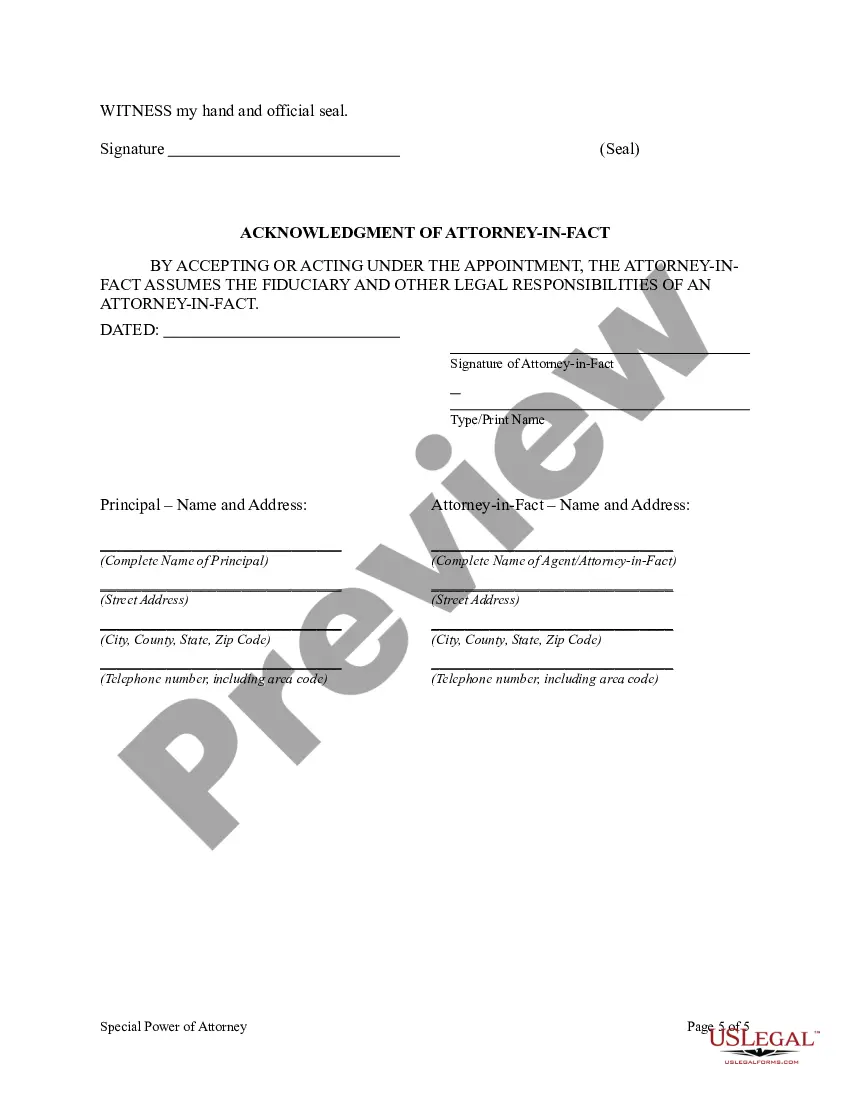
Get your form ready online
Our built-in tools help you complete, sign, share, and store your documents in one place.
Make edits, fill in missing information, and update formatting in US Legal Forms—just like you would in MS Word.
Download a copy, print it, send it by email, or mail it via USPS—whatever works best for your next step.
Sign and collect signatures with our SignNow integration. Send to multiple recipients, set reminders, and more. Go Premium to unlock E-Sign.
If this form requires notarization, complete it online through a secure video call—no need to meet a notary in person or wait for an appointment.
We protect your documents and personal data by following strict security and privacy standards.

Make edits, fill in missing information, and update formatting in US Legal Forms—just like you would in MS Word.

Download a copy, print it, send it by email, or mail it via USPS—whatever works best for your next step.

Sign and collect signatures with our SignNow integration. Send to multiple recipients, set reminders, and more. Go Premium to unlock E-Sign.

If this form requires notarization, complete it online through a secure video call—no need to meet a notary in person or wait for an appointment.

We protect your documents and personal data by following strict security and privacy standards.
Looking for another form?


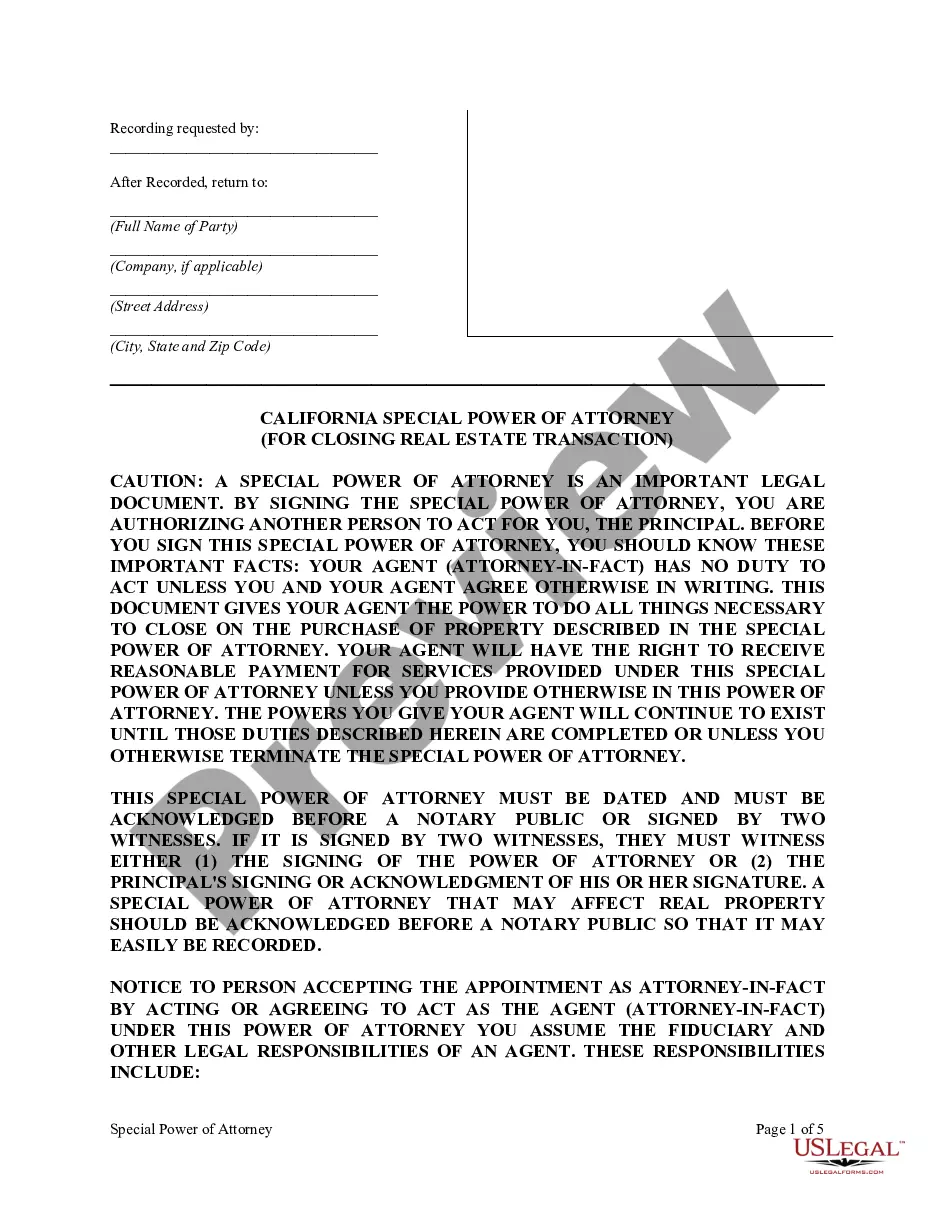
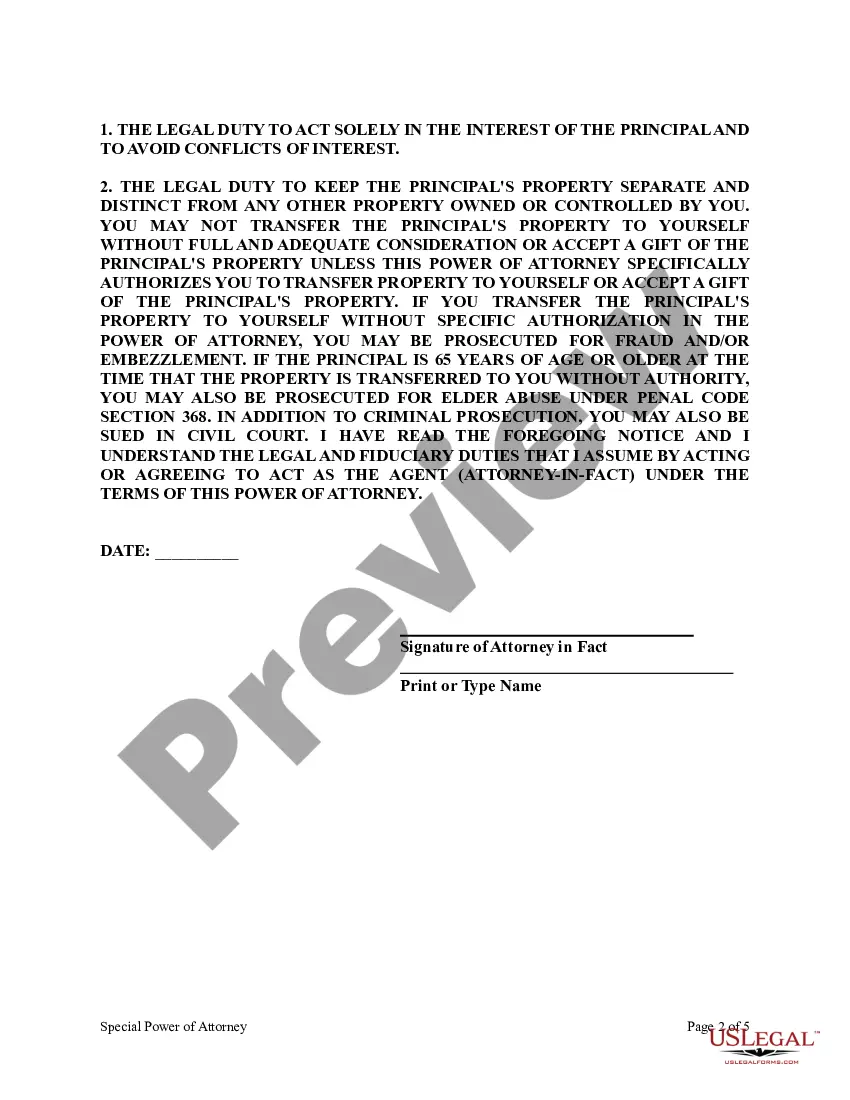
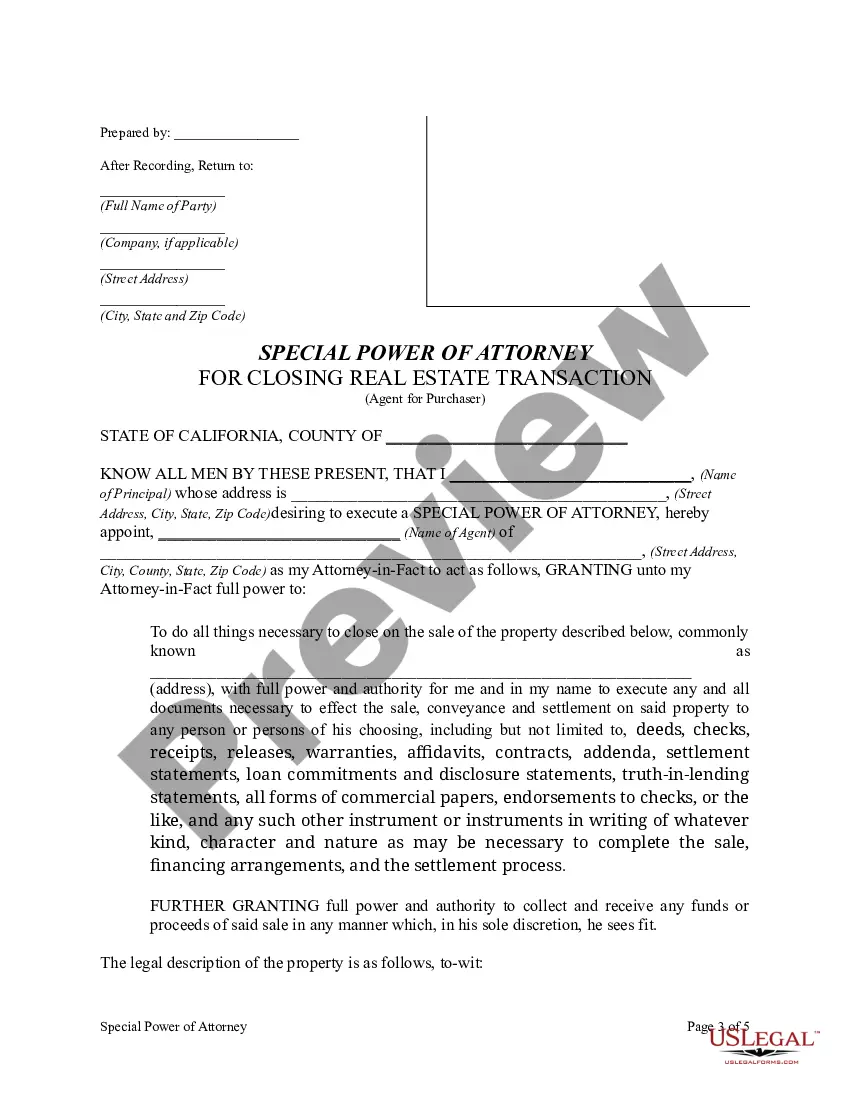
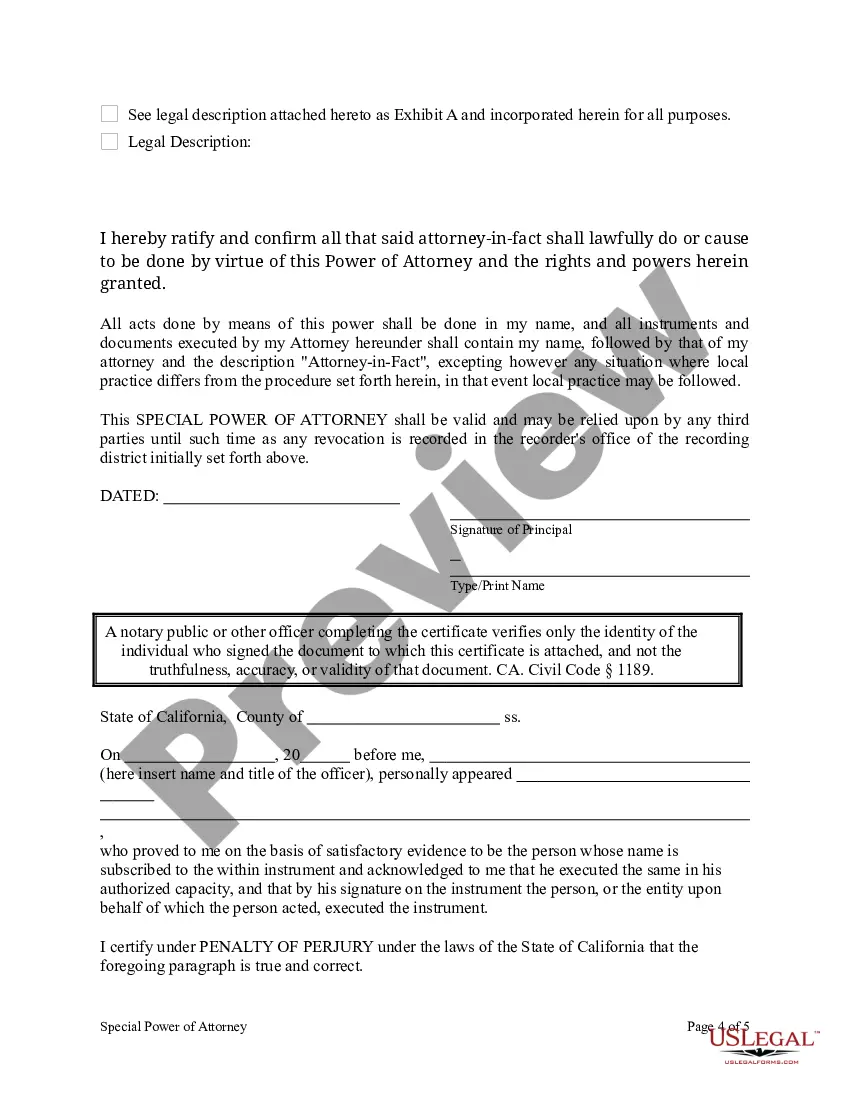
How to fill out California Special Or Limited Power Of Attorney For Real Estate Purchase Transaction By Purchaser?
- Log in to your US Legal Forms account if you are a returning user. Verify that your subscription is valid and download the necessary form template to your device by clicking the Download button.
- If you're a new user, start by exploring the Preview mode to familiarize yourself with the form description. Ensure it meets your needs and complies with your local jurisdiction.
- If you find discrepancies or you need another document, utilize the Search tab to discover the right template.
- Once you find the correct form, click the Buy Now button and choose your desired subscription plan. You'll need to register an account for full access to the library.
- Proceed to complete your purchase by entering your payment information, either through your credit card or PayPal.
- After purchasing, download the form directly to your device and manage it through the My Forms section in your account whenever you need it.
Utilizing US Legal Forms not only simplifies the document preparation process but also connects you with premium experts ready to assist with form completion, ensuring legal precision.
Take the stress out of legal documentation! Start using US Legal Forms today to secure the documents you need with ease.
Form popularity
FAQ
An estate attorney typically requires a variety of information to assist you effectively. You should provide details about your assets, such as property, bank accounts, and investments. Additionally, sharing information about your beneficiaries and any specific wishes related to your estate is crucial. A real estate attorney for trust can help you gather and organize this information, ensuring clarity and completeness.
Setting up a trust fund on your own is possible, but it can be complicated. You must ensure compliance with state laws, accurately prepare legal documents, and properly fund the trust. Because of these complexities, it's often beneficial to seek help from a real estate attorney for trust, who can guide you and avoid potential pitfalls.
Filling out a trust fund typically involves several key steps. First, you need to list the assets you want to place in the trust, including real estate, bank accounts, and investments. Next, gather the information regarding the beneficiaries and the trustee. Consulting a real estate attorney for trust can simplify this process, guiding you through necessary forms and legal requirements.
One of the most significant mistakes parents often make when creating a trust fund is failing to fund it properly. Establishing a trust is just the first step; transferring assets into the trust is crucial. Without funding, the trust cannot serve its purpose of protecting assets and managing distributions. Working with a real estate attorney for trust can help ensure all necessary assets are included.
While both estate attorneys and trust attorneys focus on managing estates, they are not exactly the same. An estate attorney primarily handles matters related to wills and probate, while a real estate attorney for trust specializes in creating and managing trusts. Trust attorneys can help you navigate complex trust laws and ensure your assets are protected. It's wise to consult a qualified real estate attorney for trust-related matters.
A trust lawyer and an estate lawyer may handle similar responsibilities, but their core focuses differ. Trust lawyers specialize in the creation and management of trusts, while estate lawyers oversee the distribution of assets after a person passes away. Engaging a real estate attorney for trust can provide you with expert guidance in both areas, ensuring that your assets are managed and distributed according to your wishes.
Deciding between an estate and a trust depends largely on your financial and personal goals. Trusts can provide more privacy and typically avoid probate, while estates undergo legal processes that can be more time-consuming. To choose the right option, consulting a real estate attorney for trust may provide valuable insights tailored to your specific needs.
People often place their estate in a trust to avoid probate, streamline asset distribution, and ensure privacy in their affairs. A trust allows for more control over how and when beneficiaries receive their inheritance, which can be particularly beneficial in complex family situations. By consulting a real estate attorney for trust creation, individuals can tailor their trust to fit their unique needs and goals.
Suze Orman emphasizes that trusts can be an essential part of effective estate planning, particularly for those with significant assets. She advocates for establishing a trust to protect your estate from probate and ensure your wishes are carried out seamlessly. Engaging a real estate attorney for trust structuring can provide expert advice on maximizing your legacy, just as Orman suggests.
A trust is a legal arrangement where assets are managed by a trustee for beneficiaries, while an estate trust specifically focuses on distributing assets after someone’s death. An estate trust operates within the broader estate planning framework and often streamlines the transfer of real estate and other assets. Consulting a real estate attorney for trust creation can help clarify these distinctions and optimize your estate plan.