Power Health Law For Wind Speed
Description

Get your form ready online
Our built-in tools help you complete, sign, share, and store your documents in one place.
Make edits, fill in missing information, and update formatting in US Legal Forms—just like you would in MS Word.
Download a copy, print it, send it by email, or mail it via USPS—whatever works best for your next step.
Sign and collect signatures with our SignNow integration. Send to multiple recipients, set reminders, and more. Go Premium to unlock E-Sign.
If this form requires notarization, complete it online through a secure video call—no need to meet a notary in person or wait for an appointment.
We protect your documents and personal data by following strict security and privacy standards.

Make edits, fill in missing information, and update formatting in US Legal Forms—just like you would in MS Word.

Download a copy, print it, send it by email, or mail it via USPS—whatever works best for your next step.

Sign and collect signatures with our SignNow integration. Send to multiple recipients, set reminders, and more. Go Premium to unlock E-Sign.

If this form requires notarization, complete it online through a secure video call—no need to meet a notary in person or wait for an appointment.

We protect your documents and personal data by following strict security and privacy standards.
Looking for another form?










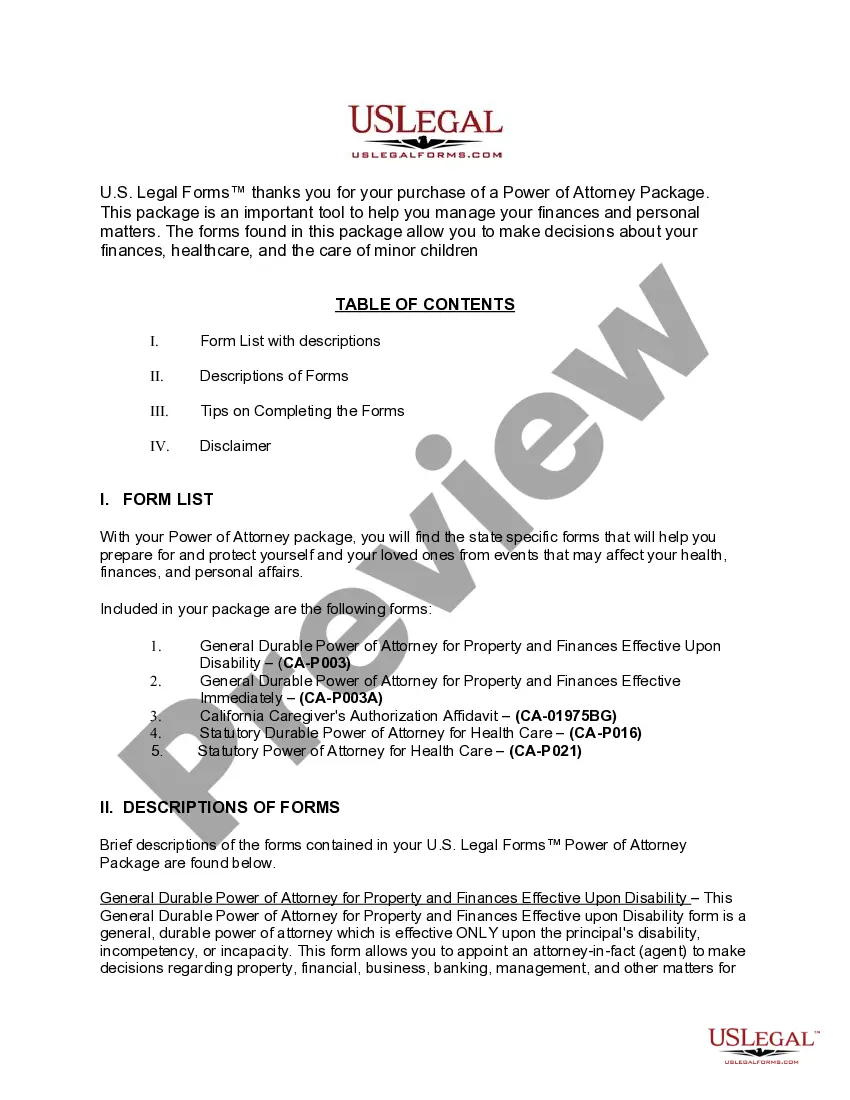
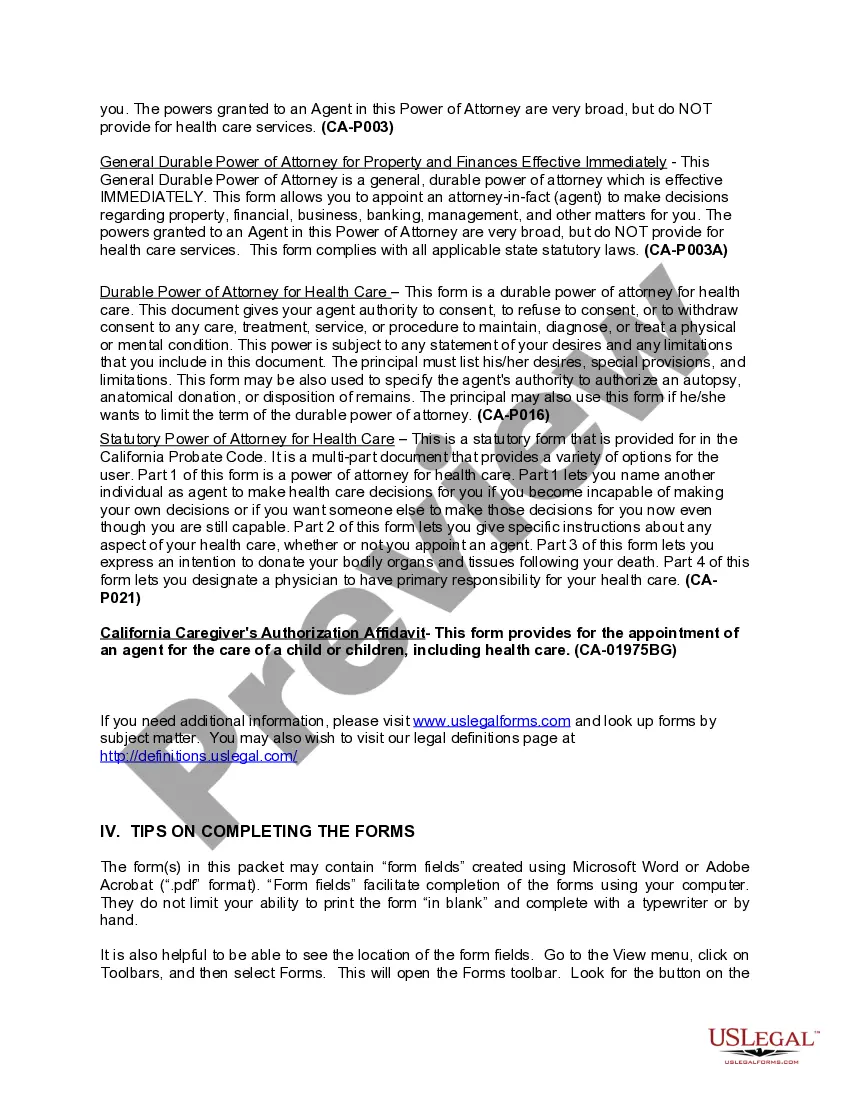
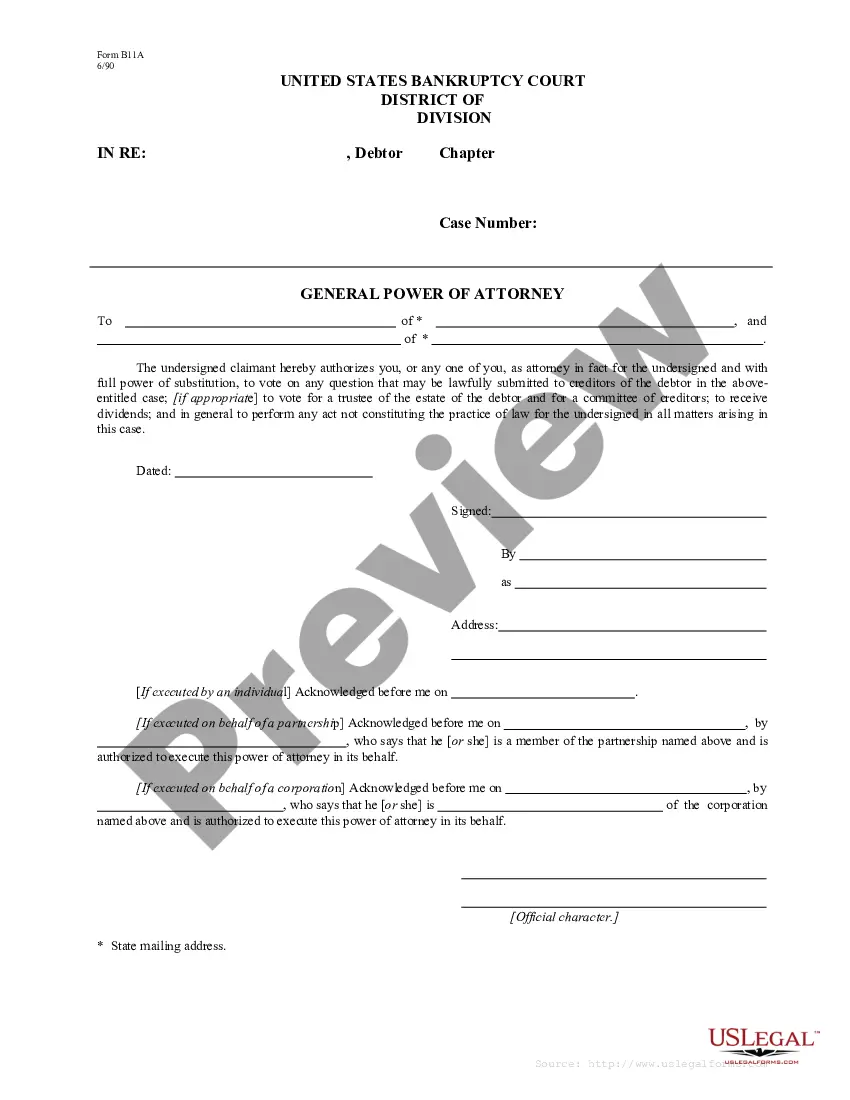
How to fill out California Power Of Attorney Forms Package?
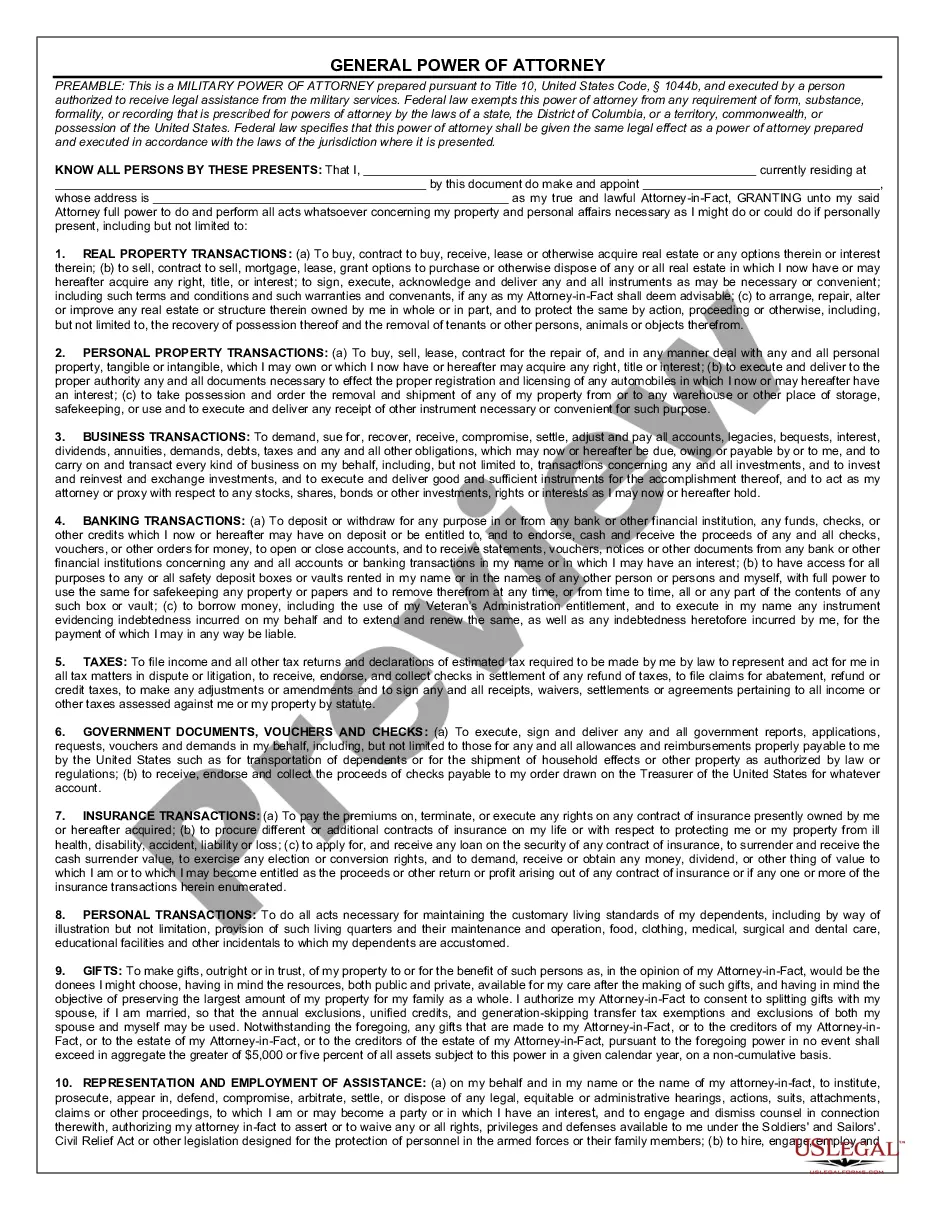
The Power Health Law For Wind Speed presented on this page is a reusable formal template crafted by skilled attorneys in accordance with federal and state regulations.
For over 25 years, US Legal Forms has offered individuals, organizations, and legal practitioners more than 85,000 validated, state-specific forms for any business and personal need. It’s the fastest, simplest, and most trustworthy method to acquire the documents you require, as the service ensures bank-level data security and anti-malware safeguards.
Redownload your paperwork as needed. Utilize the same document again whenever required. Access the My documents tab in your account to redownload any previously saved forms. Subscribe to US Legal Forms to have verified legal templates for all of life’s circumstances at your fingertips.
- Search for the document you require and review it.
- Browse through the sample you searched and preview it or inspect the form description to confirm it meets your needs. If it does not, use the search bar to find the suitable one. Click Buy Now once you have found the template you need.
- Subscribe and Log In. Choose the pricing plan that fits you and create an account. Use PayPal or a credit card for immediate payment. If you already possess an account, Log In and verify your subscription to proceed.
- Acquire the editable template. Choose the format you prefer for your Power Health Law For Wind Speed (PDF, Word, RTF) and save the sample on your device.
- Fill out and sign the document. Print the template to complete it manually. Alternatively, use an online multi-functional PDF editor to quickly and accurately fill out and sign your form with a valid signature.
Form popularity
FAQ
The wind profile power law relationship is often used as a substitute for the log wind profile when surface roughness or stability information is not available. The wind profile power law relationship is: u/ur = (z/zr)
The wind profile power law relationship is: u/ur = (z/zr) where u is the wind speed (in meters per second) at height z (in meters), and ur is the known wind speed at a reference height zr. The exponent (?) is an empirically derived coefficient that varies dependent upon the stability of the atmosphere.
An alternative approach is given by the power-law method. This is a well-known engineering method commonly used to vertically extrapolate wind speed. The equation is written as u ( z ) = u r z / z r ? where is the wind shear exponent, commonly assumed to be.
Note to the definition of "high wind": The Occupational Safety and Health Administration normally considers winds exceeding 64.4 kilometers per hour (40 miles per hour), or 48.3 kilometers per hour (30 miles per hour) if the work involves material handling, as meeting this criteria, unless the employer takes ...
A 1/7 power law is often used to estimate atmospheric wind profiles. The use of this relationship, while perhaps appropriate in a climatological sense for daytime wind profiles in the lower atmosphere, frequently results in serious underestimates of wind speeds aloft at night.