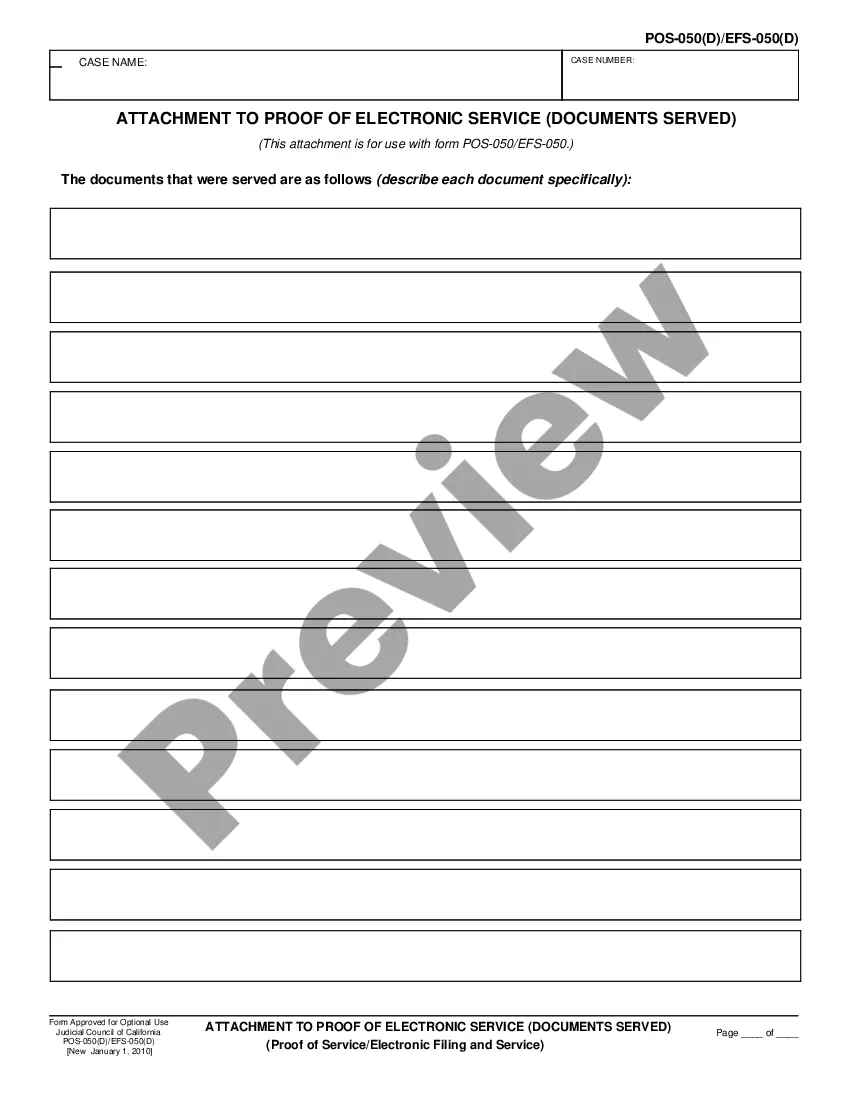
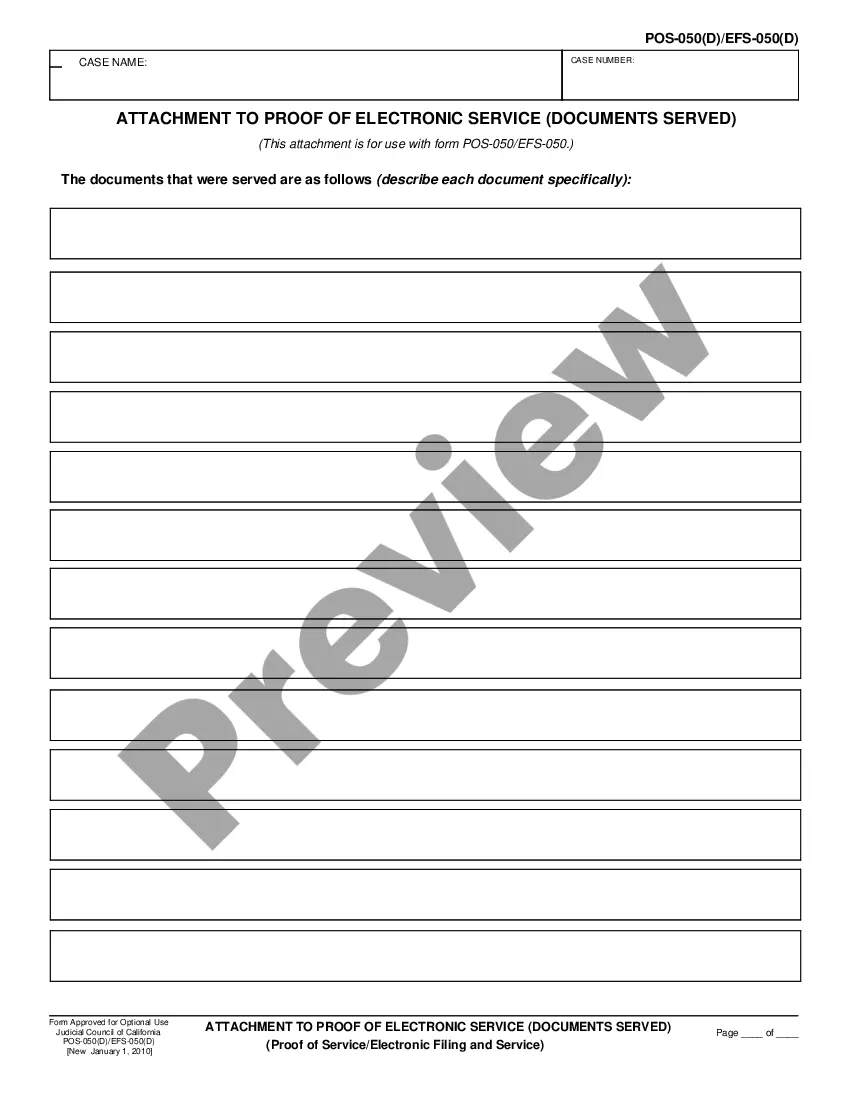
This form is an official California Judicial Council form which complies with all applicable state codes and statutes. USLF updates all state forms as is required by state statutes and law.
California Judicial Council Forms Petition For Probate
State:
California
Control #:
CA-EFS-050D
Format:
PDF
Instant download
This website is not affiliated with any governmental entity
Public form
Description
Get your form ready online
Our built-in tools help you complete, sign, share, and store your documents in one place.
Built-in online Word editor
Make edits, fill in missing information, and update formatting in US Legal Forms—just like you would in MS Word.
Export easily
Download a copy, print it, send it by email, or mail it via USPS—whatever works best for your next step.
E-sign your document
Sign and collect signatures with our SignNow integration. Send to multiple recipients, set reminders, and more. Go Premium to unlock E-Sign.
Notarize online 24/7
If this form requires notarization, complete it online through a secure video call—no need to meet a notary in person or wait for an appointment.
Store your document securely
We protect your documents and personal data by following strict security and privacy standards.

Make edits, fill in missing information, and update formatting in US Legal Forms—just like you would in MS Word.

Download a copy, print it, send it by email, or mail it via USPS—whatever works best for your next step.

Sign and collect signatures with our SignNow integration. Send to multiple recipients, set reminders, and more. Go Premium to unlock E-Sign.

If this form requires notarization, complete it online through a secure video call—no need to meet a notary in person or wait for an appointment.

We protect your documents and personal data by following strict security and privacy standards.
Looking for another form?
Form popularity
FAQ
In California, you typically have four years to file a probate petition after someone’s death. However, to ensure smooth estate management, it's advisable to file as soon as possible, ideally within a few months of the death. By utilizing California judicial council forms petition for probate early, you can address estate matters promptly and efficiently for the benefit of all involved.
Certain assets are exempt from probate in California, including property held in joint tenancy, assets in revocable living trusts, and life insurance proceeds with designated beneficiaries. Additionally, real estate valued under $166,250 can often be transferred without going through the probate process. By using California judicial council forms petition for probate, you can navigate complexities and clarify asset status more easily.
Yes, you can file probate yourself in California, but it requires careful attention to detail. You will need to complete the California judicial council forms petition for probate and understand the court procedures involved. While self-filing can save on attorney fees, it is crucial to ensure you fill out all necessary forms accurately to avoid delays. Platforms like US Legal Forms can assist you by providing the required forms and instructions, making the process smoother and more manageable.
To apply for probate in California, you need to file the appropriate California judicial council forms petition for probate with the probate court in the county where the deceased resided. After gathering necessary documentation such as the deceased's will and death certificate, you can complete the forms available from the California Judicial Council. This process ensures that the estate is managed according to the law and that assets are distributed properly. Additionally, utilizing a platform like US Legal Forms can streamline the form-filling process and provide guidance on the steps you need to take.
In California, an estate valued at $166,250 or less may qualify for simplified procedures to avoid probate. This includes certain assets, like personal property and bank accounts, which can be transferred without formal probate processes. Knowing if your estate falls below this threshold helps you decide on the next steps. Utilize the California judicial council forms petition for probate for further clarity, and consider resources like US Legal Forms for guidance.
Filing a probate petition in California involves completing the required forms and submitting them to your local probate court. Begin by gathering necessary documents, including the will, if available, and the completed DE-111 form. After filing, you must serve notice to all interested parties to ensure transparency in the process. For streamlined access to the California judicial council forms petition for probate, consider using the US Legal Forms platform.
To initiate probate in California, you typically need several forms, including the initial petition form DE-111, a notice of hearing, and a case cover sheet. You may also require additional documents to establish the estate's legitimacy, such as a death certificate and the will, if one exists. For a comprehensive list and assistance, check out the California judicial council forms petition for probate through platforms like US Legal Forms.
Yes, in California, certain types of property can be transferred without going through probate. For instance, assets held in a living trust or those that fall under the small estate exemption can bypass this process. Additionally, property held as joint tenants may transfer to the surviving owner automatically. Understanding these options can save time and reduce complications; leveraging the California judicial council forms petition for probate might be beneficial.
Filling out form DE-111, the petition for probate, requires careful attention to detail. Start by providing the decedent's details, including their name and date of death, followed by your information as the petitioner. Make sure to list the assets and beneficiaries clearly. Utilize resources like the US Legal Forms platform for guidance and to access the California judicial council forms petition for probate.
The probate process in California can vary in duration, often taking from several months to over a year, depending on the complexity of the estate. Factors influencing the timeline include asset evaluation, creditor claims, and potential disputes among heirs. Understanding the process helps you manage expectations and plan accordingly.