California Trust Sample With Out Of State Property
Description
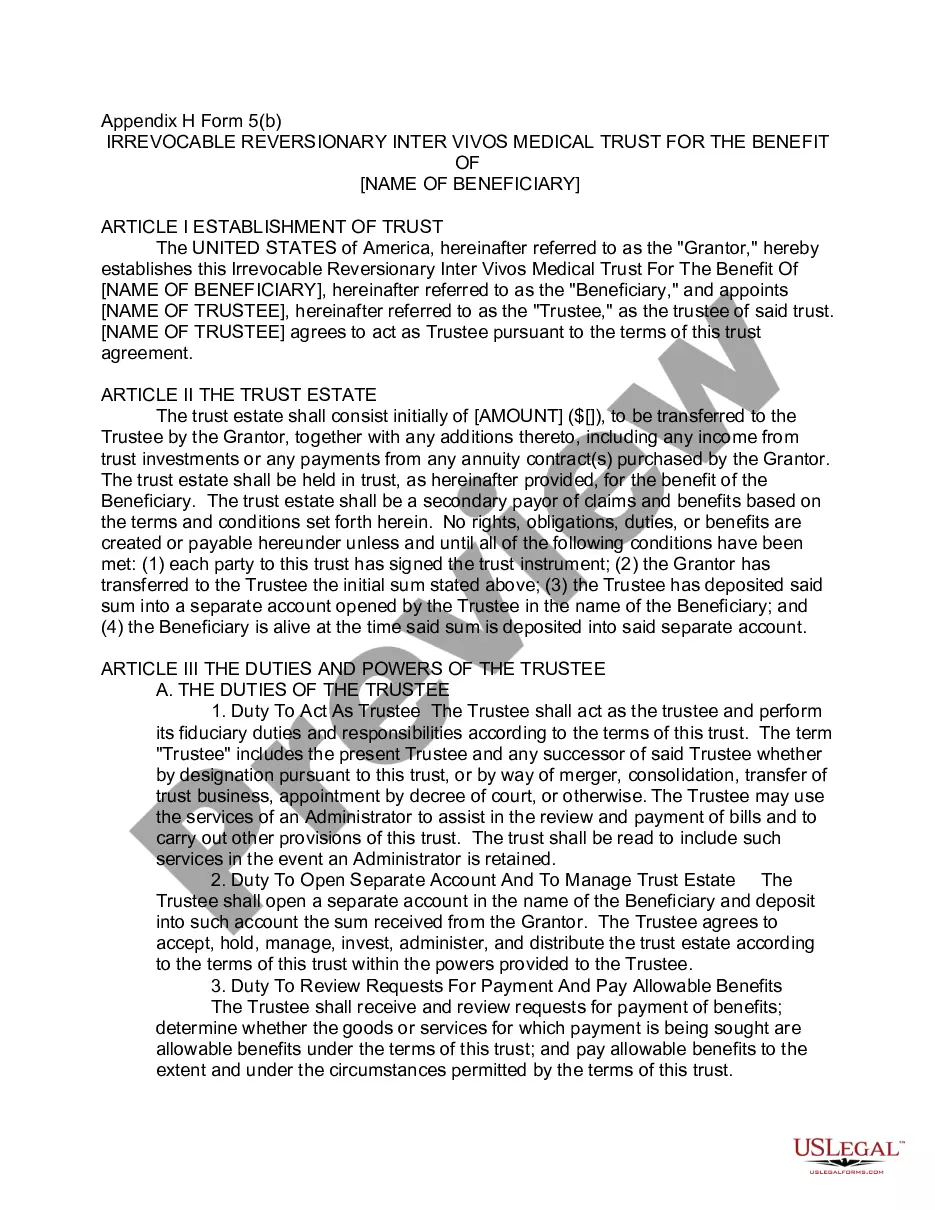
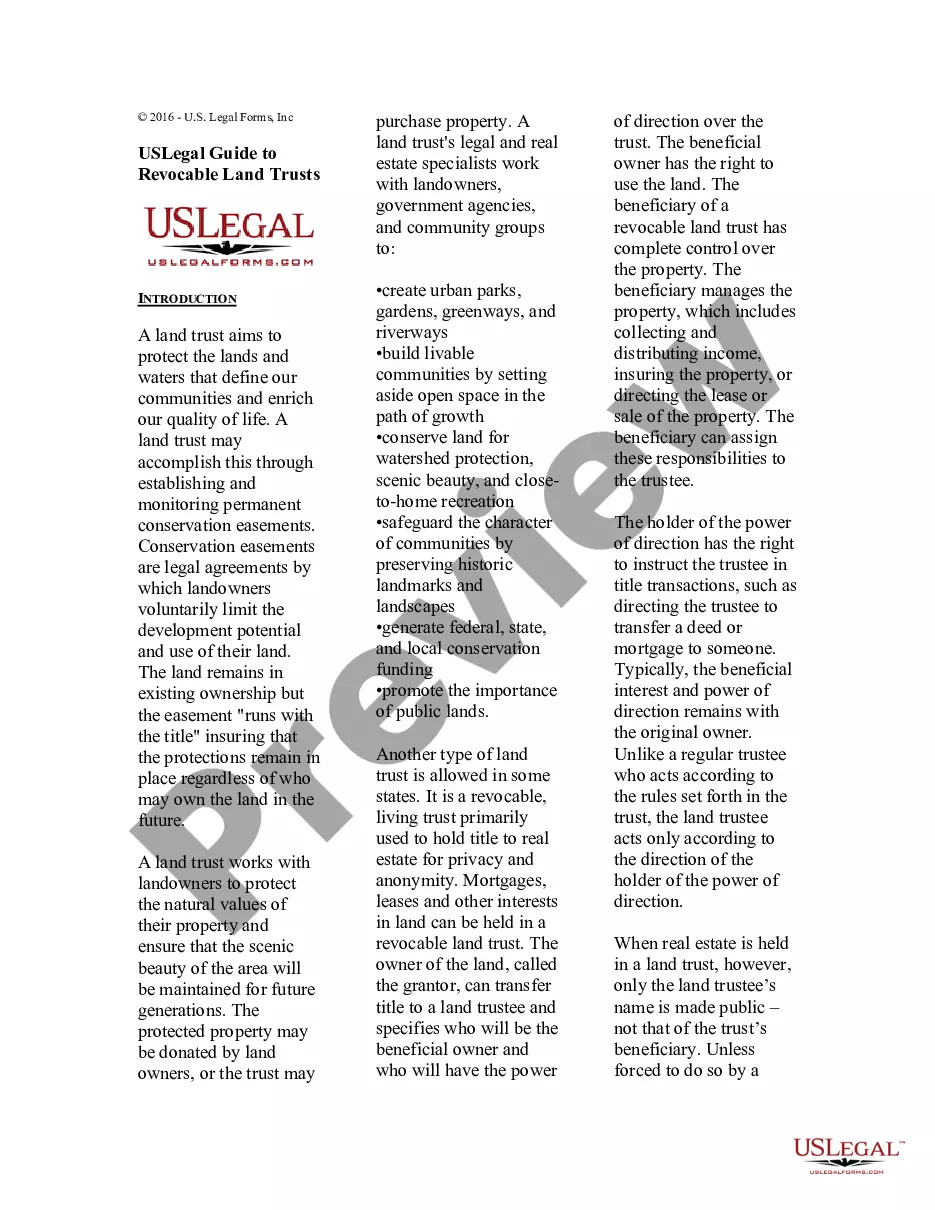
Get your form ready online
Our built-in tools help you complete, sign, share, and store your documents in one place.
Make edits, fill in missing information, and update formatting in US Legal Forms—just like you would in MS Word.
Download a copy, print it, send it by email, or mail it via USPS—whatever works best for your next step.
Sign and collect signatures with our SignNow integration. Send to multiple recipients, set reminders, and more. Go Premium to unlock E-Sign.
If this form requires notarization, complete it online through a secure video call—no need to meet a notary in person or wait for an appointment.
We protect your documents and personal data by following strict security and privacy standards.

Make edits, fill in missing information, and update formatting in US Legal Forms—just like you would in MS Word.

Download a copy, print it, send it by email, or mail it via USPS—whatever works best for your next step.

Sign and collect signatures with our SignNow integration. Send to multiple recipients, set reminders, and more. Go Premium to unlock E-Sign.

If this form requires notarization, complete it online through a secure video call—no need to meet a notary in person or wait for an appointment.

We protect your documents and personal data by following strict security and privacy standards.
Looking for another form?








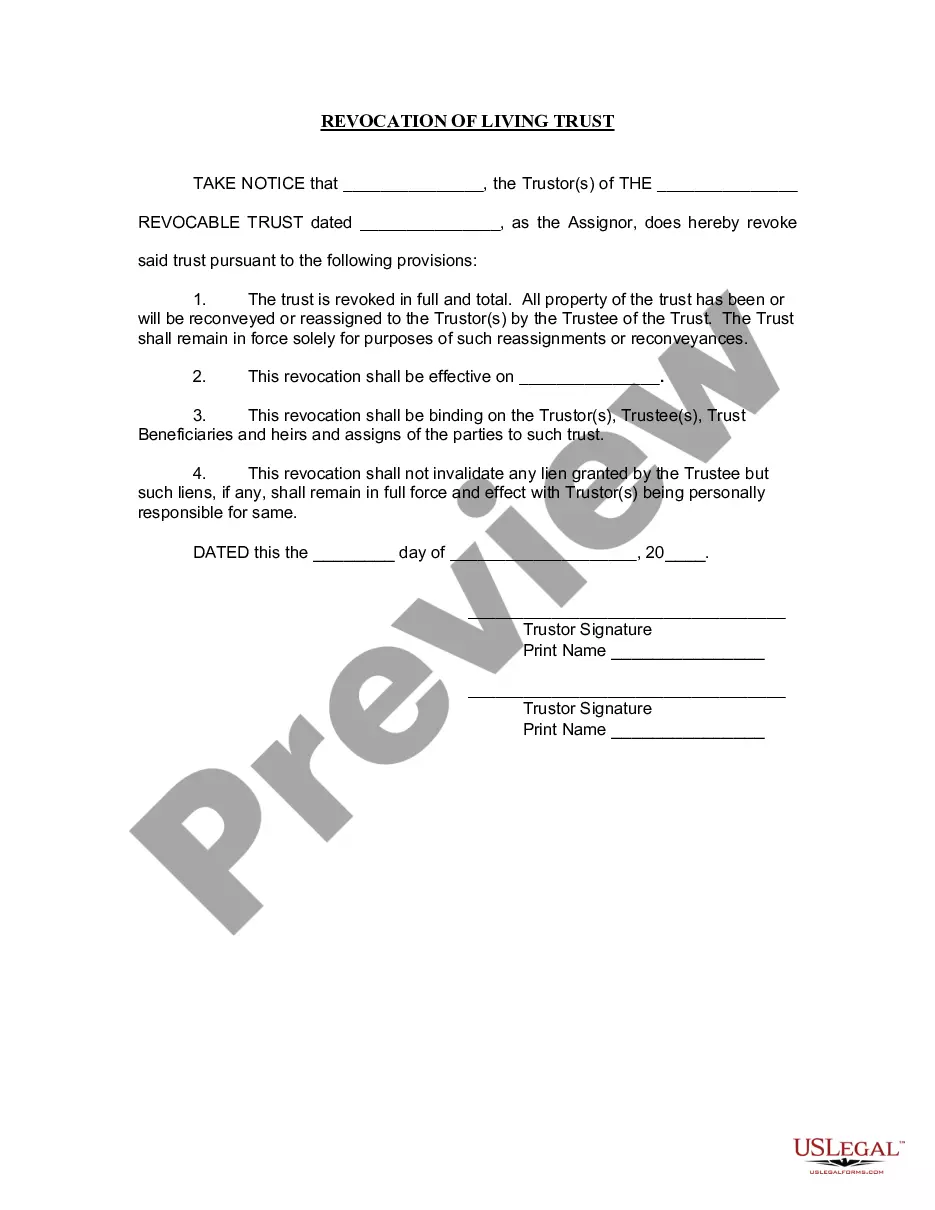
How to fill out California Revocation Of Living Trust?
The California Trust Example With Out Of State Assets you see on this page is a reusable formal model created by professional attorneys in accordance with national and regional regulations.
For over 25 years, US Legal Forms has delivered individuals, enterprises, and lawyers with more than 85,000 validated, state-specific documents for any commercial and personal situation. It’s the quickest, simplest, and most dependable method to acquire the paperwork you require, as the service assures the utmost level of data protection and anti-malware safeguards.
Register with US Legal Forms to access verified legal templates for all of life’s situations at your convenience.
- Search for the document you require and assess it.
- Browse through the file you looked for and preview it or verify the document description to confirm it meets your needs. If it doesn’t, utilize the search tool to locate the appropriate one. Click Buy Now when you have found the template you need.
- Choose a subscription plan and sign in. Pick the payment plan that works for you and establish an account. Use PayPal or a credit card for a quick transaction. If you already possess an account, Log In and verify your subscription to continue.
- Acquire the editable template. Select the format you prefer for your California Trust Example With Out Of State Assets (PDF, DOCX, RTF) and save the sample on your device.
- Complete and sign the document. Print the template to fill it out manually. Alternatively, utilize an online multifunctional PDF editor to efficiently and accurately complete and sign your form with a legally-binding electronic signature.
- Download your document again. Access the same document one more time whenever needed. Go to the My documents tab in your profile to redownload any previously purchased documents.
Form popularity
FAQ
Yes, you can place out-of-state property in a California trust. This is a common practice, especially when handling a California trust sample with out of state property. However, be mindful of the laws governing property in the state where the property is located. To ensure a smooth process, it can be beneficial to consult with professionals familiar with both states' regulations.
The 2-year rule for trusts typically refers to the time frame in which certain actions regarding trust assets must occur. For example, if you transfer property into a trust, some states may impose a two-year period during which creditors can make claims against the trust. This rule can impact estate planning strategies, especially for those considering a California trust sample with out of state property. Understanding these nuances can help you plan more effectively.
Your California trust is generally valid in another state, provided it meets the legal requirements of both states. The validity often hinges on how the trust was established and its adherence to state laws. If your trust includes out-of-state property, it's advisable to confirm compliance with the jurisdiction where the property is located. A legal professional can assist you in validating your trust across state lines.
A California trust can remain valid when you move to another state, but you must comply with that state’s laws. While the core principles of your California trust will typically transfer, each state has unique requirements for trust administration. If you have out-of-state property, consider reviewing the trust’s provisions to ensure they align with the laws of the new state. Consulting a legal expert can provide clarity and peace of mind.
Yes, a trust can own property in another state. This arrangement is common, especially when dealing with a California trust sample with out of state property. However, it’s important to understand that each state has its own laws regarding property ownership and trusts. Therefore, it’s wise to seek advice from legal professionals to navigate these complexities.
Certain assets are generally not recommended for inclusion in a California living trust. For example, retirement accounts, such as IRAs and 401(k)s, should typically remain outside the trust to preserve their tax advantages. Additionally, personal property like vehicles can complicate trust management, so it may be better to keep them separate. If you’re considering a California trust sample with out of state property, ensure you consult an expert for tailored guidance.
The state where you file a trust typically depends on where the assets are located and where the trust creator resides. For a California trust sample with out of state property, it may be beneficial to file in California if that is where the trust was created. However, if you have significant assets in another state, filing in that state might be advantageous. Always consult a legal expert or use resources like US Legal Forms to clarify the best approach for your situation.
Yes, you can create a trust in a different state. However, it is essential to understand the laws applicable to that state, especially when dealing with a California trust sample with out of state property. Each state has its own regulations governing trusts, and these can affect how your trust is managed. To navigate this complexity, consider using a reliable platform like US Legal Forms to ensure compliance with the relevant state laws.
Your trust does not have to be created in the same state where you reside. Many individuals use a California trust sample with out of state property to manage assets effectively across different locations. It is crucial, however, to ensure that your trust complies with the laws of the states involved. Using a platform like US Legal Forms can help you create a trust that meets all legal requirements.
A trust does not have to be state specific, which is beneficial when dealing with a California trust sample with out of state property. You can create a trust in California that holds property located in other states. However, it's essential to consider the laws of those states, as they may have specific requirements for property held in trust. Using a platform like USLegalForms can help you navigate these complexities and ensure your trust complies with all applicable laws.