Tenancy In Common Agreement Template With Spouse
Description
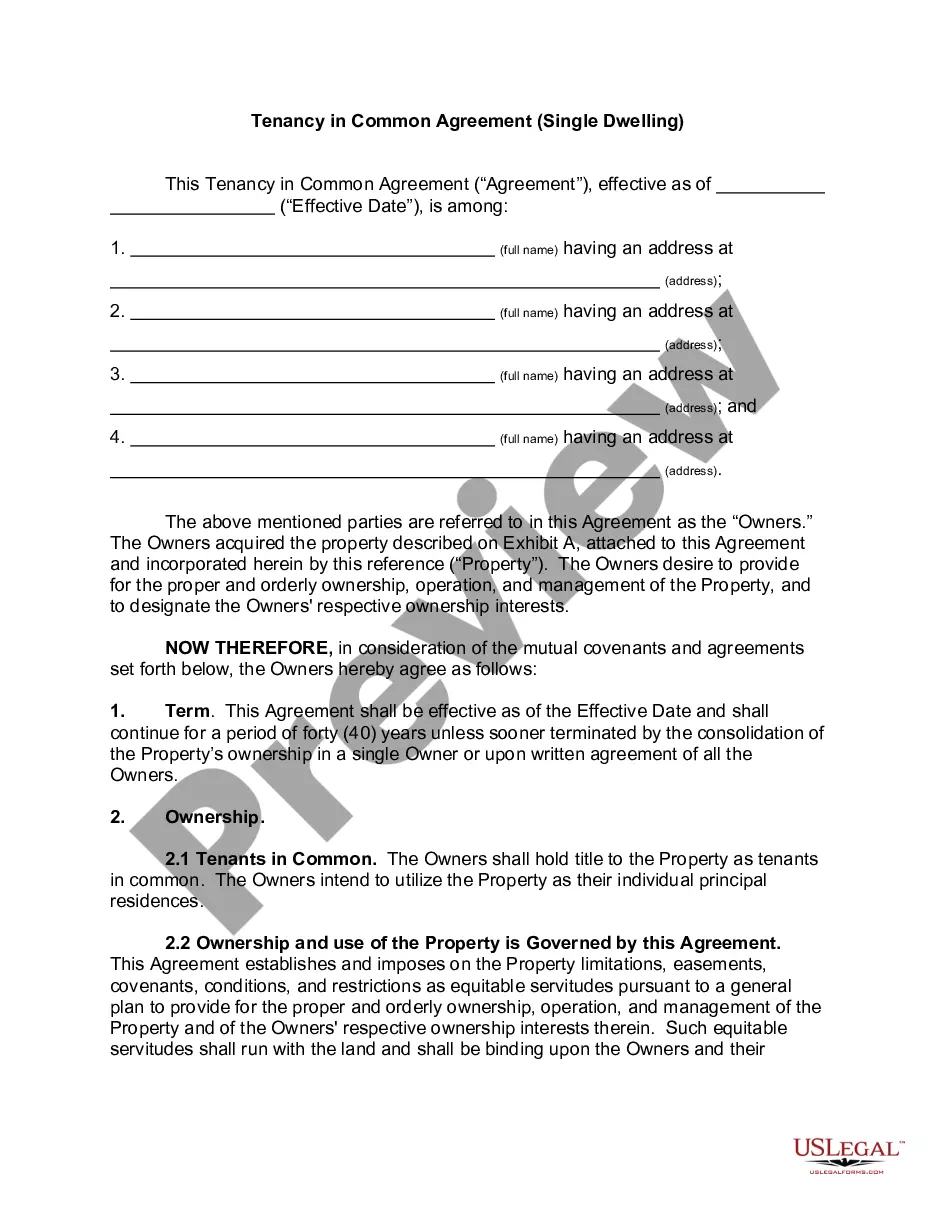
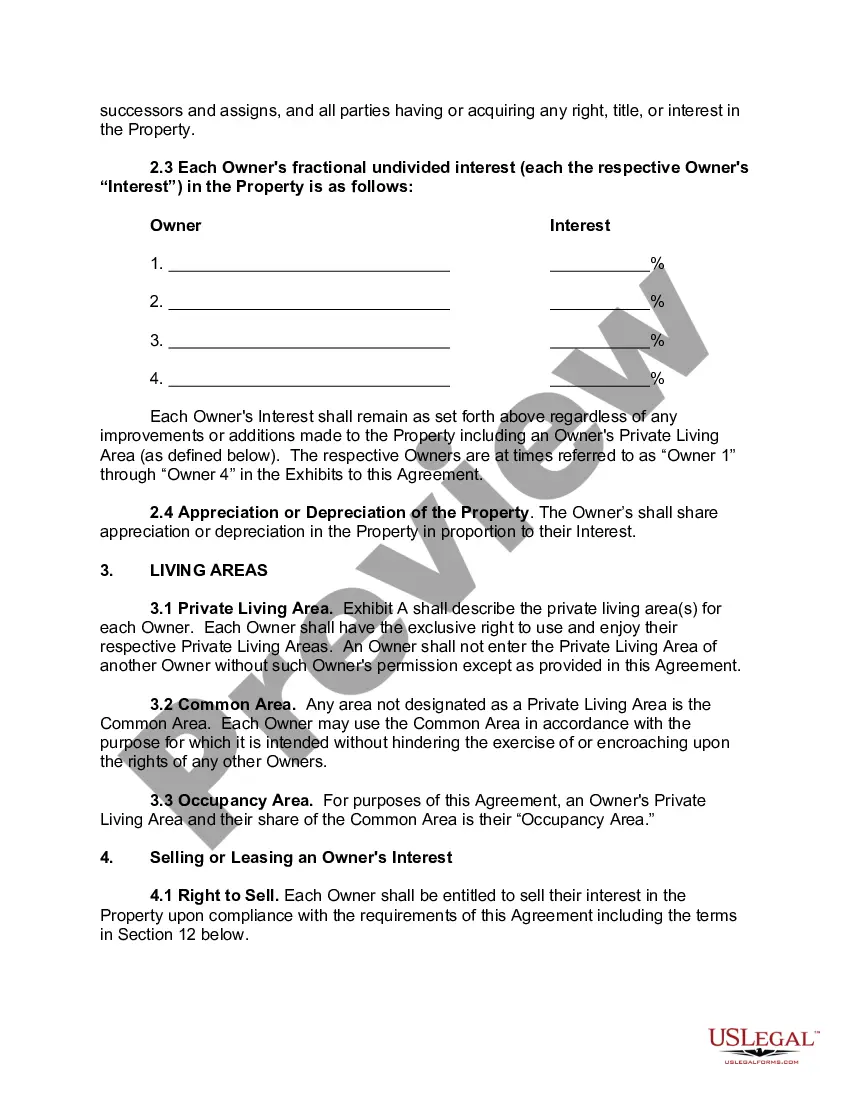
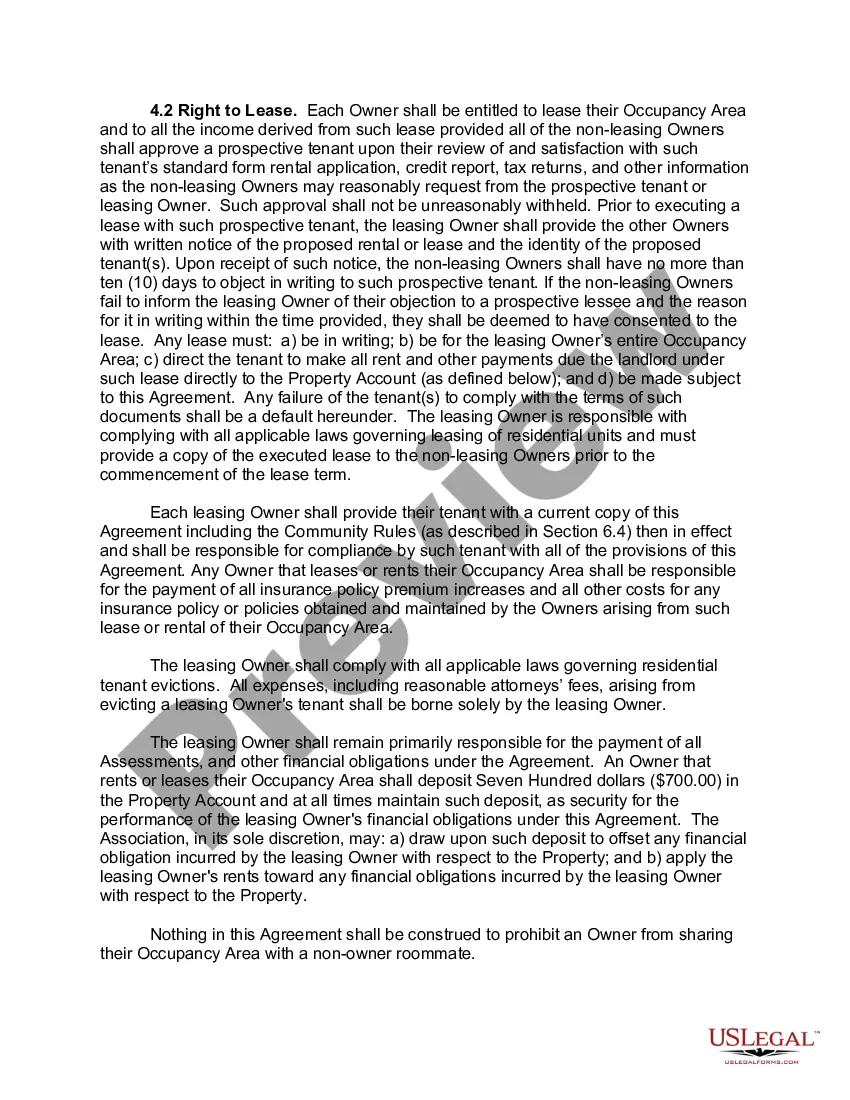
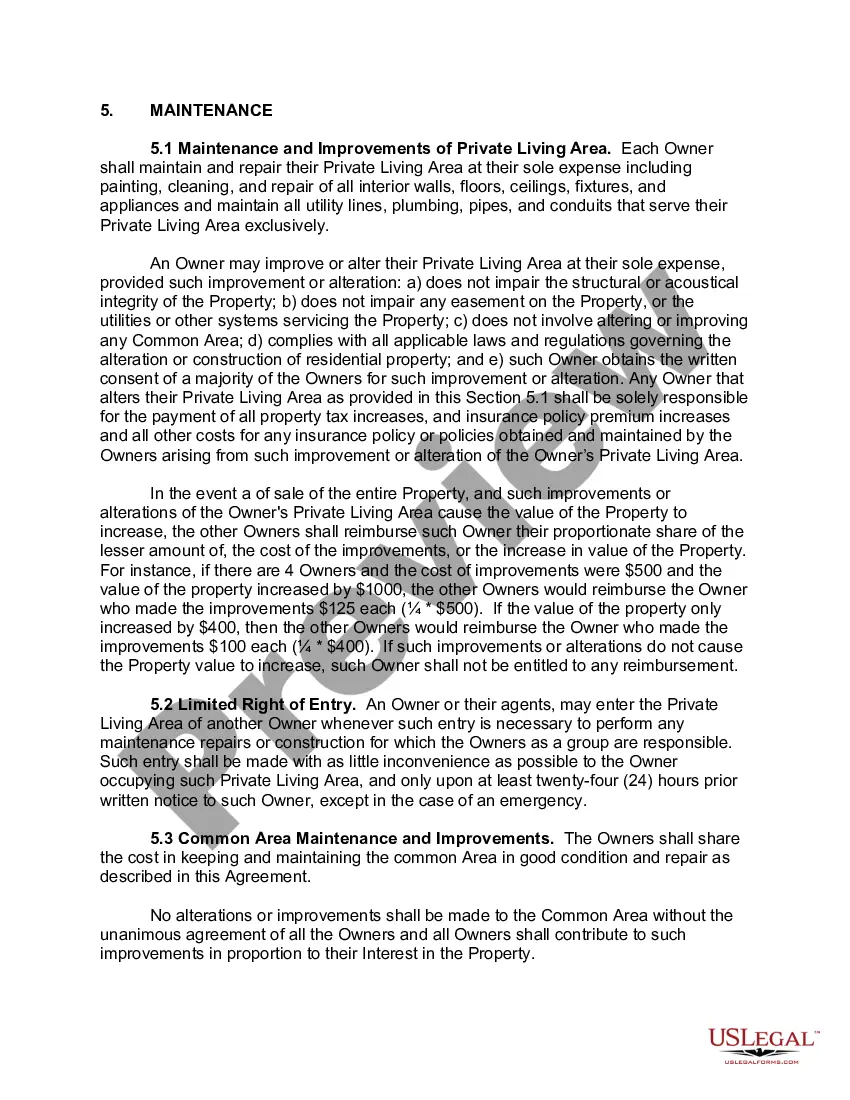


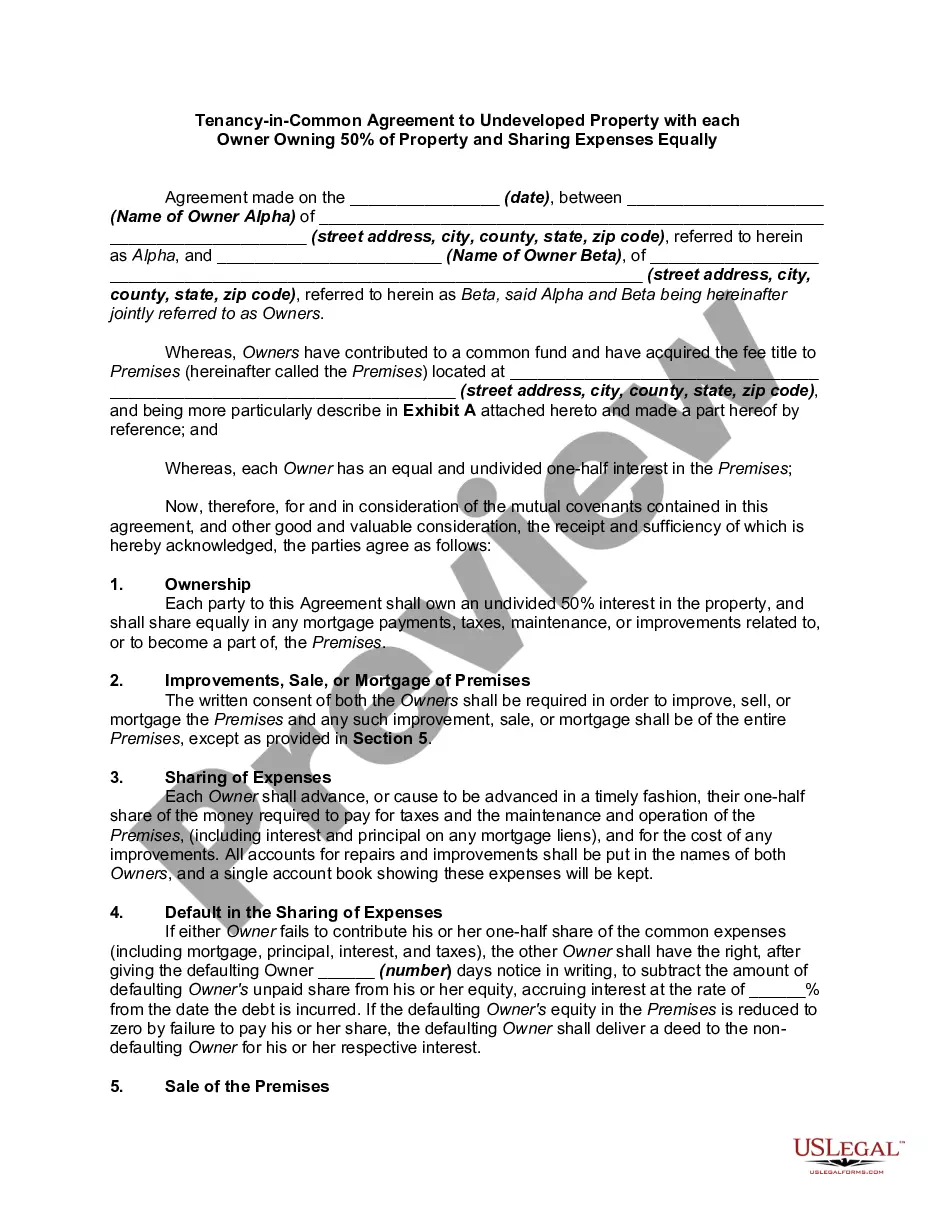
Get your form ready online
Our built-in tools help you complete, sign, share, and store your documents in one place.
Make edits, fill in missing information, and update formatting in US Legal Forms—just like you would in MS Word.
Download a copy, print it, send it by email, or mail it via USPS—whatever works best for your next step.
Sign and collect signatures with our SignNow integration. Send to multiple recipients, set reminders, and more. Go Premium to unlock E-Sign.
If this form requires notarization, complete it online through a secure video call—no need to meet a notary in person or wait for an appointment.
We protect your documents and personal data by following strict security and privacy standards.

Make edits, fill in missing information, and update formatting in US Legal Forms—just like you would in MS Word.

Download a copy, print it, send it by email, or mail it via USPS—whatever works best for your next step.

Sign and collect signatures with our SignNow integration. Send to multiple recipients, set reminders, and more. Go Premium to unlock E-Sign.

If this form requires notarization, complete it online through a secure video call—no need to meet a notary in person or wait for an appointment.

We protect your documents and personal data by following strict security and privacy standards.
Looking for another form?
How to fill out California Tenancy In Common Agreement - Single Dwelling - Up To 4 Owners?
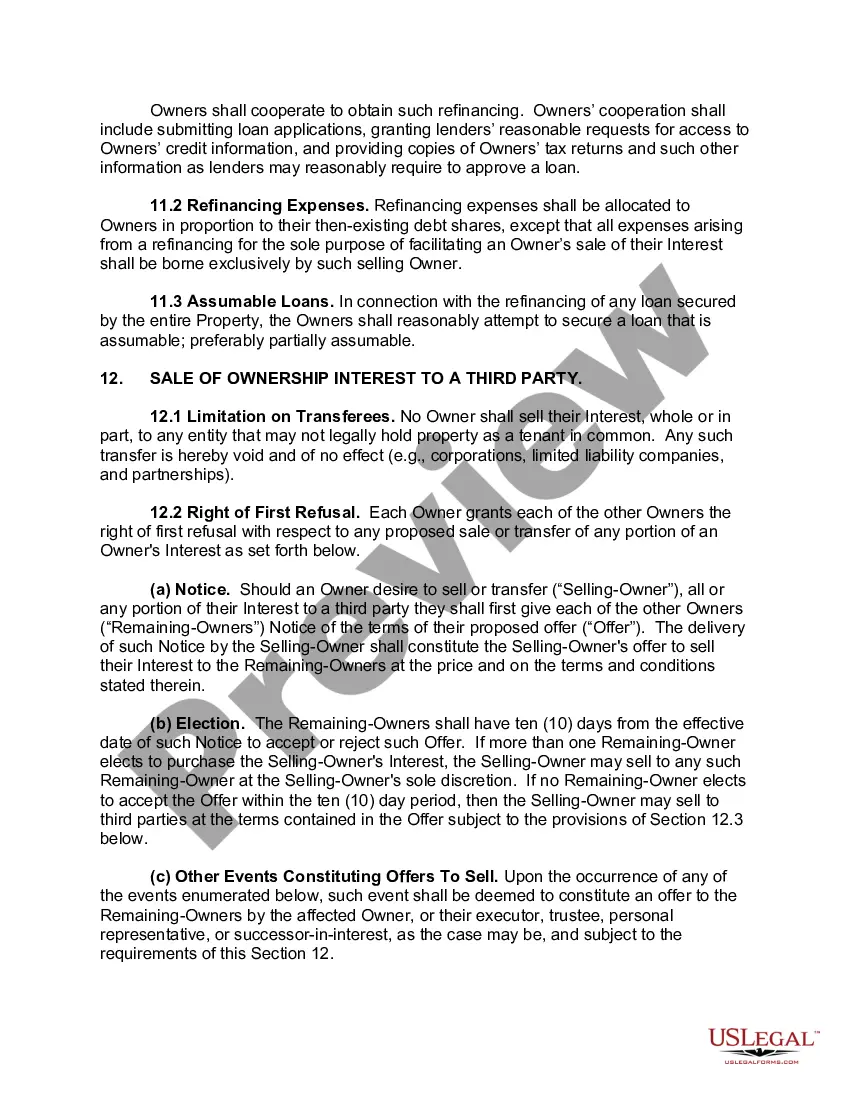
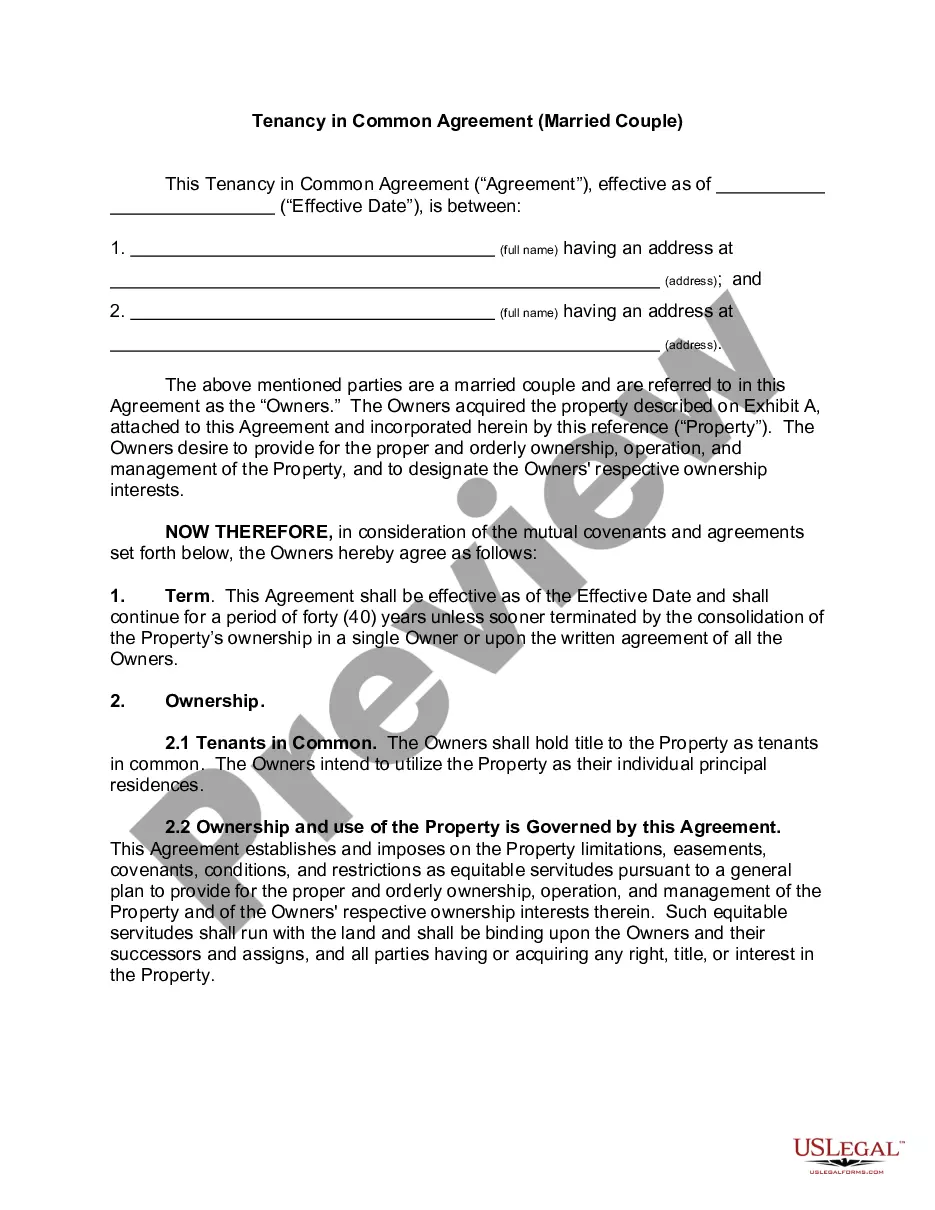
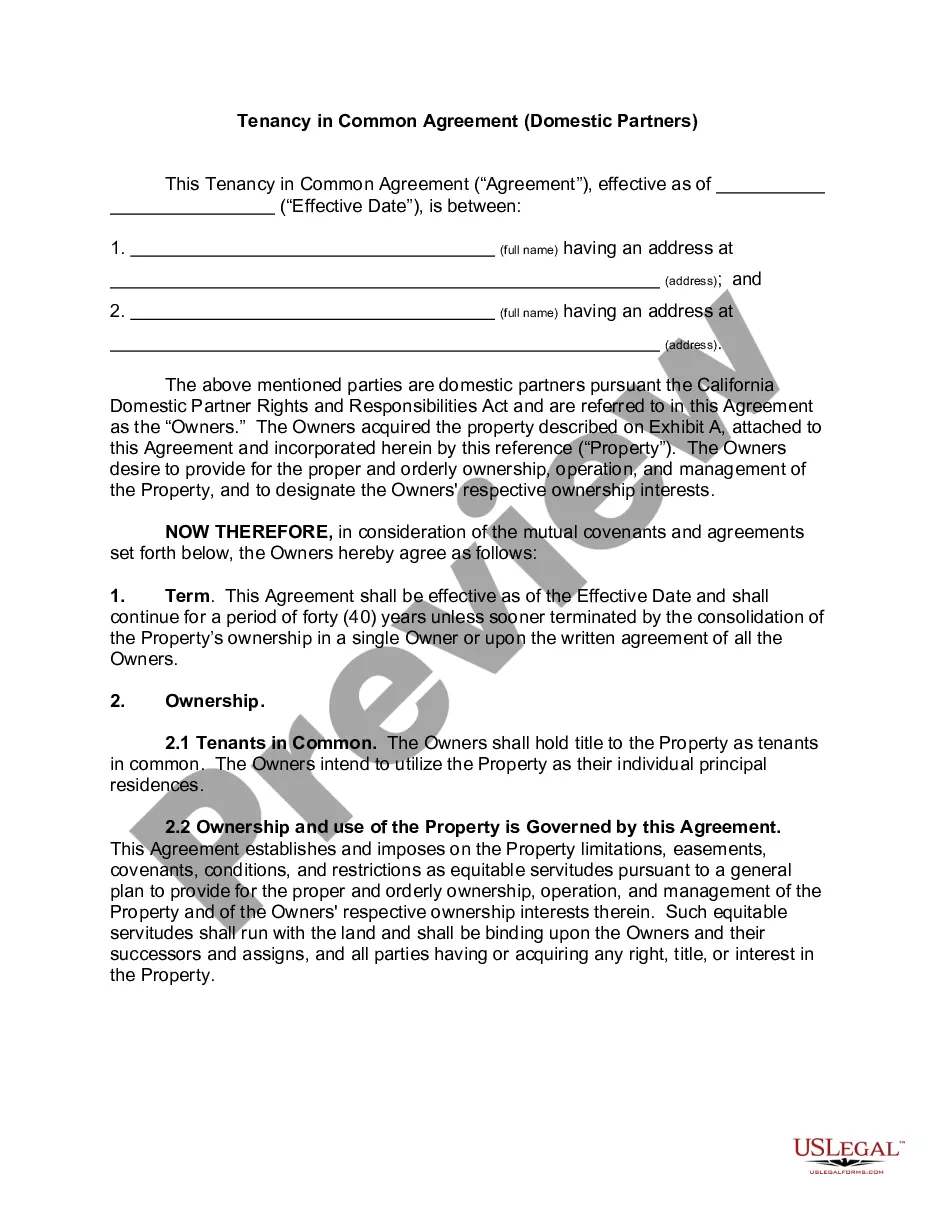
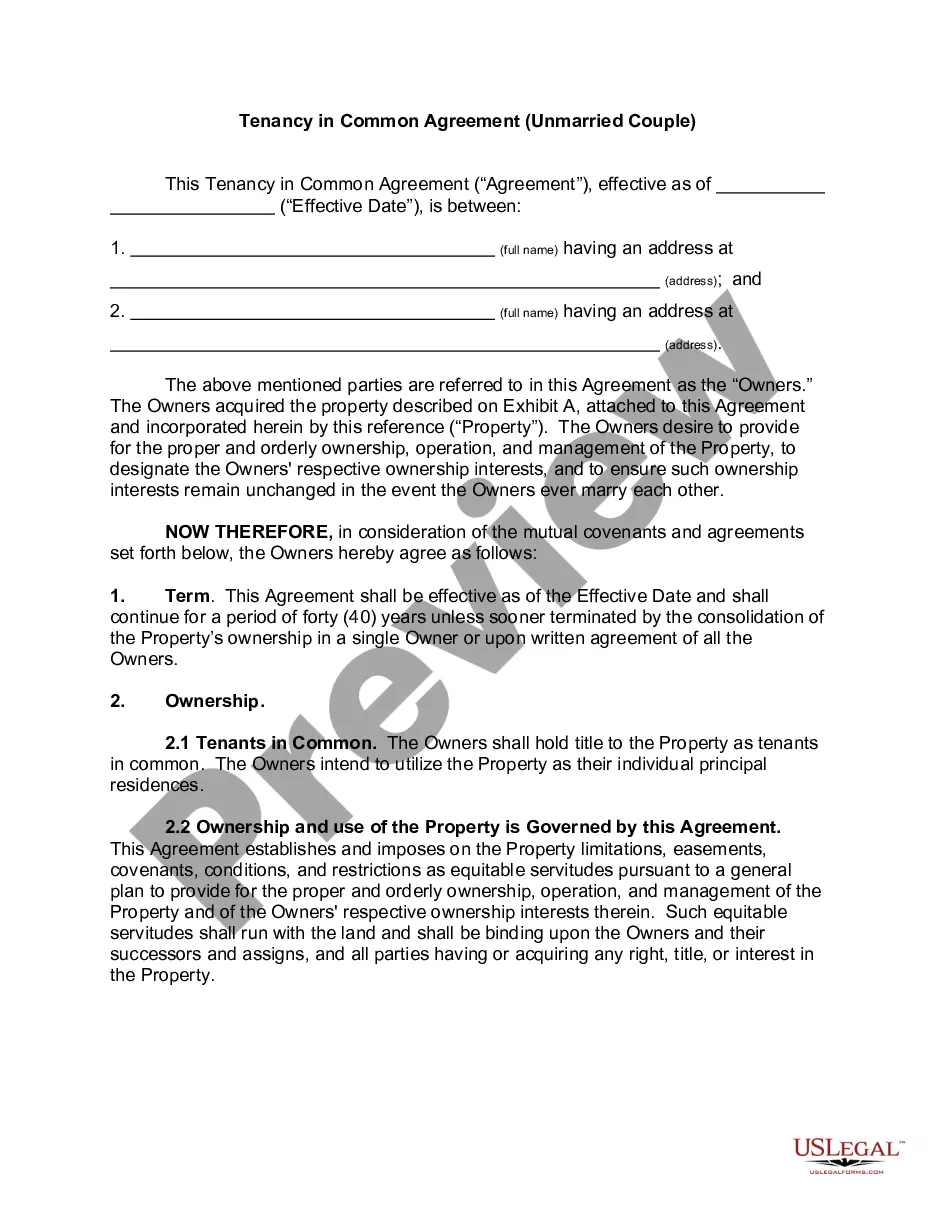
The Tenancy In Common Agreement Form With Partner presented on this page is a versatile legal document crafted by expert attorneys in accordance with national and local regulations.
For over 25 years, US Legal Forms has supplied individuals, organizations, and lawyers with more than 85,000 authenticated, state-specific forms for any business and personal circumstances. It’s the fastest, easiest, and most dependable method to acquire the documents you require, as the service ensures the utmost level of data protection and anti-malware security.
Register for US Legal Forms to have verified legal templates for all of life’s situations at your fingertips.
- Search for the document you require and review it.
- Explore the file you located and preview it or inspect the form details to confirm it meets your requirements. If it doesn’t, use the search bar to find the correct one. Click 'Buy Now' once you have found the form you want.
- Choose and sign in.
- Select the subscription plan that best fits you and create an account. Use PayPal or a credit card to make a swift payment. If you already have an account, Log In and verify your subscription to continue.
- Acquire the fillable form.
Form popularity
FAQ
A tenancy in common is a form of co-ownership where two or more people share ownership of a property. Each owner has a distinct, separate share in the property, which they can sell or transfer independently. For instance, if you and your spouse buy a house together, you might each own 50% of the property, allowing you to create a tenancy in common agreement template with spouse to define your rights and responsibilities regarding the property.
The most common type of tenancy for married couples is joint tenancy, as it typically allows for survivorship rights. However, many couples opt for a tenancy in common agreement template with spouse to specify their individual ownership shares, which can be beneficial for estate planning. This arrangement provides more flexibility, particularly if one partner wants to leave their share to someone other than their spouse. Understanding these differences is crucial for making informed property decisions.
To set up a tenancy in common, you and your spouse must draft a tenancy in common agreement template with spouse, which outlines each party's share of the property. This document requires the names of both owners, the percentage of ownership, and any other important terms. Once finalized, it should be signed by both parties and, ideally, notarized. Storing this agreement securely will help prevent future disputes.
One downside of tenants in common is that each person holds an individual share of the property, which means they can sell or transfer their interest without the consent of the other owner. This could lead to misunderstandings or disputes, especially in a relationship. Additionally, if one owner passes away, their share does not automatically go to the surviving spouse unless specified. To address these complexities, using a 'Tenancy in common agreement template with spouse' can help set clear terms and conditions, protecting both partners' interests.
Yes, you can definitely be tenants in common when married. This ownership structure allows for flexibility as each spouse can hold different shares of the property. This approach is particularly advantageous for couples who wish to maintain separate interests or wish to transfer ownership in the future. A well-crafted tenancy in common agreement template with spouse can help you establish clear terms and avoid disputes later.
To add your partner to your tenancy agreement, first contact your landlord or property management team to discuss the required process. You may need to fill out a form or provide consent to modify the lease. Once approved, you can create a tenancy in common agreement template with your spouse to outline your shared ownership and contributions. This step ensures both parties are legally recognized in the agreement.
Yes, married couples can hold property as tenants in common. This arrangement allows each spouse to own a specific share of the property, which they can will to heirs or sell independently. This setup can be beneficial if spouses have substantial separate assets or different financial plans. A tenancy in common agreement template with spouse can outline each partner's rights and responsibilities clearly.
For married couples, a joint tenancy often provides the best arrangement. This form of ownership allows both partners to share equal rights to the property and a right of survivorship. If one spouse passes away, the other automatically inherits the entire property, avoiding complicated probate processes. However, if you prefer an estate plan that allows for separate shares, consider using a tenancy in common agreement template with a spouse.