Apartment Rules Tenant For Rent
Description
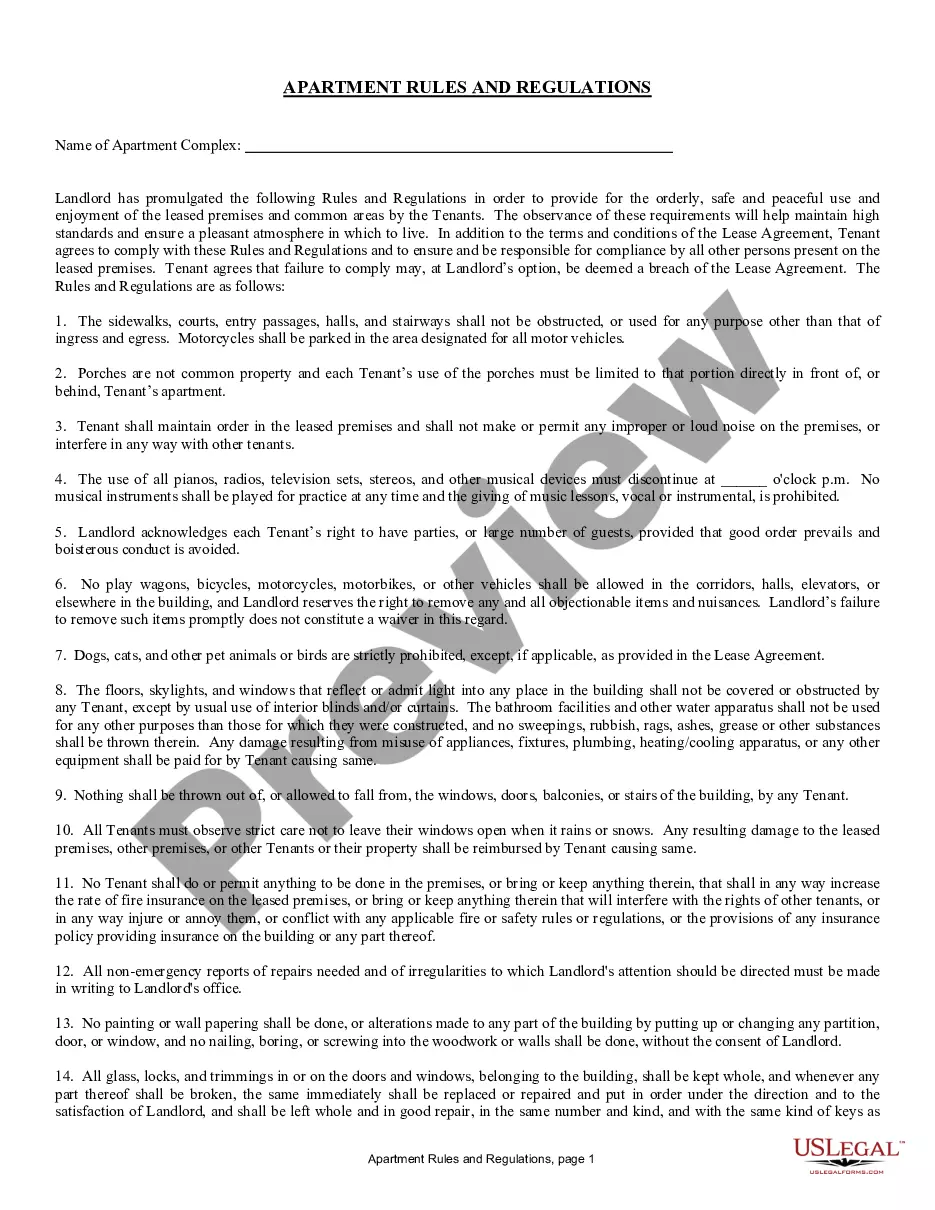
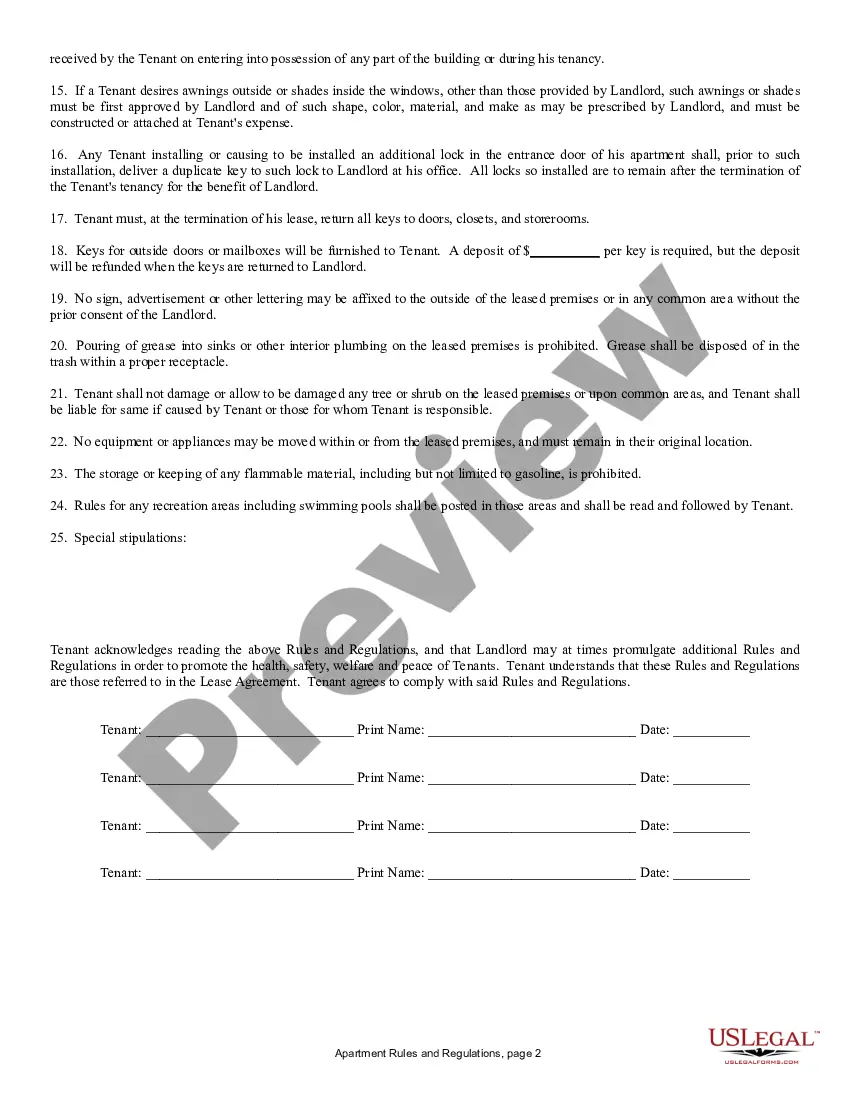
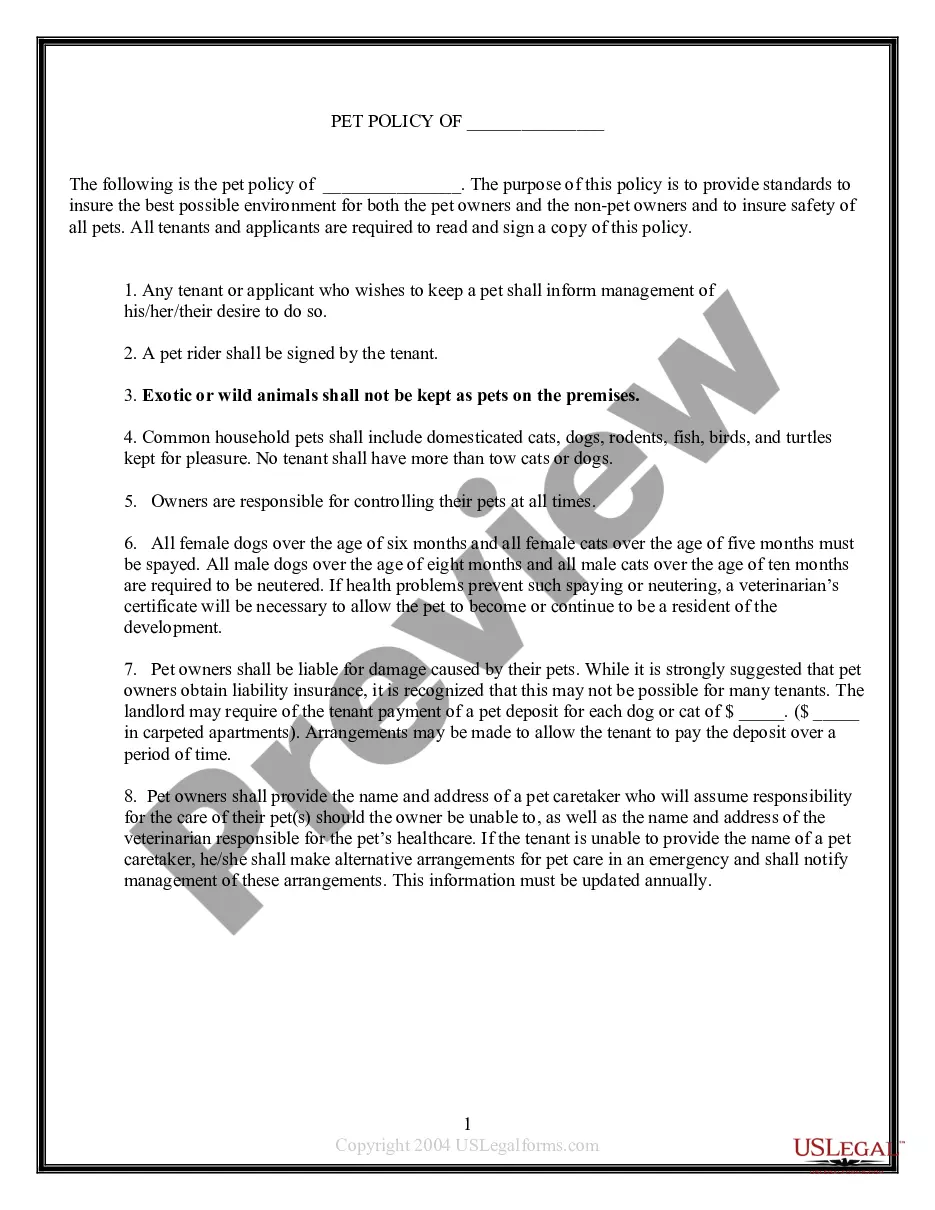
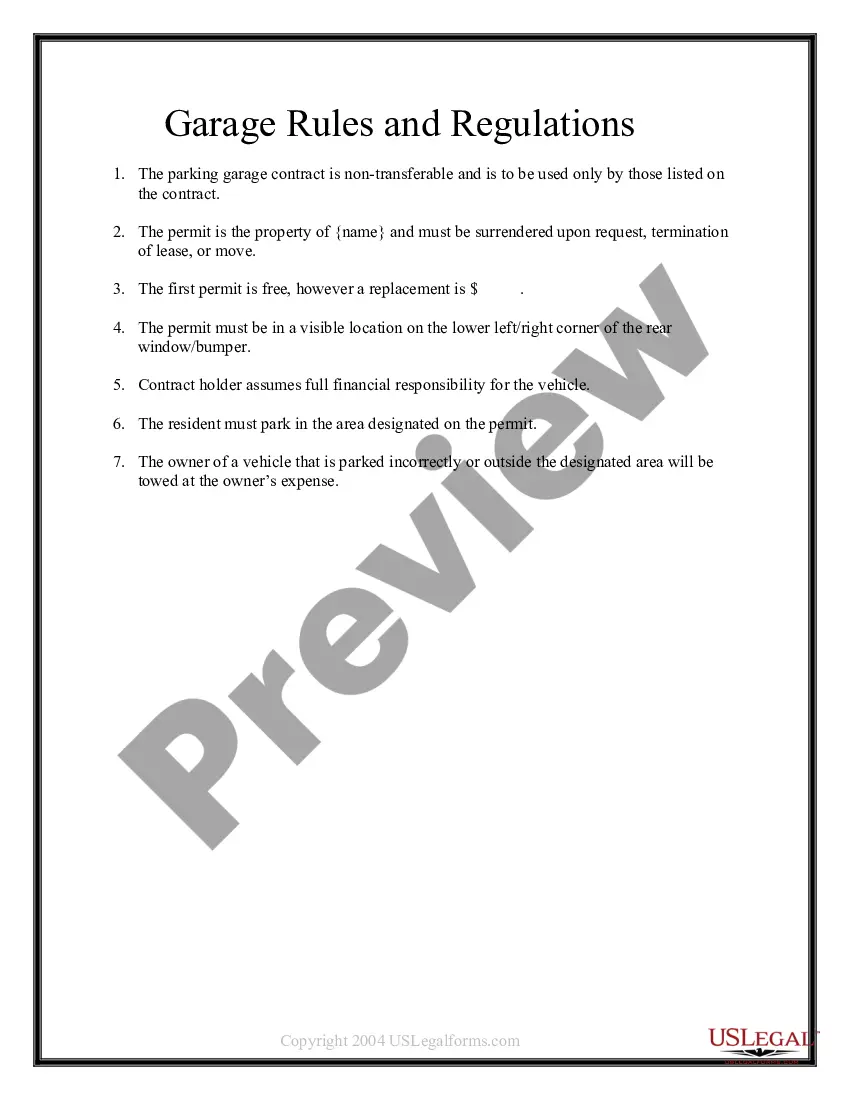
Get your form ready online
Our built-in tools help you complete, sign, share, and store your documents in one place.
Make edits, fill in missing information, and update formatting in US Legal Forms—just like you would in MS Word.
Download a copy, print it, send it by email, or mail it via USPS—whatever works best for your next step.
Sign and collect signatures with our SignNow integration. Send to multiple recipients, set reminders, and more. Go Premium to unlock E-Sign.
If this form requires notarization, complete it online through a secure video call—no need to meet a notary in person or wait for an appointment.
We protect your documents and personal data by following strict security and privacy standards.

Make edits, fill in missing information, and update formatting in US Legal Forms—just like you would in MS Word.

Download a copy, print it, send it by email, or mail it via USPS—whatever works best for your next step.

Sign and collect signatures with our SignNow integration. Send to multiple recipients, set reminders, and more. Go Premium to unlock E-Sign.

If this form requires notarization, complete it online through a secure video call—no need to meet a notary in person or wait for an appointment.

We protect your documents and personal data by following strict security and privacy standards.
Looking for another form?









How to fill out California Apartment Rules And Regulations?
- If you're an existing user, simply log in to download your desired form. Check that your subscription is current; if not, renew it as per your plan.
- For new users, start by exploring the form previews and descriptions to find the one tailored to your needs and compliant with your local laws.
- If you encounter any inaccuracies, use the Search tool to locate the appropriate document.
- Once satisfied with your choice, click 'Buy Now' and select your preferred subscription plan, ensuring that you register for an account.
- Complete your purchase by entering your payment details through your credit card or PayPal.
- After your purchase is confirmed, download the form to your device for completion. You can also find it later under the My Forms section of your profile.
Using US Legal Forms enhances your document preparation experience. With over 85,000 customizable legal templates, you gain access to a vast collection that exceeds competitors at similar prices.
For additional assistance, connect with premium legal experts available to guide you in completing your forms accurately. Start taking control of your rental process today!
Form popularity
FAQ
California has recently implemented legislation that strengthens protections for renters, including limits on rent increases and rules regarding eviction processes. This law aims to enhance the rights of tenants and ensure fair treatment in the rental market. Understanding these apartment rules for tenants for rent can help renters in California navigate their housing situation with confidence.
To afford a $1500 monthly rent comfortably, you should ideally earn around $4500 per month, which aligns with the common rule of making three times the rent. However, factors like other expenses and financial obligations play a role in this calculation. Evaluating your overall budget can help you determine if you can meet these apartment rules for tenants for rent.
Many landlords prefer that tenants earn three times the rent to ensure affordability, but this can vary by location and individual property management. Some apartments may consider other factors, such as good credit or a co-signer, as part of their apartment rules for tenants for rent. This policy is a guideline more than a strict requirement.
In Delaware, renters have several rights, including the right to a safe and habitable living environment and the right to privacy. They also have protections against discrimination and should have their security deposits returned within a specified timeframe. Understanding these rights is crucial for navigating apartment rules for tenants for rent effectively.
Apartments often assess prospective tenants by reviewing an application that includes personal and financial information. They may also conduct background checks and reference verifications to ensure that applicants can adhere to apartment rules for tenants for rent. The aim is to select tenants who demonstrate reliability and responsibility.
Yes, landlords have the authority to choose who they rent to, as long as they comply with fair housing laws. This means they cannot discriminate based on race, gender, religion, or other protected categories. Understanding these apartment rules for tenants for rent can help you navigate the application process.
Apartment renters in Texas have a range of rights designed to protect their living conditions. These include the right to live in a safe environment, the right to retain security deposits, and the right to receive repairs promptly. Familiarizing yourself with the apartment rules tenant for rent empowers you to address any issues effectively. It’s important to be proactive and know what you are entitled to as a tenant.
In Texas, a landlord generally cannot lock you out of your apartment without following legal procedures. This includes providing proper notice and obtaining legal permission in certain situations, like non-payment of rent. Understanding the apartment rules tenant for rent can provide insight into your rights and the obligations of your landlord. If you find yourself facing a lockout, seek assistance to ensure your rights are protected.
Texas has specific occupancy rules that ultimately aim to protect your living space. Generally, the rules cover limits on the number of occupants based on the size of the unit, ensuring the apartment remains safe and comfortable. It’s important to familiarize yourself with local regulations and your lease terms, as they elaborate on these apartment rules tenant for rent. Staying informed helps you avoid potential issues with your landlord.
In Texas, tenants in common have specific rights regarding shared property ownership. Each tenant has the right to occupy the property, make decisions about it, and sell their share independently. Understanding these apartment rules tenant for rent is essential, especially if you are considering investments with other individuals. Ensure you have a clear agreement to avoid conflicts.