Lease Tenant Form Agreement With The Client
Description


Get your form ready online
Our built-in tools help you complete, sign, share, and store your documents in one place.
Make edits, fill in missing information, and update formatting in US Legal Forms—just like you would in MS Word.
Download a copy, print it, send it by email, or mail it via USPS—whatever works best for your next step.
Sign and collect signatures with our SignNow integration. Send to multiple recipients, set reminders, and more. Go Premium to unlock E-Sign.
If this form requires notarization, complete it online through a secure video call—no need to meet a notary in person or wait for an appointment.
We protect your documents and personal data by following strict security and privacy standards.

Make edits, fill in missing information, and update formatting in US Legal Forms—just like you would in MS Word.

Download a copy, print it, send it by email, or mail it via USPS—whatever works best for your next step.

Sign and collect signatures with our SignNow integration. Send to multiple recipients, set reminders, and more. Go Premium to unlock E-Sign.

If this form requires notarization, complete it online through a secure video call—no need to meet a notary in person or wait for an appointment.

We protect your documents and personal data by following strict security and privacy standards.
Looking for another form?





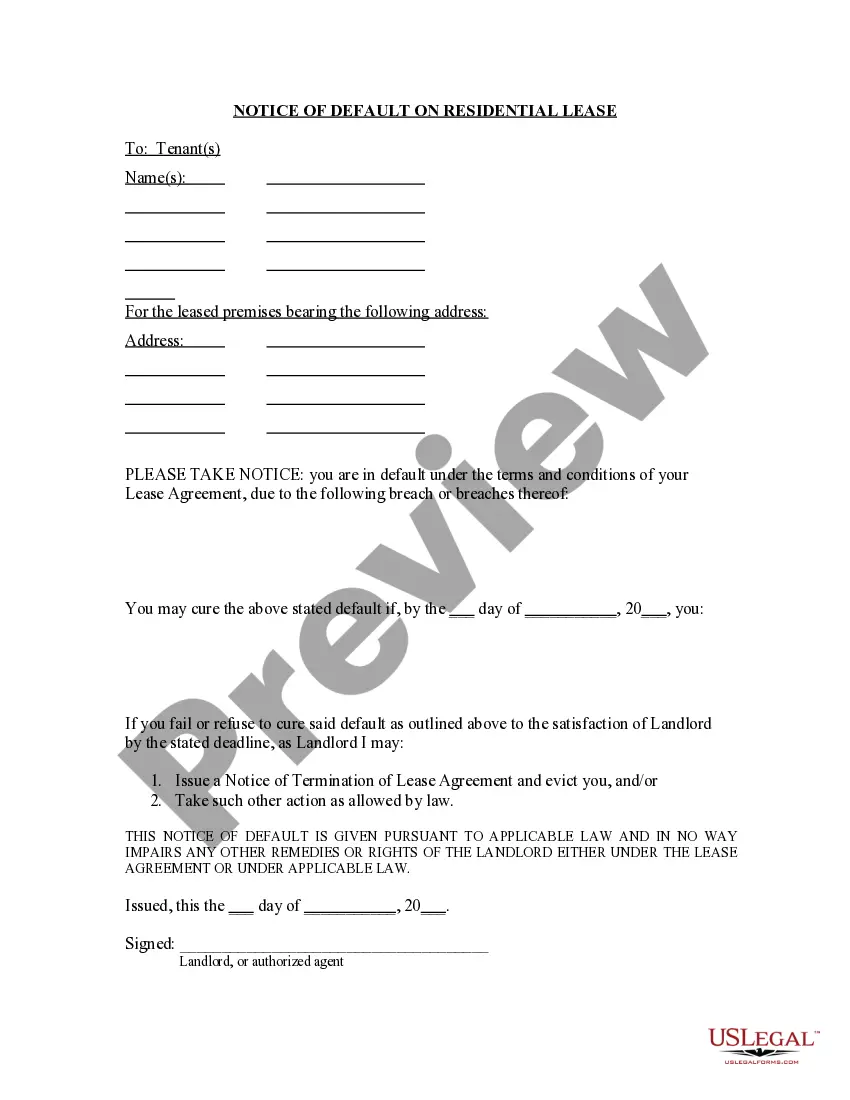
How to fill out California Notice Of Default On Residential Lease?
- Log in to your US Legal Forms account if you're a returning user. Ensure your subscription is active and click the Download button to save the form.
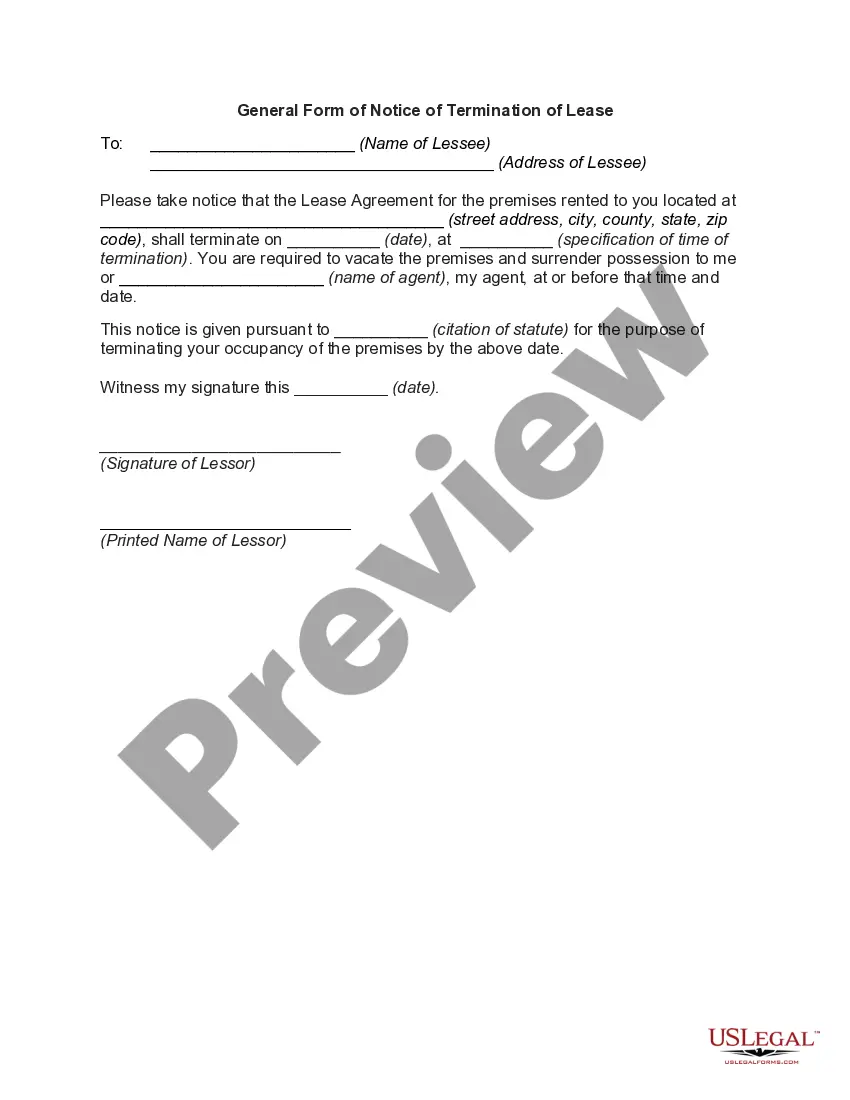
- For first-time users, start by reviewing the available forms. Use the Preview mode to check descriptions and ensure compliance with your local jurisdiction.
- If you don’t find the right form, utilize the Search tab to locate alternate templates that better suit your needs.
- Once you've identified the correct document, select the Buy Now button and choose your preferred subscription plan. Creating an account is necessary for access.
- Complete your purchase by entering your payment details through credit card or PayPal.
- Finally, download the completed form to your device and access it at any time in the My Forms section of your account.
By following these steps, you'll have your Lease Tenant Form Agreement with the Client in no time. US Legal Forms stands out with its vast collection of over 85,000 fillable and editable legal templates, ensuring users can find exactly what they need.
Don't hesitate; start using US Legal Forms today to simplify your legal document needs!
Form popularity
FAQ
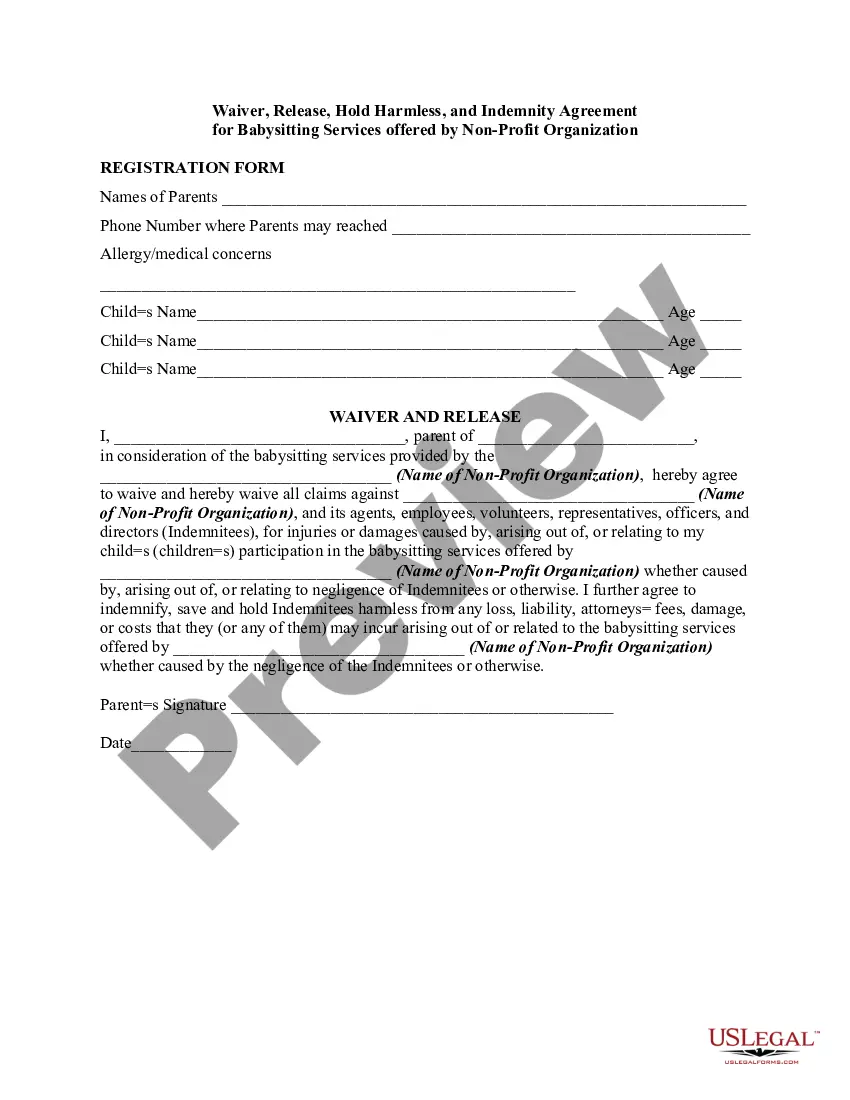
To write a contract for someone living with you, outline the key details about rental terms, responsibilities, and expectations. Include specifics such as the rent amount, due date, and shared responsibilities in common areas. It's important to ensure both parties are clear on their obligations to avoid misunderstandings. A clear lease tenant form agreement with the client can help solidify these arrangements.
Yes, you can write up your own lease agreement, but ensure it includes all necessary legal elements. Include terms related to rent, duration, and conditions of the tenancy. It's beneficial to research local rental laws and possibly consult a legal expert to enhance the agreement's validity. Using a professional lease tenant form agreement with the client can guide you in crafting a comprehensive document.
To fill a lease agreement form in PDF format, start by opening the document in a PDF editor or viewer that allows editing. Enter the required information in the designated fields, following the outlined structure. After completing the form, review for accuracy before saving and distributing copies to all parties involved. Using a well-structured lease tenant form agreement with the client simplifies this process.
A roommate agreement primarily focuses on the relationship between individuals sharing a space, detailing responsibilities and conduct. In contrast, a lease agreement is a legal contract between a landlord and tenant, outlining the terms of the rental property. Understanding these distinctions helps in creating a lease tenant form agreement with the client that meets both parties’ needs.
A reasonable roommate agreement should cover all essential aspects of cohabitation. It typically includes rules about shared spaces, rental payments, and responsibilities for bills and chores. Additionally, consider including procedures for handling conflicts and agreements regarding guests. A solid lease tenant form agreement with the client provides a framework for a harmonious living arrangement.
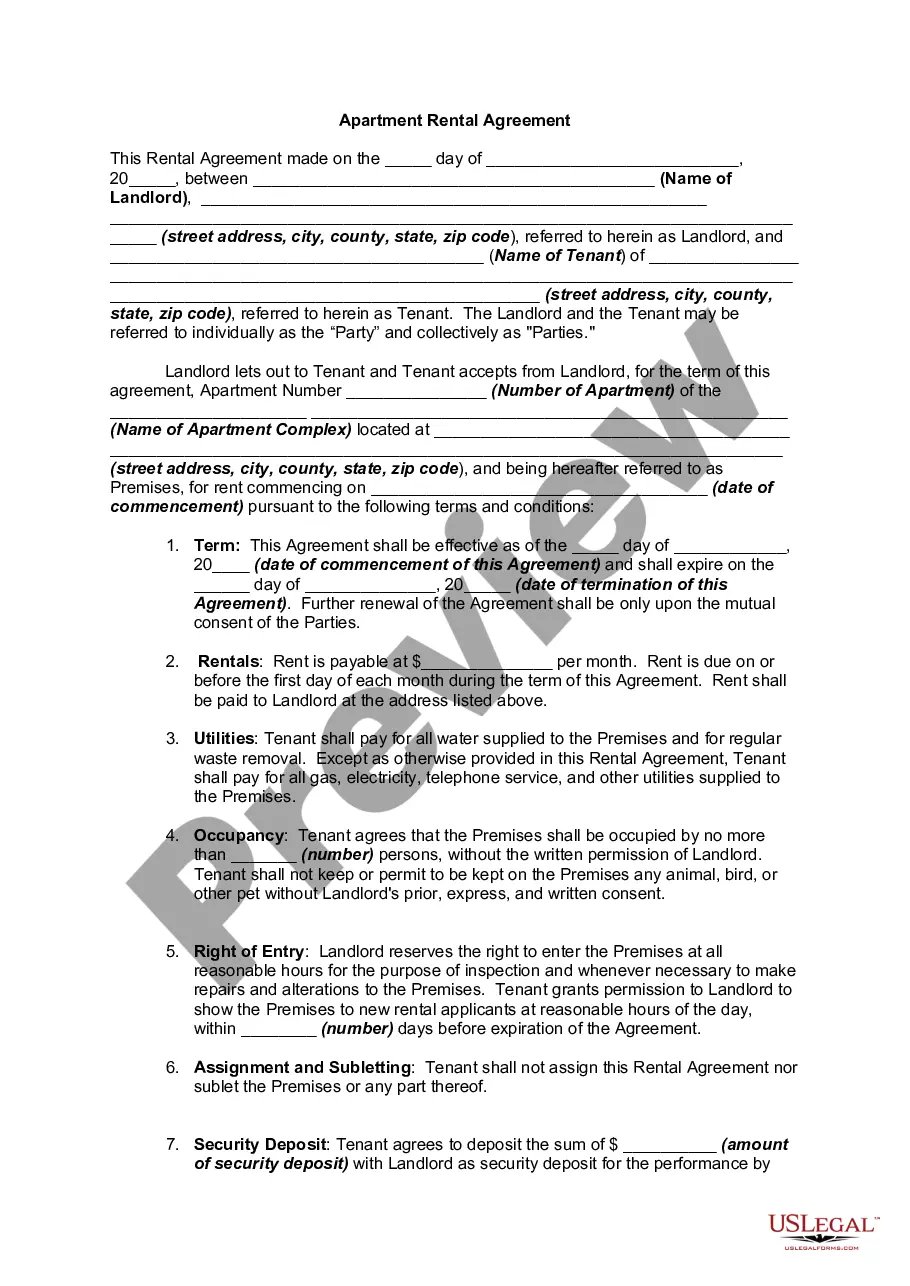
To write a lease agreement for your roommate, start by outlining the basic details such as names, property address, and rental terms. Be specific about the rent amount, payment due dates, and the security deposit. Additionally, include house rules and responsibilities to ensure clear communication. This lease tenant form agreement with the client serves to protect all parties involved.
Filling a lease agreement involves a few key steps. First, gather all necessary information regarding the landlord and tenant, including their names and contact details. Then, include details about the rental property, payment terms, and any specific rules or conditions. Finally, ensure that both parties review the lease tenant form agreement with the client, sign, and retain copies for their records.
Yes, you can write your own lease tenant form agreement with the client. However, it is vital to ensure that it complies with local landlord-tenant laws. Utilizing resources from platforms like uslegalforms can help you create a legally sound document that covers all essential elements. This way, you can protect both parties' rights and lay a solid foundation for the rental relationship.
While assessing a lease tenant form agreement with the client, red flags may arise such as unusually low rent or non-refundable deposits. Be wary of lease terms that are vague or ambiguous, as they can lead to misunderstandings. Also, take note of any clauses that may infringe on your privacy rights. Identifying these issues early can save you trouble down the line.
Red flags in a lease tenant form agreement with the client can include hidden fees, unclear terms, and restrictive clauses. Look for provisions that seem overly favorable to the landlord, such as extensive rights to enter the property without notice. Additionally, vague language around responsibility for repairs can lead to conflicts. Staying alert to these warning signs will protect your interests.