Unfairness Warranting Sued With The Law
Description
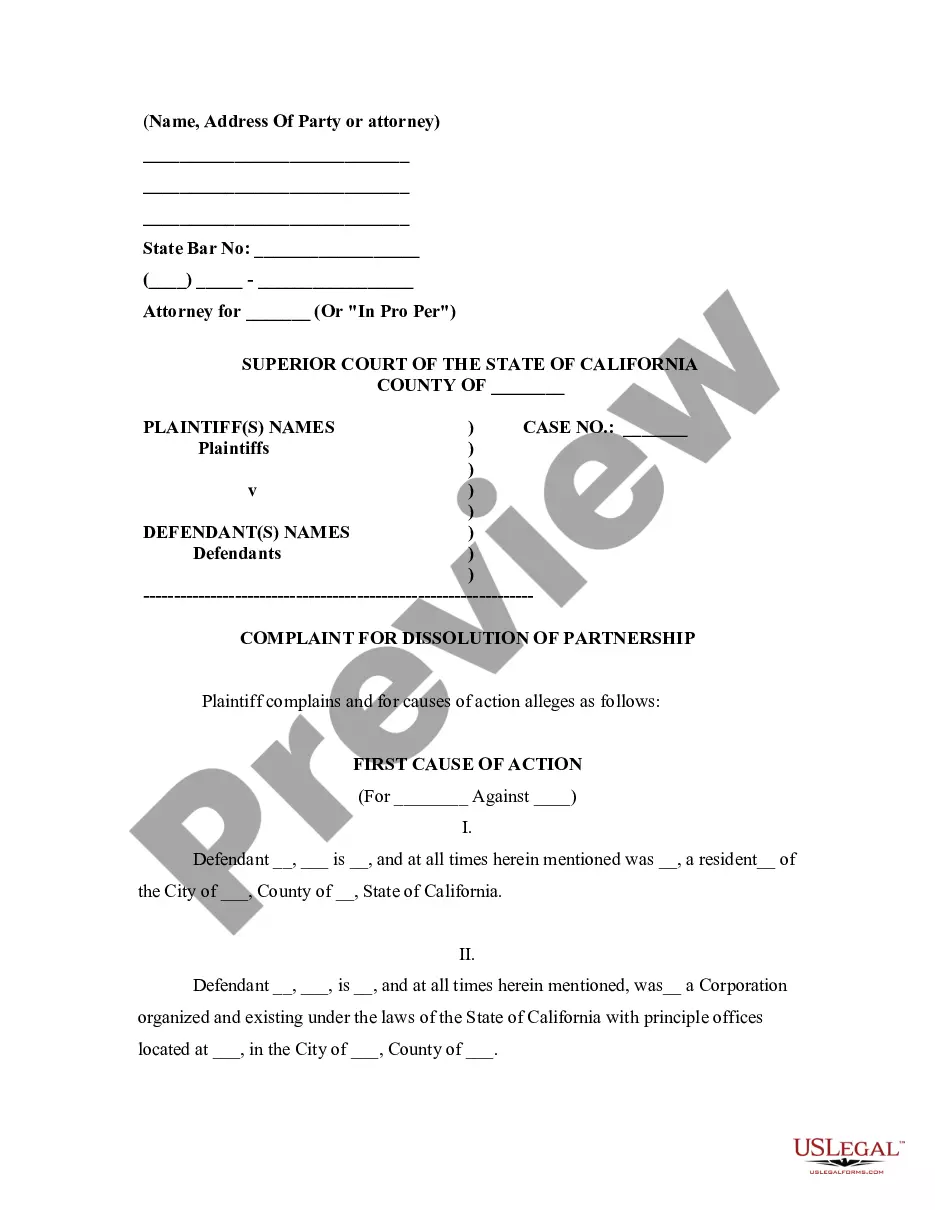
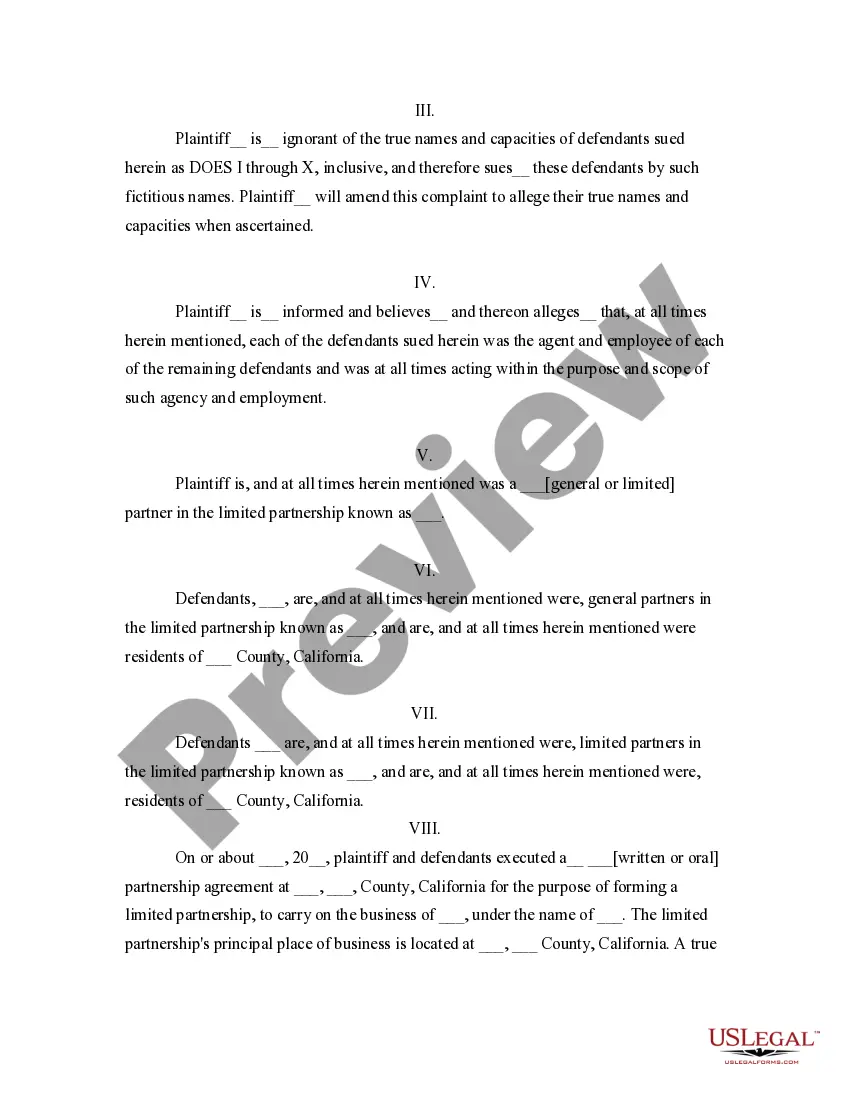
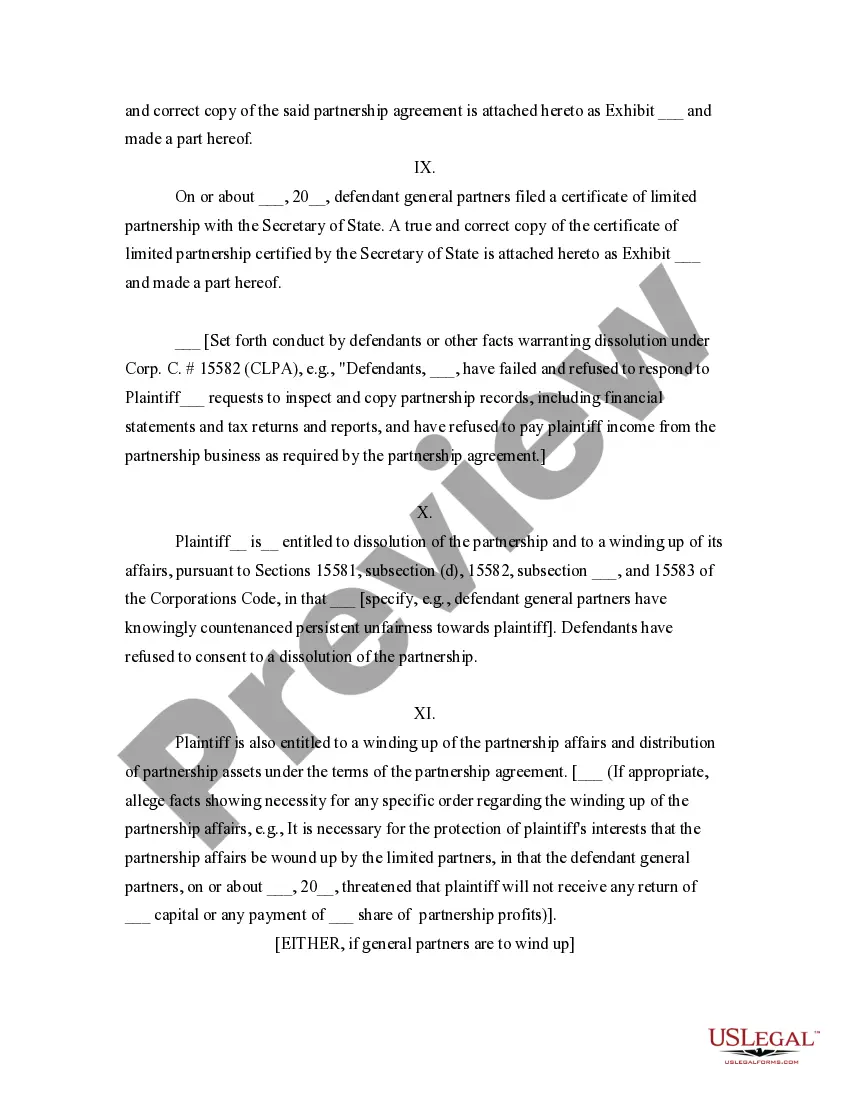
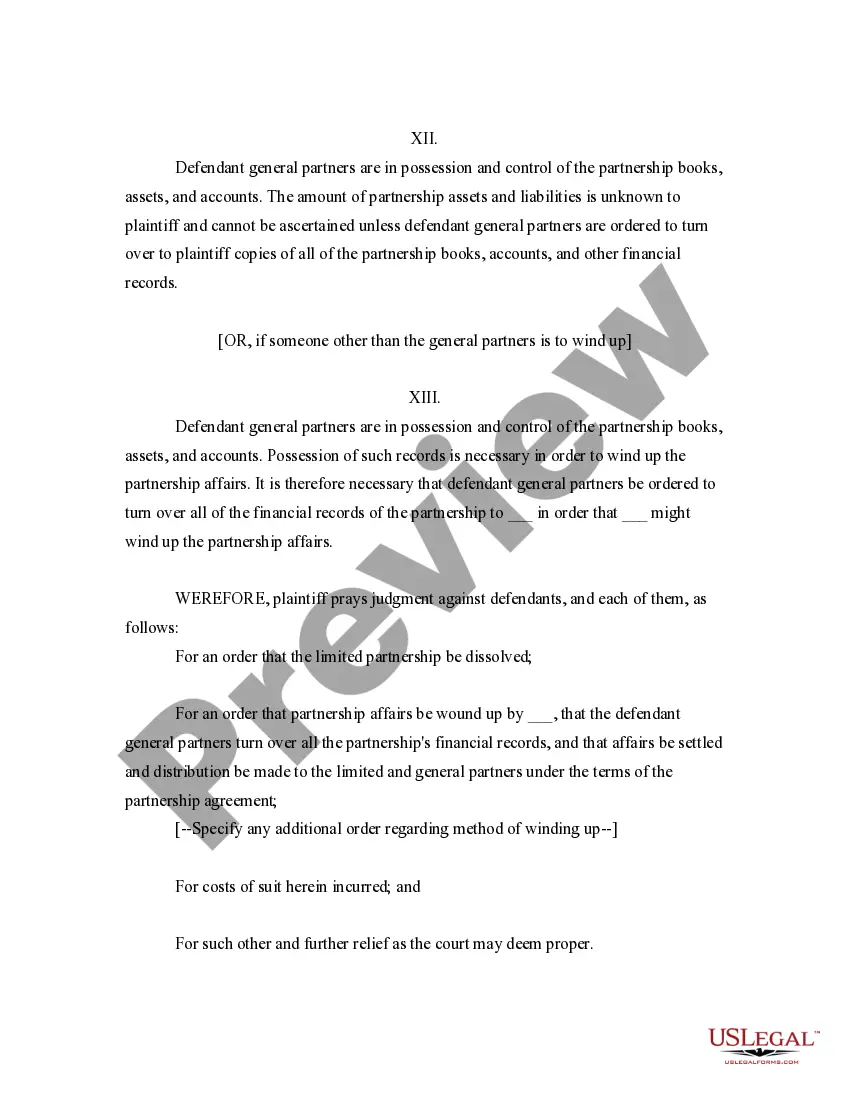
Get your form ready online
Our built-in tools help you complete, sign, share, and store your documents in one place.
Make edits, fill in missing information, and update formatting in US Legal Forms—just like you would in MS Word.
Download a copy, print it, send it by email, or mail it via USPS—whatever works best for your next step.
Sign and collect signatures with our SignNow integration. Send to multiple recipients, set reminders, and more. Go Premium to unlock E-Sign.
If this form requires notarization, complete it online through a secure video call—no need to meet a notary in person or wait for an appointment.
We protect your documents and personal data by following strict security and privacy standards.

Make edits, fill in missing information, and update formatting in US Legal Forms—just like you would in MS Word.

Download a copy, print it, send it by email, or mail it via USPS—whatever works best for your next step.

Sign and collect signatures with our SignNow integration. Send to multiple recipients, set reminders, and more. Go Premium to unlock E-Sign.

If this form requires notarization, complete it online through a secure video call—no need to meet a notary in person or wait for an appointment.

We protect your documents and personal data by following strict security and privacy standards.
Looking for another form?


How to fill out California Complaint For Dissolution Of Limited Partnership?
- If you’re a returning user, log in to your account and select the needed form from your dashboard. Ensure your subscription is current; renew if necessary.
- For first-time users, begin by exploring the Preview mode to familiarize yourself with the form descriptions. Ensure you've selected the right document that meets your local jurisdiction’s standards.
- Should you need to search for additional templates, utilize the Search function to find alternative forms that fit your requirements. Proceed to the next step if you find a suitable option.
- Purchase the document by clicking the Buy Now button. Choose your preferred subscription plan and create an account to unlock access to the extensive library.
- Finalize your payment by entering your credit card information or logging into your PayPal account for the subscription fee.
- Download the completed form to your device, allowing you to fill it out at your convenience. Access it anytime through the My Forms section of your profile.
US Legal Forms provides an unmatched collection of over 85,000 fillable and editable legal forms, exceeding competitors in both quality and quantity. This extensive library ensures users can find the right documents tailored to their needs.
If you ever feel overwhelmed by legal requirements, US Legal Forms is here to empower you with the right tools. Start your journey towards legal clarity today.
Form popularity
FAQ
Unfair competition law in Texas addresses practices that harm another business or consumer in an unethical way. This includes false advertising, misrepresentation, and other deceptive methods. If you face unfairness warranting sued with the law in a competitive scenario, you can seek legal recourse under these laws. Exploring the options provided by USLegalForms can guide you through filing a complaint and pursuing justice.
Texas has specific laws, including the Deceptive Trade Practices Act, that address deception in business and personal transactions. These laws protect consumers from misleading practices and allow for the pursuit of damages. When unfairness warranting sued with the law arises, individuals can hold perpetrators accountable. Understanding Texas's deception law is crucial for anyone interacting in the marketplace.
Yes, you can potentially sue someone for causing you to be unfairly sued, depending on the circumstances. If their actions were deceptive or malicious and resulted in legal harm, this could warrant a claim under specific legal theories. The concept of unfairness warranting sued with the law applies here, as you need to prove that their behavior caused you damages. Consulting with a legal expert can help clarify your options.
Theft by deception occurs when someone uses deceit to gain property or services from another individual. For example, if a person falsely claims to sell a vehicle and takes payment without delivering the car, this constitutes theft by deception. Such actions can lead to unfairness warranting sued with the law. It’s essential to recognize these deceptive practices to protect yourself and your assets.
The law of deception encompasses various statutes that address misleading conduct or false representations. These laws aim to protect individuals and businesses from unfair practices that can lead to financial loss. When unfairness warranting sued with the law occurs, victims can take legal action under these statutes. Familiarity with these laws can empower you to seek justice when necessary.
The Deceptive Trade Practices Act (DTPA) is a law designed to protect consumers from unfair or deceptive business practices. This act allows individuals to seek legal remedies when they experience unfairness warranting sued with the law. In Texas, this law provides consumers with the ability to recover damages if they have been misled by a business. Understanding the DTPA can help you identify if your rights have been violated.
Suing someone for being disrespectful can be complex, as disrespect alone may not meet the legal threshold for a lawsuit. However, if the disrespect leads to unfairness warranting sued with the law, such as defamation or emotional distress, you may have a case. It's important to consult a legal expert to determine if your situation warrants legal action. They can help you understand your options and the potential outcomes.
To file a discrimination lawsuit, start by documenting the incidents of unfair treatment you experienced. This may involve collecting evidence, such as emails, witnesses, or recordings, which illustrate the unfairness warranting sued with the law. Next, consult with a knowledgeable attorney who specializes in discrimination cases to evaluate your situation and guide you through the legal process. This step is essential to ensure that you meet all necessary deadlines and requirements.
Yes, you can sue for unfair compensation if you believe you received less than what you deserve for your work or services. This situation often falls under unfairness warranting sued with the law. To proceed, gather evidence of your compensation agreement and any relevant documentation. Consulting with a legal professional can help you navigate this process effectively.
Writing a response letter to the court demands clarity and formal tone. Start with a proper heading, then summarize your position clearly related to the case and reinforce key points, particularly if they pertain to unfairness warranting sued with the law. Always ensure your letter meets the court's specific filing requirements, and consider using resources from uslegalforms for guidance.