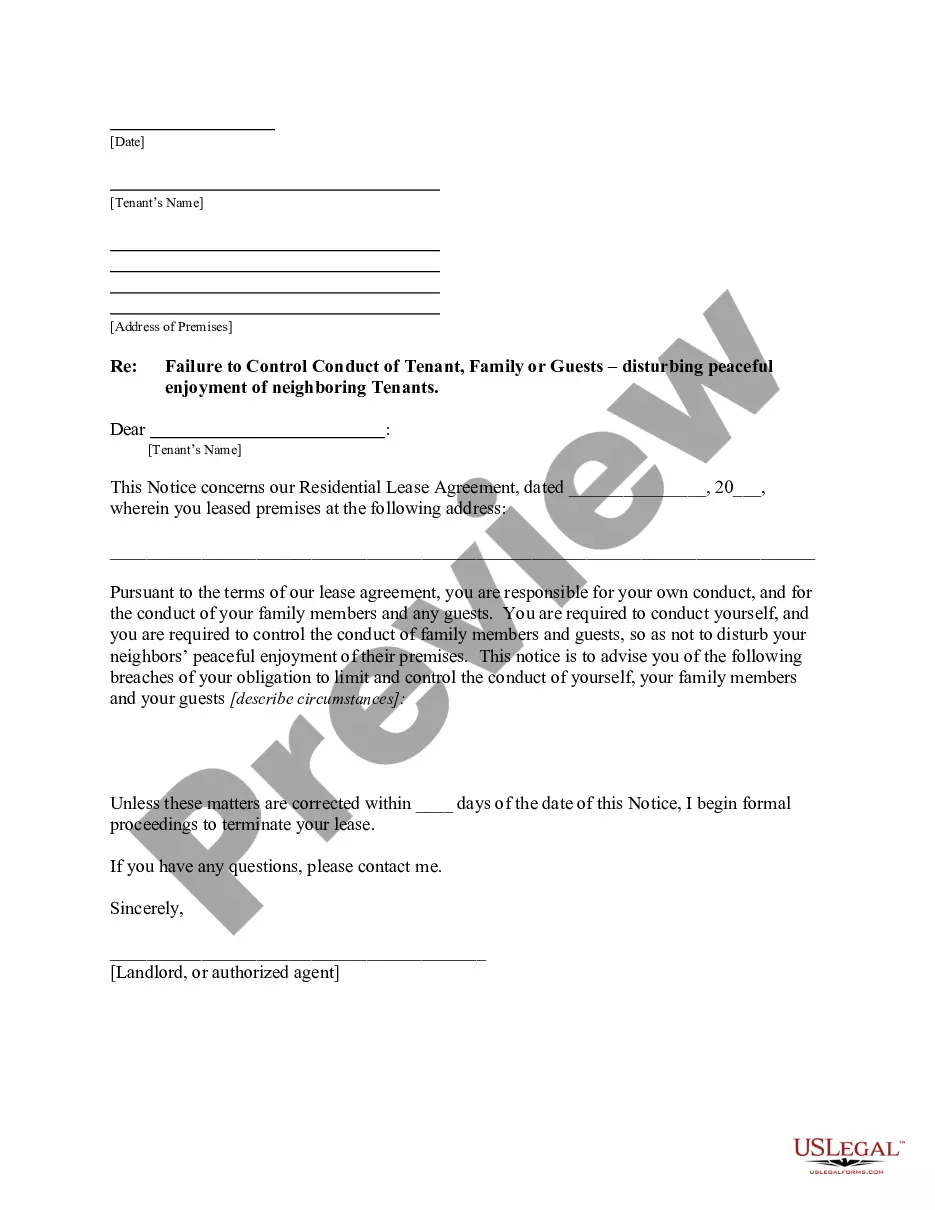
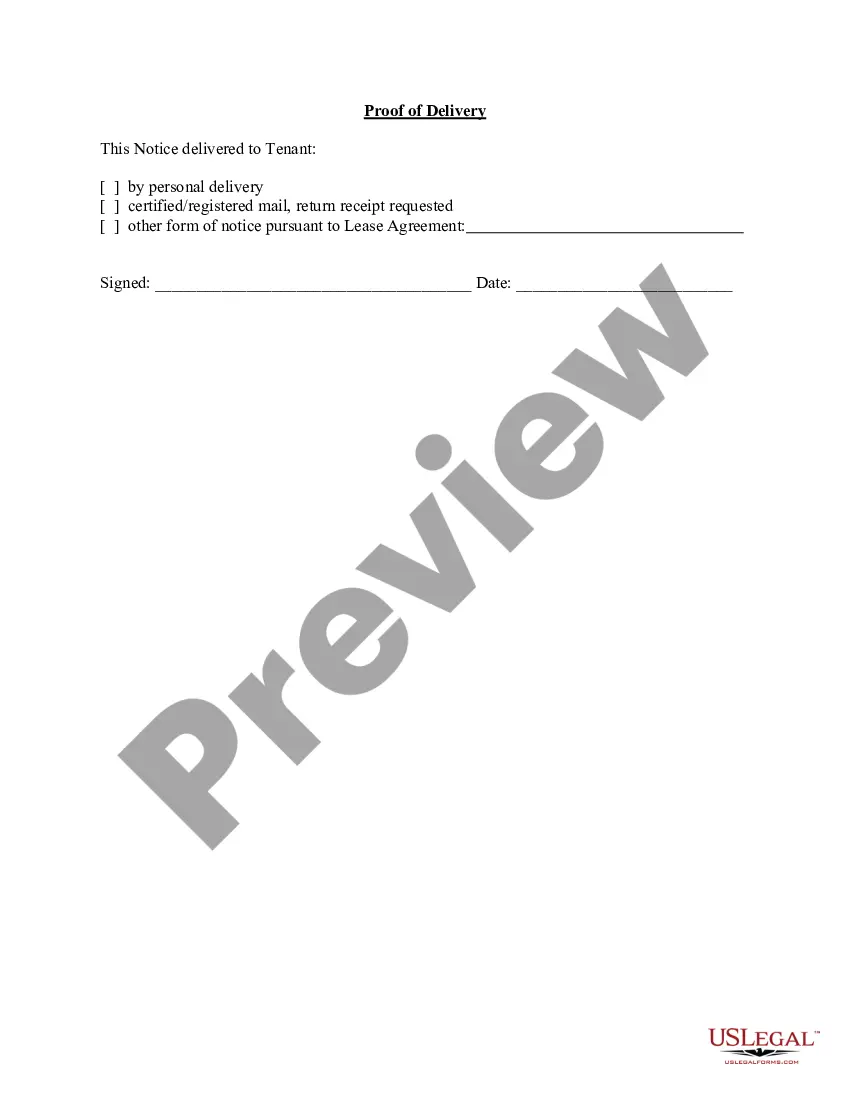
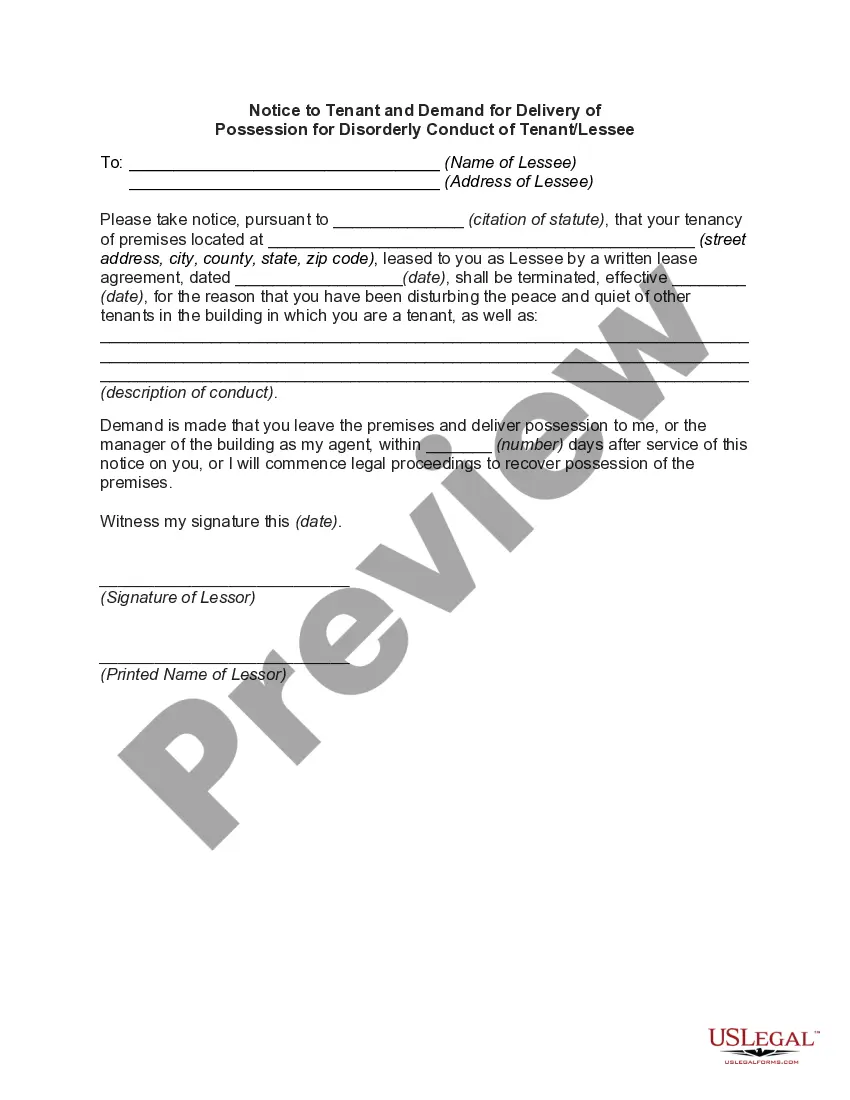
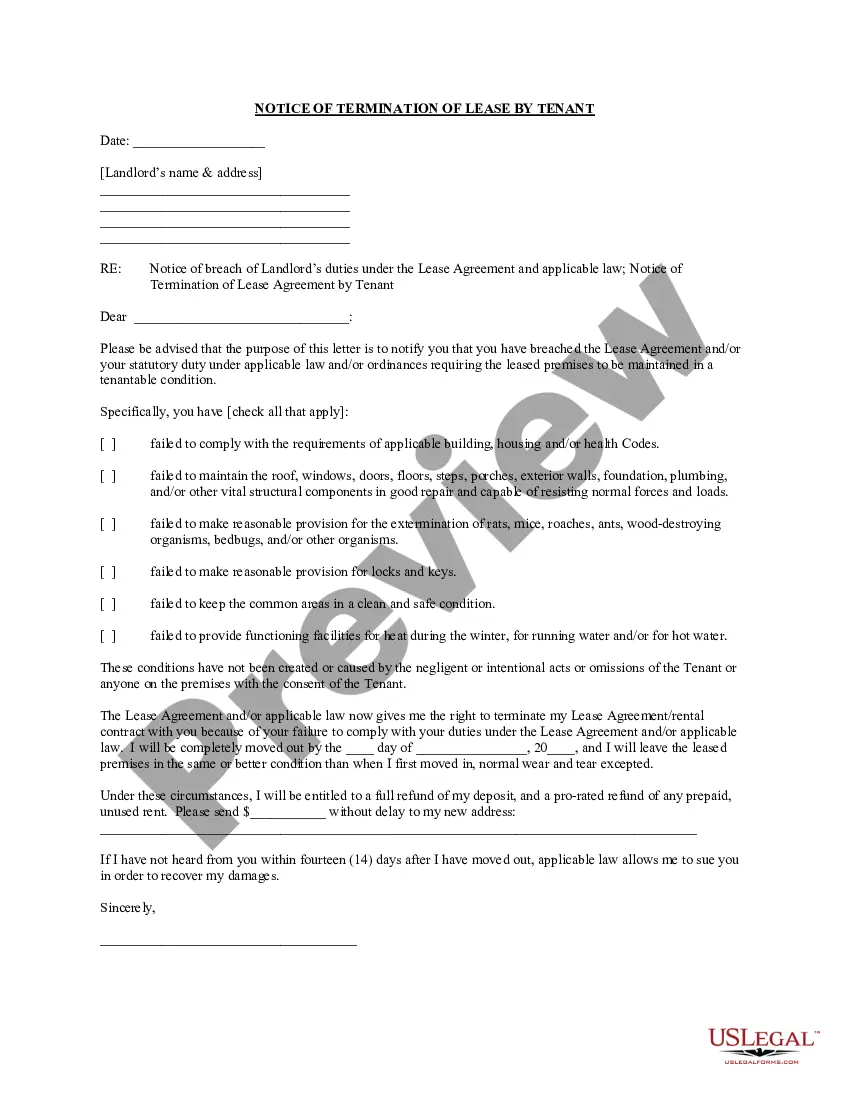
Tenant Nuisance Letter
Description

Get your form ready online
Our built-in tools help you complete, sign, share, and store your documents in one place.
Make edits, fill in missing information, and update formatting in US Legal Forms—just like you would in MS Word.
Download a copy, print it, send it by email, or mail it via USPS—whatever works best for your next step.
Sign and collect signatures with our SignNow integration. Send to multiple recipients, set reminders, and more. Go Premium to unlock E-Sign.
If this form requires notarization, complete it online through a secure video call—no need to meet a notary in person or wait for an appointment.
We protect your documents and personal data by following strict security and privacy standards.

Make edits, fill in missing information, and update formatting in US Legal Forms—just like you would in MS Word.

Download a copy, print it, send it by email, or mail it via USPS—whatever works best for your next step.

Sign and collect signatures with our SignNow integration. Send to multiple recipients, set reminders, and more. Go Premium to unlock E-Sign.

If this form requires notarization, complete it online through a secure video call—no need to meet a notary in person or wait for an appointment.

We protect your documents and personal data by following strict security and privacy standards.
Looking for another form?







How to fill out California Letter From Landlord To Tenant As Notice To Tenant Of Tenant's Disturbance Of Neighbors' Peaceful Enjoyment To Remedy Or Lease Terminates?
- Start by visiting the US Legal Forms website and checking the 'Tenant Nuisance Letter' template in the legal forms library.
- Preview the form and read the description to ensure it meets your requirements and complies with local laws.
- If you find discrepancies or want alternative options, use the Search feature to find the most suitable form.
- Click the 'Buy Now' button to choose a subscription plan that suits you and create an account for access.
- Complete the payment process using your credit card or PayPal, ensuring you have an active subscription.
- Download the tenant nuisance letter template and save it to your device, or access it anytime under 'My Forms' in your profile.
In conclusion, US Legal Forms simplifies the process of obtaining essential legal documents like a tenant nuisance letter. Its extensive collection ensures you have access to the right forms, and expert support is available for completing those documents correctly.
Start today by exploring US Legal Forms to simplify your legal paperwork and ensure your tenant issues are addressed promptly.
Form popularity
FAQ
To start the eviction process for noise disturbances, first, document the incidents in detail. You should gather evidence such as dates, times, and descriptions of the noise, as well as witness statements if possible. Next, send a tenant nuisance letter to the offending tenant, outlining the specific issues and requesting that they cease the disruptive behavior. If the problem continues, and the tenant does not respond to the letter, you may need to consult with a legal professional or consider filing for eviction through the proper legal channels.
To write a letter to a landlord about harassment, clearly outline the problematic behavior and how it affects your living situation. Include any efforts you've made to resolve the issue independently. A concise tenant nuisance letter can serve as a formal alert to the landlord, prompting necessary action.
When writing a harassment complaint letter to your landlord, start by detailing the specific incidents that have occurred. Use exact dates and descriptions to establish a clear record of the behavior. Request an immediate response or action to address the situation, and consider mentioning a tenant nuisance letter to formalize your concerns.
To write a strongly worded letter of complaint to a landlord, begin with a clear statement of your concerns, supported by specific examples. Maintain a professional tone, yet be firm about your expectations. Conclude by requesting appropriate action and consider utilizing a tenant nuisance letter template for guidance.
If you have a loud and disrespectful neighbor, consider documenting incidents to establish a pattern. Then, approach them directly to discuss your concerns, as they may be unaware of the disruption. If the issues persist, draft a tenant nuisance letter citing specific incidents to emphasize the need for change.
To address a noise complaint as a landlord, first, gather details about the issue. Speak directly with the tenant experiencing the disturbance, and listen to their concerns. Next, communicate with the tenant causing the noise, and express the importance of adhering to noise regulations. A tenant nuisance letter can formalize your request for improvement.
If a tenant refuses to move out in California, begin by reviewing the lease and outlining the reasons for eviction. Communicating the issues clearly is essential; a tenant nuisance letter can serve as a formal notification to the tenant. If the situation does not improve, you may need to initiate legal proceedings to obtain an eviction order.
A tenant nuisance in California can include excessive noise, disruptive behavior, or illegal activities that disturb other tenants. It may also involve harassment or any actions that hinder other tenants' enjoyment of their rental space. If you encounter such issues, addressing them promptly with a tenant nuisance letter can be a pivotal step towards resolution.
Getting annoying neighbors evicted requires a clear understanding of the issues at hand. Start by documenting all incidents and complaints related to their behavior. Then, approach your landlord and consider sending a tenant nuisance letter that details the problems you face, providing the landlord with the necessary information to take action.
To evict a nuisance tenant in California, begin by gathering evidence of the nuisance behavior, such as complaints from neighbors or documentation of incidents. Then, serve a notice to the tenant that outlines the specific issues. If they do not comply, legal proceedings may be necessary, where you can utilize a tenant nuisance letter to support your case in court.