Tenant Nuisance Law
Description
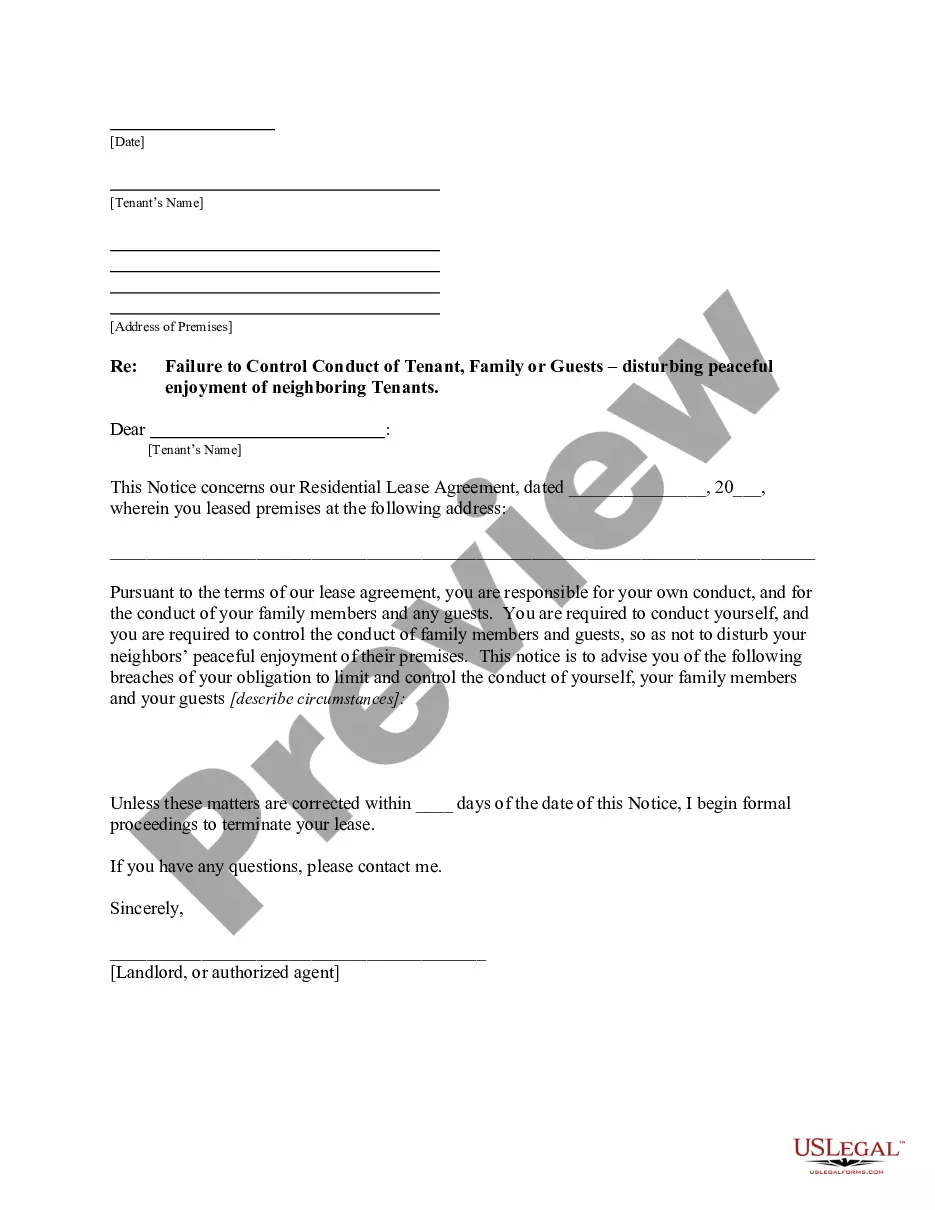
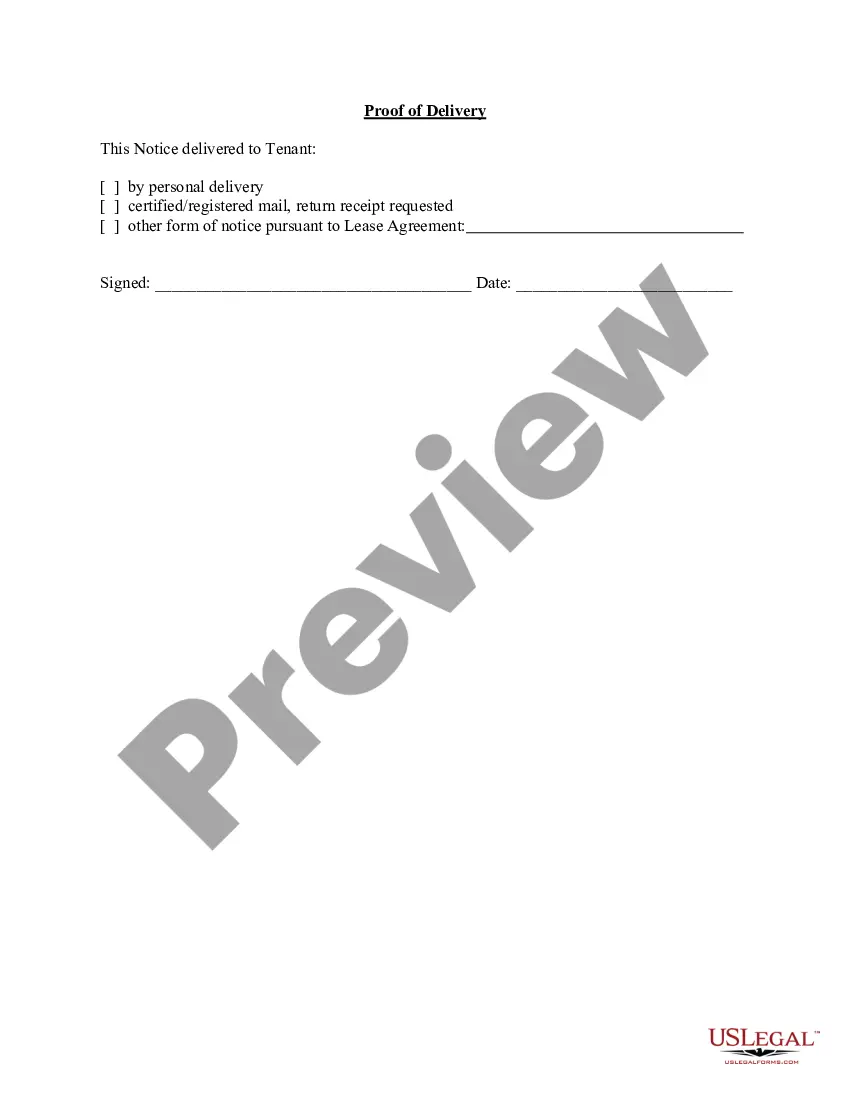



Get your form ready online
Our built-in tools help you complete, sign, share, and store your documents in one place.
Make edits, fill in missing information, and update formatting in US Legal Forms—just like you would in MS Word.
Download a copy, print it, send it by email, or mail it via USPS—whatever works best for your next step.
Sign and collect signatures with our SignNow integration. Send to multiple recipients, set reminders, and more. Go Premium to unlock E-Sign.
If this form requires notarization, complete it online through a secure video call—no need to meet a notary in person or wait for an appointment.
We protect your documents and personal data by following strict security and privacy standards.

Make edits, fill in missing information, and update formatting in US Legal Forms—just like you would in MS Word.

Download a copy, print it, send it by email, or mail it via USPS—whatever works best for your next step.

Sign and collect signatures with our SignNow integration. Send to multiple recipients, set reminders, and more. Go Premium to unlock E-Sign.

If this form requires notarization, complete it online through a secure video call—no need to meet a notary in person or wait for an appointment.

We protect your documents and personal data by following strict security and privacy standards.
Looking for another form?


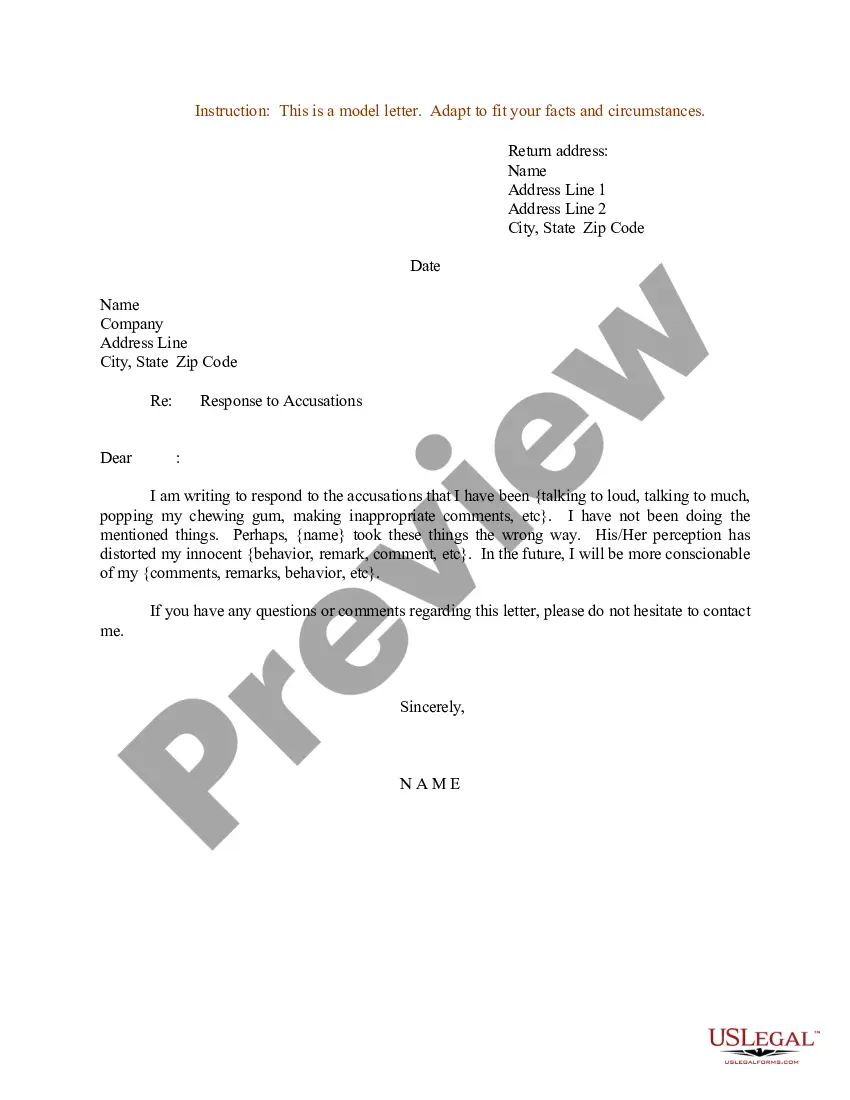

How to fill out California Letter From Landlord To Tenant As Notice To Tenant Of Tenant's Disturbance Of Neighbors' Peaceful Enjoyment To Remedy Or Lease Terminates?
- If you are an existing user, log into your account, and access the form you need by clicking the Download button. Ensure your subscription is active.
- For first-time users, begin by reviewing the Preview mode and description of the forms. Confirm that the selected template meets your needs and adheres to your local jurisdiction.
- If the desired form isn’t a perfect match, utilize the Search tab to find the appropriate template.
- Once you've identified the suitable document, click the Buy Now button and select your preferred subscription plan. Create an account to unlock the library's resources.
- Complete your purchase using your credit card or PayPal for the subscription.
- Download your chosen form and save it on your device. You can also find it in the My Forms section of your account at any time.
With US Legal Forms, users gain access to an extensive library of over 85,000 fillable legal forms, along with support from premium experts to ensure accurate and legally compliant document preparation.
Start your journey today by accessing US Legal Forms and effortlessly navigate tenant nuisance law while protecting your legal rights.
Form popularity
FAQ
A nuisance person is someone whose behavior significantly disrupts the enjoyment of others, such as a neighbor who frequently holds loud parties or causes disturbances. Such individuals can create ongoing challenges for landlords and neighbors alike. The tenant nuisance law allows for steps to be taken to address these disruptions and maintain community harmony. Utilizing legal forms and guides can help you manage these situations effectively.
Nuisance behavior encompasses actions that disrupt the peace and comfort of others in a community. This can involve repeated disturbances, like loud conversations or property damage. Under tenant nuisance law, such actions provide grounds for a landlord to intervene. Building good communication with tenants can sometimes prevent these issues from becoming escalation points.
Yes, a tenant can potentially be sued for emotional distress, especially if their actions violate tenant nuisance law. If their behavior causes severe emotional or psychological harm to neighbors or landlords, legal action may be justified. Courts generally require evidence of the distress and the direct link to the tenant's behavior. Consulting a legal expert could help you navigate such complexities.
Nuisance behavior refers to actions that disturb the peace or negatively impact the quality of life for neighbors. Examples include excessive noise, property damage, or any illegal activities. Understanding tenant nuisance law is key, as it gives landlords the power to take appropriate action against such behavior. If you encounter these issues, consider documenting incidents and exploring legal options.
A nuisance can be any action that significantly interferes with another person's comfort or enjoyment of their property. Loud music during late hours, persistent foul odors, or disruptive gatherings are common examples. Under tenant nuisance law, landlords have the right to address such issues to maintain a peaceful living environment. Always ensure your lease agreements clearly outline acceptable conduct.
Managing a disrespectful tenant may feel daunting, but the tenant nuisance law provides you with a clear framework. Start by documenting the behavior and notifying the tenant of their actions. Effective communication can often resolve issues before they escalate. However, if the behavior continues, consider seeking legal advice or using resources from platforms like US Legal Forms to draft a formal notice.
An example of a nuisance claim could involve a tenant asserting their rights against a neighbor whose neglect leads to a rodent infestation. This claim falls under tenant nuisance law because it impacts the hygienic and safe condition of the tenant's living space. Successfully pursuing such a claim can help restore the quality of life within your home.
The three elements of nuisance typically involve the existence of a condition that causes harm, the unreasonable nature of that condition, and a direct impact on other property owners. Under tenant nuisance law, establishing these elements helps tenants assert their rights in a legal dispute. Understanding these elements can empower you to take the necessary steps to rectify the situation.
Examples of being a nuisance might include playing loud music late at night, neglecting to pick up pet waste, or regularly blocking shared passageways. These actions can infringe on a neighbor’s peace and comfort. If you find yourself in conflict over these issues, it may be prudent to explore your options under tenant nuisance law.
Under tenant nuisance law, various activities can be classified as nuisances, including loud music, constant barking dogs, or improper maintenance of property that attracts pests. These actions disrupt the normal living environment, prompting tenants to seek legal remedies. Knowing the specifics of these nuisances can help you defend your right to a peaceful home.