Tenant Landlord Failure For Lease
Description


Get your form ready online
Our built-in tools help you complete, sign, share, and store your documents in one place.
Make edits, fill in missing information, and update formatting in US Legal Forms—just like you would in MS Word.
Download a copy, print it, send it by email, or mail it via USPS—whatever works best for your next step.
Sign and collect signatures with our SignNow integration. Send to multiple recipients, set reminders, and more. Go Premium to unlock E-Sign.
If this form requires notarization, complete it online through a secure video call—no need to meet a notary in person or wait for an appointment.
We protect your documents and personal data by following strict security and privacy standards.

Make edits, fill in missing information, and update formatting in US Legal Forms—just like you would in MS Word.

Download a copy, print it, send it by email, or mail it via USPS—whatever works best for your next step.

Sign and collect signatures with our SignNow integration. Send to multiple recipients, set reminders, and more. Go Premium to unlock E-Sign.

If this form requires notarization, complete it online through a secure video call—no need to meet a notary in person or wait for an appointment.

We protect your documents and personal data by following strict security and privacy standards.
Looking for another form?



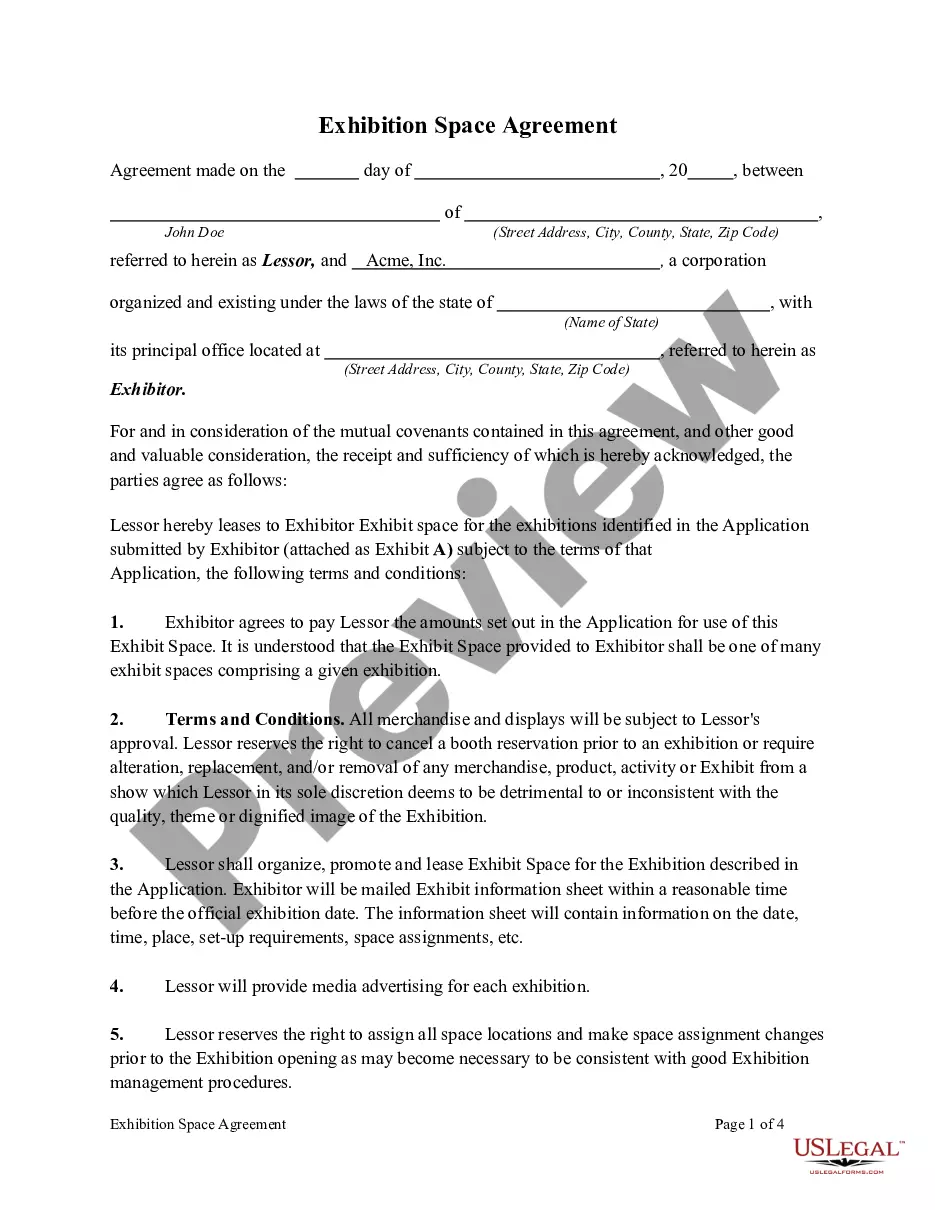


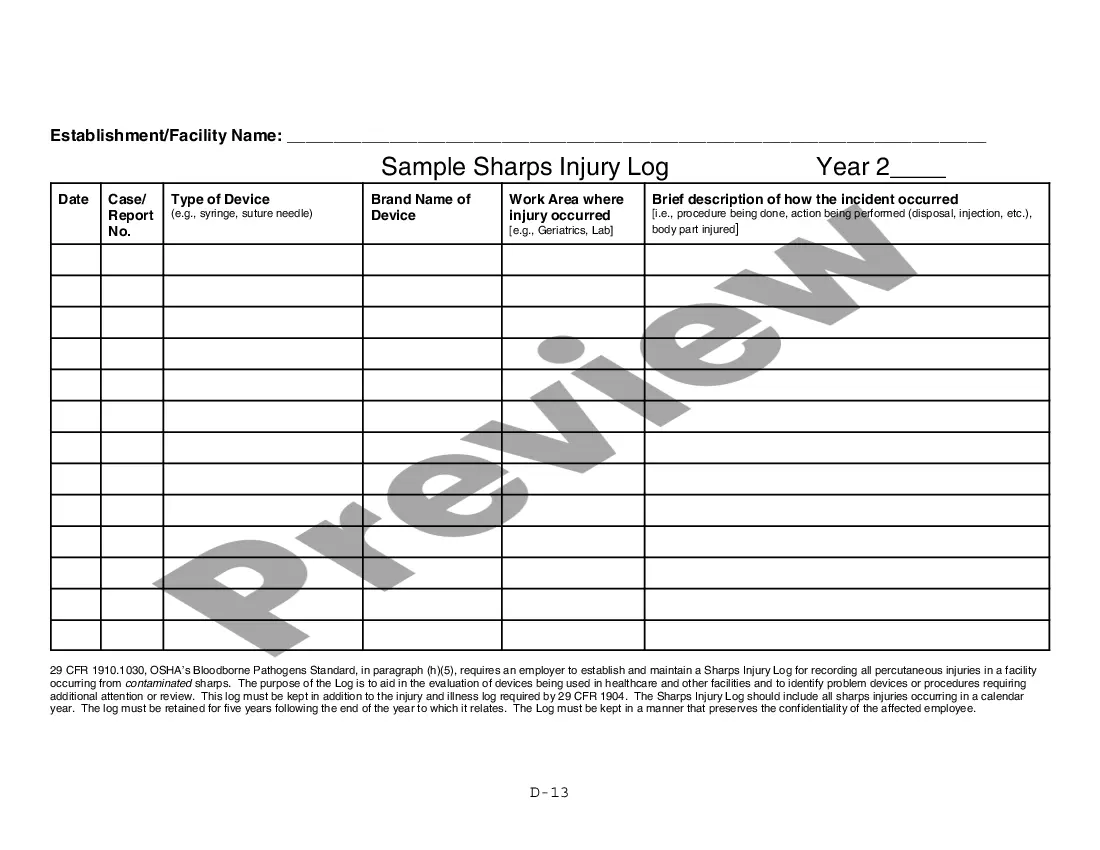


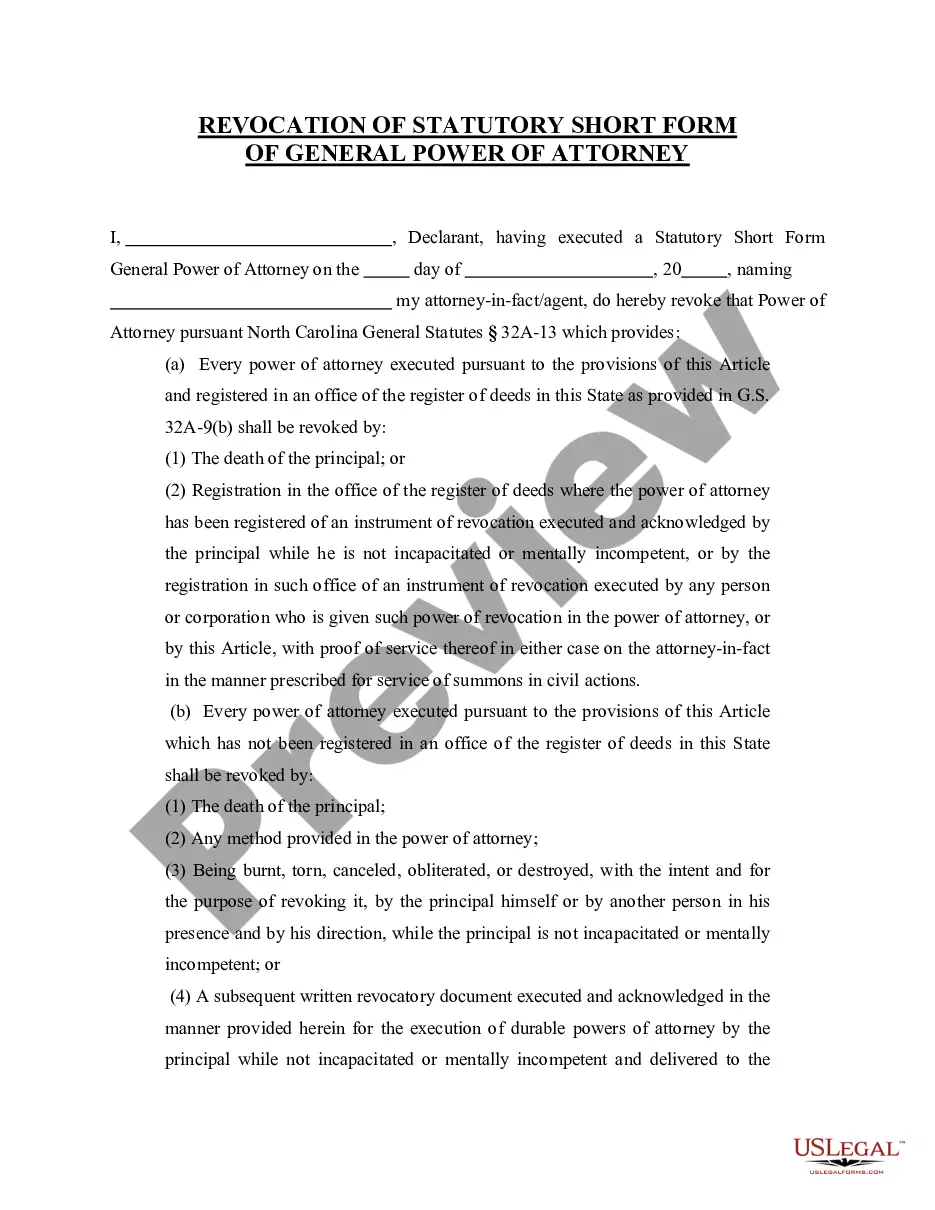
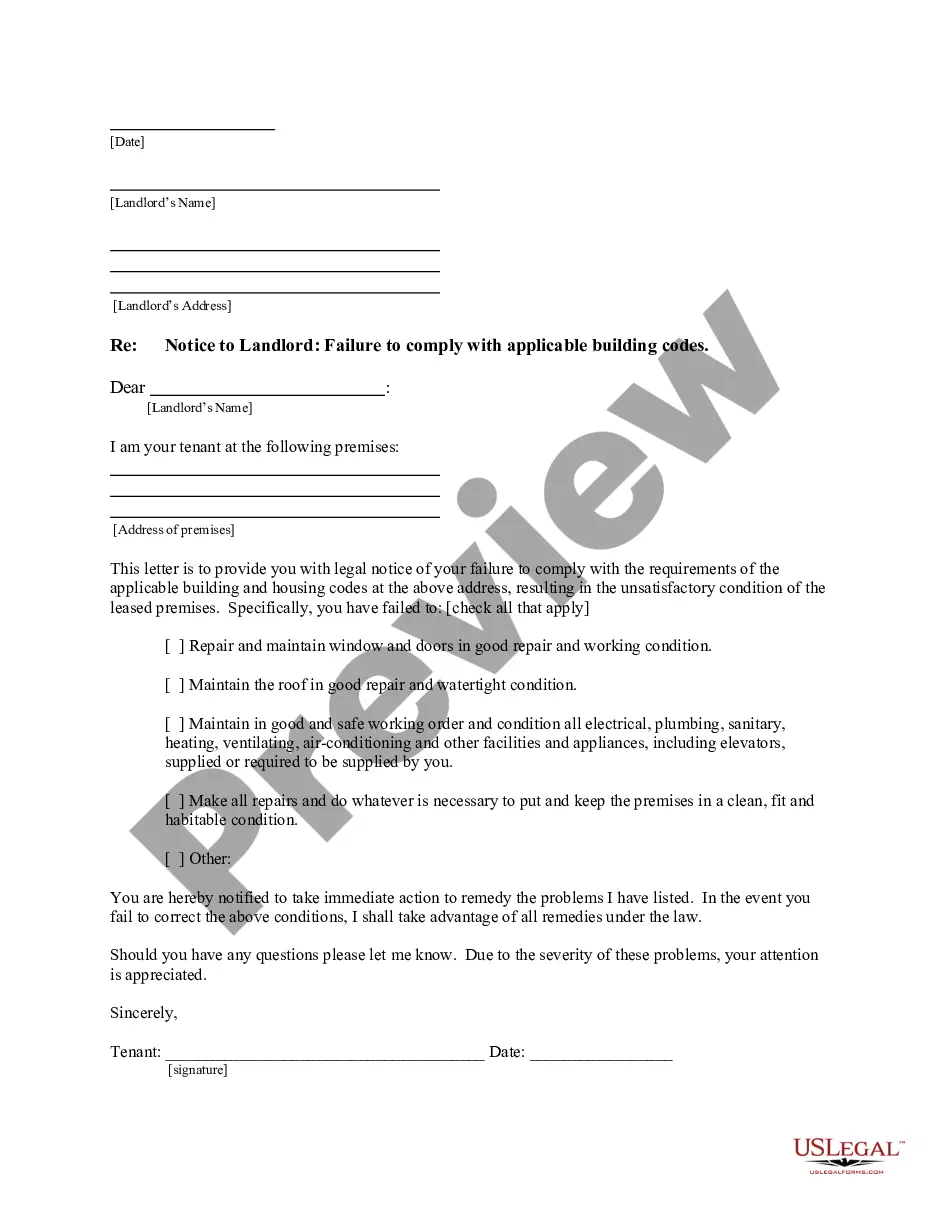
How to fill out California Letter From Tenant To Landlord For Failure Of Landlord To Comply With Building Codes Affecting Health And Safety Or Resulting In Untenantable Condition - Demand For Remedy?
- If you are a returning user, log into your account to download the required form template swiftly. Ensure your subscription is active, or renew it if necessary.
- For first-time users, start by reviewing the Preview mode and the descriptions of available forms to select one that matches your legal needs based on local jurisdiction requirements.
- If you don't find a suitable template, utilize the Search tab to look for alternatives that meet your criteria.
- Once you've identified the correct document, click on the Buy Now button and select your preferred subscription plan. You will need to create an account to access the full library.
- Proceed with your purchase by entering your credit card information or linking your PayPal account for a seamless transaction.
- Finally, download the completed form to your device. You can access it later in the My Forms section of your profile.
Utilizing US Legal Forms not only streamlines the process of acquiring legal documents but also provides peace of mind with access to over 85,000 editable forms and expert assistance when needed.
Ready to tackle your tenant-landlord challenges? Start your journey with US Legal Forms today!
Form popularity
FAQ
To file a complaint against a landlord in Kansas, start by gathering all relevant documentation regarding tenant landlord failure for lease. You can contact the Kansas Human Rights Commission for guidance and submit your complaint formally. Ensure that you include specifics about the issues you faced and any correspondence you've had with your landlord. This documentation will strengthen your case and ensure better handling of your complaint.
Dealing with an irresponsible landlord can be frustrating, but being proactive helps. Begin by documenting all instances of neglect or tenant landlord failure for lease. Communicate your concerns to your landlord in writing and set clear deadlines for addressing the issues. If they do not respond positively, consider seeking legal advice or assistance from tenant advocacy organizations to explore your options.
Landlord negligence is defined by a landlord's failure to act responsibly in maintaining their rental property. This includes avoiding necessary repairs, ignoring safety hazards, or violating tenant rights. If you believe your landlord is negligent, collect evidence of the issues, as this documentation can support your claim in case of a dispute. Understanding your rights as a tenant is crucial in these situations.
Landlord negligence occurs when a landlord fails to uphold their legal responsibilities, resulting in unsafe or uninhabitable living conditions for tenants. Situations that constitute negligence may include ignoring necessary repairs, failing to maintain common areas, or not providing adequate security. If you experience tenant landlord failure for lease due to negligence, documenting these issues is essential for any future claims.
In North Carolina, if your landlord refuses to make necessary repairs, you have several options to address the tenant landlord failure for lease. Start by notifying your landlord in writing about the issue, keeping a copy for your records. If there’s no response, consider contacting your local housing authority for assistance or potentially withholding rent until repairs are made. Always proceed cautiously and seek legal advice if needed.
When writing a letter to your landlord about breaking your lease, clearly state your intention to terminate the agreement due to tenant landlord failure for lease. Include your lease details, the reason for your decision, and the date you plan to vacate. Be polite yet assertive, and request a written confirmation of your lease termination. This letter serves as an important document in case of disputes.
To file legal action against a landlord, first gather evidence of the tenant landlord failure for lease. Document any correspondence, photos of damages, and records of missed repairs. Next, consult your local housing authority or an attorney for guidance on the legal process. Finally, file your complaint with the appropriate court, and ensure you follow all necessary procedures.
The most common action taken by landlords against tenants in breach of contract is serving eviction notices. This legal step usually follows attempts to resolve the situation amicably. Landlords aim to recover lost rent and re-rent the property promptly. Thus, understanding your rights can help prevent a tenant landlord failure for lease and create a smoother process.
The most common landlord-tenant dispute arises from non-payment of rent. This issue often leads to misunderstandings and can escalate into legal conflict. Knowing the terms and conditions of your lease can help tenants understand their responsibilities. Addressing payment concerns early can prevent a tenant landlord failure for lease.
Yes, if your landlord breaks the lease, you may have grounds to sue for damages. Before taking legal action, gather evidence of the breach, such as photos or written correspondence. Consider consulting legal advice to assess your situation. Taking prompt action can prevent a tenant landlord failure for lease and protect your interests.