The Landlord
Description
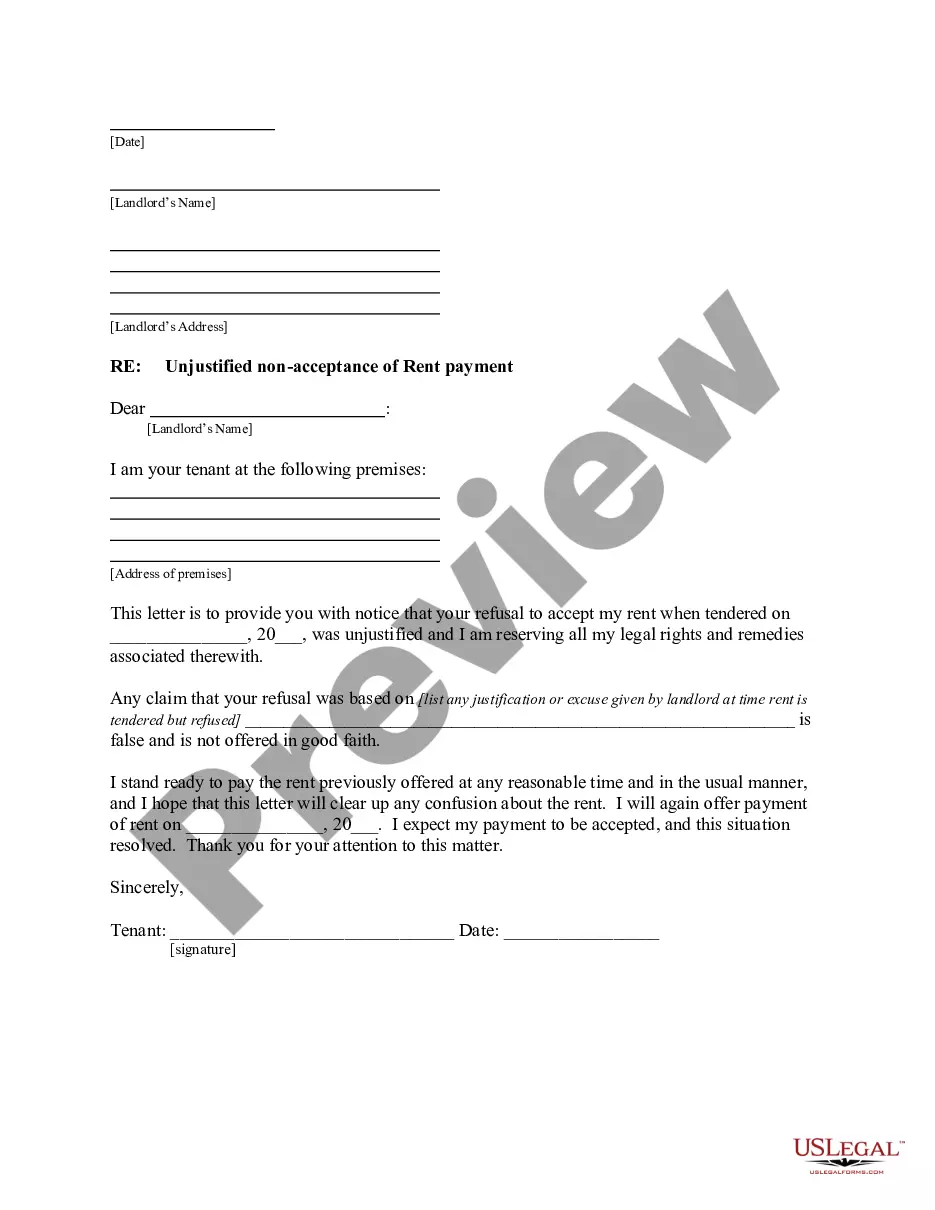
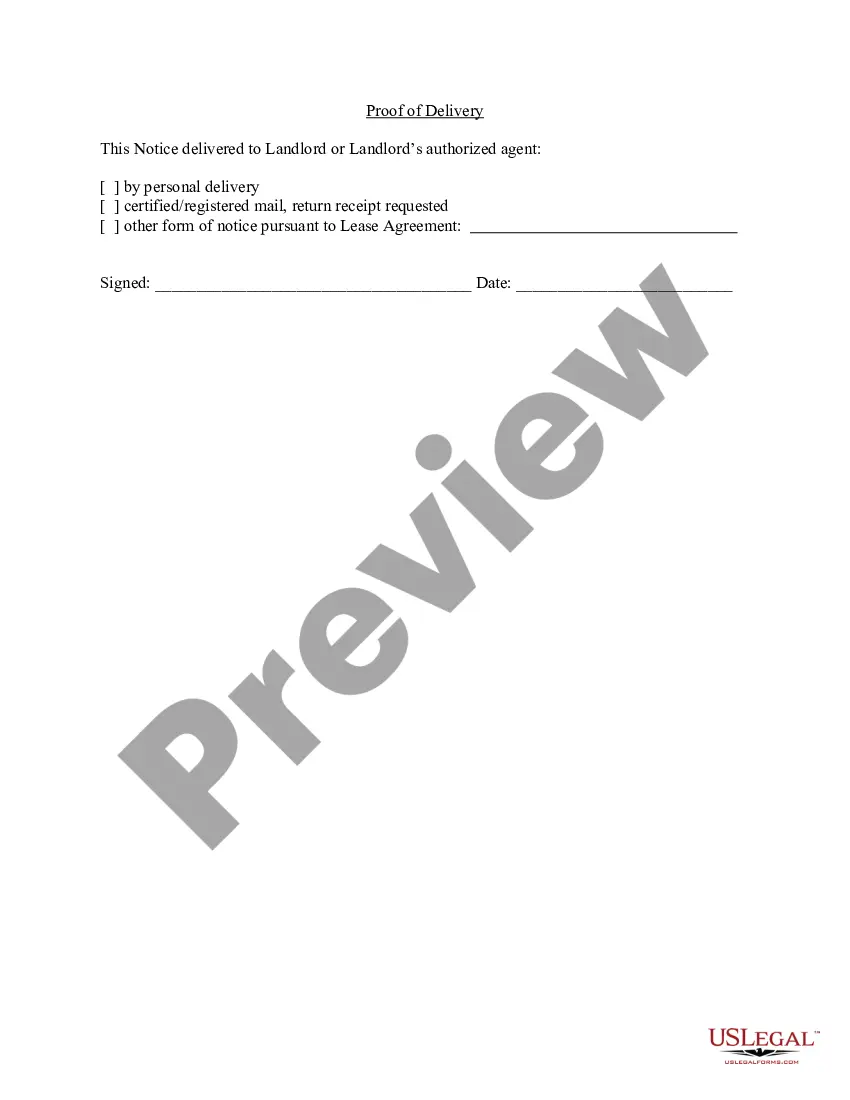
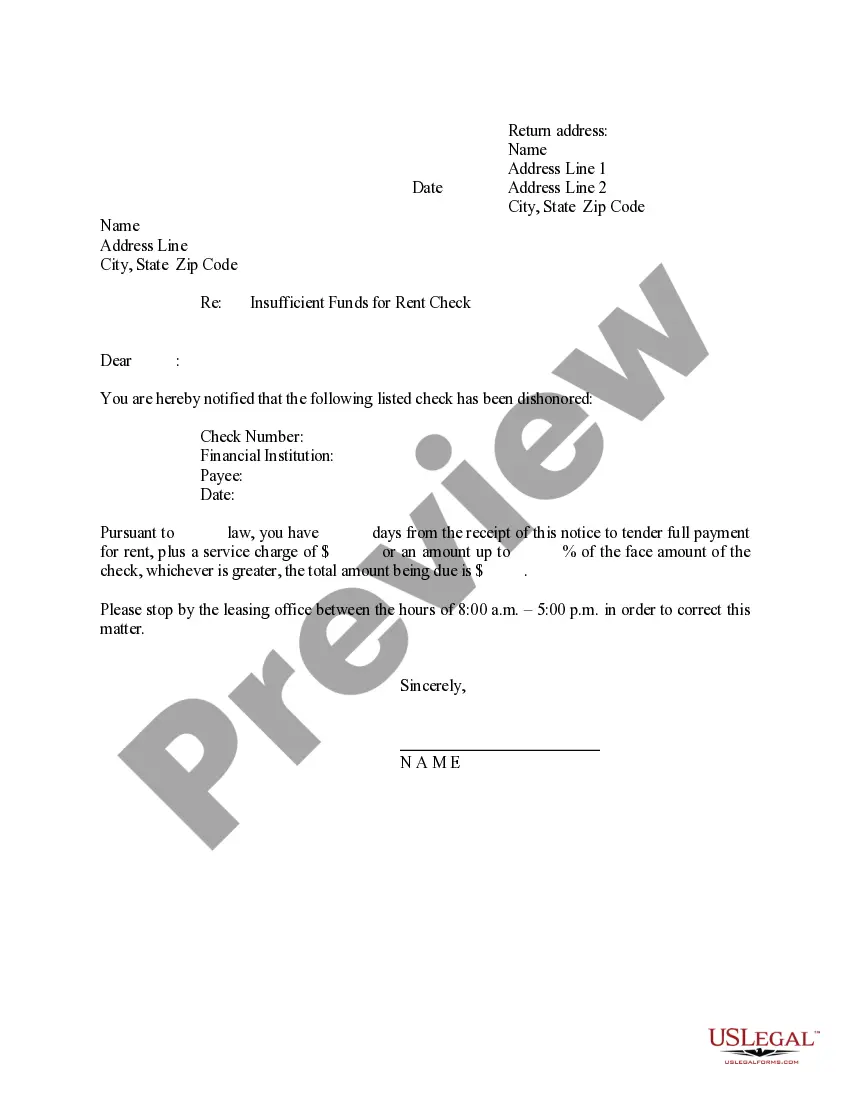
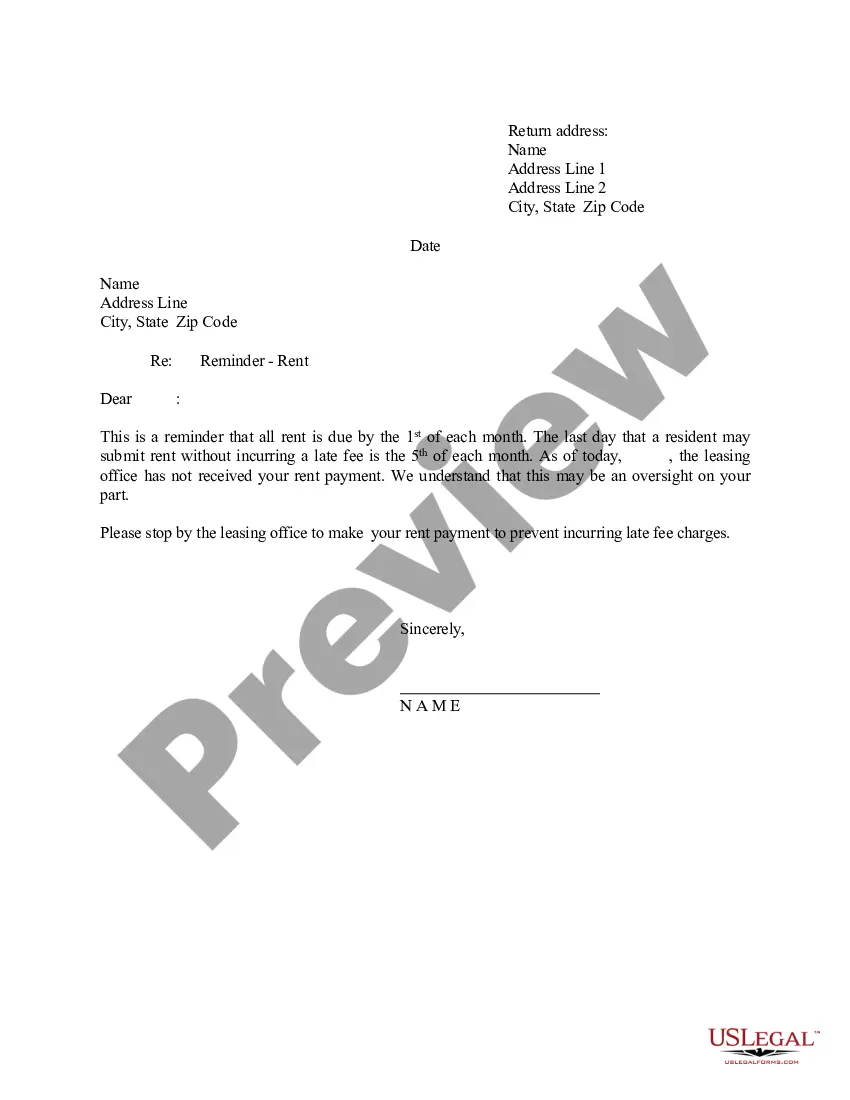
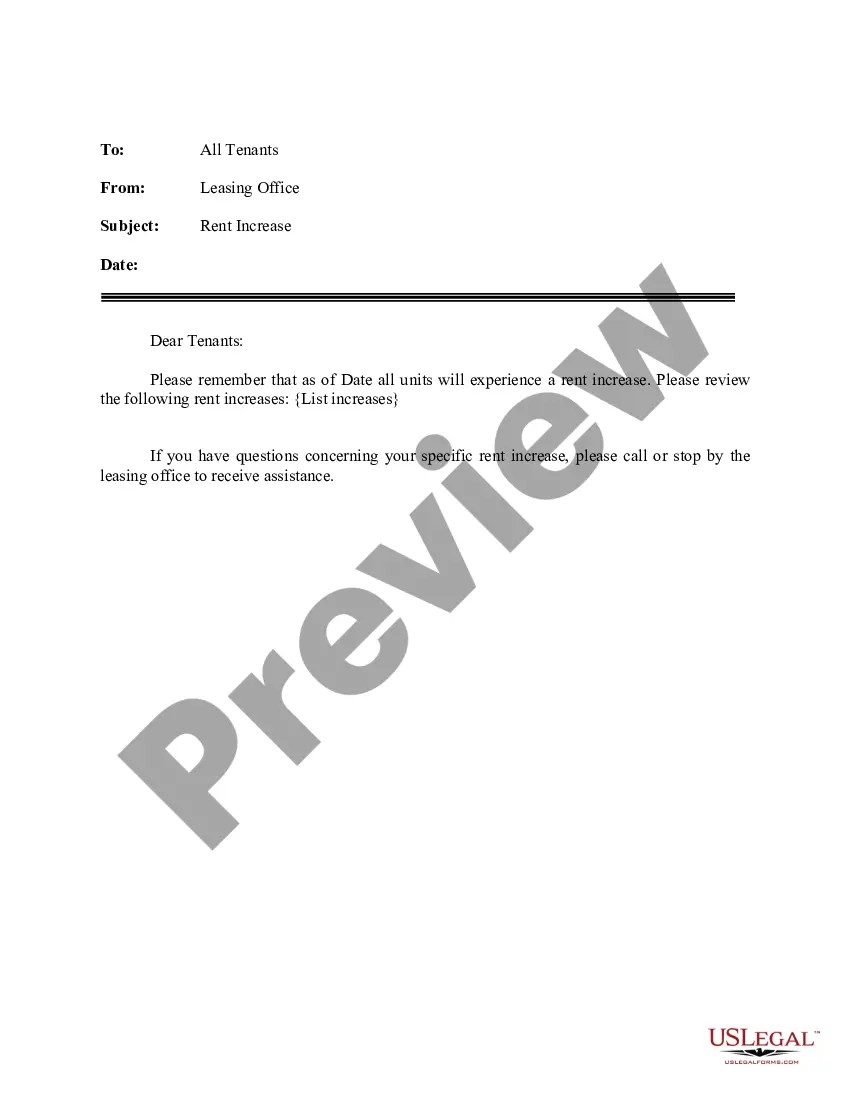


Get your form ready online
Our built-in tools help you complete, sign, share, and store your documents in one place.
Make edits, fill in missing information, and update formatting in US Legal Forms—just like you would in MS Word.
Download a copy, print it, send it by email, or mail it via USPS—whatever works best for your next step.
Sign and collect signatures with our SignNow integration. Send to multiple recipients, set reminders, and more. Go Premium to unlock E-Sign.
If this form requires notarization, complete it online through a secure video call—no need to meet a notary in person or wait for an appointment.
We protect your documents and personal data by following strict security and privacy standards.

Make edits, fill in missing information, and update formatting in US Legal Forms—just like you would in MS Word.

Download a copy, print it, send it by email, or mail it via USPS—whatever works best for your next step.

Sign and collect signatures with our SignNow integration. Send to multiple recipients, set reminders, and more. Go Premium to unlock E-Sign.

If this form requires notarization, complete it online through a secure video call—no need to meet a notary in person or wait for an appointment.

We protect your documents and personal data by following strict security and privacy standards.
Looking for another form?

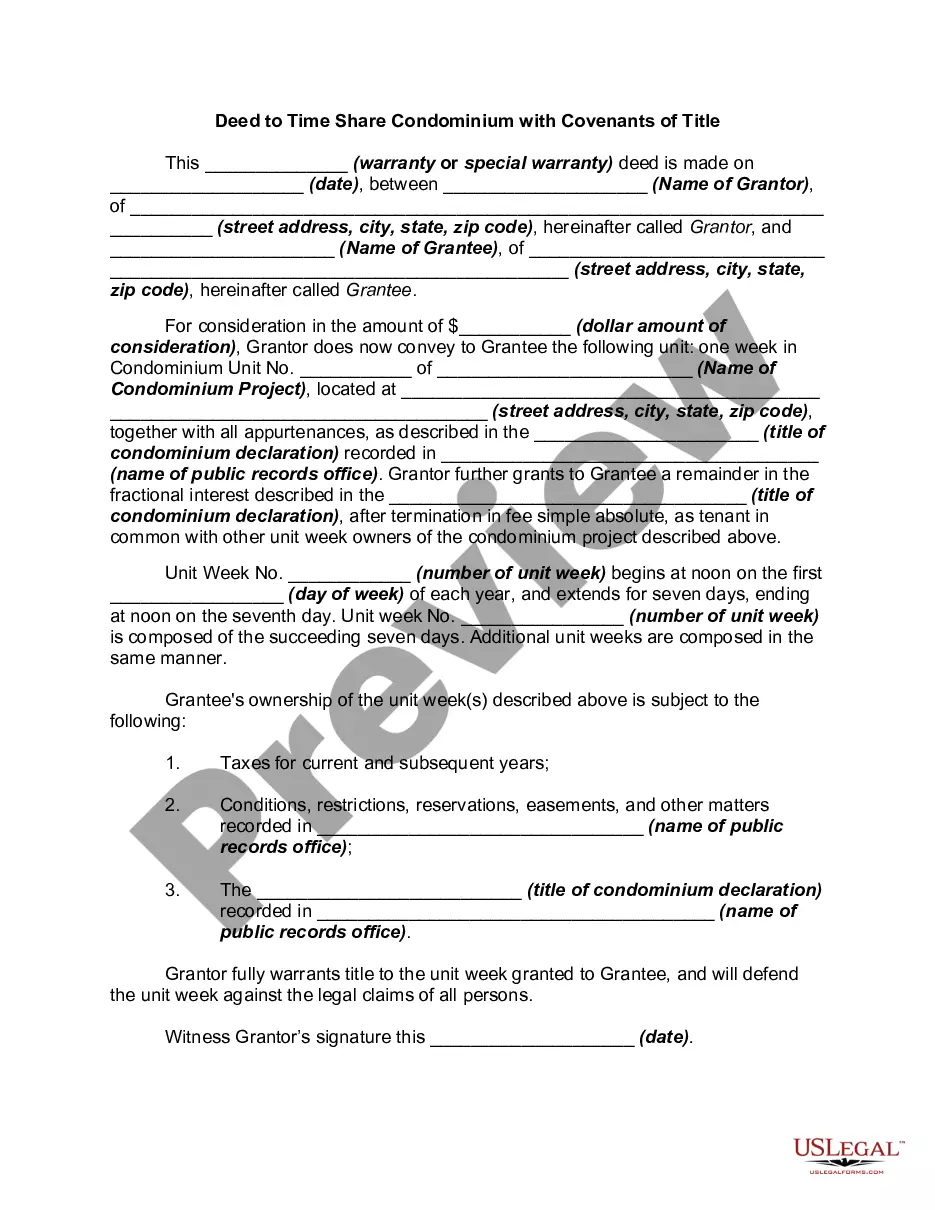

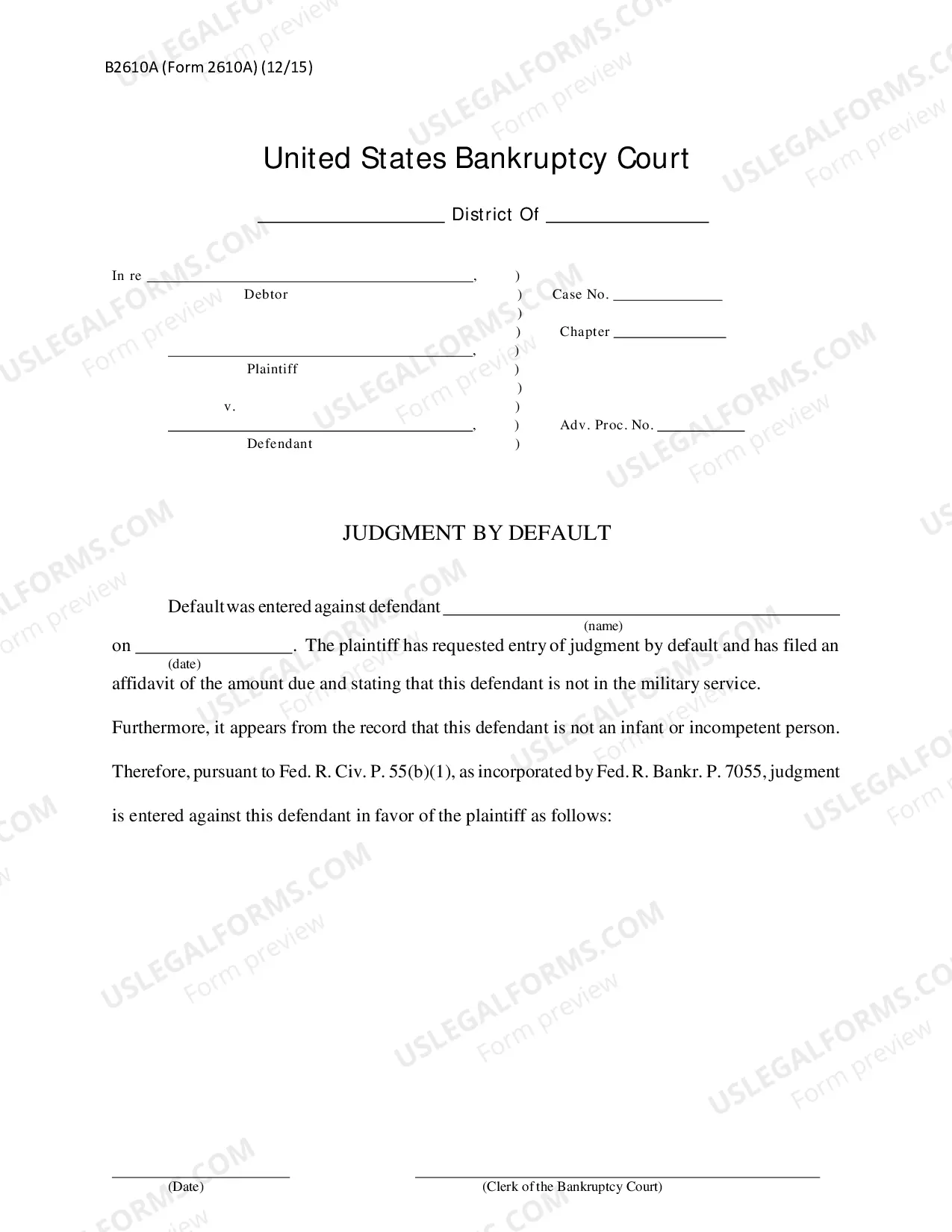
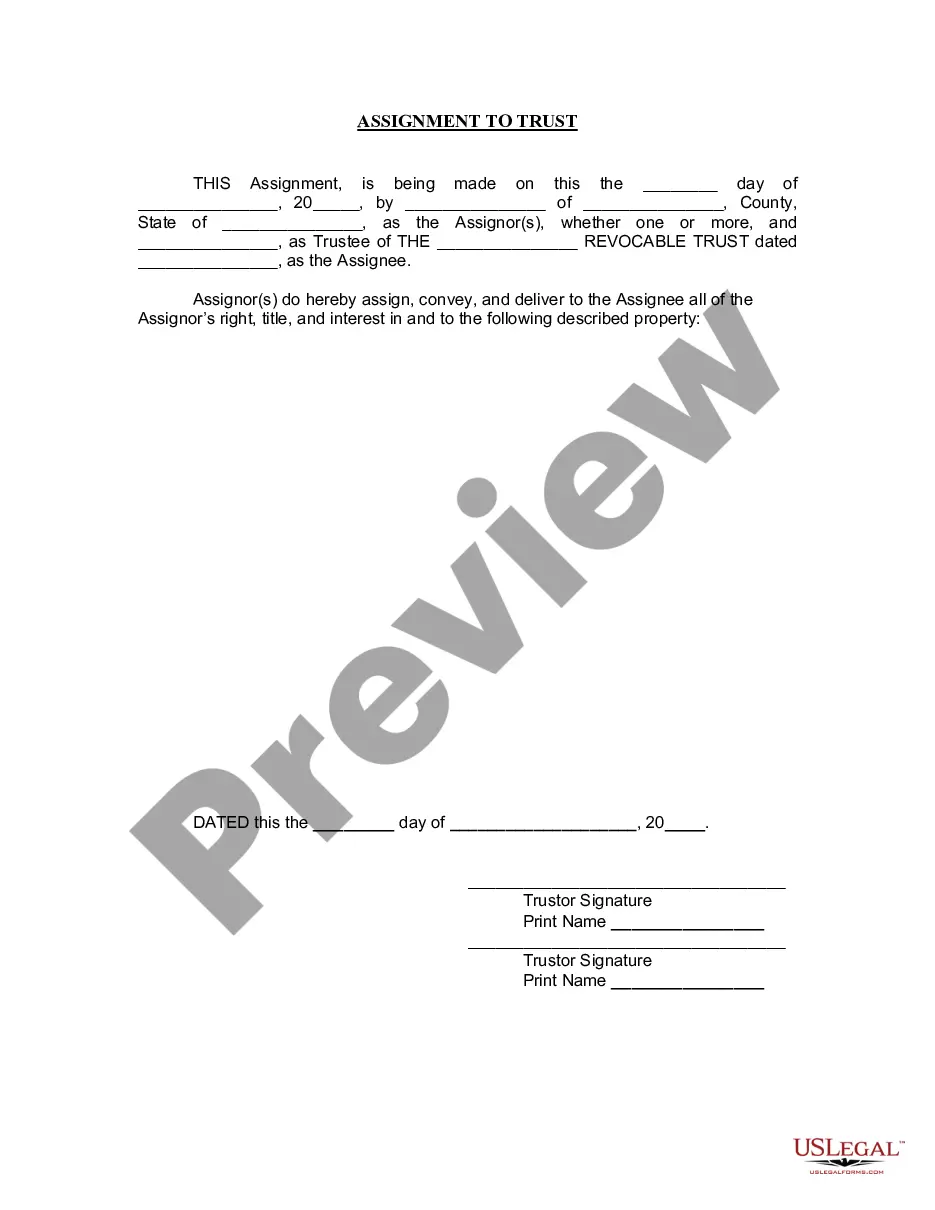
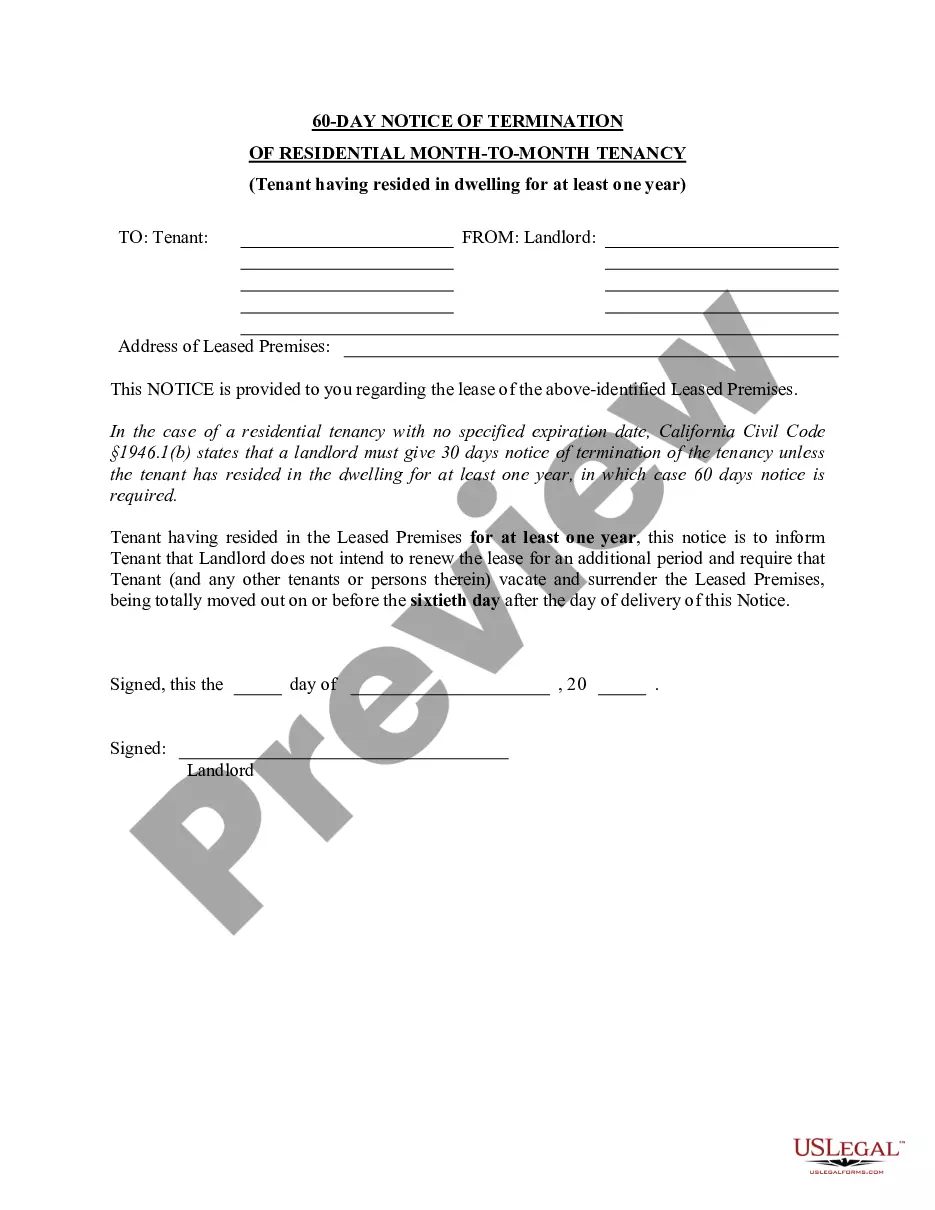

How to fill out California Letter From Tenant To Landlord Containing Notice To Cease Unjustified Nonacceptance Of Rent?
- If you're an existing user, log in to your account and click the Download button to retrieve your desired form template, ensuring your subscription is active. If not, renew it based on your payment plan.
- For first-time users, start by checking out the Preview mode along with the form description to verify that you've selected the right document as per your needs.
- If the selected template has any inconsistencies, utilize the Search tab to find another suitable option that meets your requirements.
- Once you’ve found the appropriate document, click the Buy Now button and choose your preferred subscription plan. You will need to create an account to access the library.
- Complete your purchase by entering your credit card details or opt for your PayPal account to finalize the subscription.
- After the payment is processed, download the form to your device and access it anytime through the My Forms menu in your profile.
By following these simple steps, you can unlock the full potential of US Legal Forms, providing you with the resources to handle legal documentation seamlessly.
Ready to streamline your legal process? Start using US Legal Forms today!
Form popularity
FAQ
Negative items on rental history include late payments, evictions, or breaking a lease without proper notice. These issues can raise red flags for prospective landlords. It's crucial to communicate openly about any past problems and how you've resolved them. Platforms like US Legal Forms can assist you with understanding your rights and improving your rental application.
Apartments typically utilize similar background checks as landlords, which include rental history, credit scores, and any past legal issues. These checks help the apartment management assess the risk of renting to an individual. Knowing what these checks cover can help you prepare better before applying. Address any issues in your records that may come up.
Most landlords use comprehensive background checks from specialized services that evaluate credit history, rental history, and criminal records. These checks provide valuable insights into potential tenants’ financial responsibility and reliability. This information helps the landlord make informed decisions. If you're applying, ensure your records are accurate.
In Kansas, you can report landlords to local housing authorities or the Kansas Legal Services if there are violations of housing laws. If your landlord fails to provide a safe living environment or neglects necessary repairs, these organizations can guide you on taking action. You may also consider seeking legal advice to resolve disputes with your landlord effectively.
Most apartment background checks usually go back between seven to ten years. This timeframe allows the landlord to review your rental history, criminal records, and credit history. By examining this information, the landlord can make informed decisions about potential tenants. It's important to maintain a good rental history during this period.
Landlords typically check rental history by using background check services that compile tenant records. They may look into previous leases, payment history, and any past eviction notices. This helps the landlord assess your reliability and peace of mind in renting to you. Understanding your rental history can empower you during the application process.
In Pennsylvania, you can report your landlord to the local housing authority or the Department of Labor and Industry. If your landlord violates housing codes or fails to make necessary repairs, these agencies can help. You may also seek legal advice to explore options such as mediation or filing a complaint against the landlord. This process ensures your rights as a tenant are protected.
You can check if a landlord is good by researching online reviews and ratings from previous tenants. Ask for recommendations from friends or local housing groups, which can provide insights into the landlord's reputation. Additionally, consider scheduling a visit to the property and asking direct questions about repairs and tenant responsibilities.
To increase your chances of being chosen by a landlord, present yourself as a responsible and reliable tenant. Prepare your rental history, have references ready, and demonstrate financial stability. A well-organized application and prompt communication can make a positive impression on the landlord.
Renting from a private landlord often provides more flexibility compared to larger management companies. Many private landlords may be more amenable to negotiating terms and addressing repairs quickly. Additionally, renting from a direct owner can foster a more personal relationship, leading to a better living experience.