Tenant Suing Landlord For Security Deposit
Description



Get your form ready online
Our built-in tools help you complete, sign, share, and store your documents in one place.
Make edits, fill in missing information, and update formatting in US Legal Forms—just like you would in MS Word.
Download a copy, print it, send it by email, or mail it via USPS—whatever works best for your next step.
Sign and collect signatures with our SignNow integration. Send to multiple recipients, set reminders, and more. Go Premium to unlock E-Sign.
If this form requires notarization, complete it online through a secure video call—no need to meet a notary in person or wait for an appointment.
We protect your documents and personal data by following strict security and privacy standards.

Make edits, fill in missing information, and update formatting in US Legal Forms—just like you would in MS Word.

Download a copy, print it, send it by email, or mail it via USPS—whatever works best for your next step.

Sign and collect signatures with our SignNow integration. Send to multiple recipients, set reminders, and more. Go Premium to unlock E-Sign.

If this form requires notarization, complete it online through a secure video call—no need to meet a notary in person or wait for an appointment.

We protect your documents and personal data by following strict security and privacy standards.
Looking for another form?









Form popularity
FAQ
In 2024, New York law still mandates that landlords return security deposits within 14 days of lease termination. Additionally, landlords must provide an itemized list of any deductions made. Understanding these laws is key for tenants suing landlords for security deposits, as it outlines your rights and the landlord’s obligations. Platforms like USLegalForms offer guidance on how to navigate these legal requirements effectively.
If your landlord does not return your security deposit in NYC, start by contacting them to request an explanation. Keep a record of all your communications, as this documentation can be vital during any legal proceedings. If the issue persists, you may need to consider taking legal action, as many tenants suing landlords for security deposits choose this route. Using resources like USLegalForms can help streamline the process and provide you with the necessary tools.
If a landlord does not return your deposit, it can lead to legal action to reclaim your funds. This situation can serious consequences for landlords, including potential penalties under New York law. As a tenant suing a landlord for a security deposit, being aware of your rights and the local laws is essential. Utilizing platforms like USLegalForms can help you understand your options and prepare your case.
To sue your landlord for a security deposit in New York, you typically need to file a claim in small claims court. Gather all relevant documents, including your lease agreement and any correspondence with your landlord about the deposit. The process can be straightforward, but having the right resources, such as those provided by USLegalForms, can make preparing your case more manageable. Being informed about your rights is crucial as a tenant suing a landlord for their deposit.
If your landlord refuses to return your security deposit in NYC, you have several options. You can start by requesting a written explanation for the delay, which is helpful if you decide to take legal action. If discussions do not resolve the issue, tenants suing landlords for security deposits can file a case in small claims court. Leveraging services like USLegalForms can guide you through the necessary steps.
In New York City, a landlord must return your security deposit within 14 days after you move out. This timeframe is crucial for tenants suing landlords for security deposits. If the landlord does not comply, you may have grounds to pursue your deposit through legal channels. Consider using platforms like USLegalForms to help you navigate this process effectively.
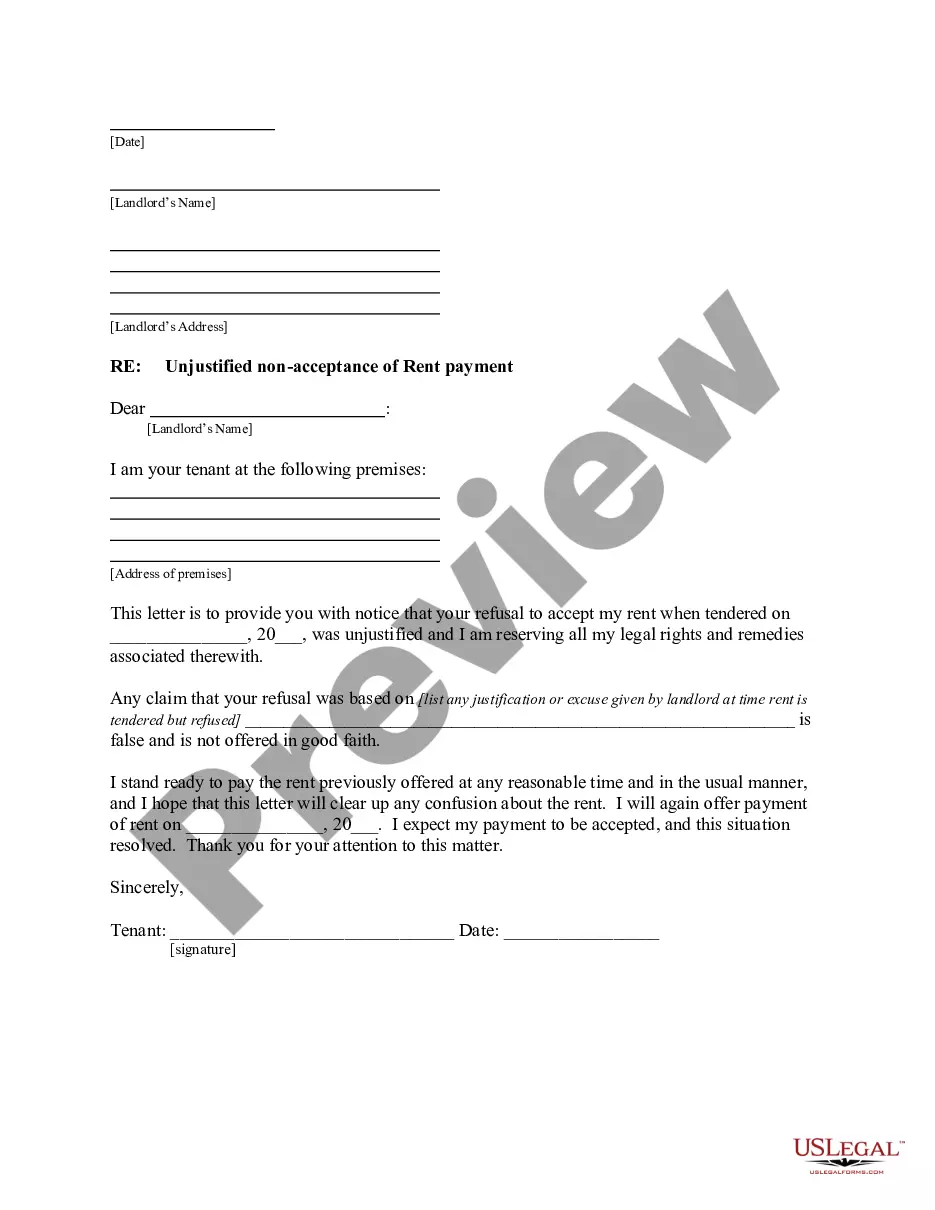
In your letter to request a refund of your deposit, begin with a respectful salutation. State the purpose of your letter clearly, mentioning the amount of the deposit and any concerns that arose during your tenancy. To emphasize the importance of your request, you might reference the process of tenants suing landlords for security deposits as a potential course of action if your request does not get addressed efficiently.
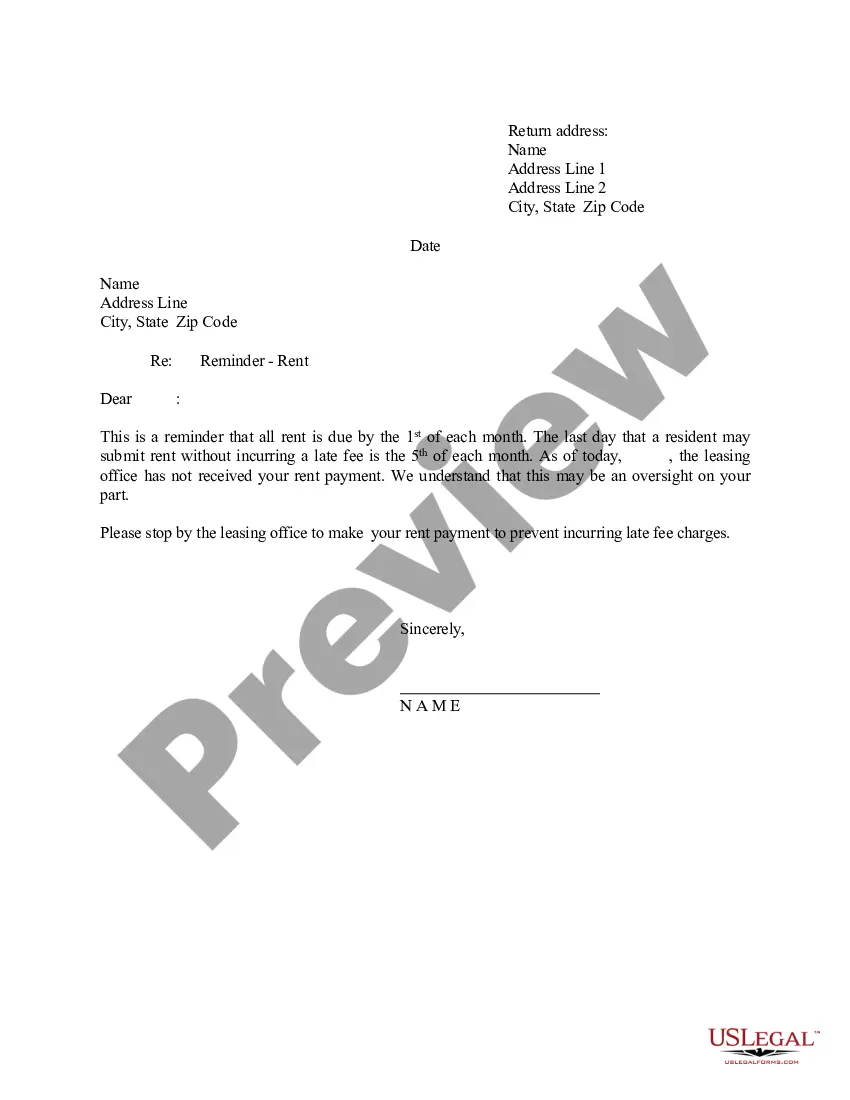
When writing a refund request letter, include your name, address, and the details of the transaction or deposit. Ensure the letter articulates your reasons for requesting the refund, with evidence if available. Mention that you may consider civil actions like tenant suing landlord for security deposit if the issue isn't resolved promptly, which can motivate a quick response.
If you are seeking a refund related to your security deposit, write a letter that clearly states your request. Start by providing your contact information, followed by details about the initial deposit and any necessary rental agreement information. Explain why you believe a refund is due, and if applicable, mention the possibility of pursuing further action like a tenant suing landlord for security deposit to encourage prompt resolution.
Begin your letter by addressing your landlord politely. In the body of your letter, specify your request for the return of your deposit, mentioning the amount and relevant rental details. It’s helpful to include a deadline for when you expect the deposit back, especially if you are considering taking action, such as a tenant suing landlord for security deposit in case of non-compliance.
