Tenant Insurance For Landlord
Description
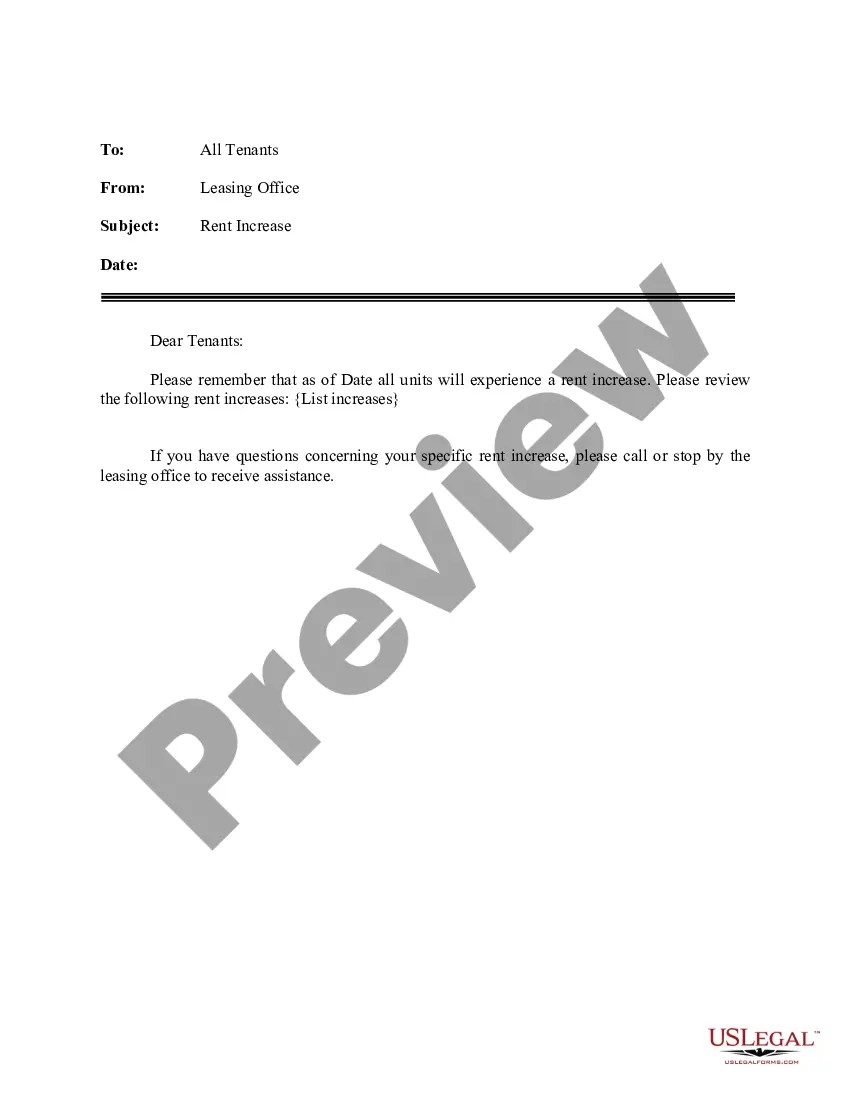

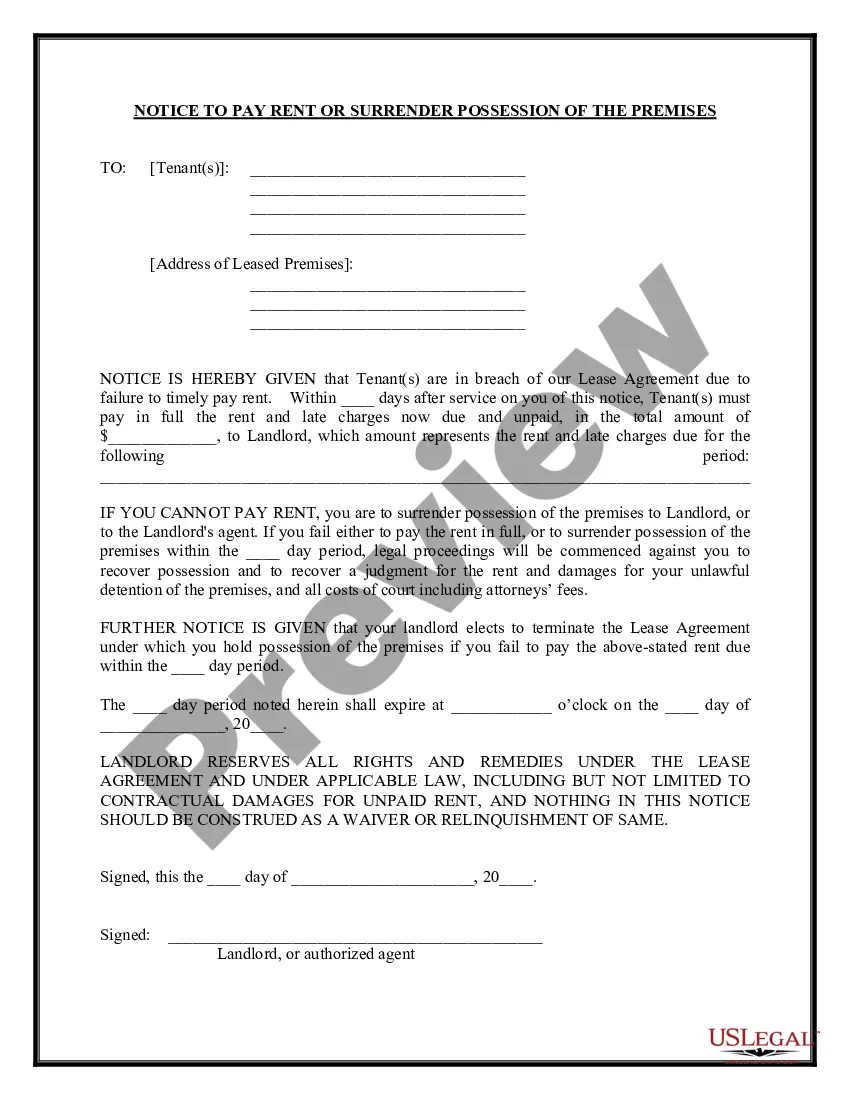
Get your form ready online
Our built-in tools help you complete, sign, share, and store your documents in one place.
Make edits, fill in missing information, and update formatting in US Legal Forms—just like you would in MS Word.
Download a copy, print it, send it by email, or mail it via USPS—whatever works best for your next step.
Sign and collect signatures with our SignNow integration. Send to multiple recipients, set reminders, and more. Go Premium to unlock E-Sign.
If this form requires notarization, complete it online through a secure video call—no need to meet a notary in person or wait for an appointment.
We protect your documents and personal data by following strict security and privacy standards.

Make edits, fill in missing information, and update formatting in US Legal Forms—just like you would in MS Word.

Download a copy, print it, send it by email, or mail it via USPS—whatever works best for your next step.

Sign and collect signatures with our SignNow integration. Send to multiple recipients, set reminders, and more. Go Premium to unlock E-Sign.

If this form requires notarization, complete it online through a secure video call—no need to meet a notary in person or wait for an appointment.

We protect your documents and personal data by following strict security and privacy standards.
Looking for another form?
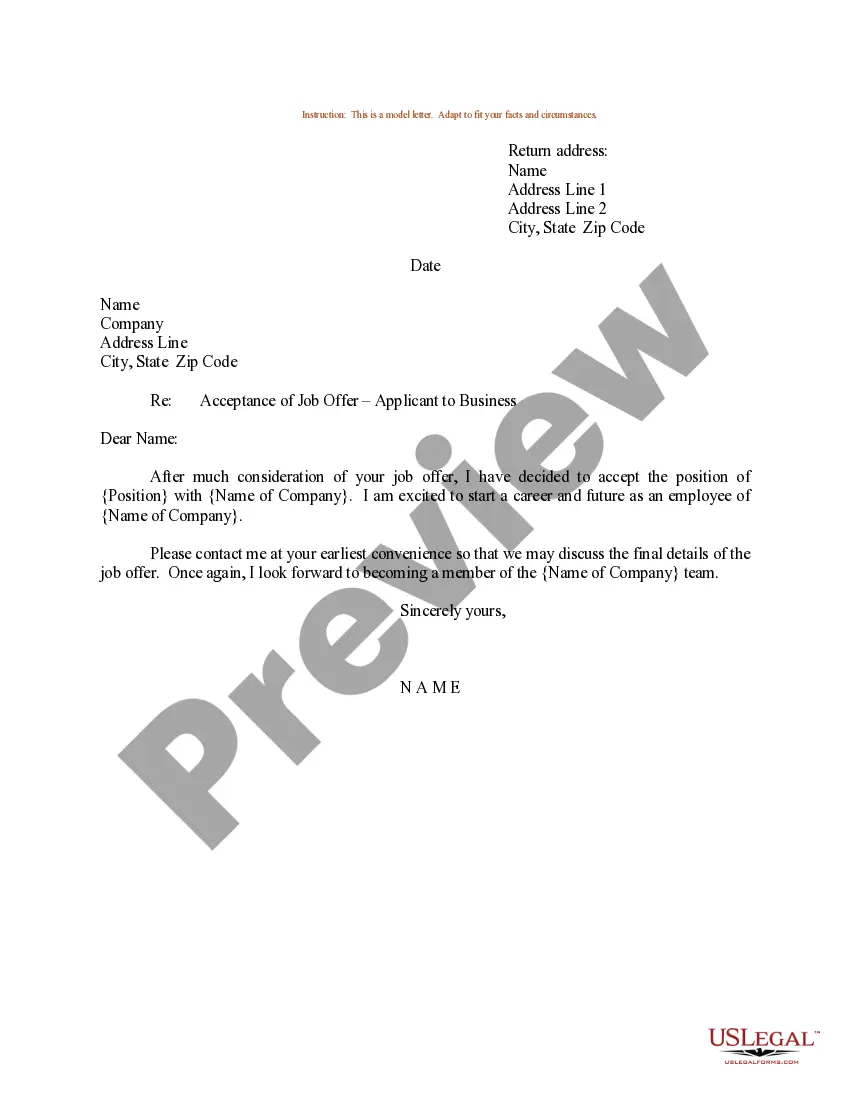

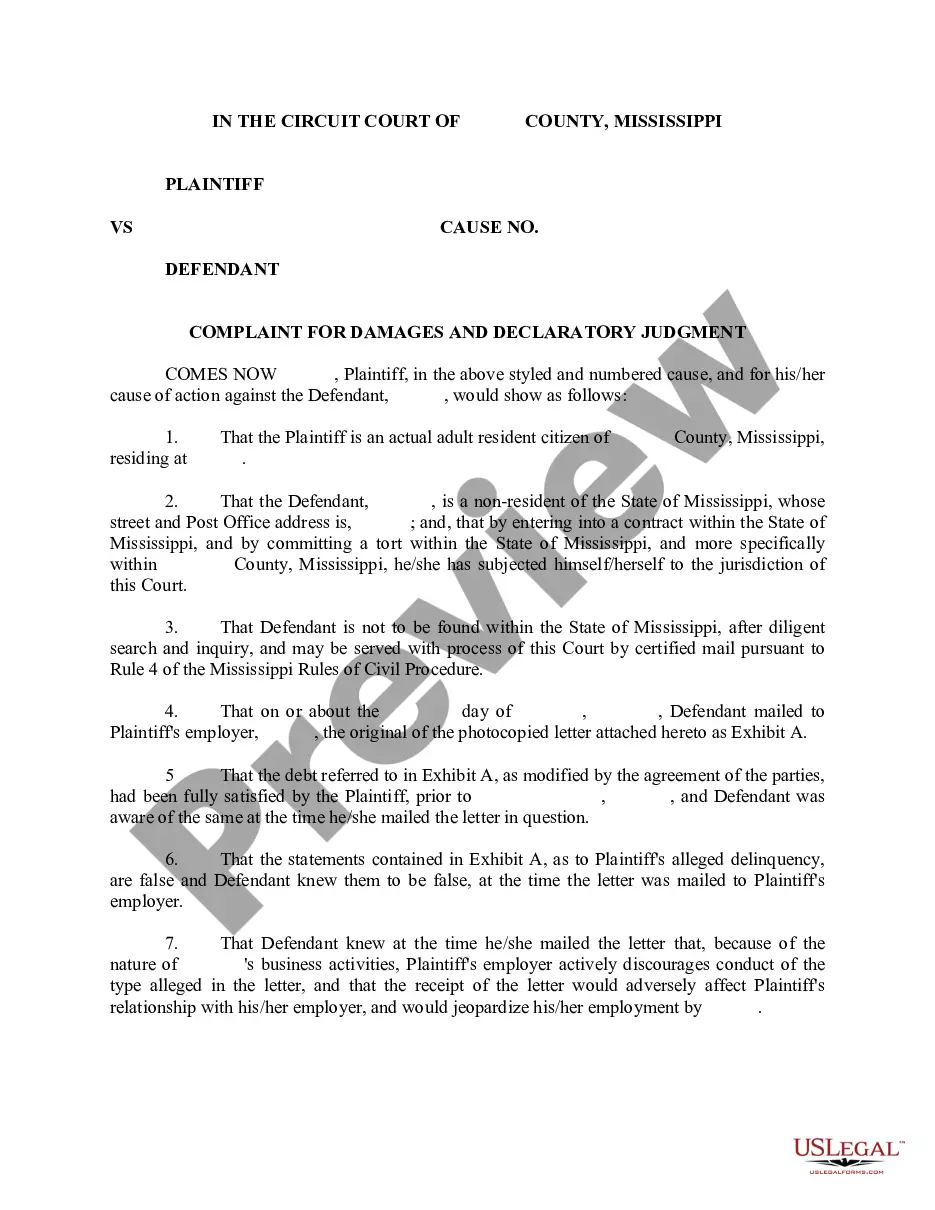

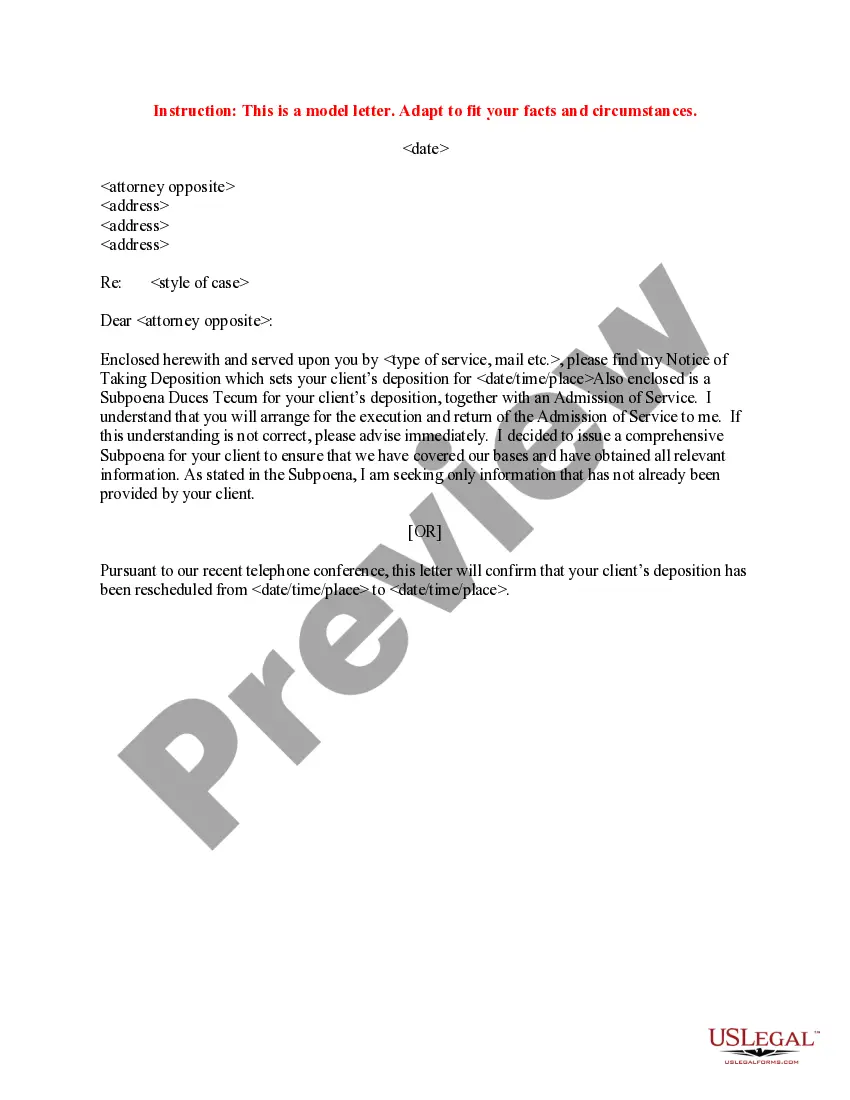



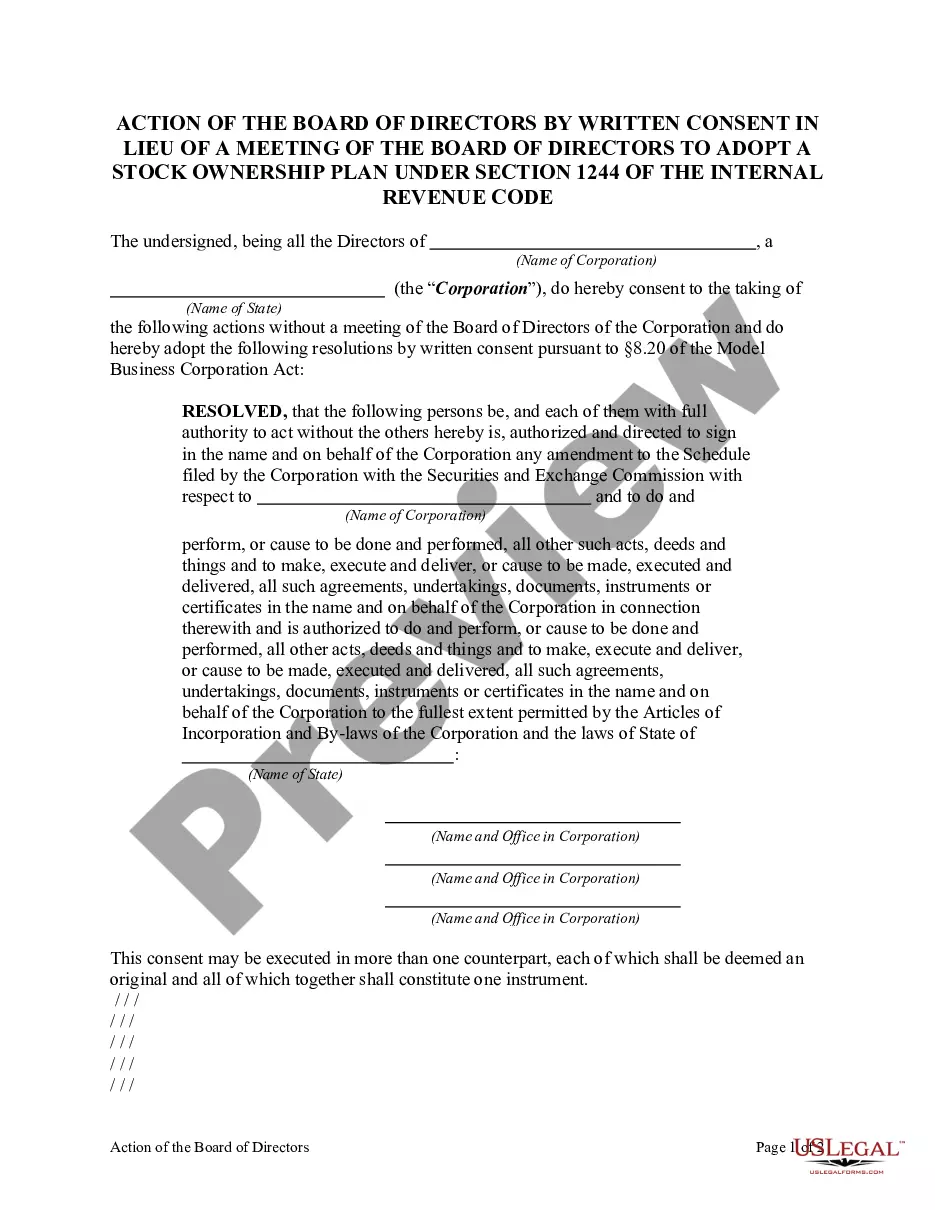

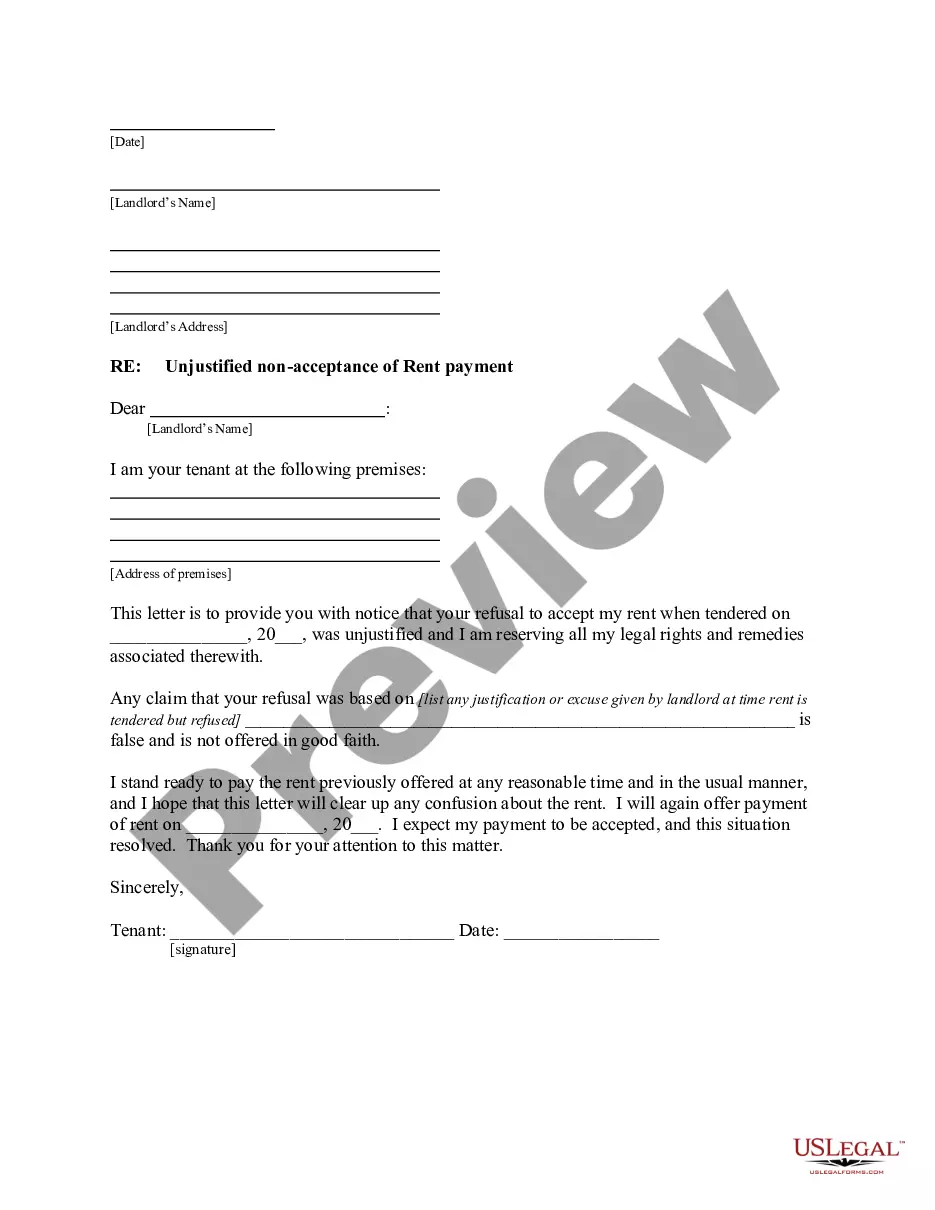
How to fill out California Letter From Tenant To Landlord Containing Notice To Cease Unjustified Nonacceptance Of Rent?
- If you're a returning user, log in to access your account and locate your desired form template. Ensure your subscription is active; if not, renew it according to your payment plan.
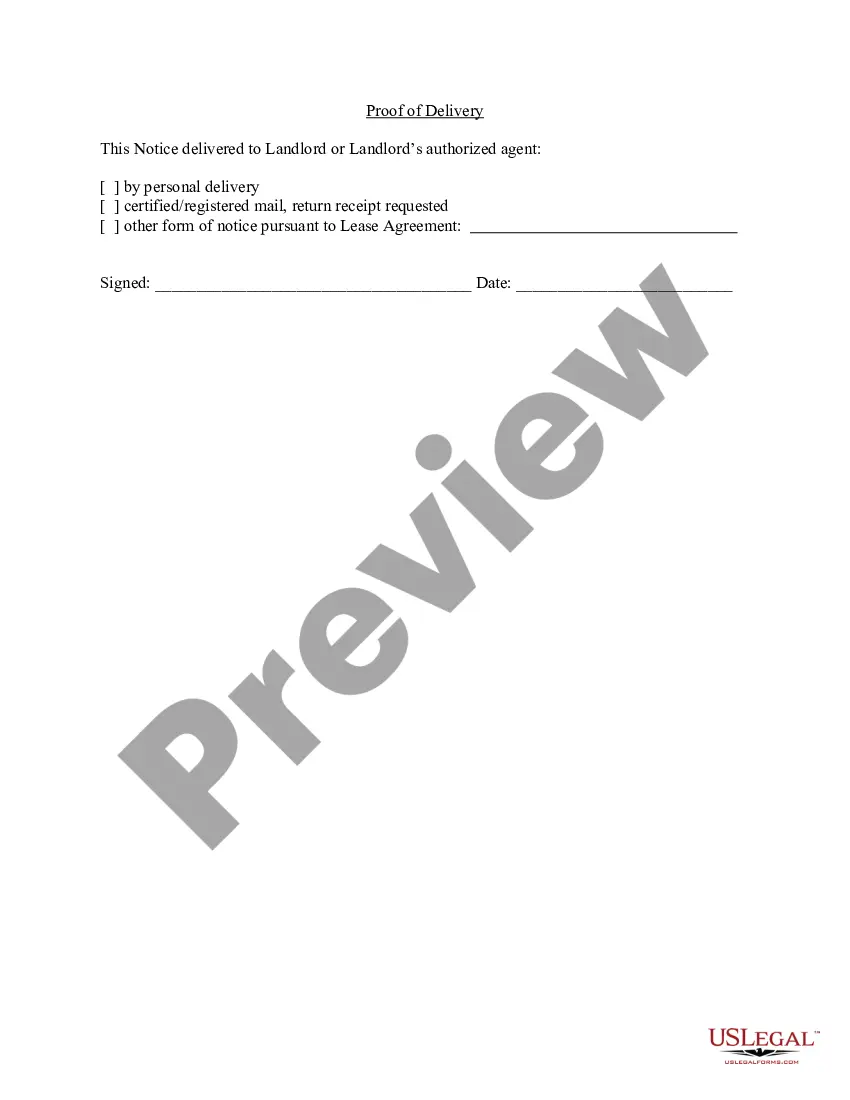
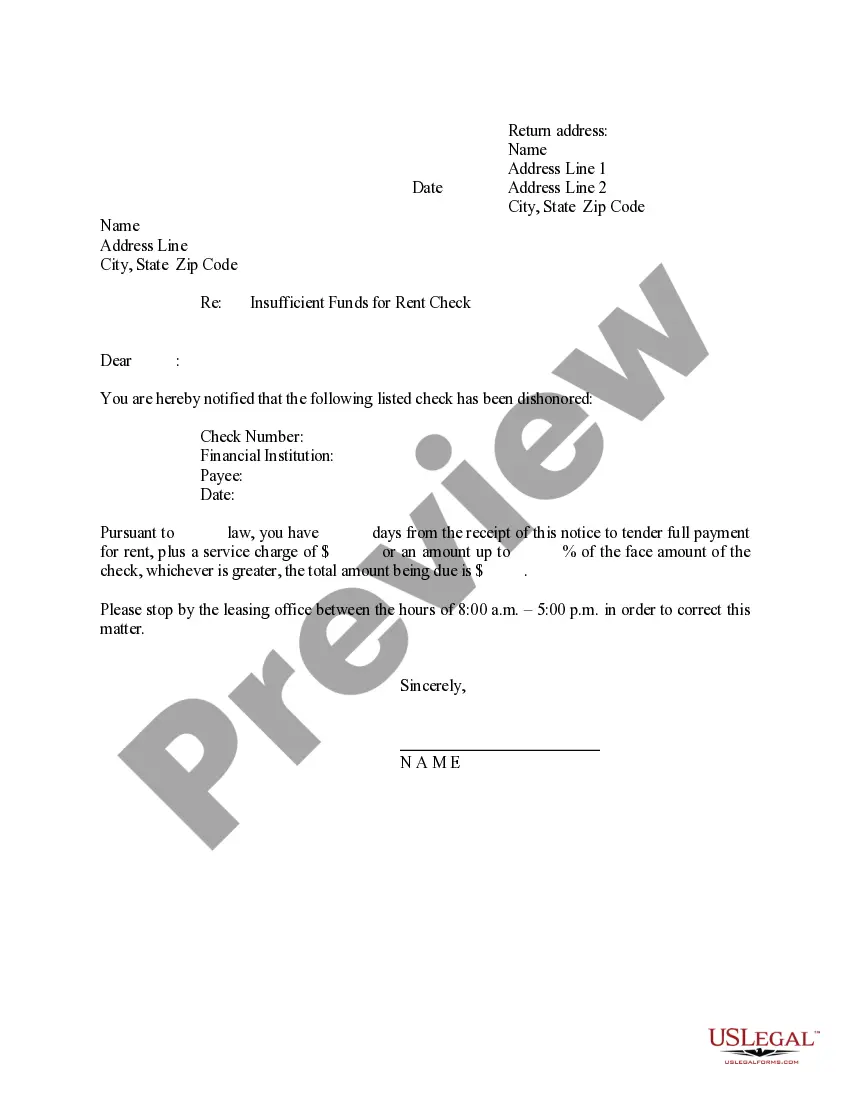
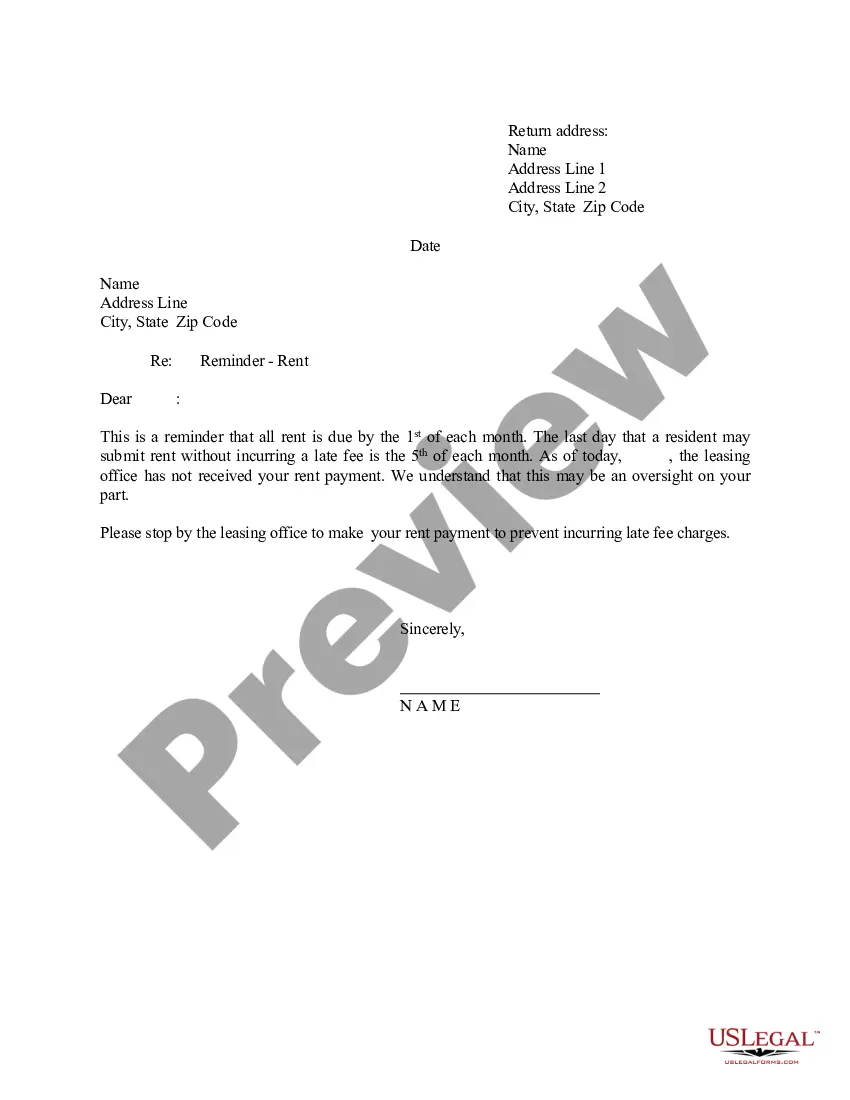
- For first-time users, start by reviewing the Preview mode and form description to confirm you’ve selected the correct document that meets your jurisdiction's requirements.
- Should you need additional templates, utilize the Search tab to find any inconsistencies or alternatives that may better suit your needs.
- After finding the right document, click the Buy Now button and select your preferred subscription plan, which will require creating an account for library access.
- Complete your purchase by entering your credit card information or selecting PayPal for secure payment.
- Finally, download the form to your device and access it anytime in the My Forms section of your account.
Utilizing US Legal Forms streamlines your legal documentation process, empowering landlords and tenants alike. With a vast collection of over 85,000 easily fillable forms, achieving legal compliance has never been easier.
Start leveraging US Legal Forms today for all your tenant insurance and legal documentation needs. Your peace of mind is just a few clicks away!
Form popularity
FAQ
Filing a renters insurance claim can be worthwhile if the damage or loss is significant. Consider factors such as your deductible, the total value of the claim, and the impact on your premiums. With tenant insurance for landlords, filing a claim can provide relief and financial support, but weigh the costs and benefits before proceeding.
To add your landlord to your renters insurance, reach out to your insurance company and request this adjustment. You may need to fill out a form or provide specific details about your landlord. This step not only clarifies coverage for tenant insurance for landlords, but also bolsters the security of your rental relationship.
Typically, your renters insurance should list you as the primary insured, while any family members or roommates living with you should also be included. If you are renting, it is wise to have your landlord named as an additional insured. This practice enhances tenant insurance for landlords, ensuring that everyone knows their coverage responsibilities in case of a claim.
Yes, naming the landlord as an additional insured on your renters insurance policy is often recommended. This designation provides them with certain protections against claims arising from tenant-related incidents. Having tenant insurance for landlords can create a more secure rental agreement, where both parties understand their coverage and responsibilities.
To add your landlord to your renters insurance, contact your insurance provider and request to include them as an additional insured. You will likely need to provide your landlord’s contact details and relevant property information. This inclusion can further protect both you and your landlord under the tenant insurance for landlord policies, allowing for coverage in case of incidents.
Tenant insurance for landlords is a policy that typically protects the landlord’s property from tenant-related risks. It covers damages caused by the tenant, including fire, theft, or vandalism, and ensures that the landlord does not bear the financial burden of these incidents. In essence, renters insurance provides a safety net for landlords, securing their investment while also fostering responsible renting.
While a landlord may not directly evict a tenant solely for lacking renters insurance, some lease agreements include clauses requiring tenants to maintain such coverage. In these cases, the absence of tenant insurance for landlord properties could lead to lease violations. It’s crucial to carefully read your lease agreement and communicate openly with your landlord about insurance requirements to avoid potential eviction.
If you decide not to have landlord insurance, you expose yourself to significant financial risks. In the event of damage or liability claims, you could face hefty out-of-pocket expenses. To protect your investment and gain peace of mind, consider securing tenant insurance for landlord properties, which also encourages tenants to cover their belongings and reduces potential conflicts.
The best insurance for landlords often includes a combination of landlord insurance and tenant insurance for landlord properties. This setup provides coverage for physical structures and liability protection while ensuring that tenants have their belongings protected. By choosing the right insurance plan, you safeguard your investment and foster good relationships with your tenants.
Yes, a landlord can obtain renters insurance, but it is important to note that this type of insurance typically covers the tenants' personal property, not the landlord's assets. However, tenant insurance for landlord properties can help ensure that your tenants have coverage in place. This can create a safer environment for everyone involved and potentially reduce liability concerns for you as the landlord.