Limited Partnership For Real Estate
Description
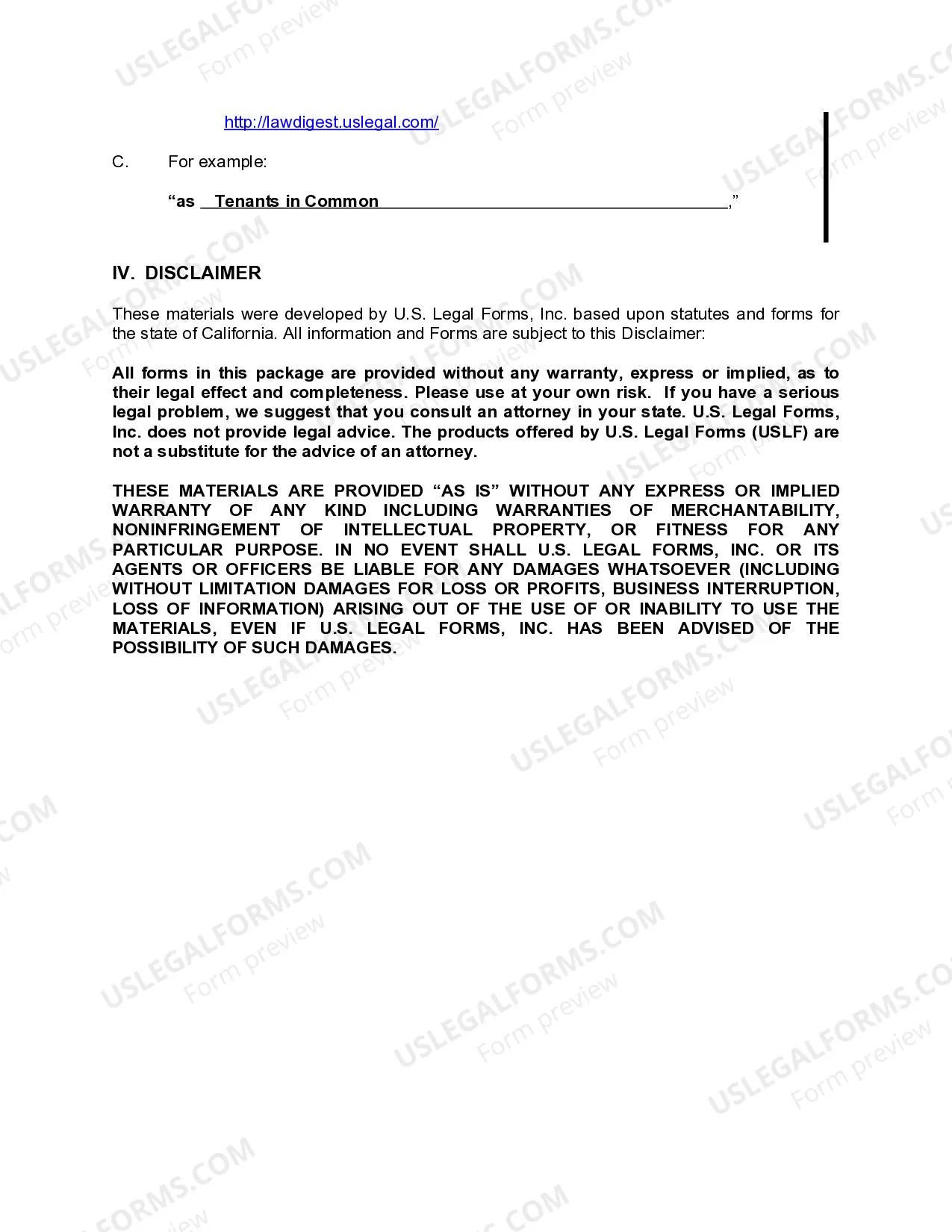
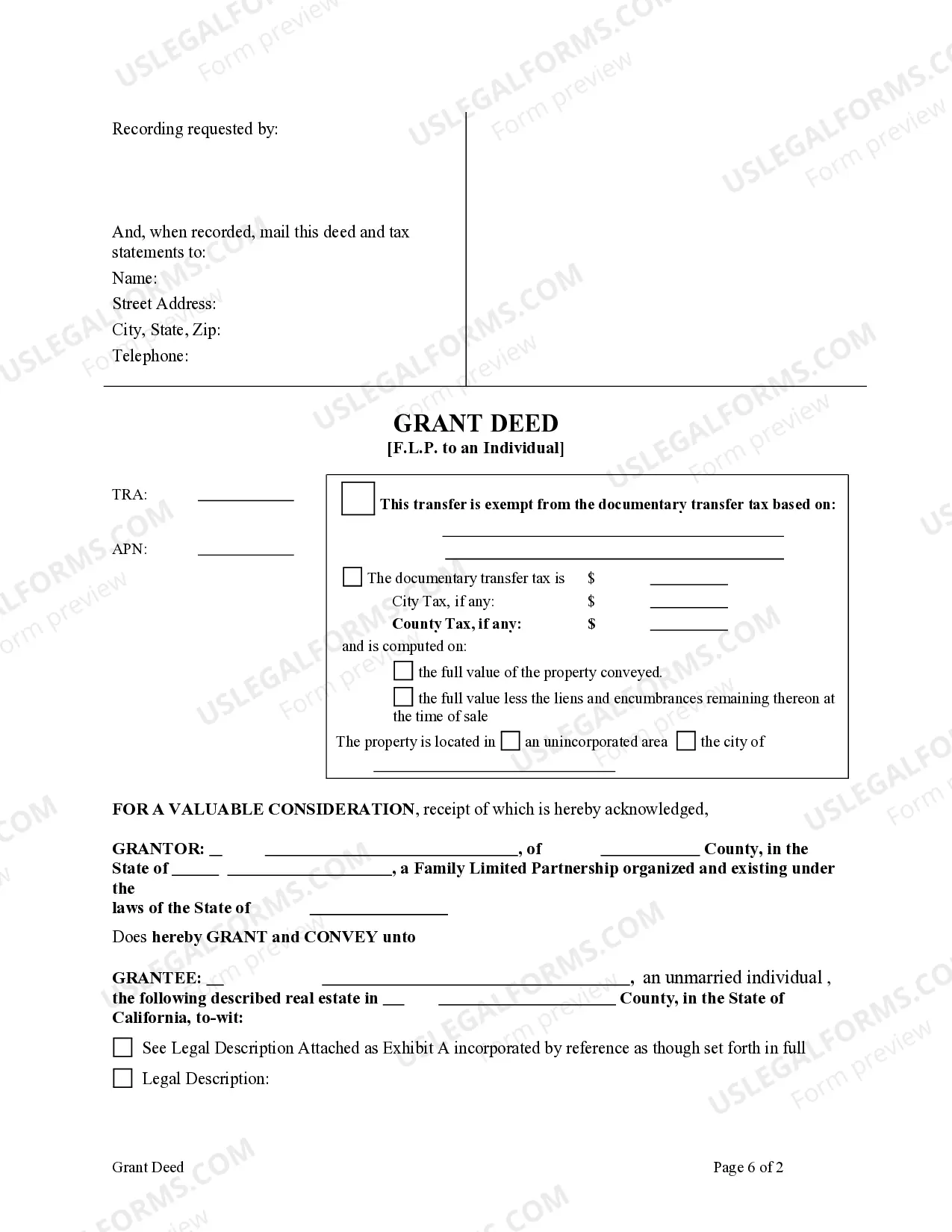
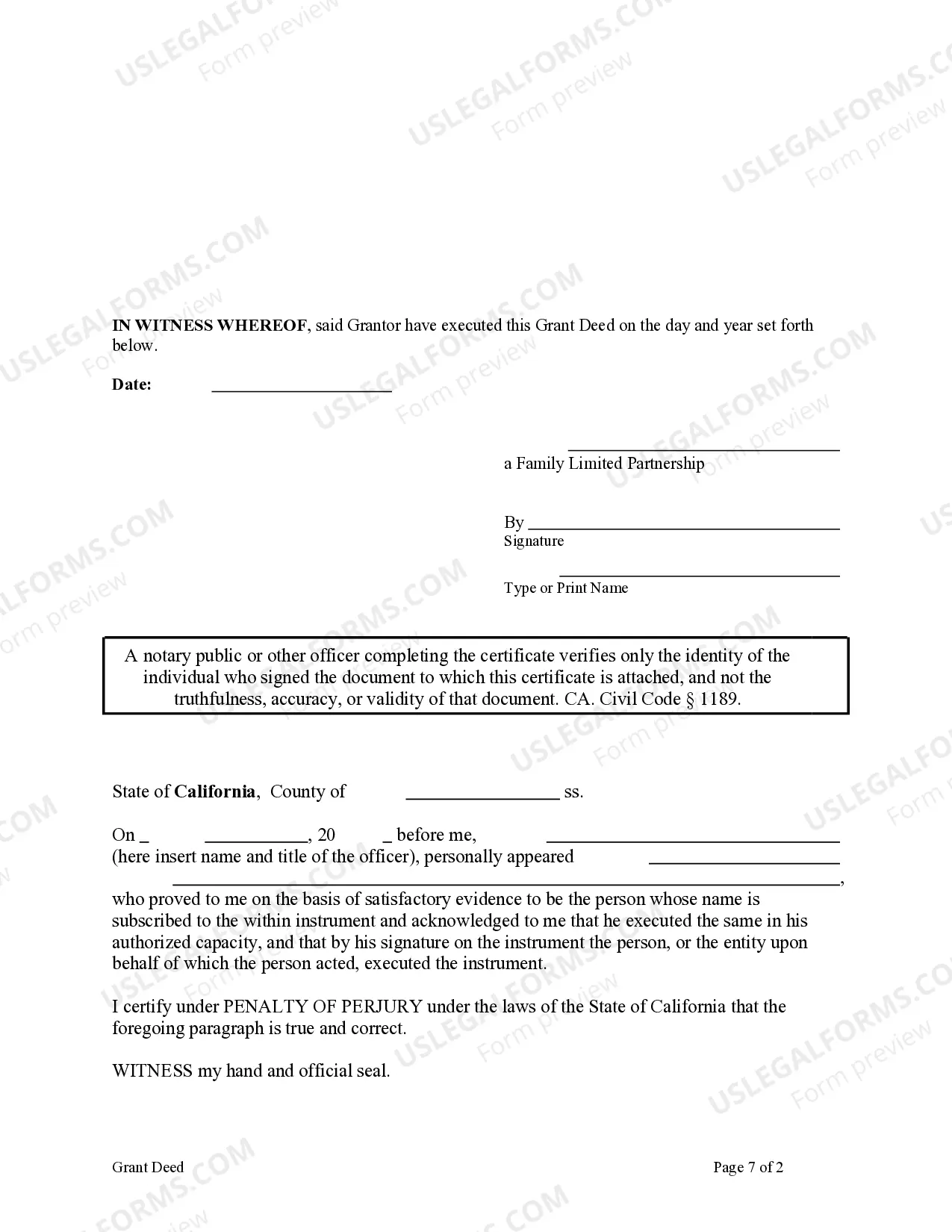


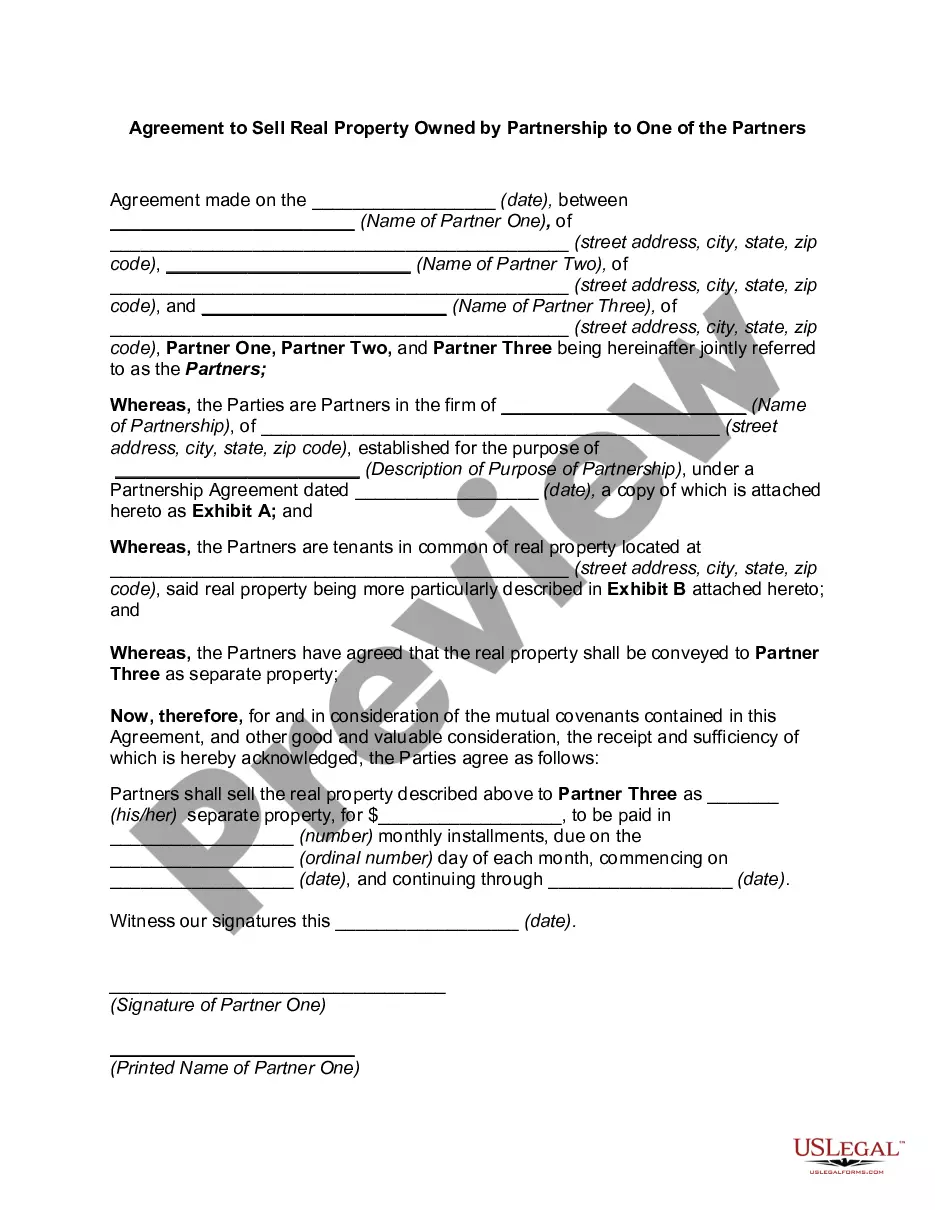
Get your form ready online
Our built-in tools help you complete, sign, share, and store your documents in one place.
Make edits, fill in missing information, and update formatting in US Legal Forms—just like you would in MS Word.
Download a copy, print it, send it by email, or mail it via USPS—whatever works best for your next step.
Sign and collect signatures with our SignNow integration. Send to multiple recipients, set reminders, and more. Go Premium to unlock E-Sign.
If this form requires notarization, complete it online through a secure video call—no need to meet a notary in person or wait for an appointment.
We protect your documents and personal data by following strict security and privacy standards.

Make edits, fill in missing information, and update formatting in US Legal Forms—just like you would in MS Word.

Download a copy, print it, send it by email, or mail it via USPS—whatever works best for your next step.

Sign and collect signatures with our SignNow integration. Send to multiple recipients, set reminders, and more. Go Premium to unlock E-Sign.

If this form requires notarization, complete it online through a secure video call—no need to meet a notary in person or wait for an appointment.

We protect your documents and personal data by following strict security and privacy standards.
Looking for another form?
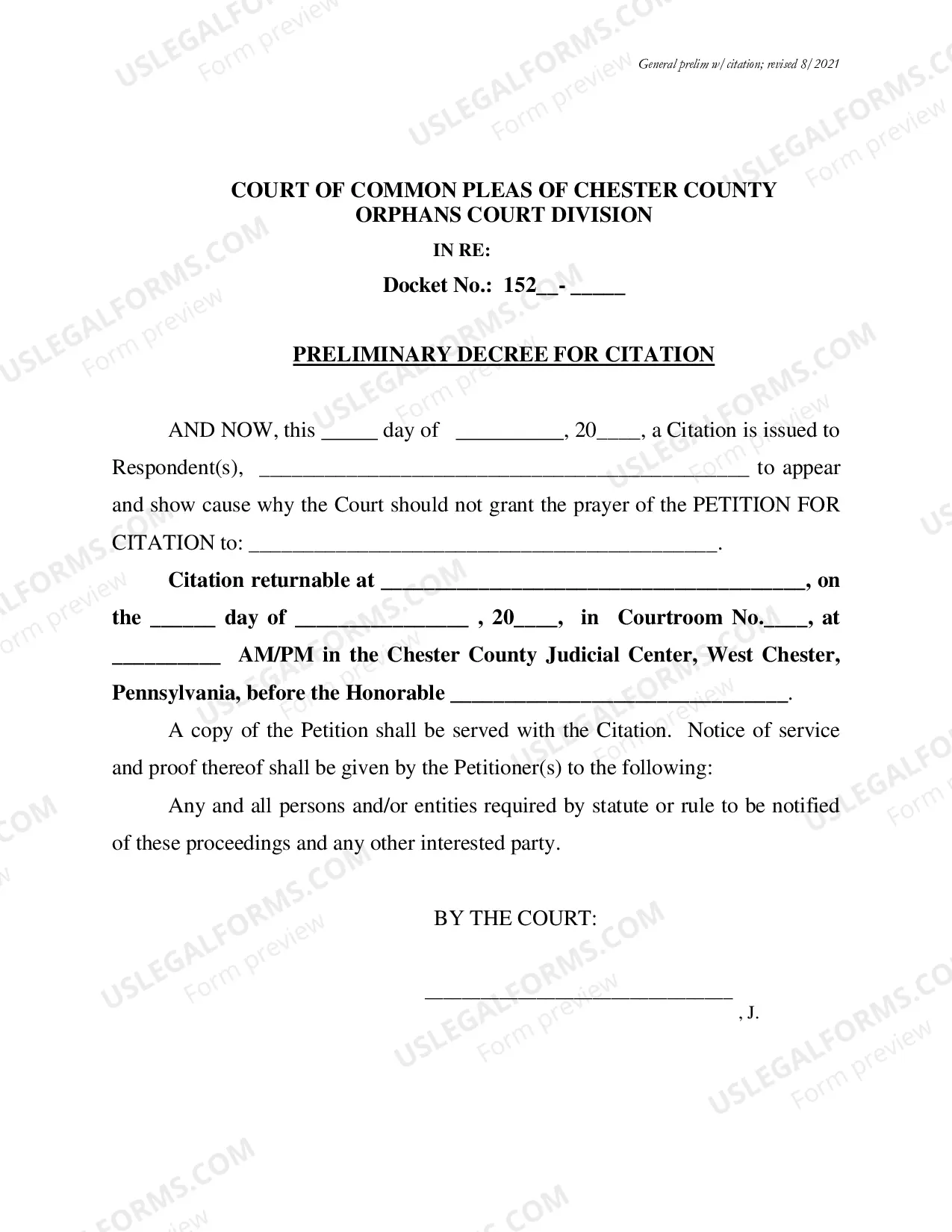





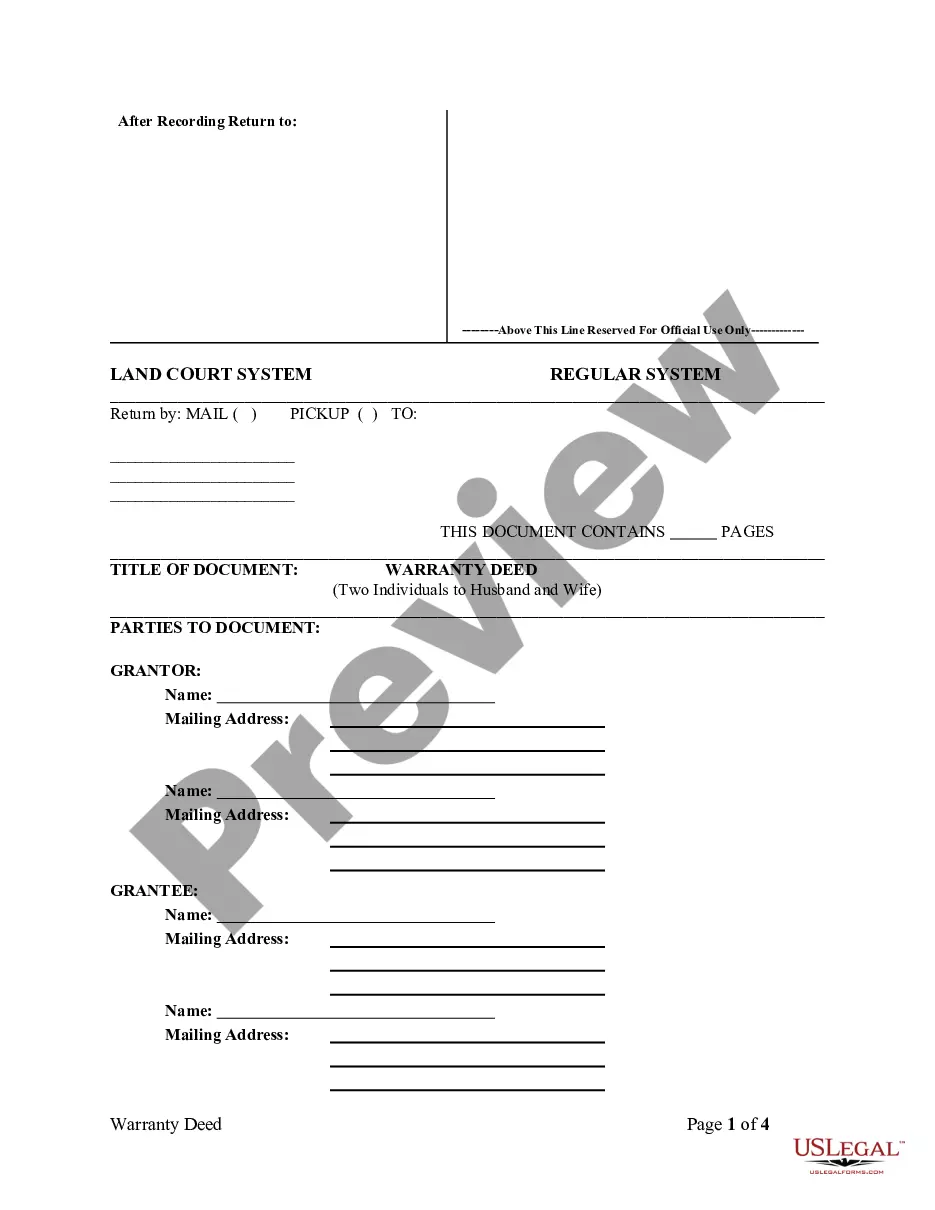
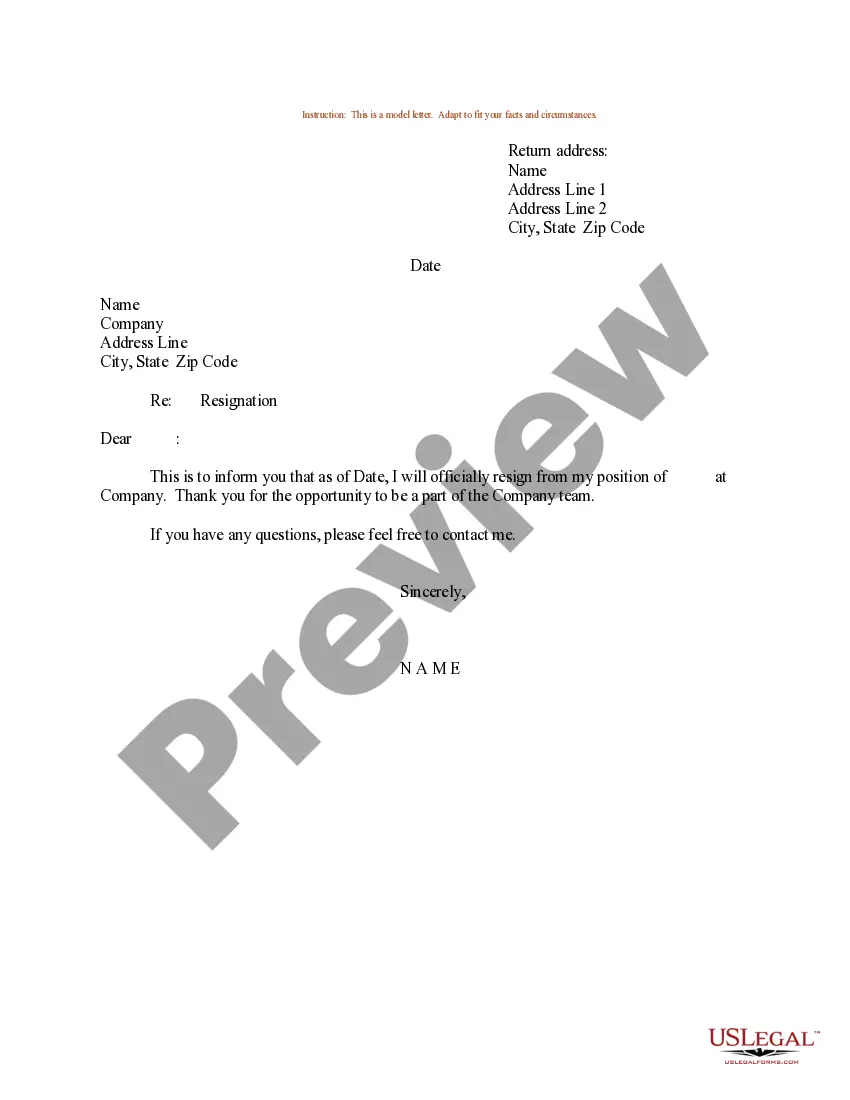


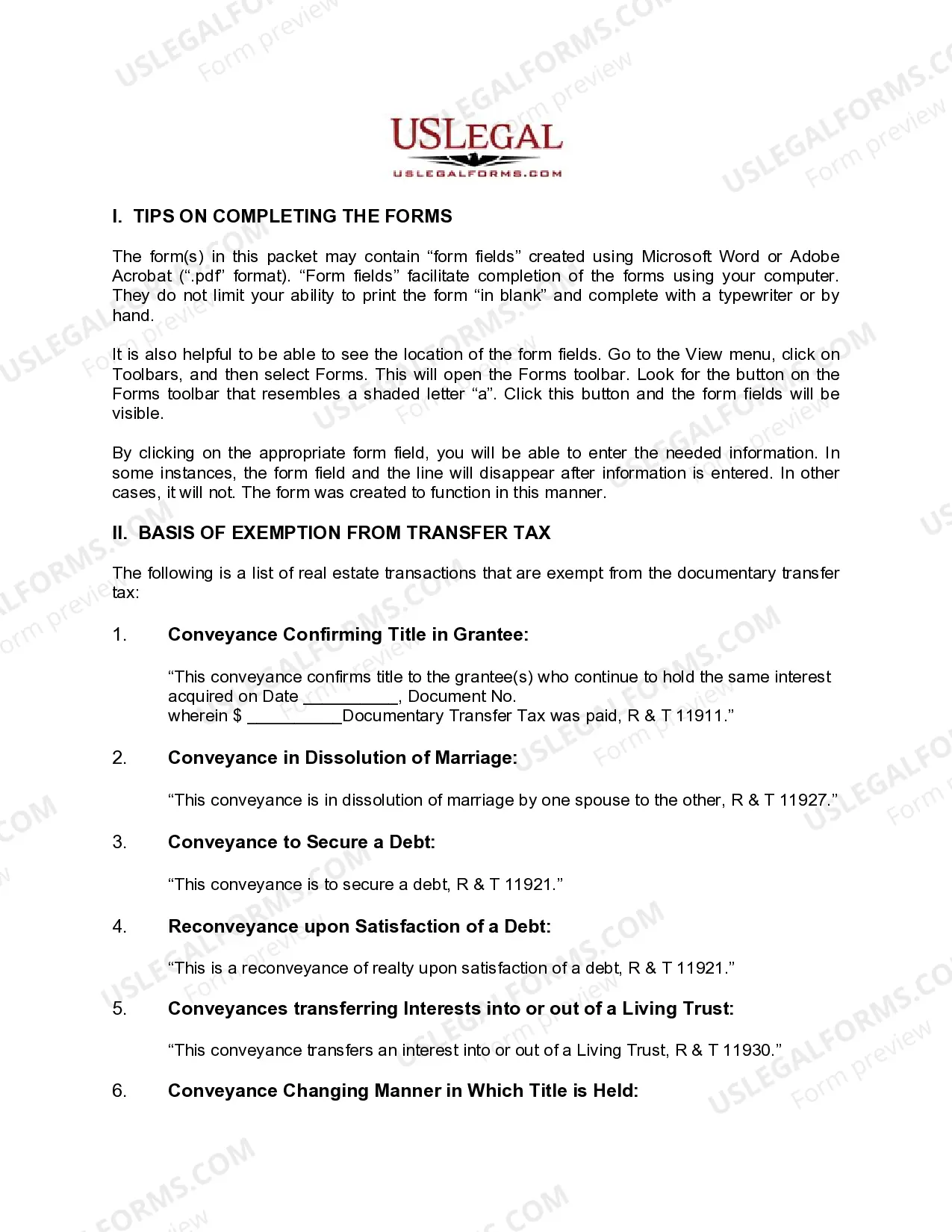
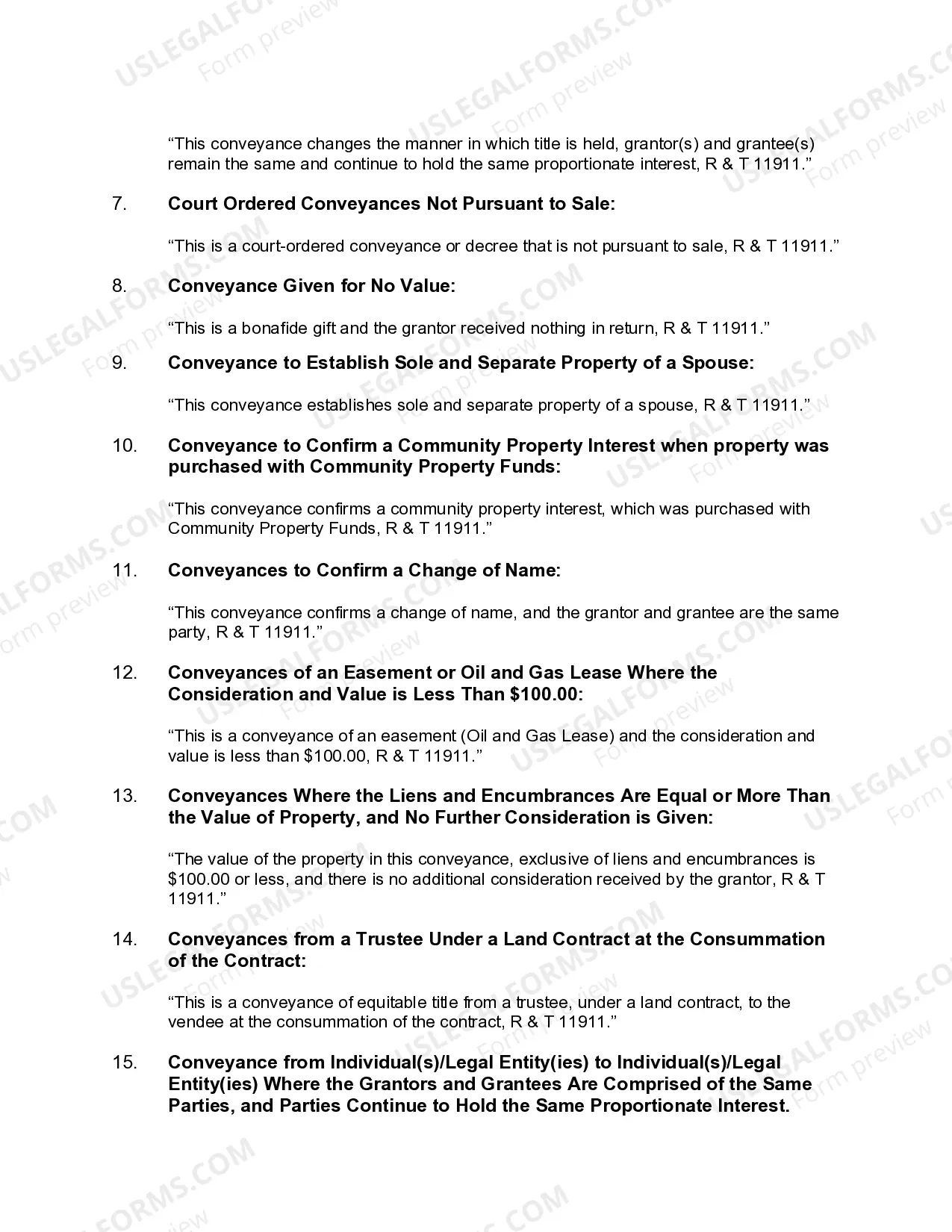
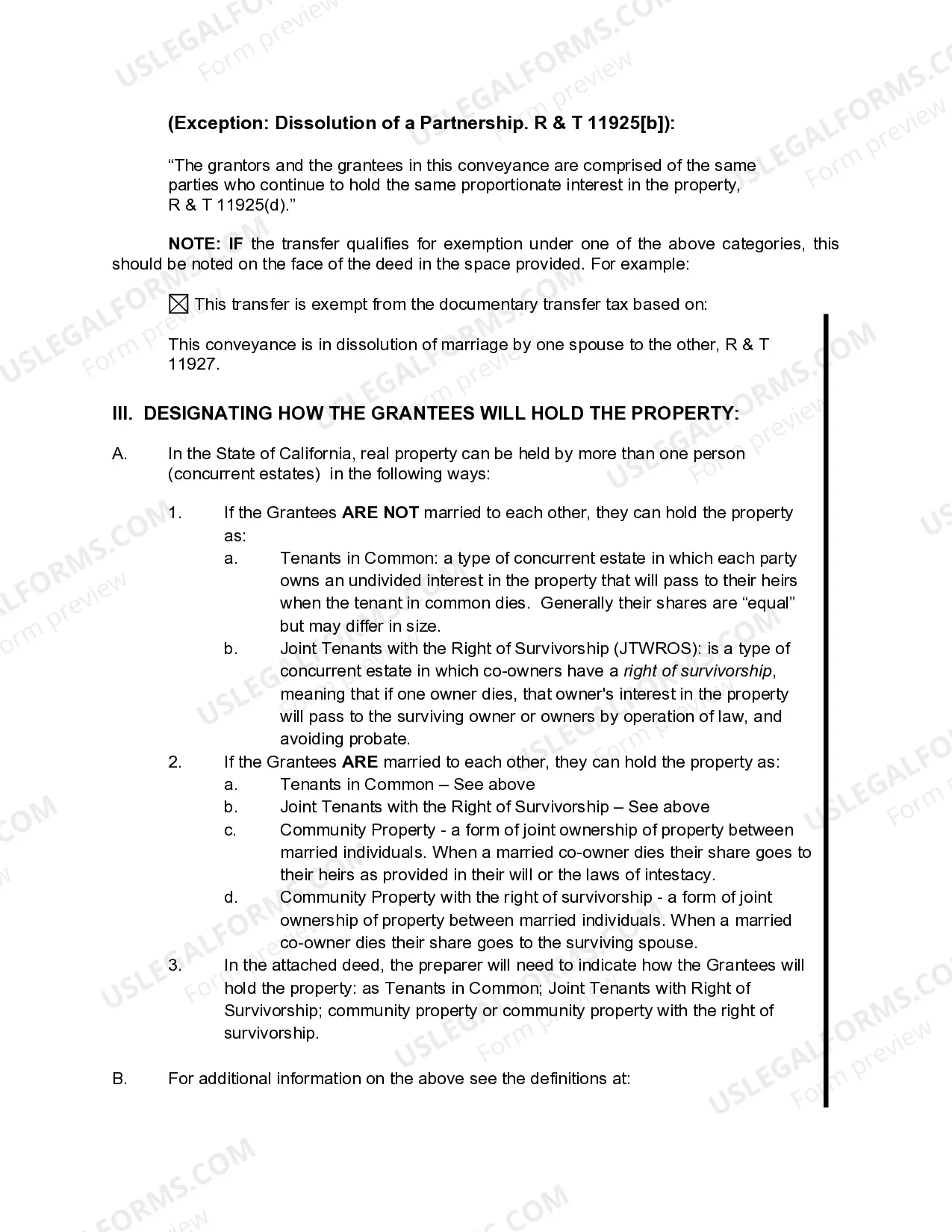
How to fill out California Grant Deed From Family Limited Partnership To An Individual.?
- Log in to your US Legal Forms account if you're a returning user. Ensure your subscription is current to access your document.
- For new users, preview the form options available. Confirm the selected document meets your requirements and complies with your local laws.
- If you need a different template, utilize the Search tab at the top to find the correct one.
- Once you choose the appropriate document, click 'Buy Now' and select your preferred subscription plan. You'll need to create an account to access the resources.
- Proceed to purchase by providing your payment information, either via credit card or PayPal.
- After completing your purchase, download the document to your device and access it anytime from the 'My Forms' section of your account.
By following these steps, you can easily obtain your limited partnership for real estate documents through US Legal Forms.
Take advantage of US Legal Forms’ vast library and expert assistance. Start today to create precise, legally sound documents that cater to your real estate needs!
Form popularity
FAQ
To create a partnership for real estate, first determine your investment goals and identify potential partners who share your vision. Draft a comprehensive partnership agreement detailing each party’s contributions, roles, and profit-sharing arrangements. It’s advisable to consult with platforms like US Legal Forms for templates and guidance to ensure that your partnership is legally sound and beneficial to all involved.
A real estate partnership can be a good idea, as it allows individuals to pool resources and share risks. By working together, partners can leverage each other's strengths and cover weaknesses in their knowledge or capital. This collaborative approach often leads to better investment opportunities and can enhance the overall success of a limited partnership for real estate.
The 50% rule in real estate states that a property’s operating expenses will typically be about 50% of its gross rental income. This rule helps investors quickly gauge potential profitability and budget realistically for expenses when entering into a limited partnership for real estate. Using this guideline, partners can make informed decisions about property selection and investment strategy.
To form a partnership for real estate, start by drafting a partnership agreement that defines the terms and structure. Choose your partners based on their investment goals and expertise in the real estate sector. Next, register your partnership with the state, secure any necessary licenses, and consider consulting legal services like US Legal Forms for guidance on creating a solid foundation.
To structure a limited partnership for real estate, you need at least one general partner and one limited partner. The general partner manages the business and takes on full liability, while limited partners contribute capital and have limited liability. Clearly outline roles, responsibilities, and profit-sharing in a partnership agreement to ensure clarity and alignment among partners.
Limited partnership real estate refers to real estate investments facilitated through a limited partnership framework. In this setup, general partners handle the investment operations, allowing limited partners to contribute funds without active management. This model benefits those looking to invest in real estate through limited partnerships, combining financial potential with reduced liability, and U.S. Legal Forms can help you navigate all necessary documentation seamlessly.
A limited partnership in real estate is a collaborative investment model where one or more general partners manage the investment, while limited partners provide capital. Investors can take part in larger real estate projects without the need for active involvement. This structure makes limited partnerships for real estate an attractive option, empowering investors to leverage professional expertise while minimizing personal exposure.
The primary purpose of a limited partnership is to enable investors to participate in business ventures while enjoying limited liability. This arrangement allows general partners to manage the investment and limited partners to contribute capital without being responsible for daily operations. Consequently, this structure is very appealing for those interested in limited partnerships for real estate, allowing for profitable investment opportunities without overwhelming risks.
LLP stands for Limited Liability Partnership, which is a structure involving a partnership that offers limited liability to its owners. In the context of real estate, an LLP allows investors to partake in property ventures while protecting their personal assets from company liabilities. This structure can be particularly beneficial for individuals investing in limited partnerships for real estate, as it combines the flexibility of partnership with liability protection.
To qualify as a limited partner in a limited partnership for real estate, you generally need to meet certain criteria set forth in the partnership agreement. This often involves investing a specified amount of capital and accepting limited liability in exchange for not participating in management decisions. It's wise to review the partnership documentation carefully, possibly with guidance from professionals to understand your rights and responsibilities.