Enhanced Estate Bird With Red Eyes
Description
Get your form ready online
Our built-in tools help you complete, sign, share, and store your documents in one place.
Make edits, fill in missing information, and update formatting in US Legal Forms—just like you would in MS Word.
Download a copy, print it, send it by email, or mail it via USPS—whatever works best for your next step.
Sign and collect signatures with our SignNow integration. Send to multiple recipients, set reminders, and more. Go Premium to unlock E-Sign.
If this form requires notarization, complete it online through a secure video call—no need to meet a notary in person or wait for an appointment.
We protect your documents and personal data by following strict security and privacy standards.

Make edits, fill in missing information, and update formatting in US Legal Forms—just like you would in MS Word.

Download a copy, print it, send it by email, or mail it via USPS—whatever works best for your next step.

Sign and collect signatures with our SignNow integration. Send to multiple recipients, set reminders, and more. Go Premium to unlock E-Sign.

If this form requires notarization, complete it online through a secure video call—no need to meet a notary in person or wait for an appointment.

We protect your documents and personal data by following strict security and privacy standards.
Looking for another form?




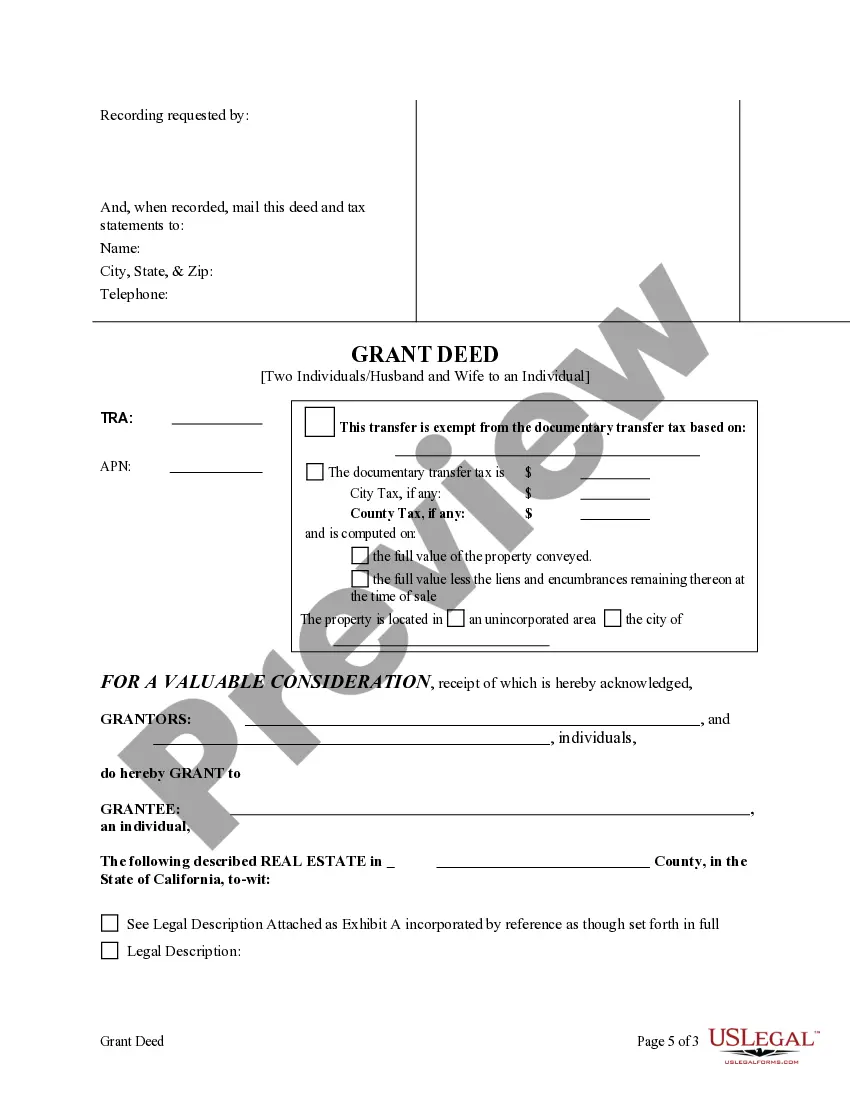
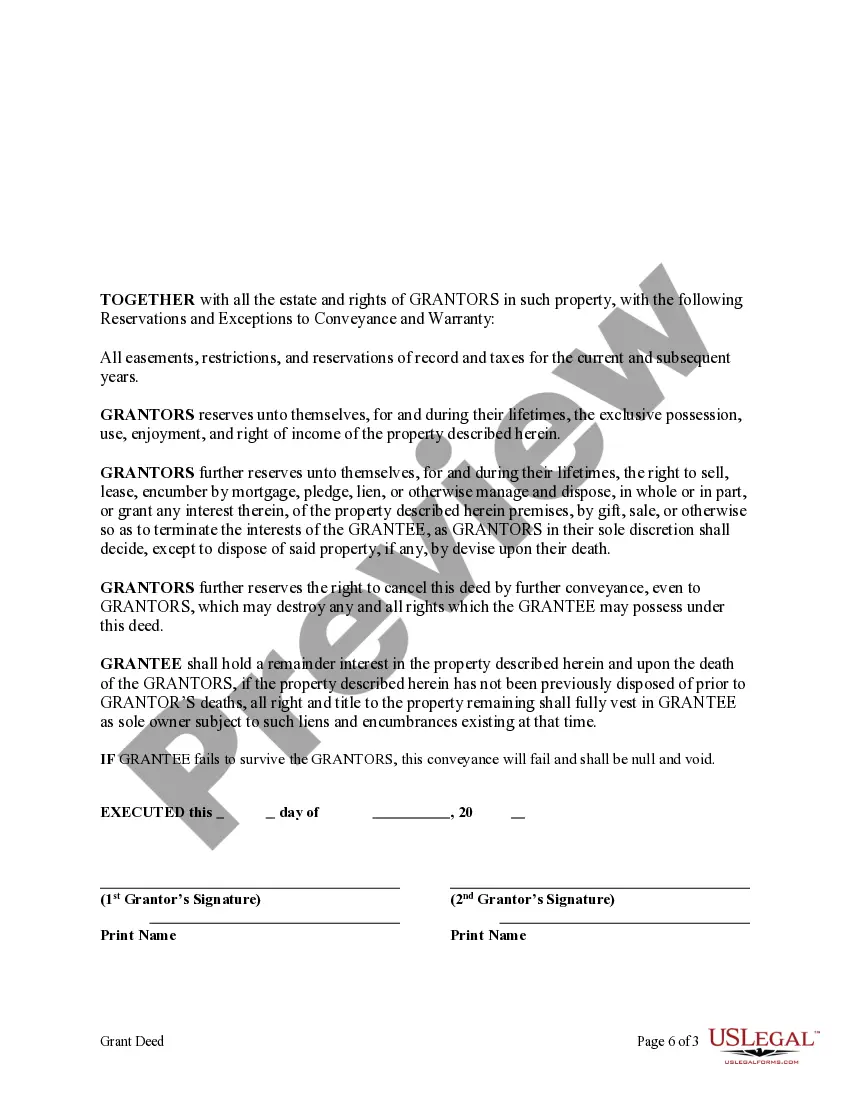
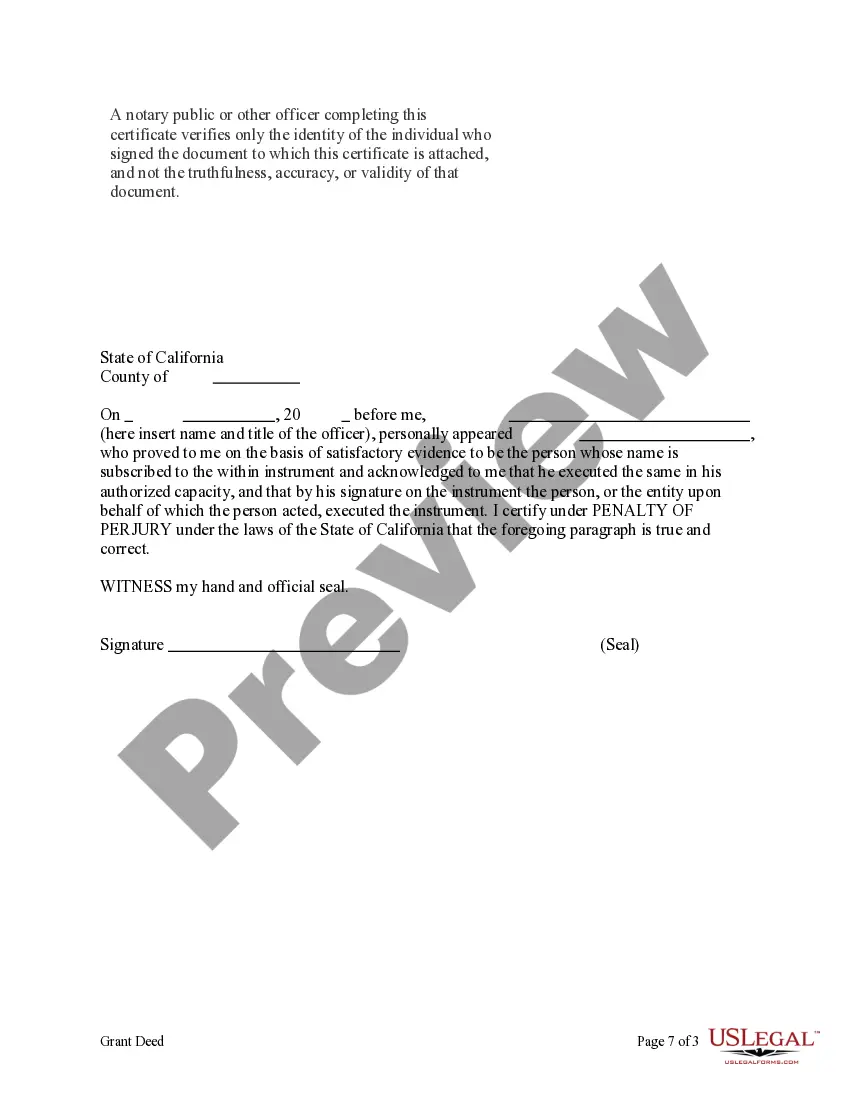
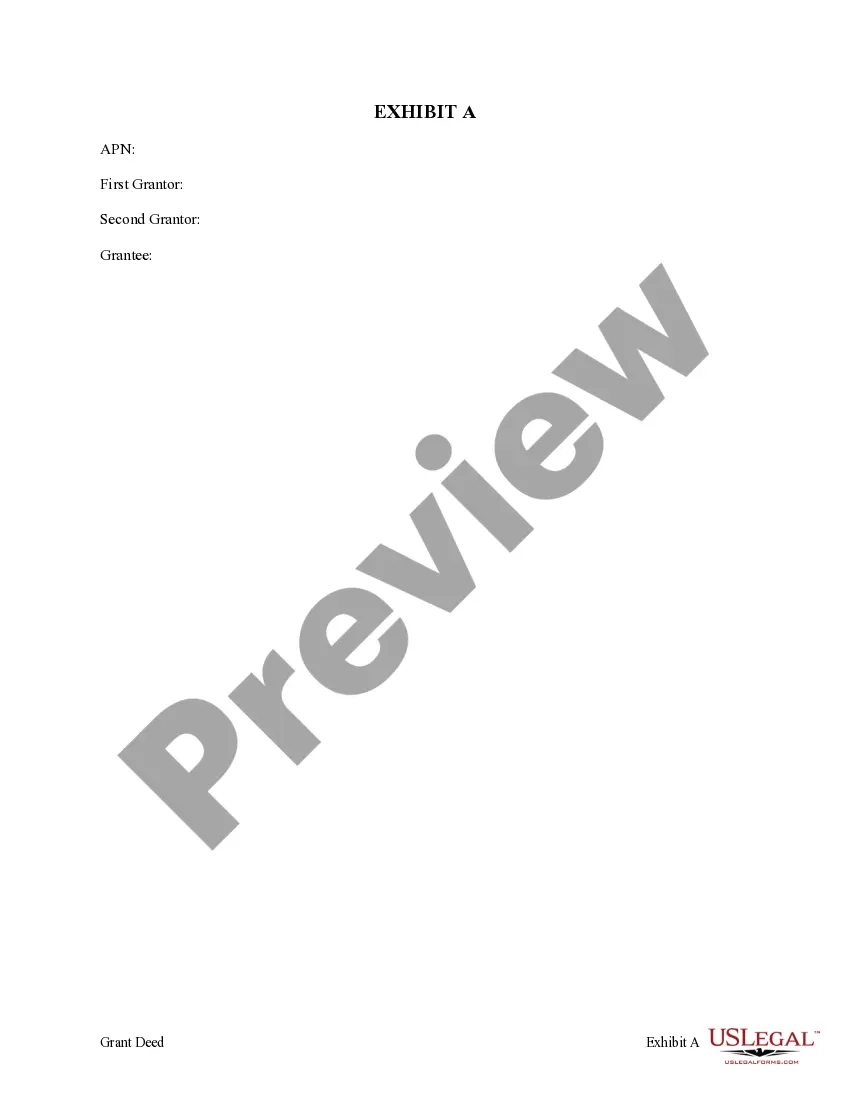
How to fill out California Enhanced Life Estate Or Lady Bird Grant Deed From Two Individuals, Or Husband And Wife, To An Individual?
- If you are a returning user, log in to your account and ensure your subscription is active. Click the Download button to save the required form template to your device.
- For new users, start by previewing the form description to find the document that aligns with your local jurisdiction requirements.
- If the template doesn’t meet your needs, utilize the Search tab to discover other options that fit your criteria.
- Once you find the suitable document, click on the Buy Now button and select your desired subscription plan. You'll need to create an account for access.
- Complete your purchase by entering your credit card information or opting for PayPal to finalize your subscription.
- After purchasing, download the document to your device. You can access it anytime through the My Forms section of your profile.
By leveraging US Legal Forms, you can efficiently navigate the complexities of legal documentation. The platform offers an extensive library with over 85,000 fillable forms along with access to experts for additional guidance.
Ready to make your legal documentation hassle-free? Start exploring US Legal Forms and discover the benefits today!
Form popularity
FAQ
Choosing between a trust and a ladybird deed depends on your goals. A trust provides greater control and privacy for asset distribution, while a ladybird deed simplifies the transfer process. The Enhanced estate bird with red eyes serves a specific purpose but may not cover all aspects a trust can address. Evaluating your needs with an estate planning expert is advisable.
A ladybird deed does not automatically assure avoidance of capital gains tax, but it does have its advantages. When inheriting property through the Enhanced estate bird with red eyes, you may benefit from a step-up in basis upon the owner's passing, which can reduce capital gains. However, consulting with a tax advisor will help clarify your specific situation.
While a ladybird deed offers benefits, it has some downsides. One concern is the potential impact on Medicaid eligibility, as the property transfer could be viewed differently regarding asset assessments. Moreover, the Enhanced estate bird with red eyes can complicate asset distribution in cases of multiple heirs. Understanding these factors is vital before proceeding.
To avoid capital gains tax when selling inherited property, consider using the Enhanced estate bird with red eyes strategy. This allows you to transfer property without immediate tax consequences. Additionally, you can step up the basis of the inherited property, which may reduce taxable gain if you choose to sell it. Consulting with a tax professional can provide tailored advice.
The ladybird clause is an important aspect of the ladybird deed. It allows you to maintain control over the property during your lifetime, even while preparing it for transfer after your death. This clause ensures you can change your mind about beneficiaries or sell the property without complications. It's a great representation of the flexible approach seen in the enhanced estate bird with red eyes.
After the death of the property owner, the ladybird deed automatically transfers ownership to the designated beneficiary. The new owner does not need to go through probate, which can save time and legal fees. It’s important for the beneficiary to record the death certificate and the deed in the appropriate county office to establish their ownership. Using resources from USLegalForms can be beneficial for this process.
The ladybird deed comes with some downsides. For instance, if you change your mind about the beneficiaries, modifying the deed can be cumbersome. Additionally, there may be tax implications associated with the transfer of property. Understanding these aspects is part of the journey with the enhanced estate bird with red eyes.
Generally, Medicaid cannot take your home if you have a ladybird deed, as the property transfers automatically upon your passing. This can protect your home’s value from Medicaid claims and ensure it passes to your heirs. However, specific rules can vary by state, so it's wise to consult with an expert on estate planning. USLegalForms provides valuable resources to help clarify these important details.
An enhanced life estate deed and a ladybird deed serve similar purposes but aren’t exactly the same. Both allow the transfer of ownership upon death while letting the owner retain certain rights during their lifetime. However, the enhanced estate bird with red eyes offers additional protections and options compared to a standard life estate. It's essential to understand these differences when planning your estate.
A ladybird clause is a specific provision that allows property owners to retain control over their property while still designating it for transfer upon death. This clause effectively permits the owner to sell or change the property without needing consent from beneficiaries. The concept links closely with the enhanced estate bird with red eyes, providing flexibility while ensuring property wishes are honored after death.