California Title Holding Trust Form
Description
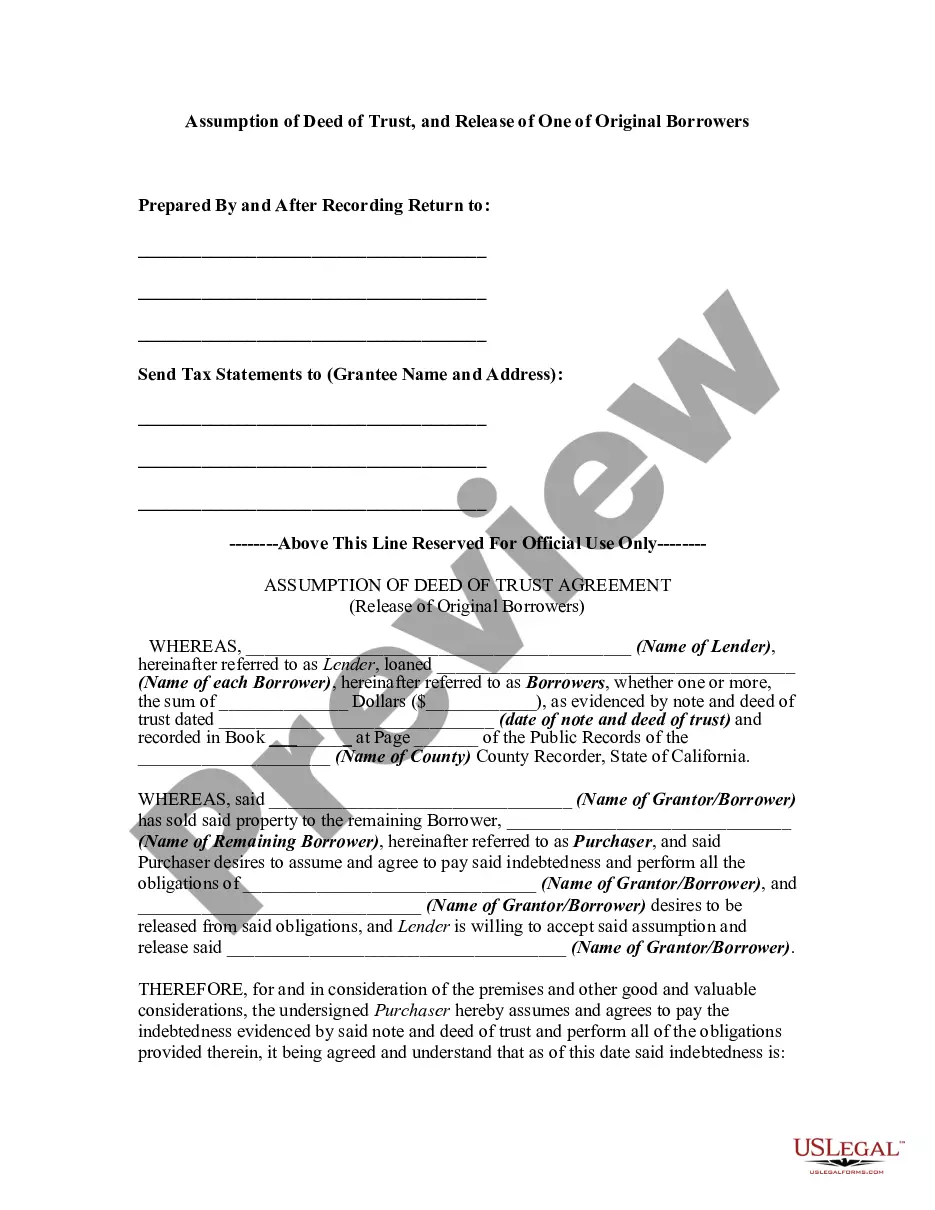
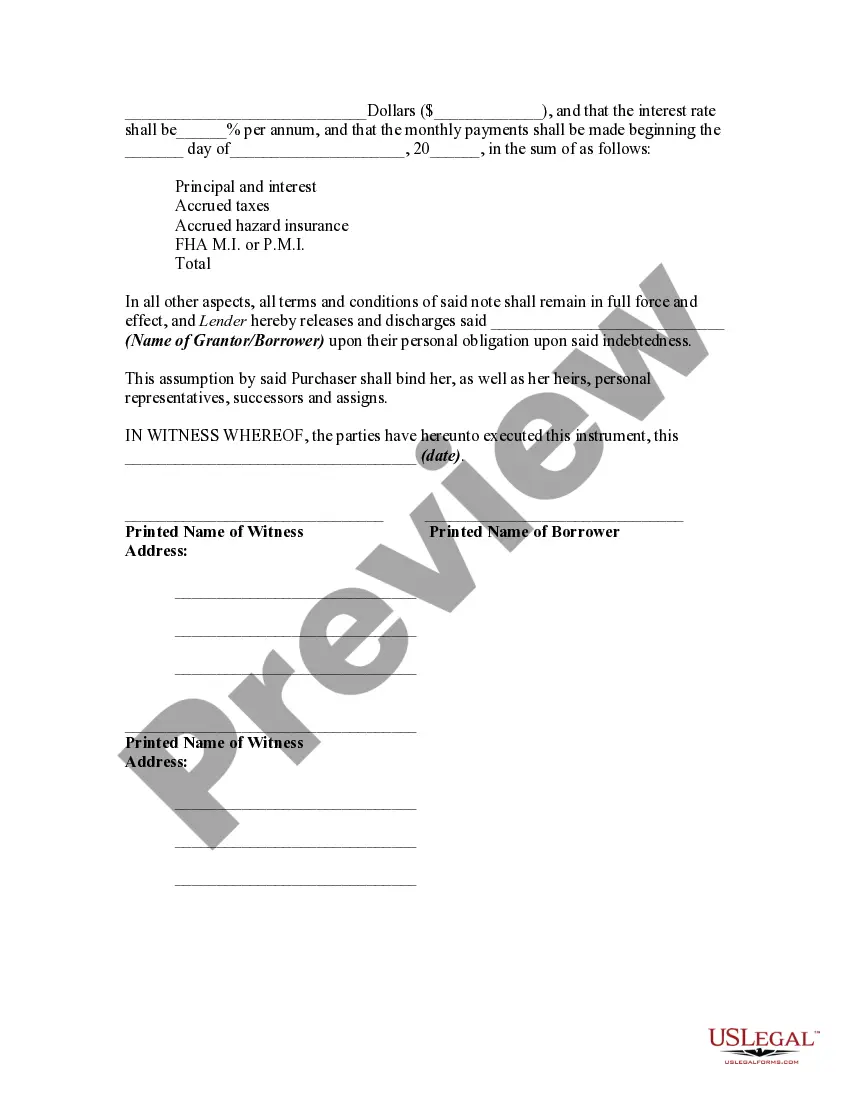
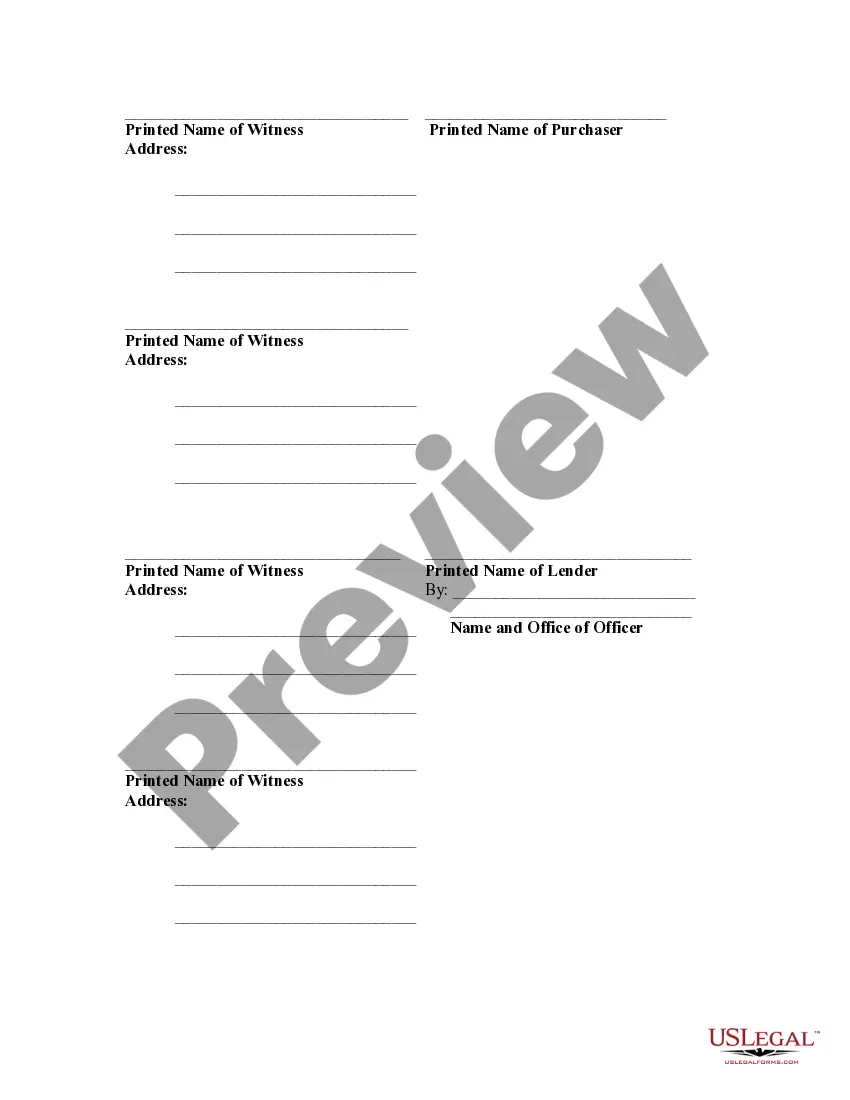

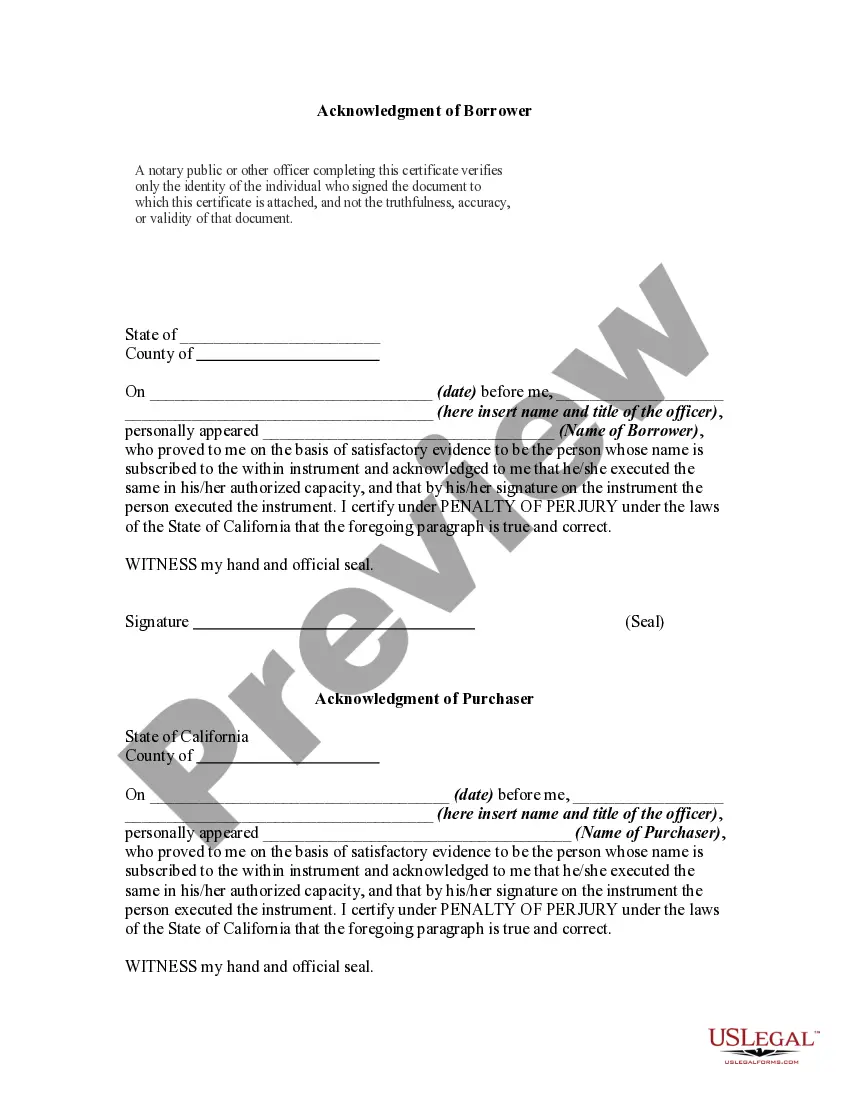


Get your form ready online
Our built-in tools help you complete, sign, share, and store your documents in one place.
Make edits, fill in missing information, and update formatting in US Legal Forms—just like you would in MS Word.
Download a copy, print it, send it by email, or mail it via USPS—whatever works best for your next step.
Sign and collect signatures with our SignNow integration. Send to multiple recipients, set reminders, and more. Go Premium to unlock E-Sign.
If this form requires notarization, complete it online through a secure video call—no need to meet a notary in person or wait for an appointment.
We protect your documents and personal data by following strict security and privacy standards.

Make edits, fill in missing information, and update formatting in US Legal Forms—just like you would in MS Word.

Download a copy, print it, send it by email, or mail it via USPS—whatever works best for your next step.

Sign and collect signatures with our SignNow integration. Send to multiple recipients, set reminders, and more. Go Premium to unlock E-Sign.

If this form requires notarization, complete it online through a secure video call—no need to meet a notary in person or wait for an appointment.

We protect your documents and personal data by following strict security and privacy standards.
Looking for another form?



Form popularity
FAQ
To file a deed of trust in California, start by completing the necessary documentation, including your California title holding trust form. After you properly fill out the deed, you must sign it in front of a notary public. Next, submit the deed to your local county recorder's office with any required fees. This process officially records the trust and ensures your property is legally recognized as held in trust.
While putting your house in a trust can have benefits, it also has some disadvantages. You may incur costs related to creating and maintaining the trust and potential tax implications upon transferring your property. Additionally, transferring your house to the trust may affect your eligibility for certain government programs. Understanding these factors can help you make an informed decision, and using a California title holding trust form can help clarify the process.
In California, the property within a trust is owned by the trust itself, represented by the trustee. The trustee manages the property on behalf of the trust's beneficiaries. This arrangement preserves the benefits of property ownership while ensuring that legal formalities related to ownership are maintained. Using a California title holding trust form sets clear guidelines around ownership and management.
To title a property in a trust in California, you need to create a California title holding trust form. Start by drafting the trust document and ensure it clearly identifies your property. Next, you must complete a grant deed that transfers ownership from you to the trust. Finally, file the grant deed with your county recorder's office to officially change the title.
Individuals and entities receiving payment from California sources, including those associated with a California title holding trust, may be subject to California withholding. This requirement can apply to various parties, such as businesses, partnerships, and trusts. Make sure to stay informed about withholding obligations to avoid unexpected deductions from your income.
Any business entity classified as a partnership must file a California partnership return if it operates within the state. This includes partnerships that hold title in California title holding trusts. Understanding these requirements is vital to maintaining good standing and fulfilling tax obligations, so consider using reliable platforms like uslegalforms for assistance.
Individuals managing a California title holding trust must file a California trust return. This return is crucial for reporting the trust's income and ensuring compliance with state tax laws. Proper filing can help avoid legal issues and penalties, making it important for fiduciaries to use reliable resources for guidance.
If you are responsible for reporting income and gains from a California title holding trust, you must file California Form 541. This form applies to any fiduciary responsible for managing a trust’s financial activities in the state. It is essential to understand your obligations, as failing to file can lead to penalties.
To transfer a deed of trust in California, you must prepare a transfer deed that outlines the change in parties involved. The completed form should be filed with the local county recorder's office to make the change official. Furthermore, consider a California title holding trust form for a smooth transfer, as it can clarify ownership and trustee responsibilities during this transition.
Writing a trust deed requires listing the names of the parties involved, describing the property, and stating the terms under which the trust operates. It’s essential to include the powers of the trustee and the rights of beneficiaries. Using a California title holding trust form can streamline this process, providing a structured format that meets legal standards.
