Medical Affidavit For Guardianship
Description
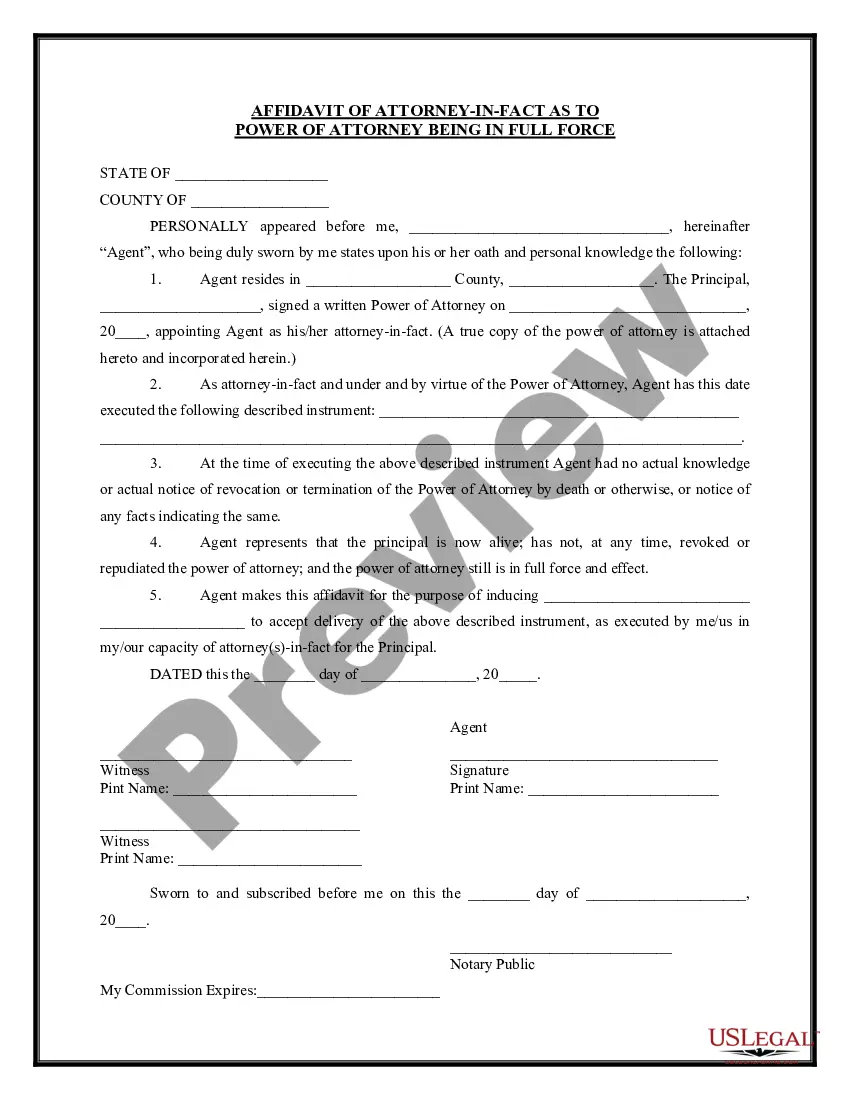
Get your form ready online
Our built-in tools help you complete, sign, share, and store your documents in one place.
Make edits, fill in missing information, and update formatting in US Legal Forms—just like you would in MS Word.
Download a copy, print it, send it by email, or mail it via USPS—whatever works best for your next step.
Sign and collect signatures with our SignNow integration. Send to multiple recipients, set reminders, and more. Go Premium to unlock E-Sign.
If this form requires notarization, complete it online through a secure video call—no need to meet a notary in person or wait for an appointment.
We protect your documents and personal data by following strict security and privacy standards.

Make edits, fill in missing information, and update formatting in US Legal Forms—just like you would in MS Word.

Download a copy, print it, send it by email, or mail it via USPS—whatever works best for your next step.

Sign and collect signatures with our SignNow integration. Send to multiple recipients, set reminders, and more. Go Premium to unlock E-Sign.

If this form requires notarization, complete it online through a secure video call—no need to meet a notary in person or wait for an appointment.

We protect your documents and personal data by following strict security and privacy standards.
Looking for another form?
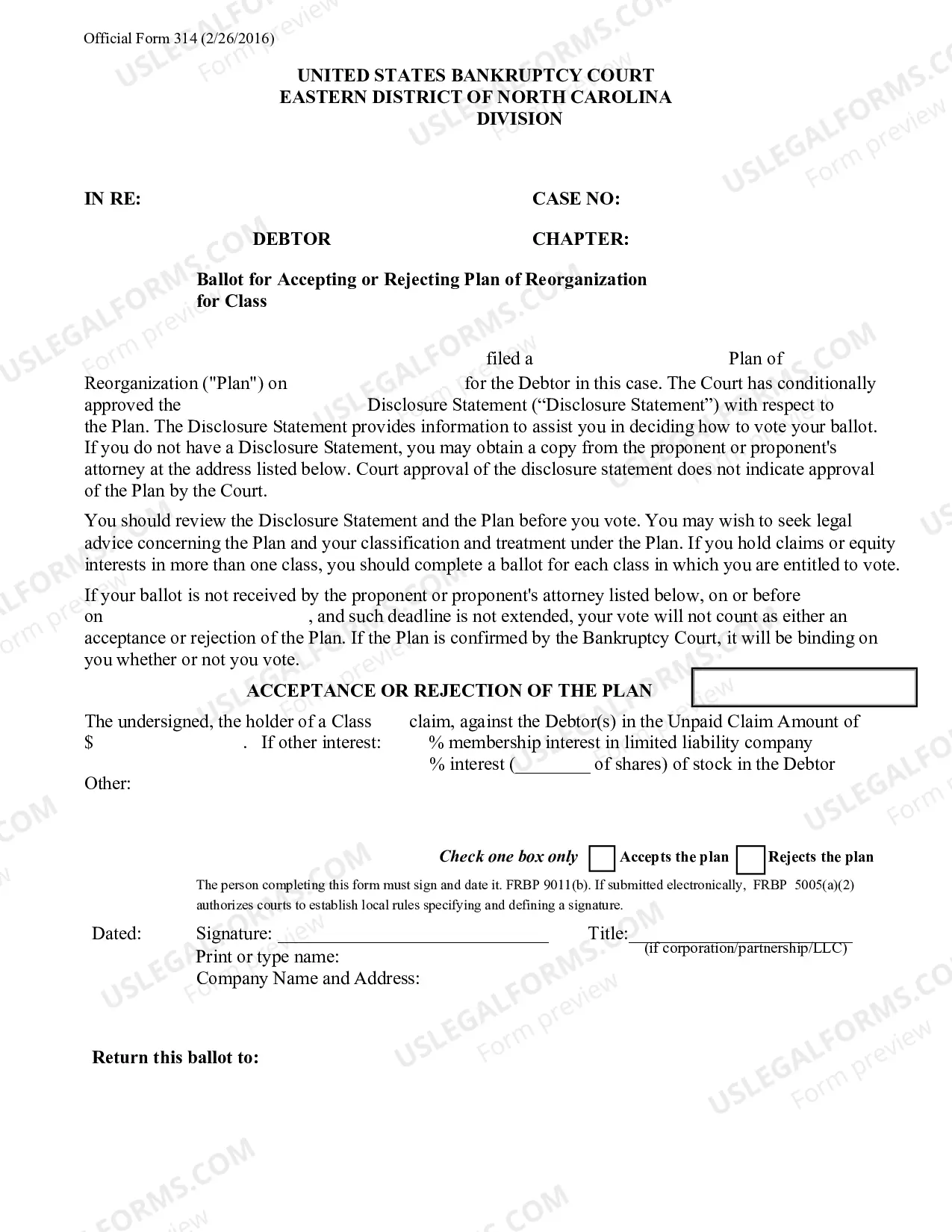

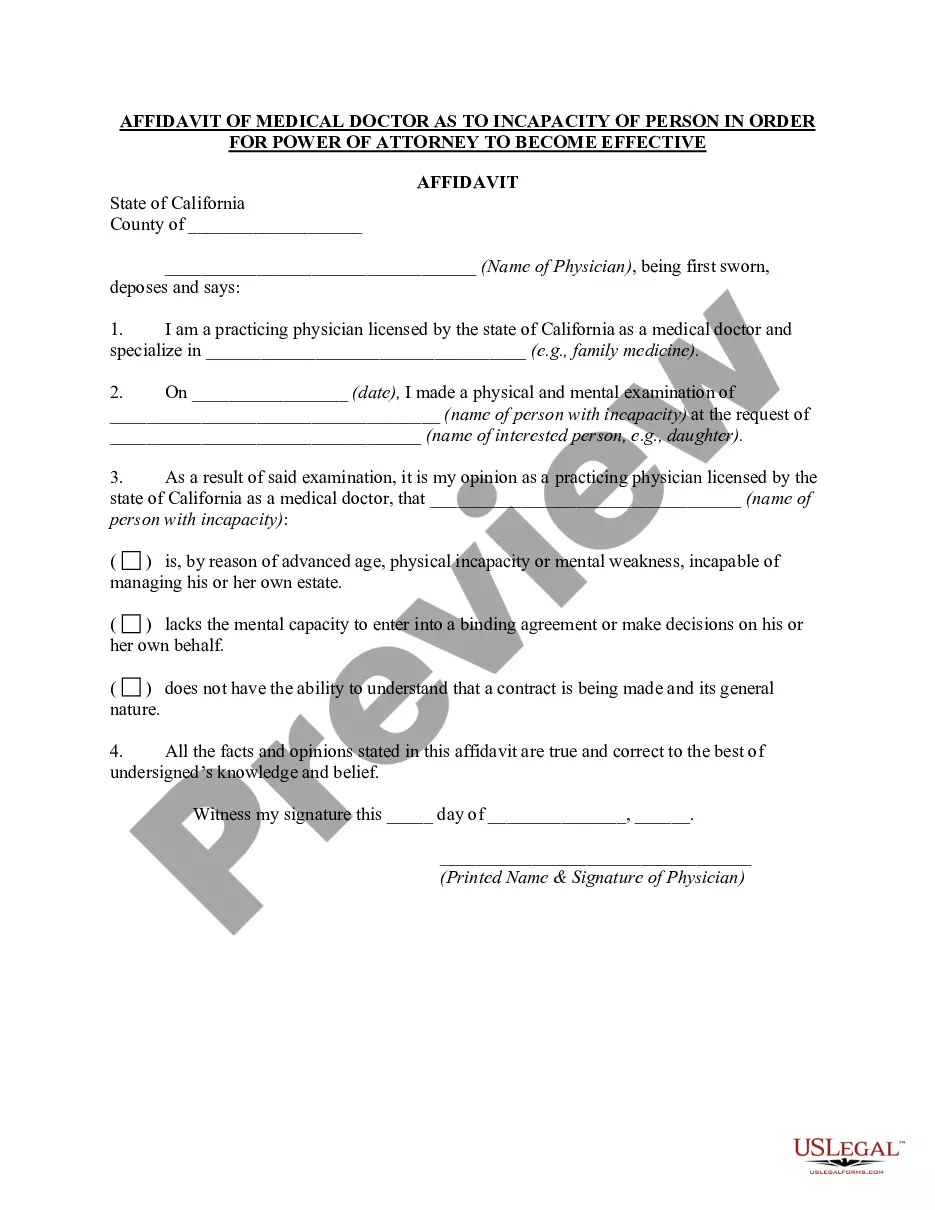
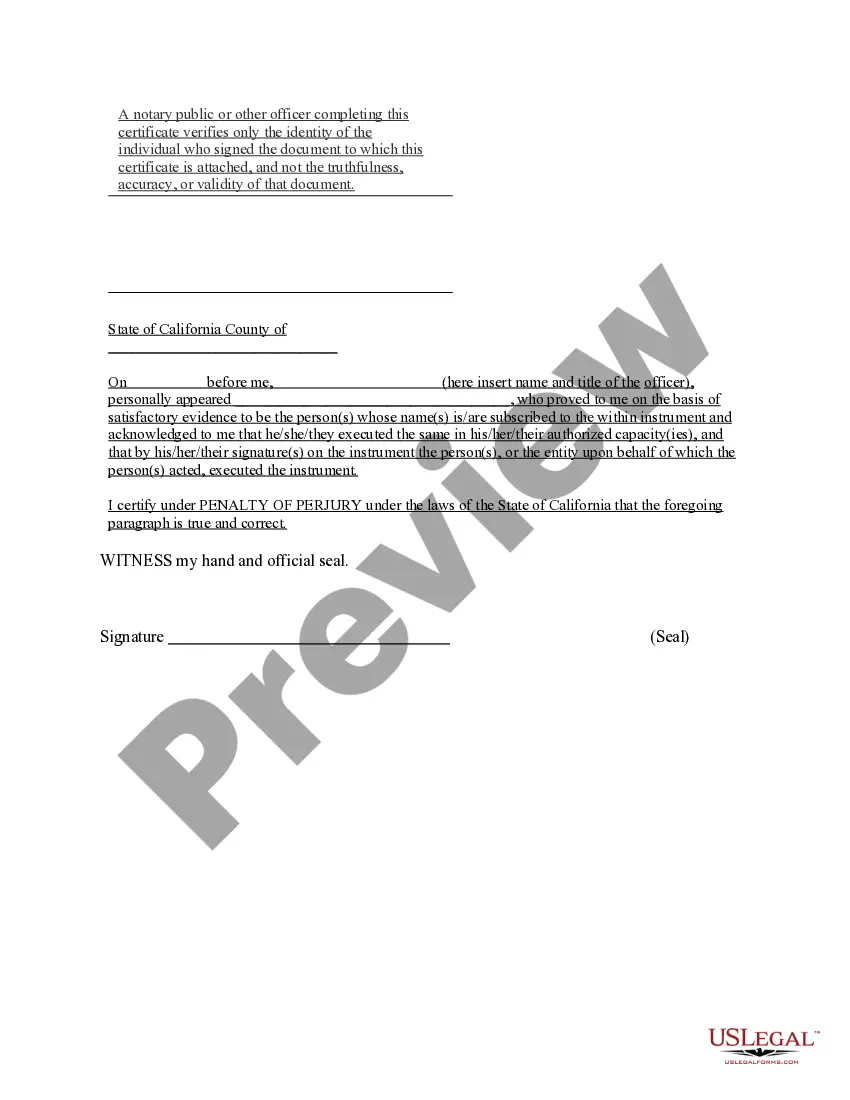
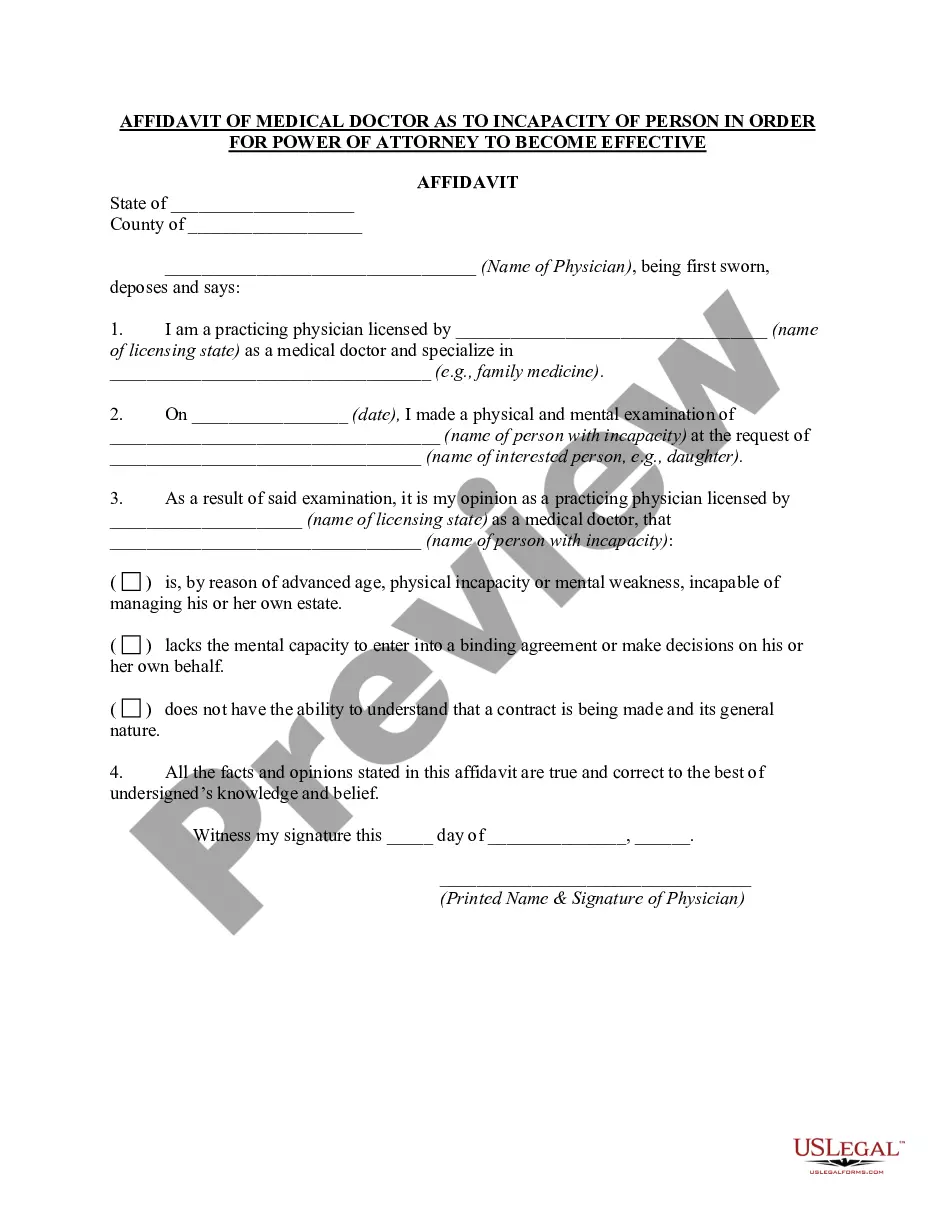
How to fill out California Affidavit Of Medical Doctor As To Incapacity Of Person In Order For Power Of Attorney To Become Effective?
The Healthcare Affidavit For Guardianship displayed on this website is a reusable legal document crafted by skilled attorneys in accordance with federal and state laws and regulations.
For over 25 years, US Legal Forms has offered individuals, organizations, and legal practitioners more than 85,000 verified, state-specific documents for any business and personal needs. It’s the fastest, simplest, and most trustworthy method to acquire the necessary documents, as the service ensures bank-grade data protection and anti-malware security.
Pick the format you desire for your Healthcare Affidavit For Guardianship (PDF, Word, RTF) and save the file on your device.
- Search for the document you require and examine it.
- Browse through the file you sought and preview it or verify the form description to ensure it meets your needs. If it doesn’t, utilize the search feature to find the appropriate one. Click Buy Now when you discover the template you need.
- Choose and Log In.
- Select the pricing plan that fits you and create an account. Use PayPal or a credit card for a swift transaction. If you already have an account, Log In and check your subscription to proceed.
- Obtain the editable template.
Form popularity
FAQ
In New York, guardianship rules dictate the legal framework for appointing a guardian. The court requires a medical affidavit for guardianship that explains the individual's restrictions and needs. This process includes evaluations and hearings to protect the individual’s rights. Understanding and adhering to these rules is essential for anyone seeking guardianship.
In Mississippi, guardianship involves a legal process where a court appoints an individual to make decisions for someone unable to do so due to medical or psychological reasons. This process typically requires a comprehensive medical affidavit for guardianship, outlining the person's condition. The court ensures that the appointed guardian acts in the best interest of the individual. It’s vital to follow all state laws to maintain compliance.
Filling out an affidavit for medical records involves providing accurate details about the individual in question and their medical condition. You must also include your relationship with the individual and your purpose for obtaining these records. It’s crucial to follow state-specific guidelines, as presented in the medical affidavit for guardianship. Ensure all sections are complete to avoid delays in processing.
To obtain medical guardianship, you must file a petition in the appropriate court. This process generally requires submitting specific documentation, including a medical affidavit for guardianship that outlines the individual's needs. After the court reviews your request, a hearing is scheduled. During this hearing, you will need to demonstrate your capability to provide the necessary care.
The primary difference between medical power of attorney (POA) and guardianship lies in the scope of authority. A medical POA allows someone to make healthcare decisions on behalf of another person while that person is still alive, whereas guardianship is a broader legal arrangement that grants decision-making power, especially when an individual cannot make choices independently. A medical affidavit for guardianship is essential when establishing guardianship. Understanding these distinctions can clarify your responsibilities.
Writing a notarized letter for guardianship involves creating a formal document that outlines your request for guardianship and its justification. Make sure to include your full information, the individual's details, and a declaration of your intent. Remember to have the letter notarized, as this adds legitimacy to your request. Utilizing templates from platforms like US Legal Forms can simplify this process significantly.
In Pennsylvania, guardianship involves a legal process where a court grants an individual the authority to make decisions for another person. The process starts with filing a petition, and a medical affidavit for guardianship is often included to validate the need for guardianship. After a thorough review, the court will rule on the application, considering the best interests of the incapacitated individual. Understanding these steps helps ensure responsible decision-making.
Acquiring medical guardianship requires a few essential steps. First, you need to complete the appropriate court forms, including a medical affidavit for guardianship, and file them with your local court. Providing evidence of the individual's incapacity and your suitability as a guardian is vital during this process. Ensure you follow local regulations to secure the guardianship effectively.
To obtain medical guardianship, you should first gather necessary documentation that outlines the need for guardianship. This typically involves filing a petition with the court, including your medical affidavit for guardianship that supports your case. You may also need to attend a court hearing where you'll demonstrate why guardianship is in the best interest of the person needing care. Each step is crucial to ensure a smooth process.
While it is not mandatory to hire an attorney to file for guardianship in Texas, having legal representation can simplify the process. An attorney can guide you through the complexities of the legal system and ensure that your medical affidavit for guardianship is filed correctly. Filing without an attorney might lead to misunderstandings or errors. Therefore, professional guidance can provide peace of mind.