Life Estate Deed With Remainder
Description
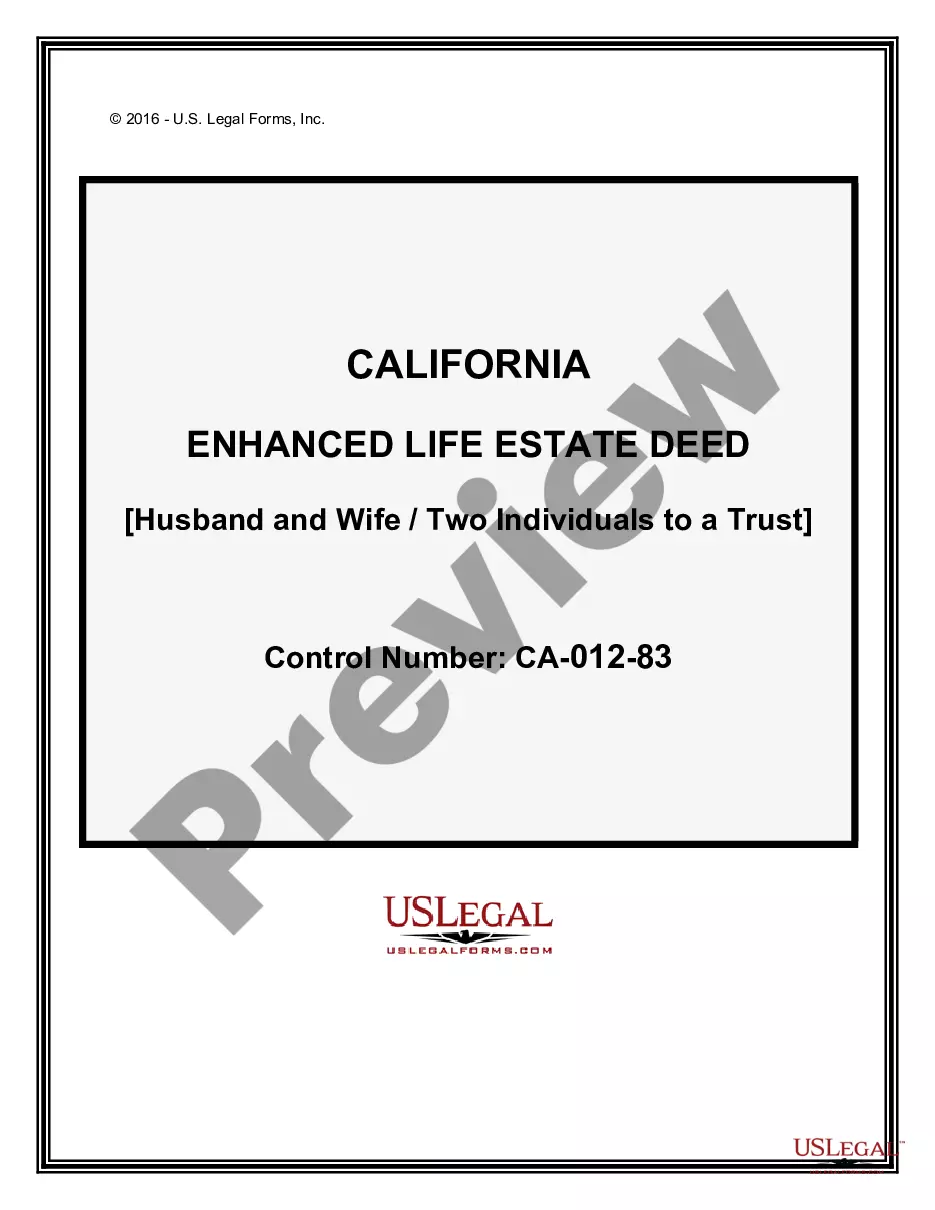
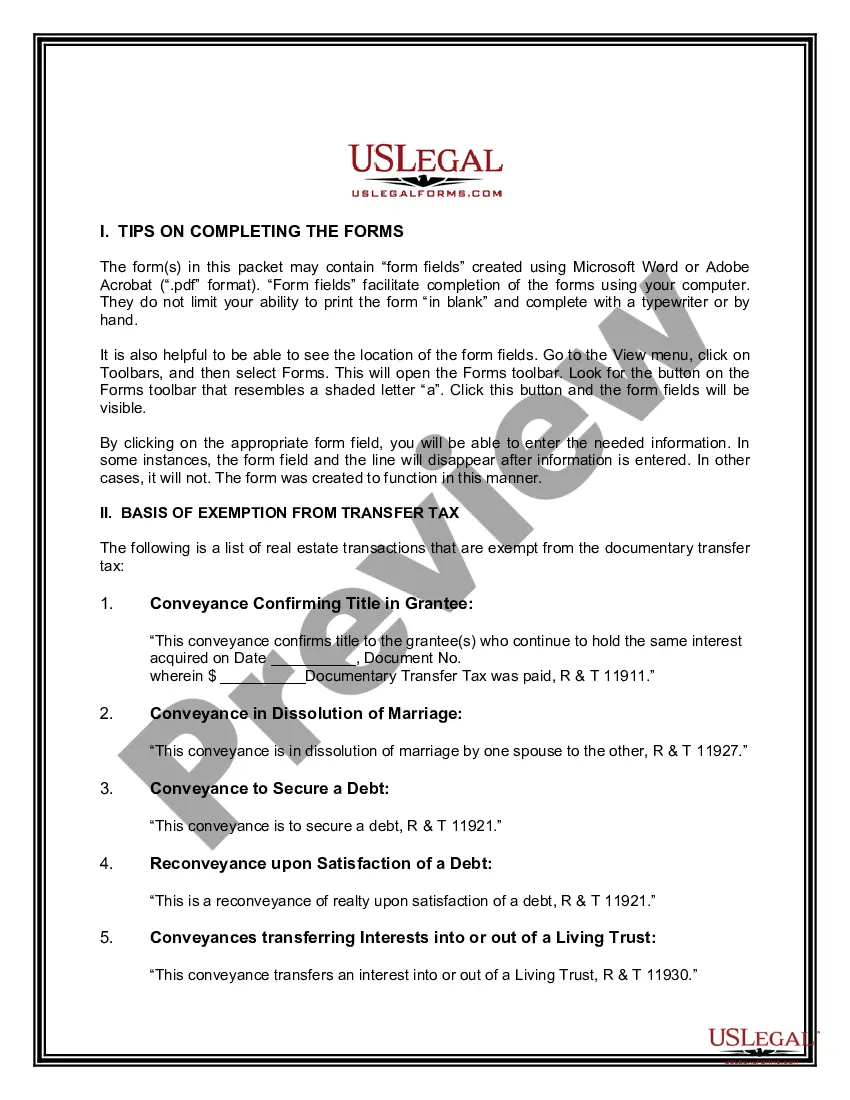
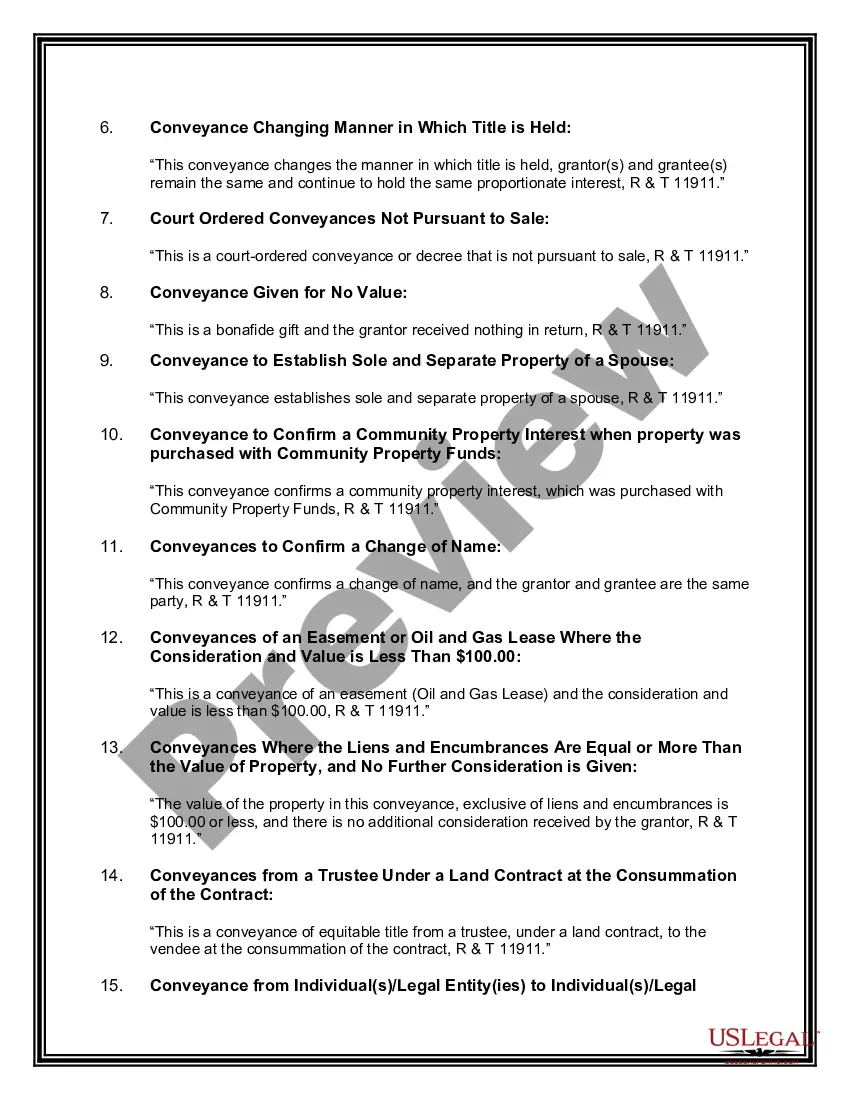
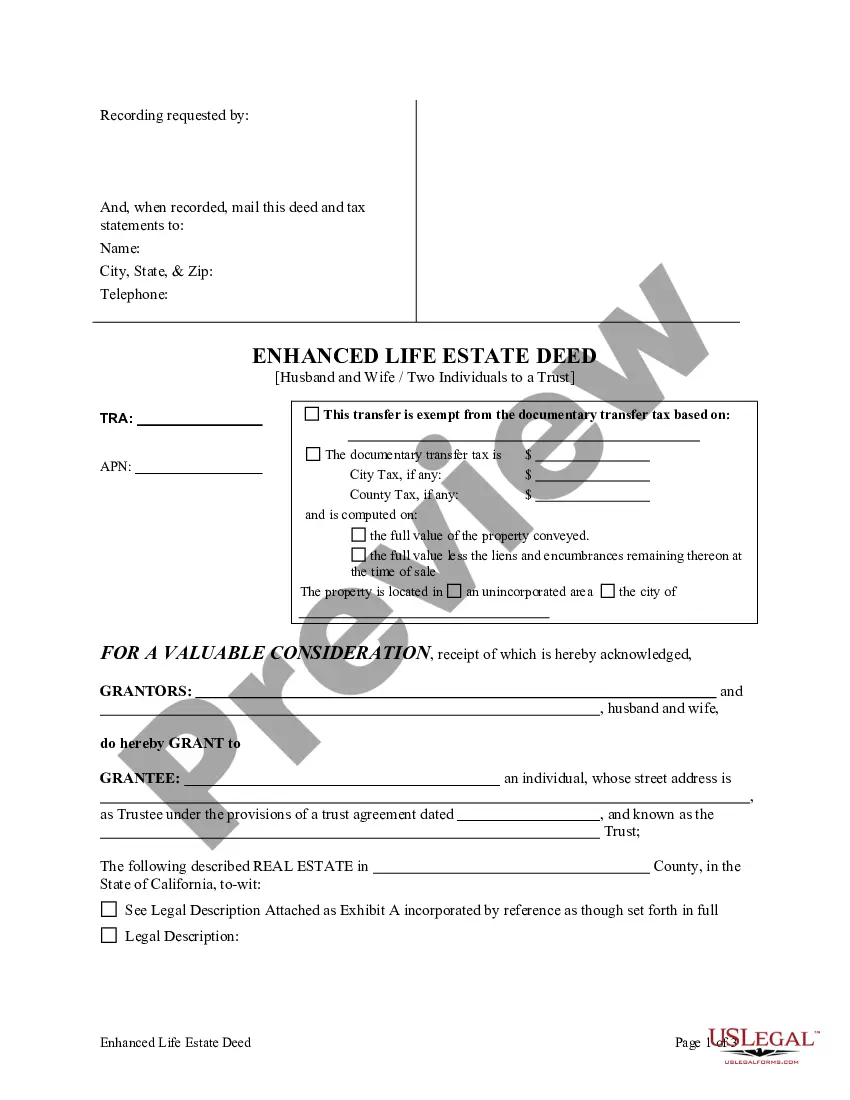
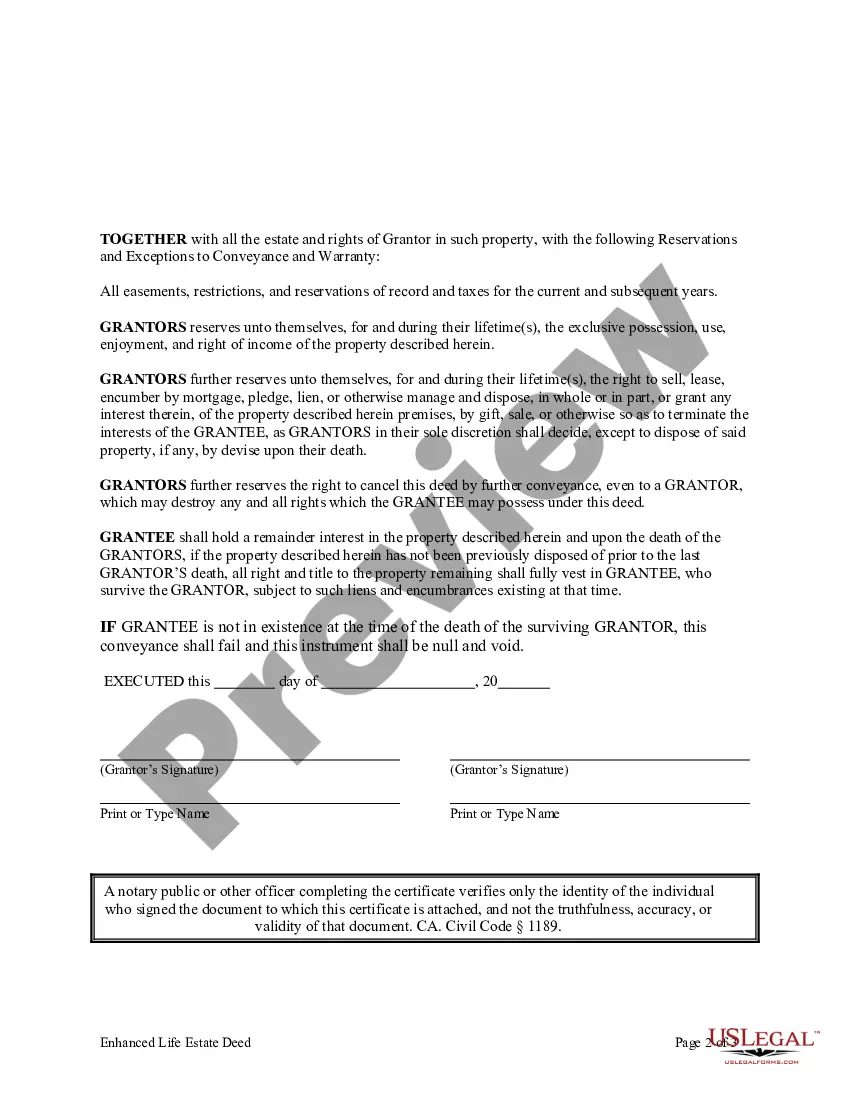
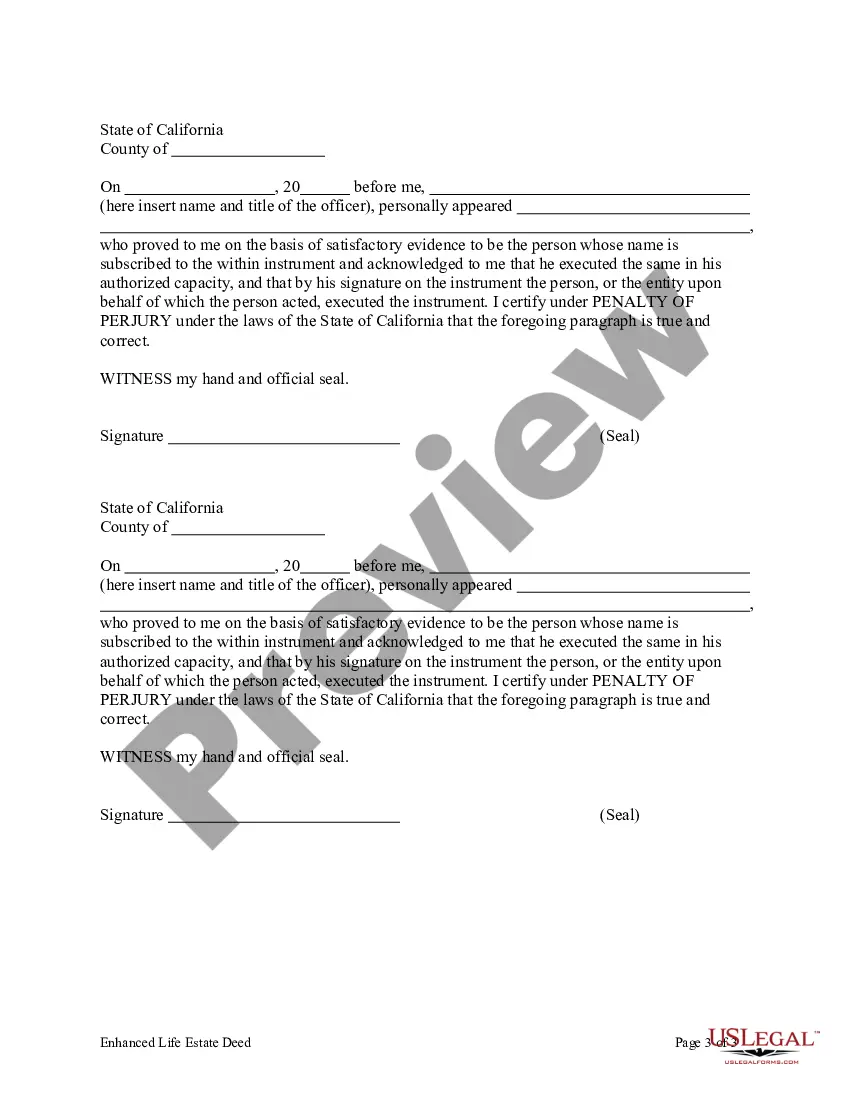
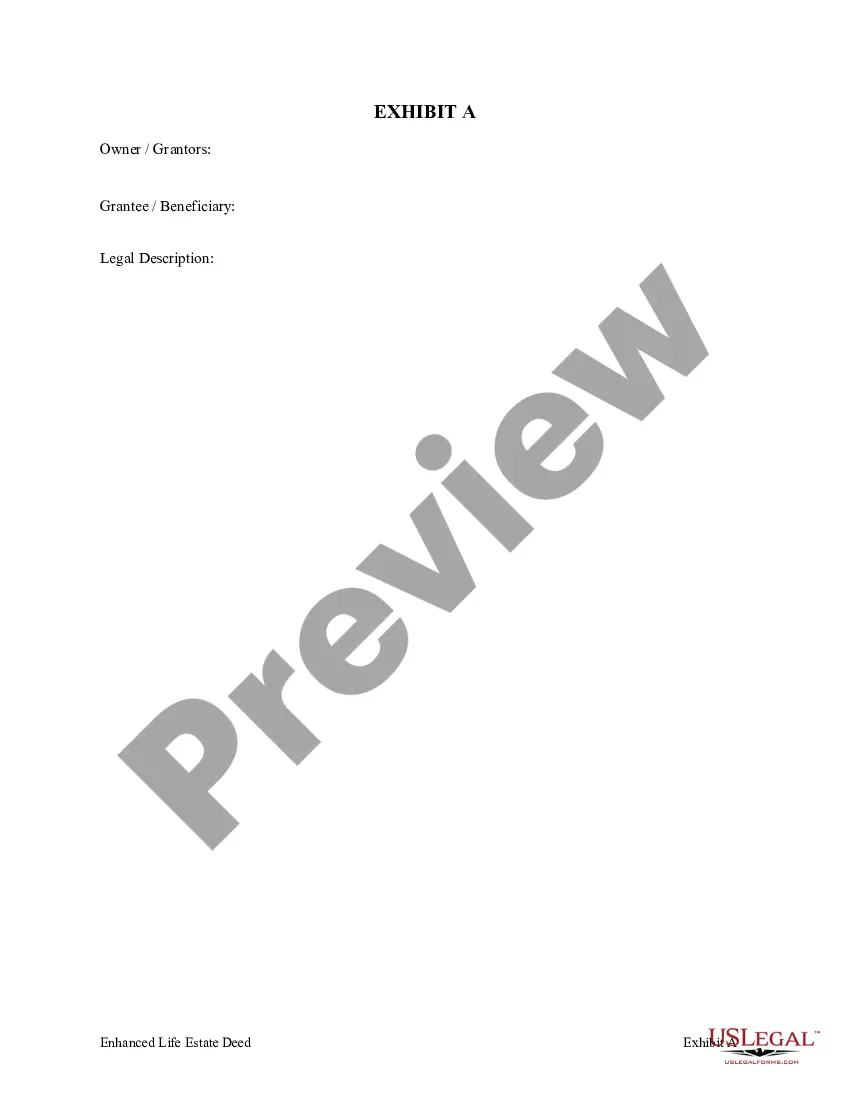

Get your form ready online
Our built-in tools help you complete, sign, share, and store your documents in one place.
Make edits, fill in missing information, and update formatting in US Legal Forms—just like you would in MS Word.
Download a copy, print it, send it by email, or mail it via USPS—whatever works best for your next step.
Sign and collect signatures with our SignNow integration. Send to multiple recipients, set reminders, and more. Go Premium to unlock E-Sign.
If this form requires notarization, complete it online through a secure video call—no need to meet a notary in person or wait for an appointment.
We protect your documents and personal data by following strict security and privacy standards.

Make edits, fill in missing information, and update formatting in US Legal Forms—just like you would in MS Word.

Download a copy, print it, send it by email, or mail it via USPS—whatever works best for your next step.

Sign and collect signatures with our SignNow integration. Send to multiple recipients, set reminders, and more. Go Premium to unlock E-Sign.

If this form requires notarization, complete it online through a secure video call—no need to meet a notary in person or wait for an appointment.

We protect your documents and personal data by following strict security and privacy standards.
Looking for another form?
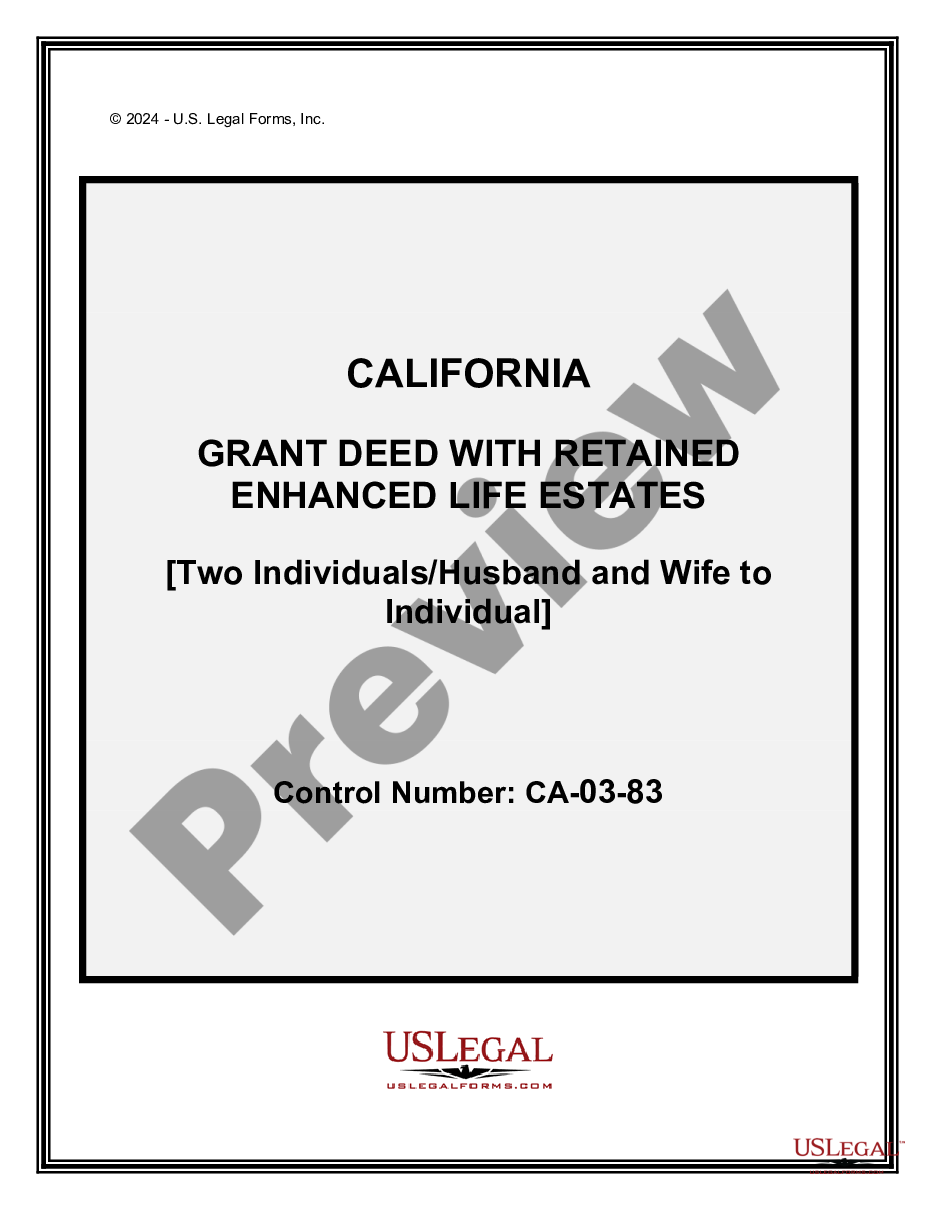
How to fill out California Enhanced Life Estate Deed From Husband And Wife, Or Two Individuals, To A Trust.?
What is the most reliable service to obtain the Life Estate Deed With Remainder and other current versions of legal documents? US Legal Forms is the solution!
It's the largest assortment of legal forms for any situation. Each template is expertly crafted and verified for adherence to federal and local laws. They are organized by field and state of use, making it simple to find the one you require.
US Legal Forms is an excellent choice for anyone needing to manage legal documents. Premium users receive additional benefits as they can complete and sign previously saved forms electronically at any time using the integrated PDF editing tool. Try it today!
- Experienced users of the website just need to Log In to the platform, verify their subscription status, and click the Download button next to the Life Estate Deed With Remainder to retrieve it.
- Once saved, the document is accessible for future reference within the My documents section of your account.
- If you are not yet registered with us, here are the steps to create an account.
- Form compliance review. Before you acquire any document, you must ensure it meets your usage requirements and complies with your state or county regulations. Review the form description and utilize the Preview if available.
Form popularity
FAQ
The remainder of the property is the portion that transfers to the named beneficiaries after a life estate deed with remainder takes effect. This includes any rights, uses, or interests in the property that are not held by the life tenant during their lifetime. Having a clear understanding of the remainder helps in effective estate management and planning. For personalized assistance, consider using US Legal Forms, which offers tools for creating and managing legal documents related to your estate.
In the context of a life estate deed with remainder, 'in remainder' refers to the future interest in property after the life tenant passes away. Essentially, once the life tenant’s right to use the property ends, the remainder interest allows the designated beneficiaries to take full ownership. This structure provides clarity about who will inherit the property, ensuring your wishes are respected. Understanding these terms can greatly simplify estate planning and asset distribution.
A life estate deed allows a property owner to transfer ownership while retaining the right to live in and use the property during their lifetime. Upon the owner’s death, the property automatically transfers to the named remainder beneficiaries without going through probate. This structure is highly beneficial, as it streamlines the transfer process and ensures clarity in ownership, making the life estate deed with remainder a practical choice.
In South Carolina, the person holding the life estate owns the property for their lifetime, while the remainder interest is held by another person or entity. This means that the life tenant can use and benefit from the property, but upon their passing, ownership transfers to the remainder holder. Hence, a life estate deed with remainder clearly defines these interests, protecting everyone involved.
An example of a remainder can be illustrated through a life estate deed with remainder that has clear instructions for future ownership. Imagine a scenario where a father gives his house to his wife as a life tenant, but specifies that their son will inherit it once she no longer needs it. This arrangement defines the remainder interest of the son, clearly outlining his future right to the property. Using legal services, like those available at USLegalForms, can help you draft such deeds effectively and accurately.
An indefeasibly vested remainder is a guarantee that the individual will receive the property without any conditions attached after the life tenant passes away. For instance, if a life estate deed with remainder names a specific person to inherit the property automatically upon the death of the life tenant, that person holds an indefeasibly vested remainder. This provides certainty of ownership and often leads to reduced familial discord over inheritance issues. Identifying this type of remainder can bring peace of mind in estate planning.
A property remainder is a legal concept that deals with the future interest in real estate. In the context of a life estate deed with remainder, the property remainder gives a designated individual rights to the property after the life tenant’s interest ends. This allows individuals to plan their estate effectively, ensuring that desired heirs receive the property without complications. Understanding how a property remainder functions can aid in avoiding disputes and ensuring smooth transitions.
A remainder of an estate refers to the future interest that will take effect after a life estate ends. For instance, when an individual creates a life estate deed with remainder, they allow another party to inherit the property after the life tenant passes away. This ensures a seamless transition of ownership and garners clarity regarding future rights. An example can be a scenario where a parent grants a property to their child for their lifetime, with a remainder interest going to the grandchild.
In Texas, the life tenant is generally responsible for paying property taxes on the property during their lifetime. This obligation is important because it ensures that the property remains in good standing and avoids any tax-related disputes. When drafting a life estate deed with remainder, the responsibilities, including tax obligations, should be clearly defined to maintain harmony between the life tenant and the remainderman.
In Texas, a remainderman does not own the property until the life tenant passes away. The remainderman has a future interest and rights to gain full ownership at that time. A life estate deed with remainder is a vital document to delineate these rights, giving clarity to both the life tenant and the remainderman regarding property ownership.