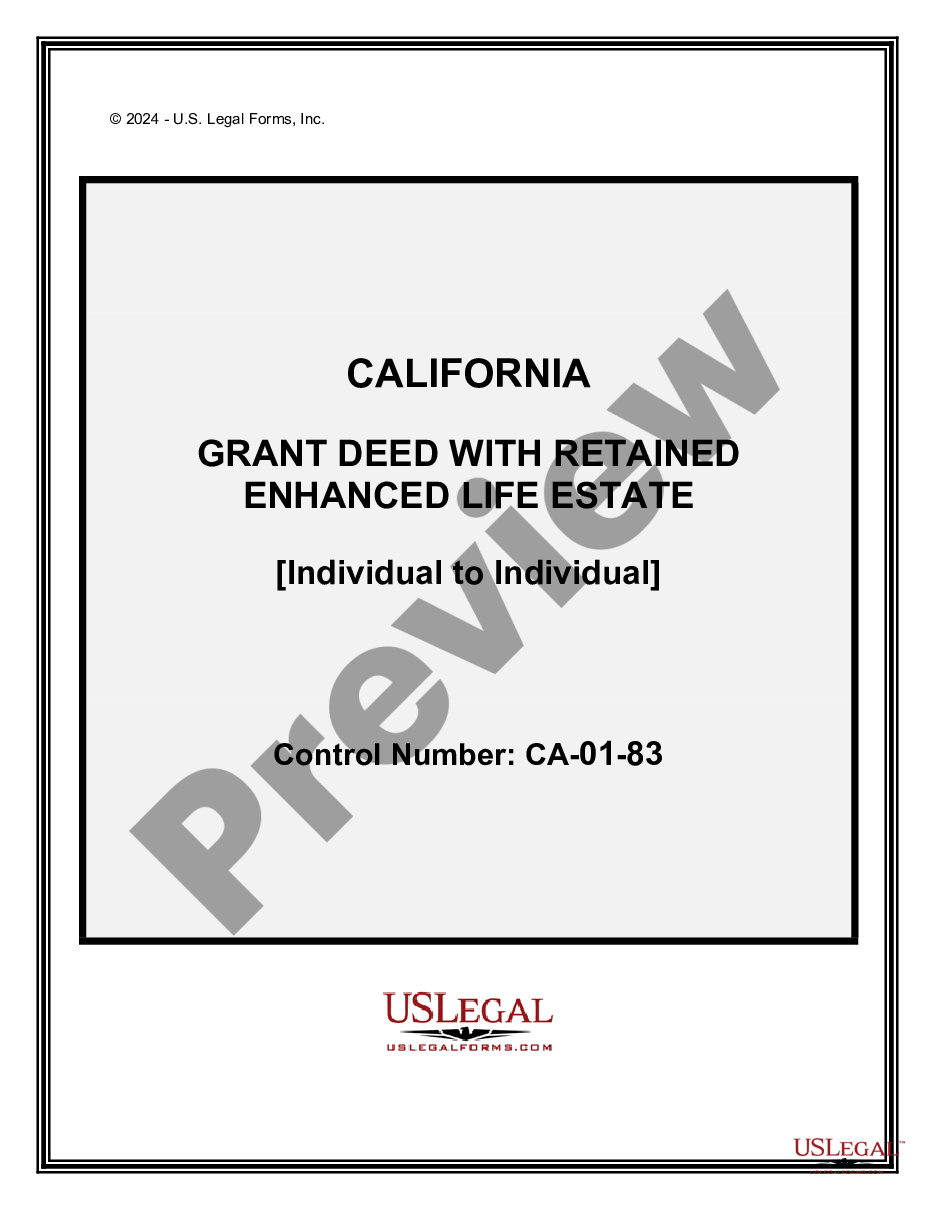
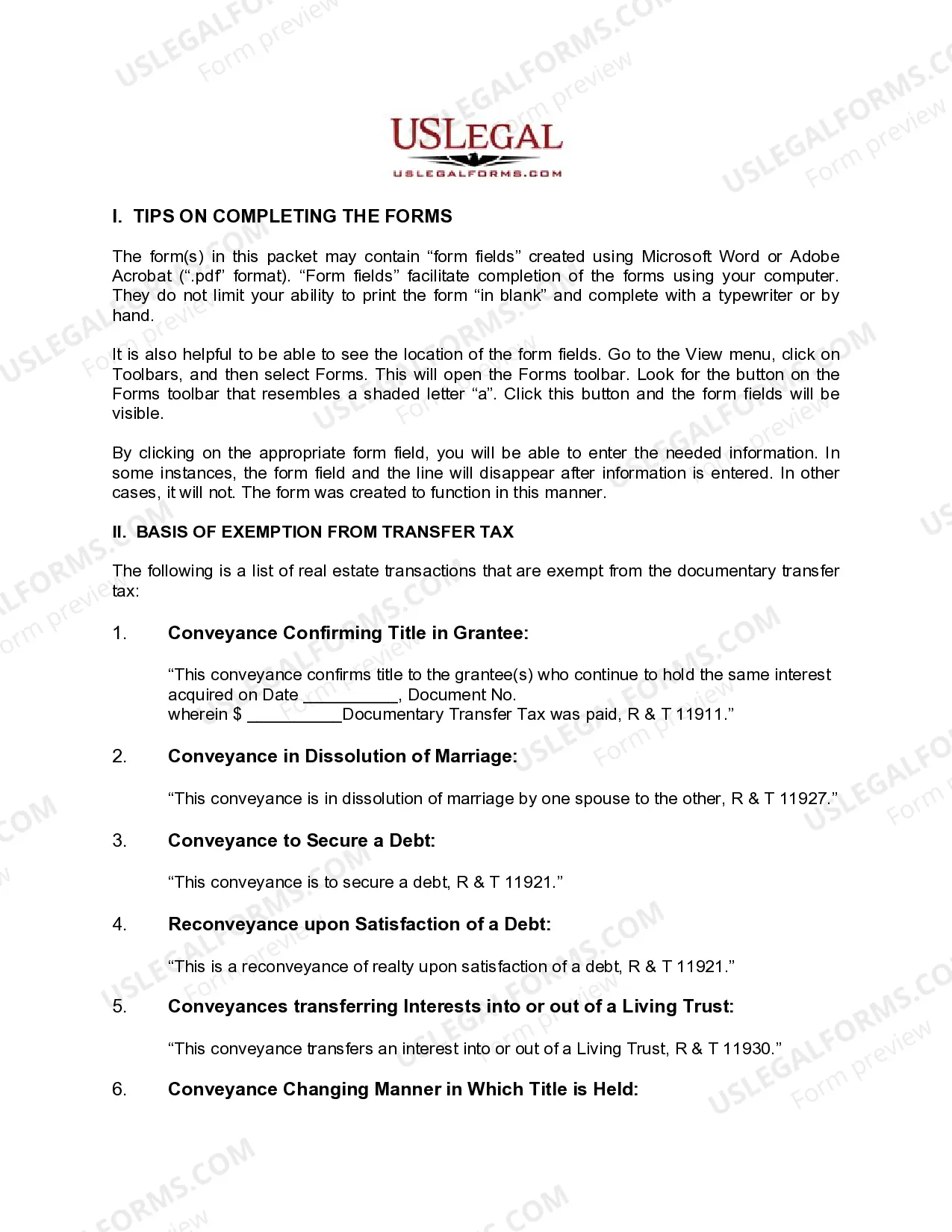
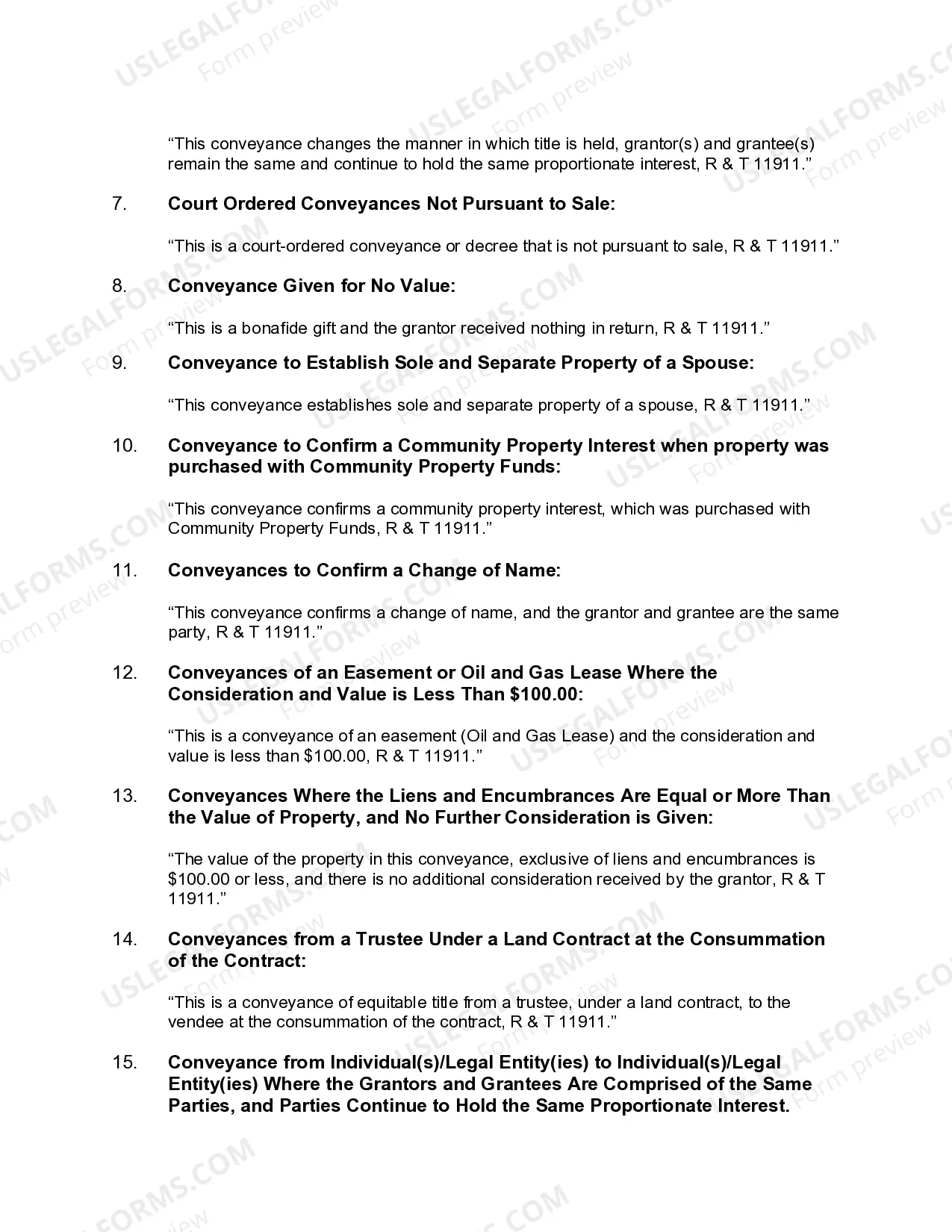
Enhanced Life Estate For The Elderly
Description


Get your form ready online
Our built-in tools help you complete, sign, share, and store your documents in one place.
Make edits, fill in missing information, and update formatting in US Legal Forms—just like you would in MS Word.
Download a copy, print it, send it by email, or mail it via USPS—whatever works best for your next step.
Sign and collect signatures with our SignNow integration. Send to multiple recipients, set reminders, and more. Go Premium to unlock E-Sign.
If this form requires notarization, complete it online through a secure video call—no need to meet a notary in person or wait for an appointment.
We protect your documents and personal data by following strict security and privacy standards.

Make edits, fill in missing information, and update formatting in US Legal Forms—just like you would in MS Word.

Download a copy, print it, send it by email, or mail it via USPS—whatever works best for your next step.

Sign and collect signatures with our SignNow integration. Send to multiple recipients, set reminders, and more. Go Premium to unlock E-Sign.

If this form requires notarization, complete it online through a secure video call—no need to meet a notary in person or wait for an appointment.

We protect your documents and personal data by following strict security and privacy standards.
Looking for another form?

How to fill out California Enhanced Life Or Lady Bird Estate Grant Deed From Individual To Individual?
- If you are a returning user, simply log in to your account and select the desired form template. Ensure your subscription is active; if not, renew it based on your payment plan.
- For first-time users, first check the Preview mode and form description to verify you have the correct document for your needs.
- If the current form does not meet your requirements, use the Search feature to find the right document that aligns with your local jurisdiction.
- After selecting the appropriate form, proceed to purchase it by clicking on the Buy Now button and choose your desired subscription plan. You will need to create an account to access the extensive library.
- Complete your purchase by entering your credit card information or using PayPal for payment.
- Once your transaction is complete, download the form to your device. You can always access it later in the My Forms section.
US Legal Forms offers a robust collection of forms, exceeding competitors in quantity and value. With over 85,000 fillable templates, users can be assured of finding the correct documentation.
Don't leave your estate planning to chance. Visit US Legal Forms today to access your needed documents efficiently.
Form popularity
FAQ
While life estate deeds offer benefits, they also have disadvantages that individuals should consider. One significant drawback is the loss of full control over the property, as remaindermen have a stake in it. Additionally, if the property appreciates significantly, the elderly may face capital gains taxes upon sale. For those weighing their options, checking resources like uslegalforms can provide valuable guidance on navigating these complexities.
An enhanced life estate is a legal arrangement that allows an elderly person to retain ownership of their home while designating beneficiaries, known as remaindermen. This setup provides the flexibility to sell or refinance the property during their lifetime. It also protects the property from being counted as an asset for Medicaid eligibility purposes, thus providing financial peace of mind for the elderly.
Several states allow enhanced life estate deeds, including Florida, Texas, and New York, among others. It's essential to check each state's specific laws and guidelines, as regulations can vary. For the elderly, understanding these nuances is crucial to utilize enhanced life estates effectively.
The two main types of life estates are conventional life estates and enhanced life estates. Conventional life estates grant rights to the property for the lifetime of the individual, but typically do not offer additional benefits. On the other hand, enhanced life estates provide more control and financial advantages, particularly for the elderly looking to manage their assets more effectively.
A life estate allows a person to live in a property until their death, while an enhanced life estate provides more benefits for the elderly. With an enhanced life estate, the individual retains control over the property and can sell or mortgage it without the consent of remaindermen. This structure also helps with Medicaid eligibility, making it particularly advantageous for the elderly.
Many individuals establish an enhanced life estate for the elderly to maintain ownership of their property while ensuring a smooth transfer of assets upon their death. This arrangement allows seniors to live in their homes without the worry of probate, while simultaneously granting ownership rights to their chosen beneficiaries. By doing so, they can simplify their estate planning and provide financial security to their loved ones. It serves as a proactive step toward safeguarding their legacy.
Creating an enhanced life estate for the elderly can have some disadvantages. One significant concern is that the property may not be fully accessible for sale or mortgage, as the life tenant retains certain rights until passing. Additionally, upon the death of the life tenant, the property automatically transfers to the remainder beneficiaries, potentially complicating estate planning for other heirs. It's essential to weigh these factors carefully.
Ladybird deeds, a type of enhanced life estate deed, are mainly available in states like Florida, Texas, Michigan, and West Virginia. They provide similar benefits by allowing property owners to retain control of their property until death, while also smoothening the transfer process upon passing. Using platforms like uslegalforms can help you understand and implement ladybird deeds effectively in states where they are available.
States that recognize enhanced life estate deeds include Florida, Michigan, and Texas, among others. Each state has specific guidelines that govern these deeds, so it is essential to review local laws for details. For elderly individuals navigating estate planning, understanding where these deeds apply can significantly impact their financial security.
One downside of a life estate is that the property cannot be easily sold or transferred without consent from all remainder beneficiaries, which can complicate financial decision-making. Additionally, once an owner passes away, the property automatically transfers to the designated beneficiaries, which may not align with future wishes or family dynamics. Understanding these limitations is crucial when considering enhanced life estates for the elderly.