Enhanced Life Estate Deed Example
Description
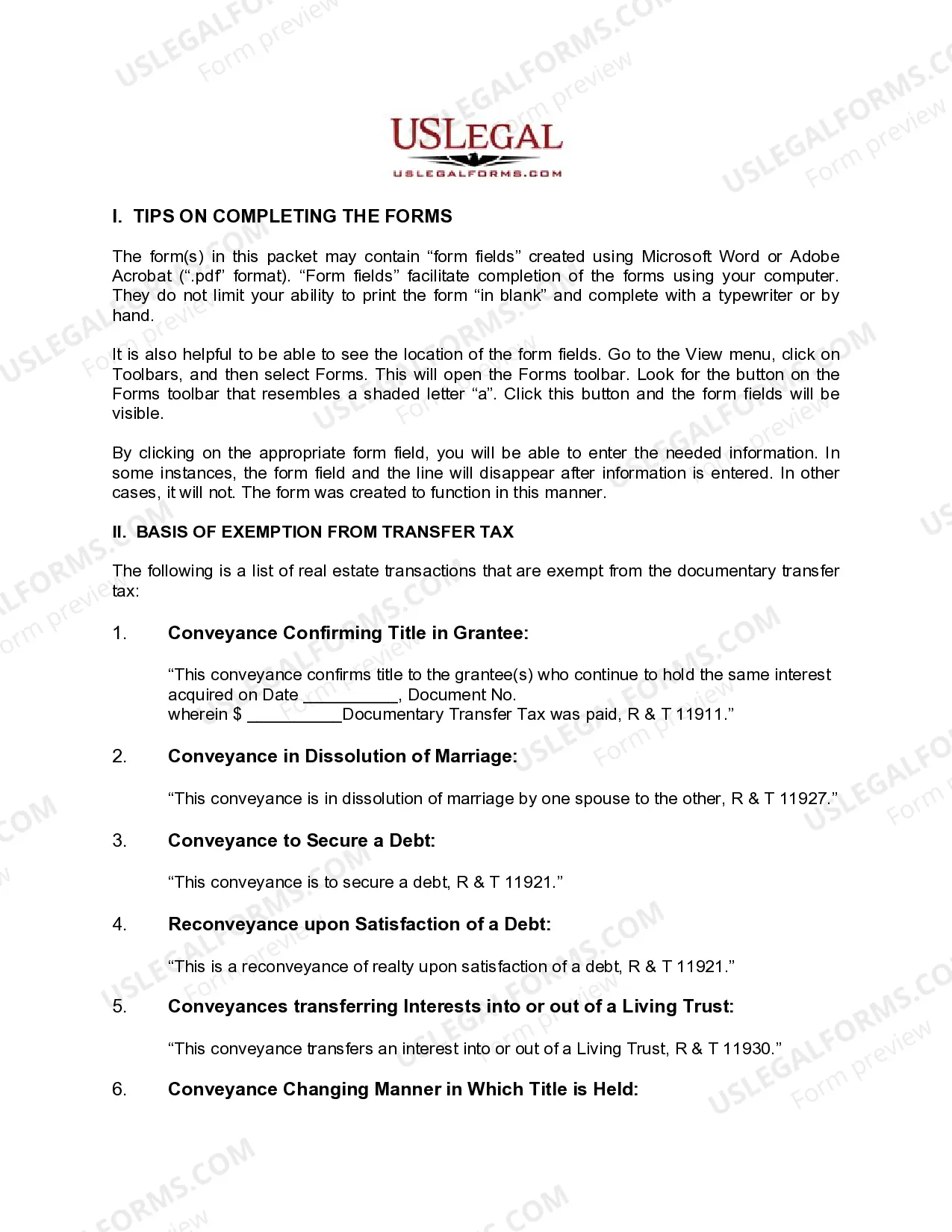
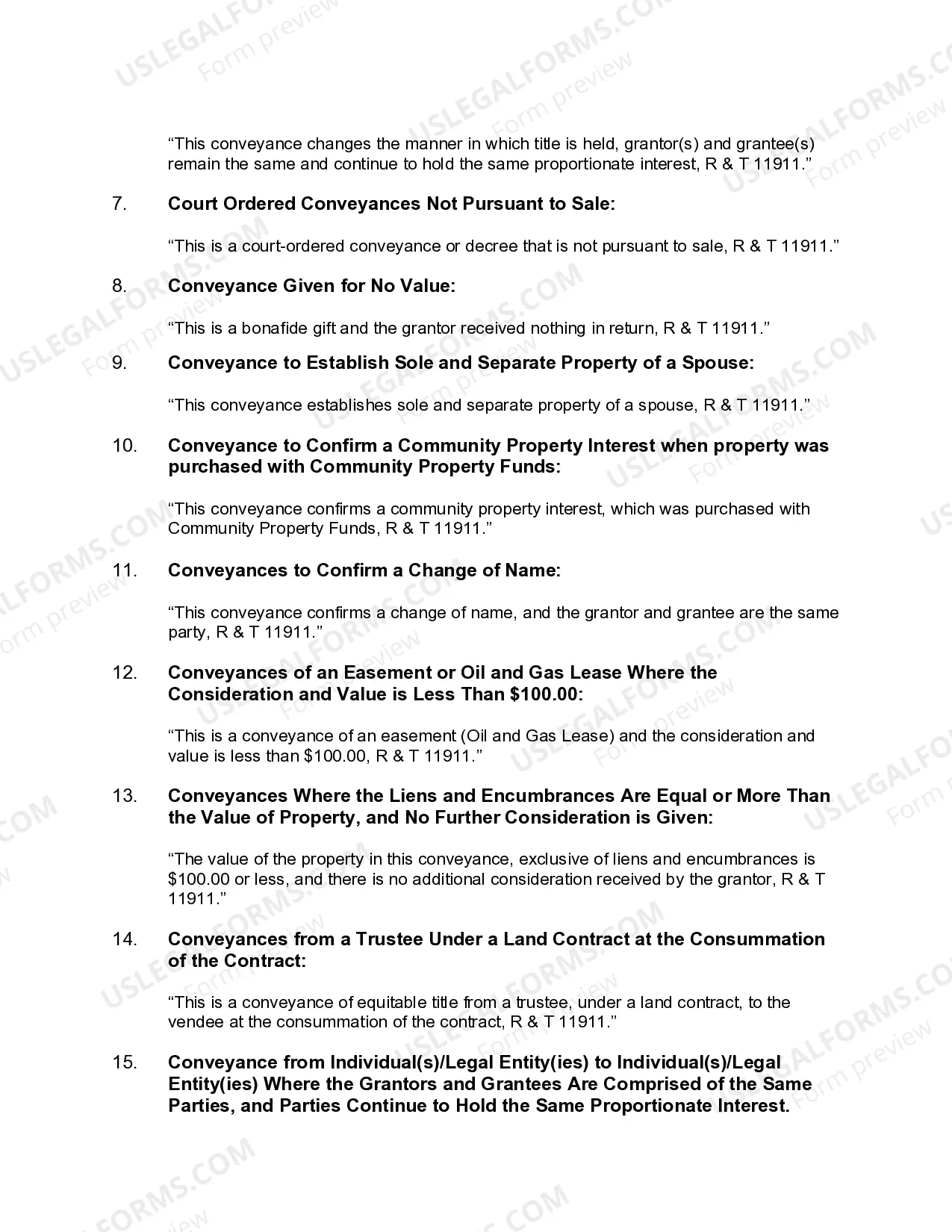


Get your form ready online
Our built-in tools help you complete, sign, share, and store your documents in one place.
Make edits, fill in missing information, and update formatting in US Legal Forms—just like you would in MS Word.
Download a copy, print it, send it by email, or mail it via USPS—whatever works best for your next step.
Sign and collect signatures with our SignNow integration. Send to multiple recipients, set reminders, and more. Go Premium to unlock E-Sign.
If this form requires notarization, complete it online through a secure video call—no need to meet a notary in person or wait for an appointment.
We protect your documents and personal data by following strict security and privacy standards.

Make edits, fill in missing information, and update formatting in US Legal Forms—just like you would in MS Word.

Download a copy, print it, send it by email, or mail it via USPS—whatever works best for your next step.

Sign and collect signatures with our SignNow integration. Send to multiple recipients, set reminders, and more. Go Premium to unlock E-Sign.

If this form requires notarization, complete it online through a secure video call—no need to meet a notary in person or wait for an appointment.

We protect your documents and personal data by following strict security and privacy standards.
Looking for another form?

How to fill out California Enhanced Life Or Lady Bird Estate Grant Deed From Individual To Individual?
- If you're returning to US Legal Forms, log into your account and download the desired form template by clicking the Download button. Confirm that your subscription remains active. If expired, renew it as per your payment plan.
- For first-time users, begin by browsing the Preview mode to review the form description. Ensure that the selected form aligns with your needs and complies with local jurisdiction requirements.
- If necessary, utilize the Search tab to identify alternative templates. If you notice any discrepancies, be proactive in finding the correct form before proceeding.
- To purchase, click the Buy Now button and select your preferred subscription plan. An account registration is required for access to all library resources.
- Complete your purchase by entering payment details via credit card or PayPal. Ensure your subscription is activated to proceed.
- Lastly, download the completed form to your device, and access it anytime through the My Forms section in your profile.
By leveraging US Legal Forms, you can easily access a diverse collection of legal documents, surpassing competitors in both quantity and quality. With over 85,000 fillable and editable forms, you can trust that you'll find the right document.
Accelerate your legal documentation process today. Start at US Legal Forms and ensure your forms are accurately filled with the assistance of premium experts.
Form popularity
FAQ
Yes, it is possible to undo a life estate deed under certain circumstances. The life tenant and the remainderman can mutually agree to terminate the deed. However, specific legal steps must be followed to ensure the dissolution is valid. Exploring an enhanced life estate deed example can help you navigate this process effectively.
A life estate clause often states that the property owner retains the right to use and enjoy the property during their lifetime. For instance, a clause may read, 'I grant my home to my children, but I retain a life estate.' Understanding such clauses can make estate planning easier. Reviewing an enhanced life estate deed example will illustrate how these clauses function.
Generally, a will cannot override a life estate deed. The terms of a life estate deed typically take precedence, ensuring that property transfers occur as intended. However, it is essential to structure both documents carefully to avoid conflicts. An enhanced life estate deed example can help you understand these distinctions better.
A life estate deed can supersede a will in terms of property distribution. When you create a life estate deed, the property automatically transfers to the designated beneficiaries upon the death of the life tenant. This often occurs outside of probate, making it an effective estate planning tool. Reviewing an enhanced life estate deed example can provide further insight on how this works.
Yes, you can sell a property with a life estate deed. However, the life tenant retains the right to live in the property during their lifetime. The buyer will need to understand that ownership will transfer only upon the life tenant's passing. For those considering this situation, an enhanced life estate deed example can clarify ownership rights.
The best deed to avoid probate typically is the enhanced life estate deed. This deed enables you to transfer property to your beneficiaries while still enjoying full control over it during your life. By reviewing an enhanced life estate deed example, you can see how this strategy can effectively sidestep the lengthy probate process, making it easier for your loved ones to inherit your property.
An enhanced life estate deed allows you to retain ownership of your property during your lifetime while designating beneficiaries who will inherit the property after your death. This type of deed is beneficial because it avoids the probate process, ensuring your heirs receive the property more quickly and easily. For a clear understanding, consider exploring an enhanced life estate deed example, which illustrates how this powerful tool works to simplify estate planning.
You can create your own lady bird deed, but it is important to understand the legal requirements involved. An enhanced life estate deed example typically must meet specific state criteria to be valid. Mistakes in the wording or execution of the deed can lead to issues later on. Using a platform like USLegalForms can simplify this process, providing you with templates and guidance to ensure that your deed is legally sound.
Determining whether a lady bird deed or a trust is better depends on your specific circumstances. While an enhanced life estate deed example allows property transfer without going through probate, trusts provide broader management options for assets. Trusts can also offer more privacy and protection from creditors. Therefore, consider your needs carefully and consult with an estate planning attorney to make the best choice.
One disadvantage of a lady bird deed is that it can complicate property transfer if there are disputes among beneficiaries. If you use an enhanced life estate deed example, you may find that not all heirs agree on how the property should be managed. Additionally, this type of deed can affect eligibility for certain government benefits such as Medicaid. Thus, consult a legal expert to ensure it aligns with your estate planning goals.