Az Inheritance Without A Will
Description
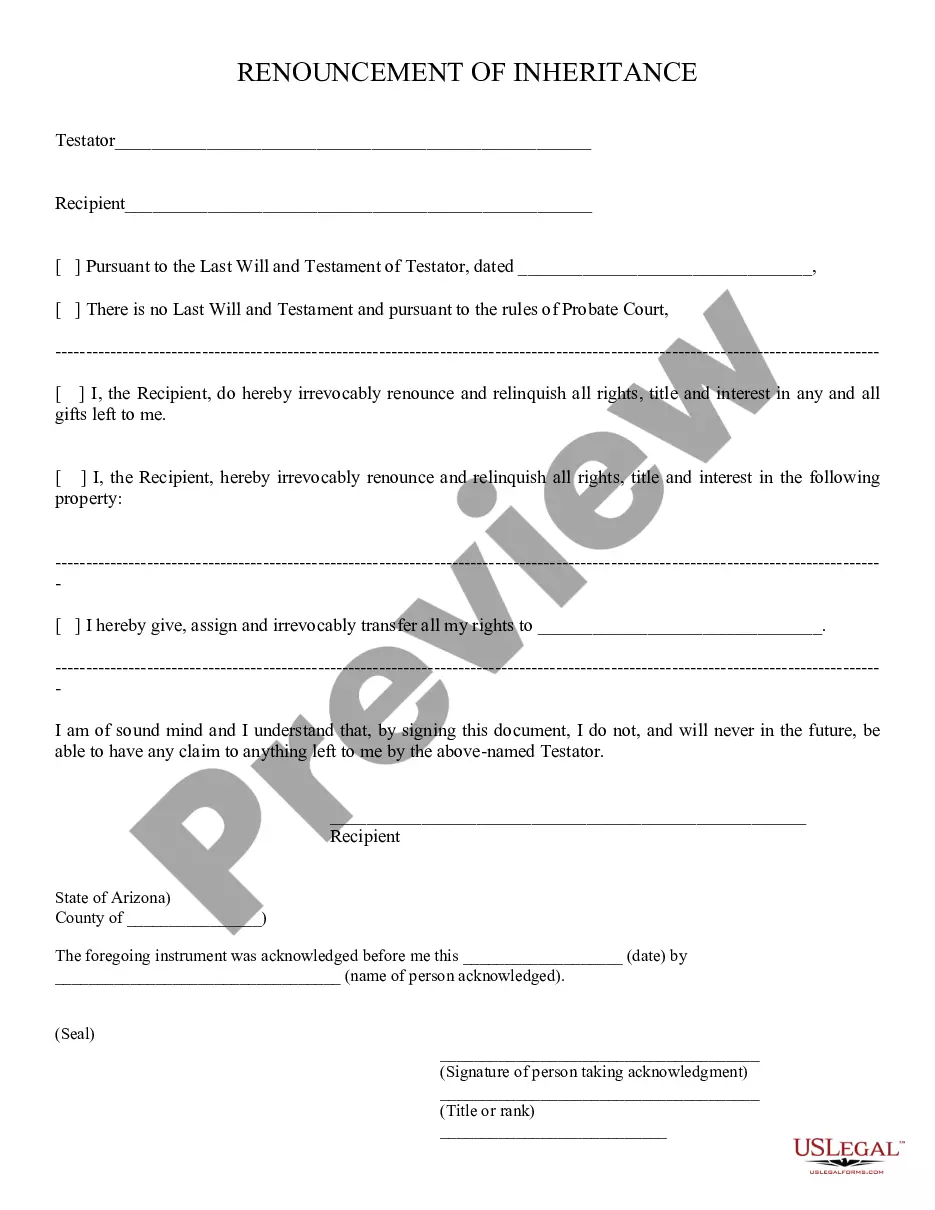

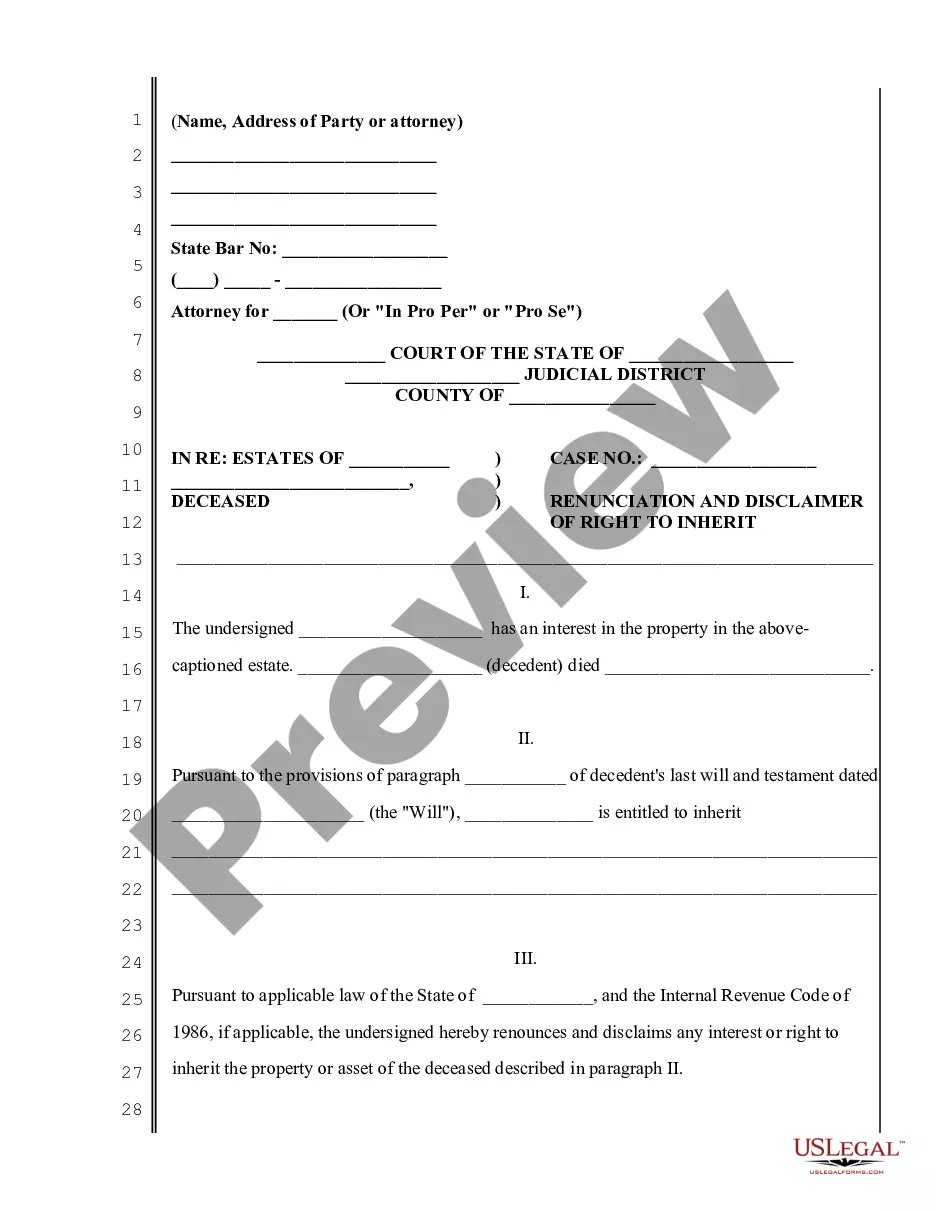
Get your form ready online
Our built-in tools help you complete, sign, share, and store your documents in one place.
Make edits, fill in missing information, and update formatting in US Legal Forms—just like you would in MS Word.
Download a copy, print it, send it by email, or mail it via USPS—whatever works best for your next step.
Sign and collect signatures with our SignNow integration. Send to multiple recipients, set reminders, and more. Go Premium to unlock E-Sign.
If this form requires notarization, complete it online through a secure video call—no need to meet a notary in person or wait for an appointment.
We protect your documents and personal data by following strict security and privacy standards.

Make edits, fill in missing information, and update formatting in US Legal Forms—just like you would in MS Word.

Download a copy, print it, send it by email, or mail it via USPS—whatever works best for your next step.

Sign and collect signatures with our SignNow integration. Send to multiple recipients, set reminders, and more. Go Premium to unlock E-Sign.

If this form requires notarization, complete it online through a secure video call—no need to meet a notary in person or wait for an appointment.

We protect your documents and personal data by following strict security and privacy standards.
Looking for another form?



How to fill out Arizona Renouncement Of Inheritance?
Managing legal documents and procedures can be a lengthy addition to your daily routine.
Forms like Az Inheritance Without A Will typically necessitate searching for them and comprehending the optimal way to fill them out accurately.
Thus, if you are handling financial, legal, or personal issues, utilizing a comprehensive and user-friendly online directory of documents at your disposal will be extremely beneficial.
US Legal Forms is the leading online platform for legal templates, boasting over 85,000 state-specific documents and a variety of resources to assist you in completing your paperwork with ease.
Is this your first experience with US Legal Forms? Register and create an account in a matter of minutes to gain access to the document library and Az Inheritance Without A Will. Then, follow the steps below to complete your document.
- Browse through the catalog of relevant documents available to you with just a single click.
- US Legal Forms provides you with state- and county-specific documents accessible at any time for download.
- Secure your document management processes with a premium service that allows you to prepare any document within minutes without incurring extra or hidden charges.
- Simply Log In to your account, locate Az Inheritance Without A Will, and download it immediately from the My documents section.
- You can also retrieve previously downloaded documents.
Form popularity
FAQ
If a person dies in Arizona without a will, their estate is subject to intestacy laws, which govern AZ inheritance without a will. The court will appoint a personal representative to manage the estate and distribute assets according to the established hierarchy of heirs. This process can take time, but it ensures that the estate is settled fairly among eligible family members. Engaging with platforms like US Legal Forms can make this process more manageable for you.
Claiming an inheritance without a will in Arizona involves a few essential steps. First, you must file a petition with the probate court to initiate the process. Then, the court will determine the rightful heirs based on Arizona's intestacy laws. Utilizing resources like US Legal Forms can simplify this process, helping you gather necessary documents and navigate the legal requirements.
When someone passes away without a will in Arizona, the state's intestacy laws dictate the distribution of assets. Typically, the surviving spouse and children are primary beneficiaries of the estate. If no immediate family exists, the inheritance may pass to parents, siblings, or other relatives. This process falls under AZ inheritance without a will, ensuring fair distribution according to state law.
In Arizona, the order of inheritance follows a clear path when dealing with AZ inheritance without a will. First, the estate goes to the surviving spouse. If there is no spouse, children are next in line, followed by parents, siblings, and then more distant relatives. Understanding this order can help you navigate the estate distribution process more smoothly.
In Arizona, when a person passes away without a will, the state's intestacy laws dictate who receives their inheritance. Typically, assets will go first to the surviving spouse and children. If there are no surviving spouse or children, the inheritance may pass to parents, siblings, or other relatives. It's important to understand these rules, as navigating AZ inheritance without a will can be complex, and platforms like US Legal Forms can provide the necessary resources and guidance.
It is important to make a will because: if you die without a will, there are certain rules which dictate how the money, property or possessions should be allocated. This may not be the way that you would have wished your money and possessions to be distributed.
If you are survived by descendants but no spouse, your descendants will inherit all of your estate. If you die with no surviving spouse or descendants, your parents will inherit all of your estate. If you die with no surviving spouse, descendants or parents, your siblings will inherit all of your estate.
In Arizona, living wills are also known as advance directives. Do you need a last will and testament? Although a last will and testament is not legally required, without a will, state laws (called laws of intestacy) will determine the distribution of the deceased's assets.
If there is no surviving partner, the children of a person who has died without leaving a will inherit the whole estate. This applies however much the estate is worth. If there are two or more children, the estate will be divided equally between them.
If you are survived by descendants but no spouse, your descendants will inherit all of your estate. If you die with no surviving spouse or descendants, your parents will inherit all of your estate. If you die with no surviving spouse, descendants or parents, your siblings will inherit all of your estate.