Fshs Washington
Description
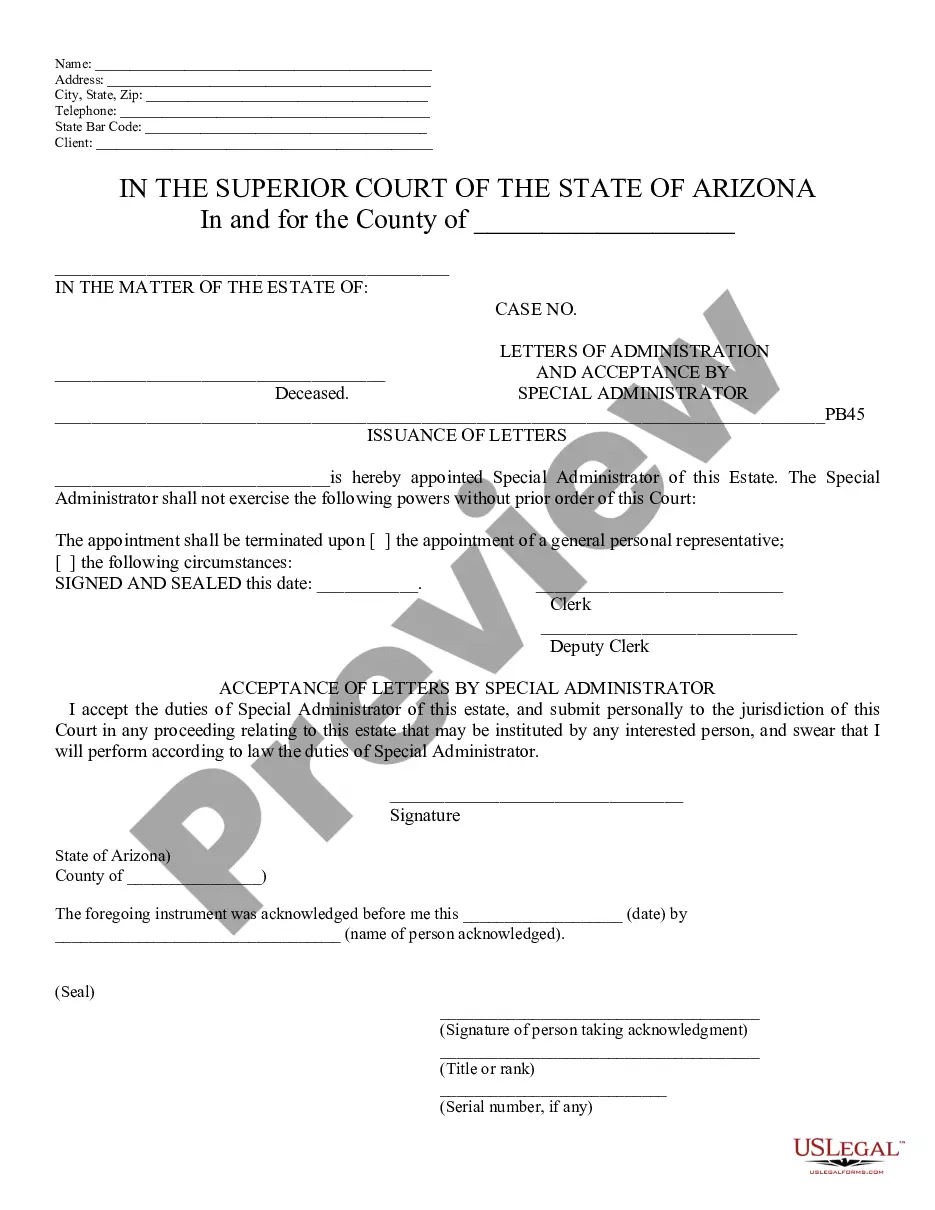
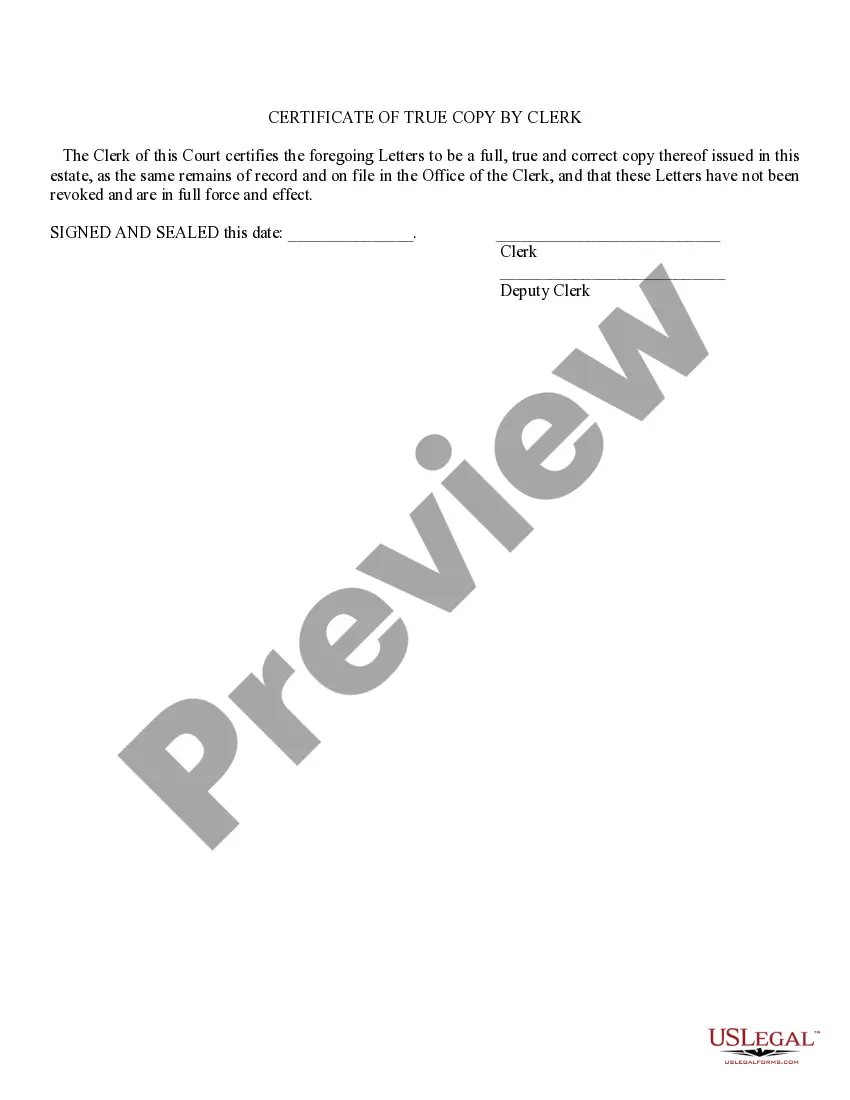
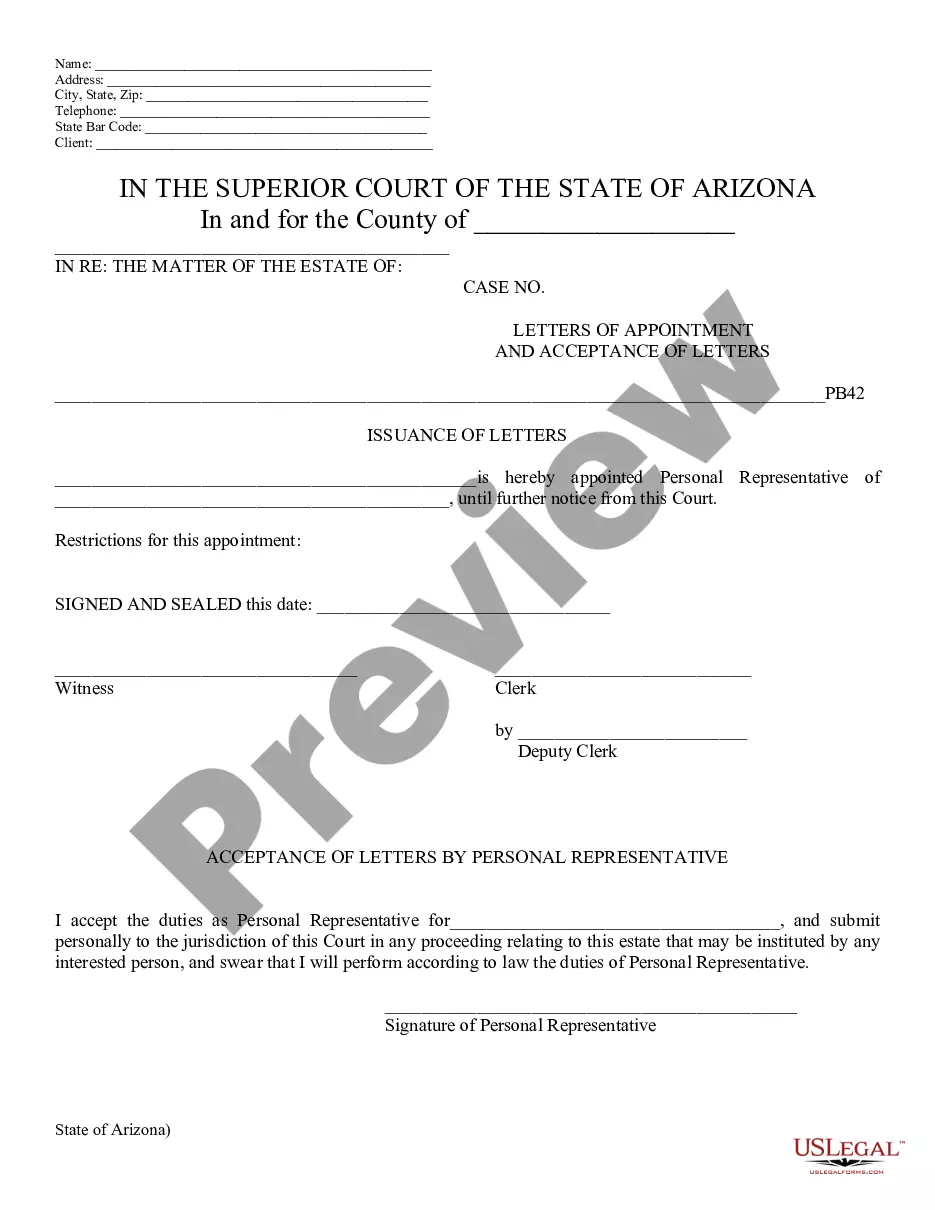
Get your form ready online
Our built-in tools help you complete, sign, share, and store your documents in one place.
Make edits, fill in missing information, and update formatting in US Legal Forms—just like you would in MS Word.
Download a copy, print it, send it by email, or mail it via USPS—whatever works best for your next step.
Sign and collect signatures with our SignNow integration. Send to multiple recipients, set reminders, and more. Go Premium to unlock E-Sign.
If this form requires notarization, complete it online through a secure video call—no need to meet a notary in person or wait for an appointment.
We protect your documents and personal data by following strict security and privacy standards.

Make edits, fill in missing information, and update formatting in US Legal Forms—just like you would in MS Word.

Download a copy, print it, send it by email, or mail it via USPS—whatever works best for your next step.

Sign and collect signatures with our SignNow integration. Send to multiple recipients, set reminders, and more. Go Premium to unlock E-Sign.

If this form requires notarization, complete it online through a secure video call—no need to meet a notary in person or wait for an appointment.

We protect your documents and personal data by following strict security and privacy standards.
Looking for another form?
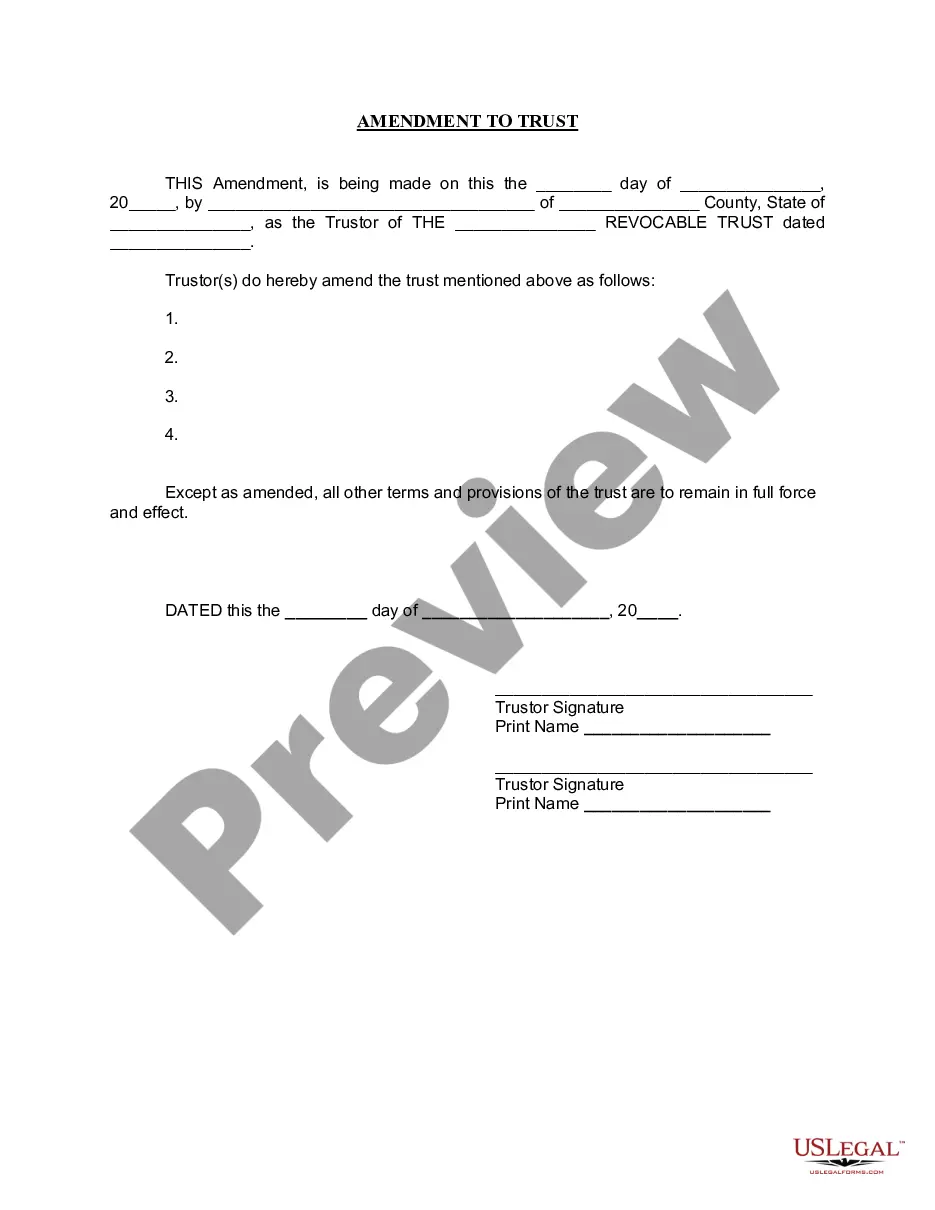








How to fill out Arizona Letters Of Administration And Acceptance By Special Administrator?
- For returning users, log into your account and ensure your subscription is current. Download the desired form template by clicking the Download button.
- If you're new to the service, start by previewing the form descriptions to ensure they fit your specific needs and comply with local jurisdiction requirements.
- If necessary, utilize the Search function to explore other templates that might better meet your criteria.
- Once you’ve located the correct form, click on the Buy Now button to select your preferred subscription plan and create an account for access to the full library.
- Proceed to checkout by entering your credit card details or using a PayPal account for payment.
- Finally, download your selected form to your device. You can revisit and access it any time through the My Forms section of your profile.
In conclusion, US Legal Forms is designed to empower users by providing the tools needed for efficient legal documentation. With over 85,000 easy-to-fill forms and access to expert assistance, you can ensure your documents are both accurate and valid.
Start your journey today with US Legal Forms to streamline your legal documentation process!
Form popularity
FAQ
To fill out a Washington state title, start by ensuring you have the correct title form for your vehicle type. Fill in all required sections, ensuring that the buyer’s and seller’s names, addresses, and vehicle details are clear and complete. You must sign the title in the appropriate section to validate the transfer. For assistance, visit US Legal Forms to find templates and resources that walk you through this process step by step.
When selling privately, you should complete the title by including both your name and the buyer's in the designated areas. Don’t forget to provide the date of sale and list the vehicle's VIN. Additionally, the odometer reading must be accurately filled in, as this protects both parties during the sale. For clarity and to make the process smoother, utilize US Legal Forms, which offers guides for such transactions.
In Washington state, both the buyer and seller do not necessarily need to be present for a title transfer. A seller can complete and sign the title form beforehand, allowing the buyer to finalize the transfer at a later time. However, both parties should ensure that all required information is accurate and complete to avoid any issues during registration. Considering the nuances of title transfers, using resources like US Legal Forms can be beneficial.
Filling out a Washington title involves writing your information in the correct sections, including the buyer's and seller's names, addresses, and the vehicle details. You'll need to include the vehicle identification number (VIN) and the sale date. Always double-check that you complete all required fields to avoid delays in processing. If you find this task daunting, US Legal Forms offers templates that can guide you through the process with ease.
In Washington, the title requires signatures from the seller and the buyer to facilitate the transfer of ownership. Additionally, the odometer reading must be provided and signed off on by the seller. This ensures the accuracy of the vehicle's history, which is important for both parties involved in the transaction. For more help, consider using US Legal Forms to navigate the paperwork smoothly.
To apply for Temporary Assistance for Needy Families (TANF) in Washington state, you can start by visiting the Washington Department of Social and Health Services website. There, you can find the application form and additional requirements you need to meet. If you encounter difficulties during the application process, Fshs Washington offers helpful resources that can guide you through the steps to secure this vital assistance.
To file your business annual report in Washington state, visit the Washington Secretary of State's website and access their online filing system. Your report must be submitted on or before the due date, which is typically the end of your registration anniversary month. If you require assistance with the filing process, you might find support through Fshs Washington, which offers practical tips and resources to make it easier.
A small estate in Washington state typically refers to an estate with a total value of $100,000 or less, excluding certain types of property such as real estate. This provision aims to simplify the probate process for families and beneficiaries. If you are uncertain about your estate's classification, Fshs Washington can provide useful information and resources to clarify your situation.
Filling out a small estate affidavit involves providing detailed information about the deceased, the assets, and the heirs. Ensure you follow the instructions carefully, including any signatures or notaries required by Washington state law. For assistance or templates, consider using Fshs Washington, which simplifies this process and helps ensure accuracy.
In Washington state, wills generally must be filed with the court after the death of the individual. This process ensures that the will is validated and can be executed according to the individual's wishes. If you need further clarity on this process, Fshs Washington can assist you with the necessary steps and documentation to ensure compliance.