Fshs
Description
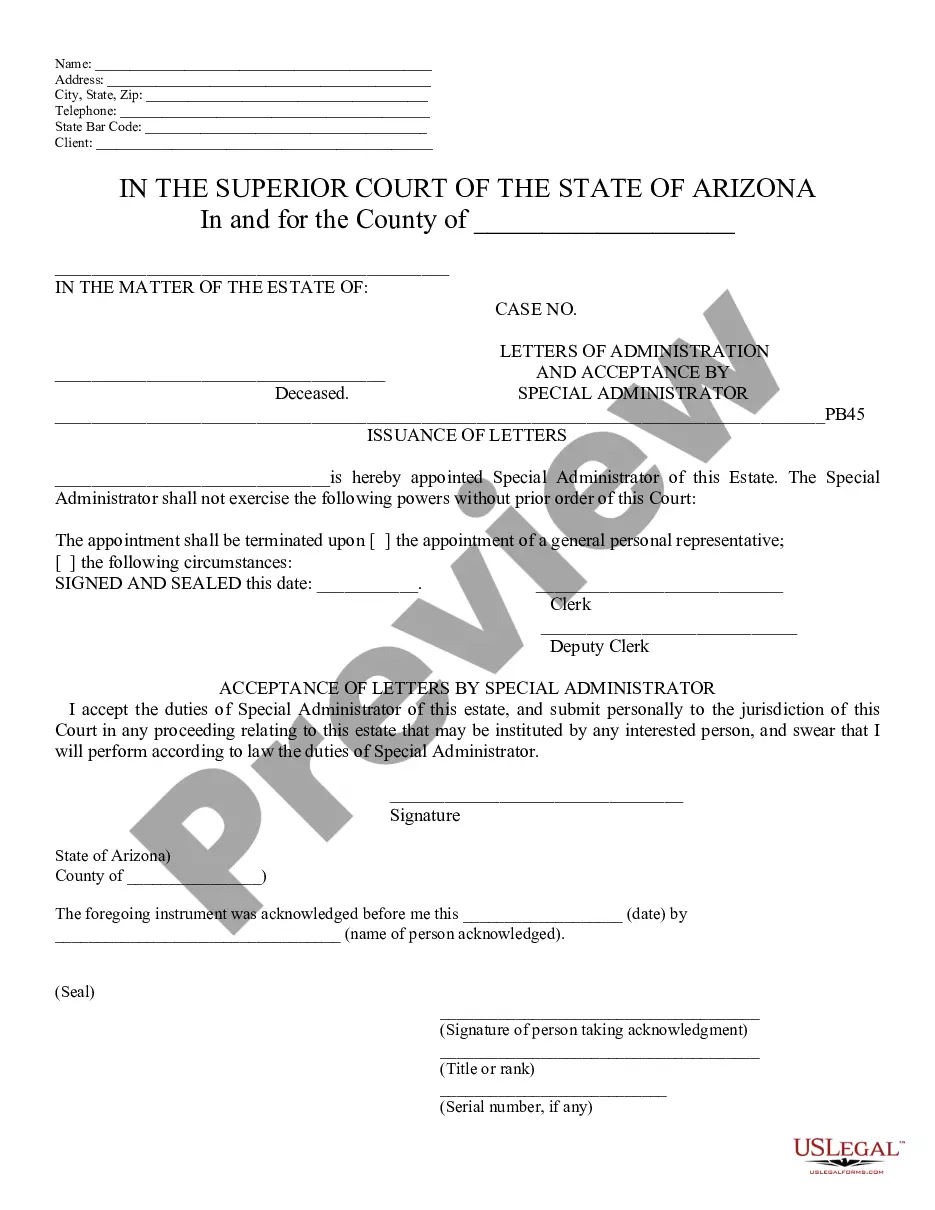
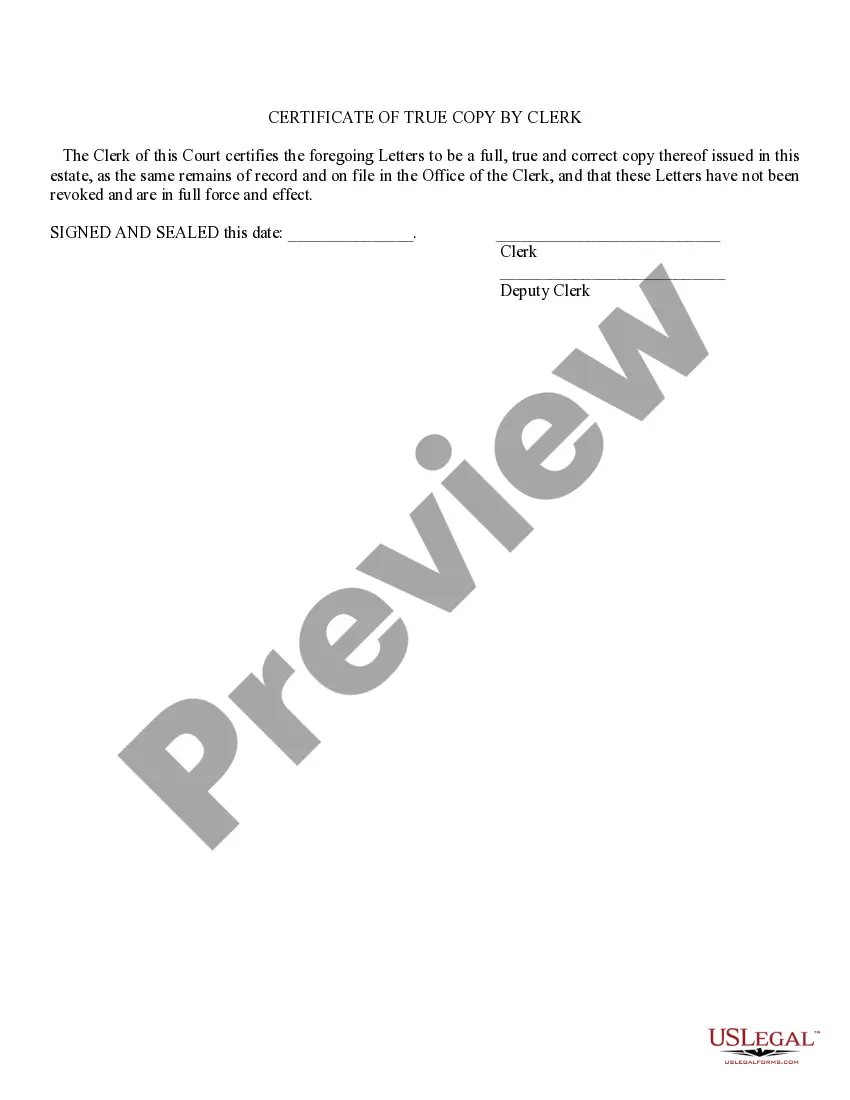
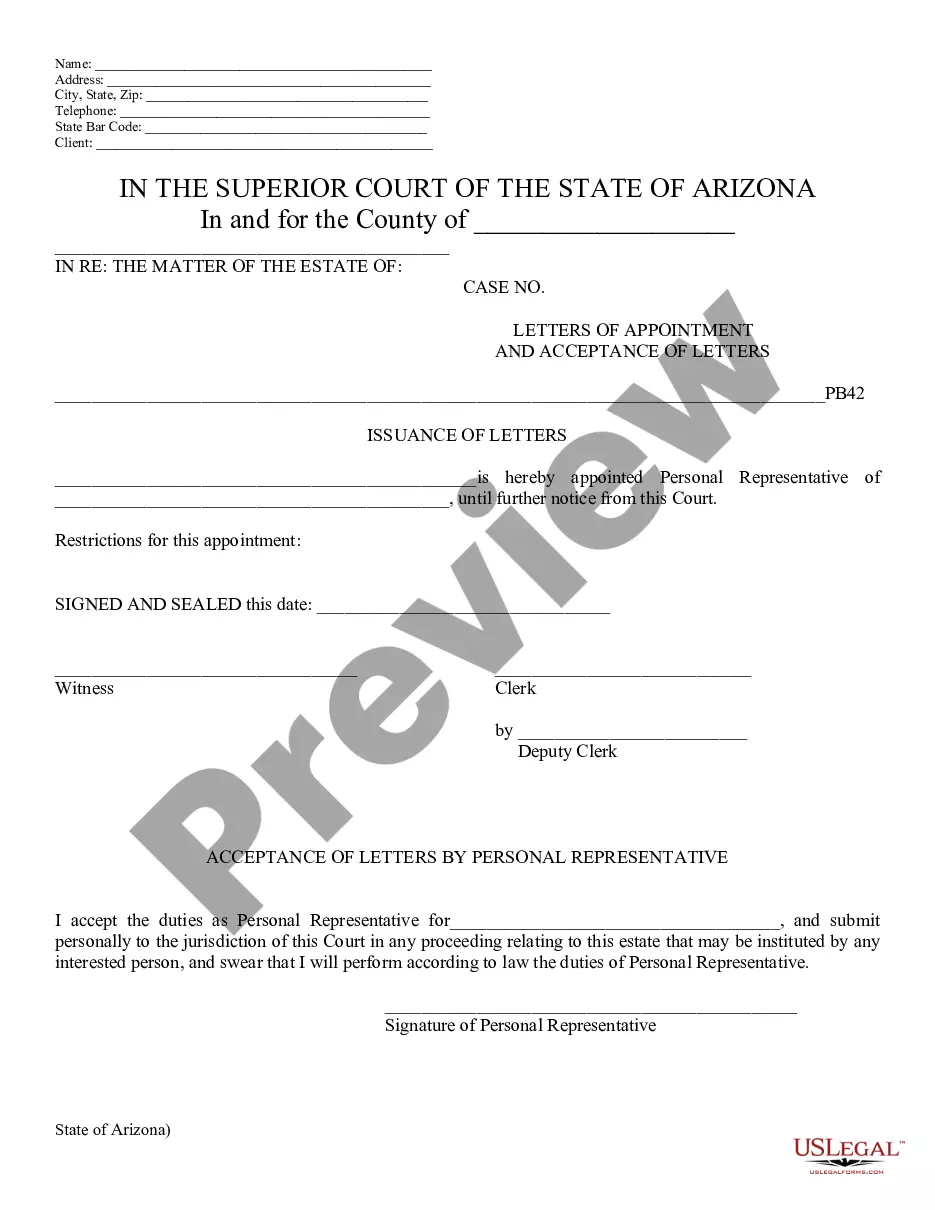
Get your form ready online
Our built-in tools help you complete, sign, share, and store your documents in one place.
Make edits, fill in missing information, and update formatting in US Legal Forms—just like you would in MS Word.
Download a copy, print it, send it by email, or mail it via USPS—whatever works best for your next step.
Sign and collect signatures with our SignNow integration. Send to multiple recipients, set reminders, and more. Go Premium to unlock E-Sign.
If this form requires notarization, complete it online through a secure video call—no need to meet a notary in person or wait for an appointment.
We protect your documents and personal data by following strict security and privacy standards.

Make edits, fill in missing information, and update formatting in US Legal Forms—just like you would in MS Word.

Download a copy, print it, send it by email, or mail it via USPS—whatever works best for your next step.

Sign and collect signatures with our SignNow integration. Send to multiple recipients, set reminders, and more. Go Premium to unlock E-Sign.

If this form requires notarization, complete it online through a secure video call—no need to meet a notary in person or wait for an appointment.

We protect your documents and personal data by following strict security and privacy standards.
Looking for another form?

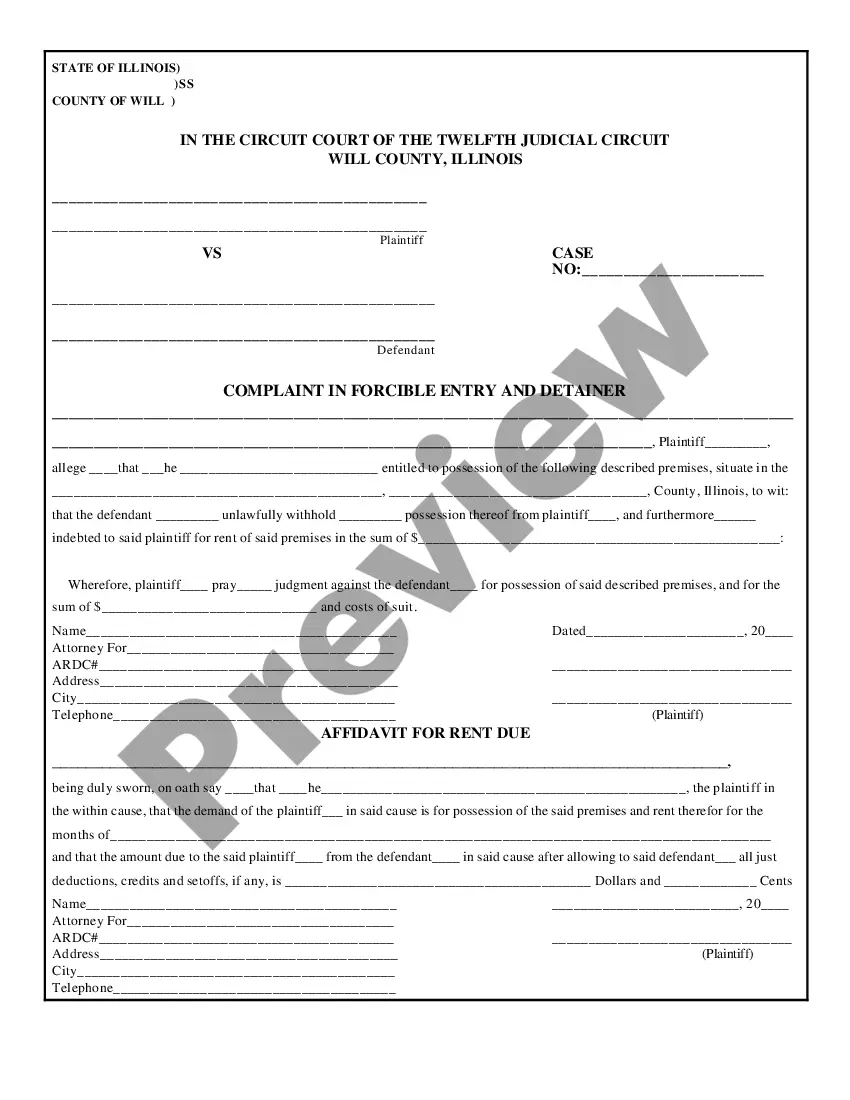





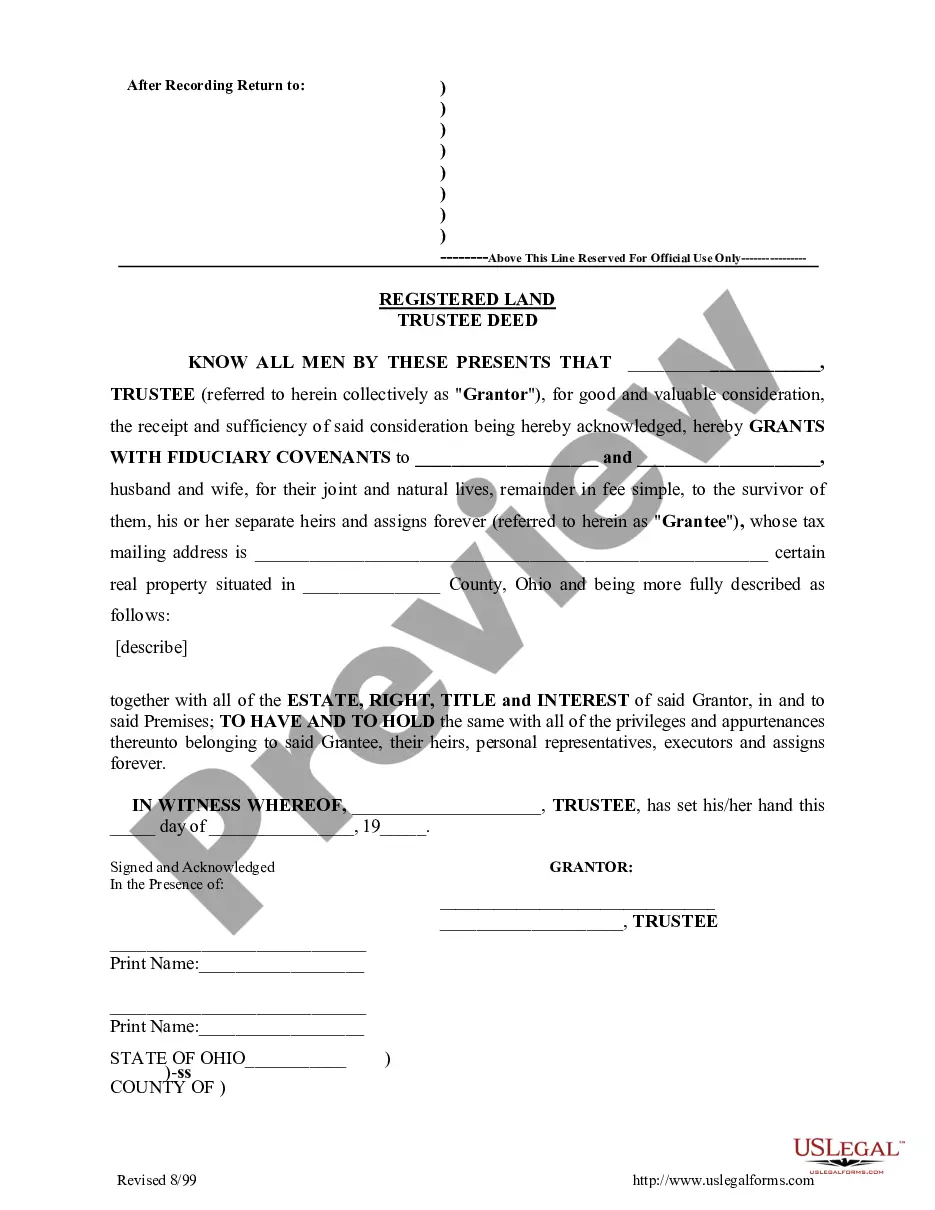
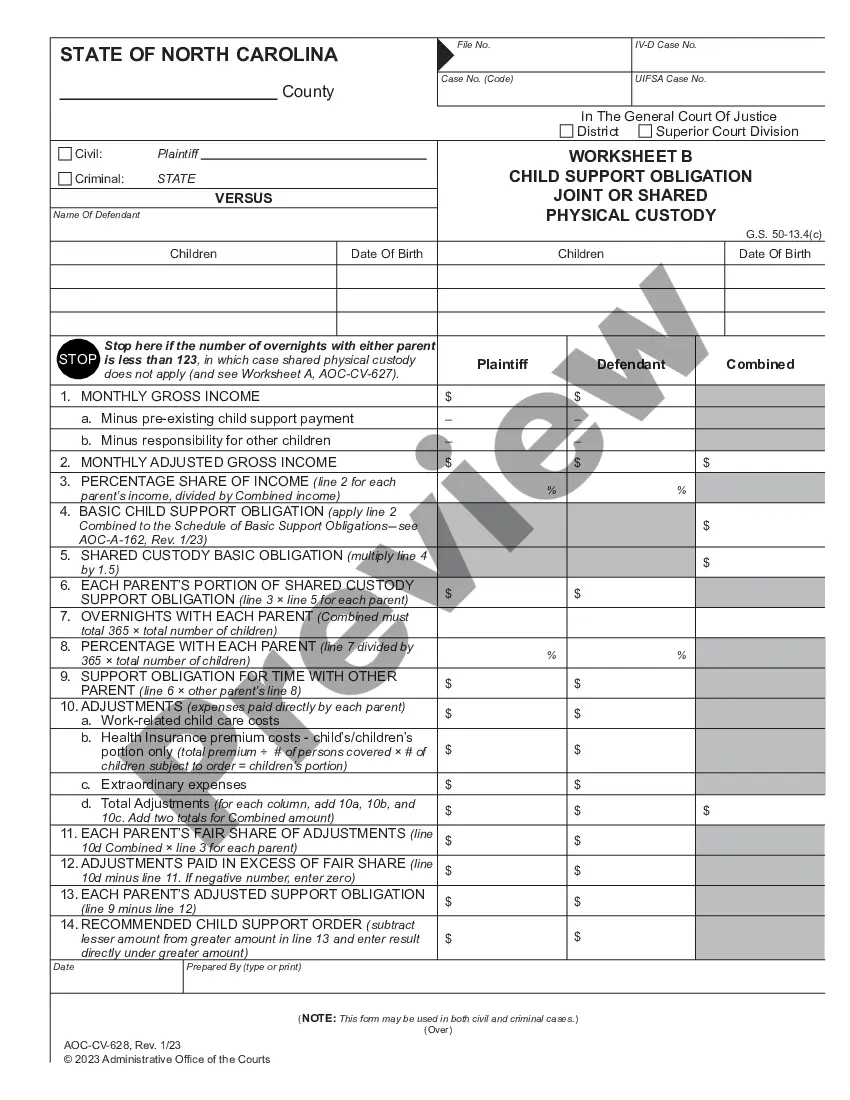
How to fill out Arizona Letters Of Administration And Acceptance By Special Administrator?
- If you're a returning user, log in and access your account to download the required form template by clicking the Download button. Ensure that your subscription remains active, and renew it if necessary.
- For first-time users, start by checking the Preview mode and the form description to select the one that fits your needs aligned with local jurisdiction requirements.
- If you need a different template, utilize the Search tab at the top of the page to find the correct form. Verify its relevance, and proceed to the next step.
- Choose to purchase the document by clicking the Buy Now button, then select a subscription plan that suits you. Register an account to gain full access to the library.
- Complete your purchase by entering your payment information via credit card or PayPal.
- Finally, download the form to your device, ensuring you have it for completion. You can also access it anytime through the My Forms section of your profile.
In conclusion, leveraging Fshs through US Legal Forms offers a wealth of resources for both legal professionals and individuals alike.
Take control of your legal documentation today by visiting US Legal Forms and exploring their extensive library!
Form popularity
FAQ
FSTs stands for 'Federal Student Aid Technical Standards.' These standards outline the requirements for federal student aid programs, supporting students in their educational pursuits. Understanding FSTs is crucial for those navigating financial aid options, and Fshs can provide valuable resources to help effectively manage these processes.
FFS is shorthand for 'for f's sake,' often used to express frustration or annoyance in casual conversations. It’s important to recognize the context in which it appears to ensure proper understanding. The relevance of terms like Fshs can aid in communication clarity, especially in discussions requiring precision and professionalism.
FSHs refers to 'Family Self-Sufficiency Programs,' which empower families to achieve economic independence. These programs provide resources and support for families to improve their financial situations. Utilizing tools and insights related to Fshs enhances the effectiveness of such initiatives. With the right understanding, families can make informed decisions toward self-sufficiency.
Fass refers to the 'Food Assistance Subprogram System.' This system helps manage and streamline services related to food assistance programs. By understanding these subprograms, you can see how Fshs plays a role in facilitating access to essential resources. This knowledge can enhance your ability to navigate these assistance options.
To fill out a 15H form, begin by providing your personal information, including your name, address, and age. Additionally, state your total income accurately for the financial year. Ensure that you meet the eligibility criteria, mainly that your income is below the taxable limit, before submitting the form to your bank or financial institution. This form helps in avoiding TDS on your interest income, ensuring you maximize your earnings.
Form 15G is a declaration used in India to prevent TDS (Tax Deducted at Source) on interest income when your total income is below the taxable limit. For example, if you earn interest from a savings account, and your total annual income is less than the taxable amount, submitting form 15G allows you to avoid TDS on that interest. Ensure you fill out the form properly and submit it to your bank or financial institution to benefit from this exemption.
Filling out form 15G involves providing your personal details, including your name, address, and PAN. Additionally, declare your total income for the financial year accurately. Once you have filled in these details, review the form for any errors before submitting it to the bank or financial institution. This form helps ensure that tax is not deducted from your interest income if it is below the taxable limit.
To complete the FAFSA step by step, start by visiting the official FAFSA website and logging in with your FSA ID. Enter your personal information accurately, including your income details. Next, provide schools you want to apply to and answer questions related to your financial situation. Finally, submit the form and keep a copy of your submission for your records, ensuring you stay on track with financial aid deadlines.
One of the most common mistakes on the FAFSA is incorrect social security numbers. Mistakes like these can lead to processing delays or even ineligibility for aid. Another frequent error includes leaving fields blank, which can result in missing critical information. It is crucial to double-check all data before submission to avoid these issues and ensure successful completion of your FAFSA.
To fill out the FAFSA, start by gathering your financial documents, including tax returns and bank statements. Next, create an FSA ID, which acts as your electronic signature. Proceed to the FAFSA website, where you can fill out the application using the information from your documents. Finally, review your entries for accuracy before submitting your FAFSA to ensure you meet the requirements for federal student aid.