Arizona Trust Amendment Without A Lawyer
Description
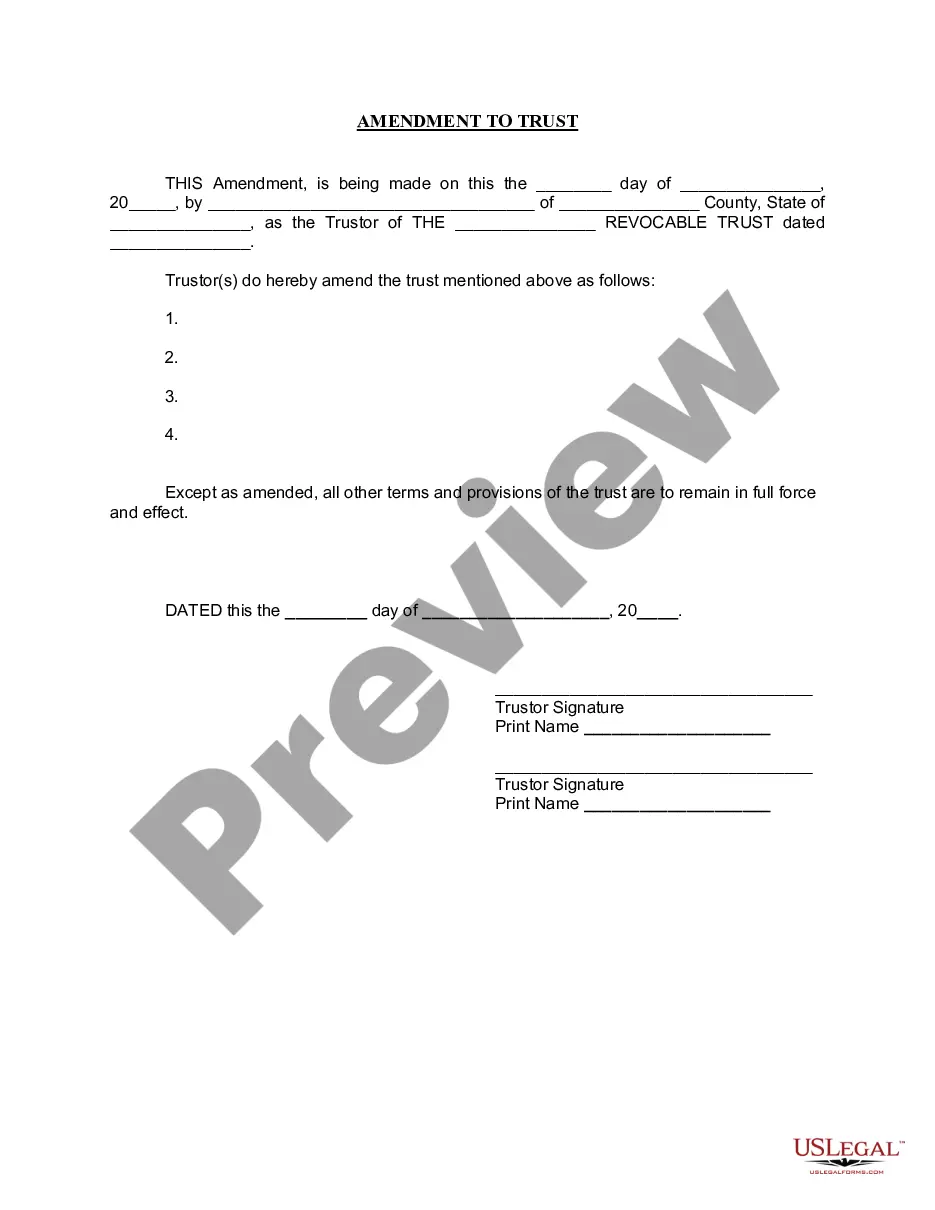



Get your form ready online
Our built-in tools help you complete, sign, share, and store your documents in one place.
Make edits, fill in missing information, and update formatting in US Legal Forms—just like you would in MS Word.
Download a copy, print it, send it by email, or mail it via USPS—whatever works best for your next step.
Sign and collect signatures with our SignNow integration. Send to multiple recipients, set reminders, and more. Go Premium to unlock E-Sign.
If this form requires notarization, complete it online through a secure video call—no need to meet a notary in person or wait for an appointment.
We protect your documents and personal data by following strict security and privacy standards.

Make edits, fill in missing information, and update formatting in US Legal Forms—just like you would in MS Word.

Download a copy, print it, send it by email, or mail it via USPS—whatever works best for your next step.

Sign and collect signatures with our SignNow integration. Send to multiple recipients, set reminders, and more. Go Premium to unlock E-Sign.

If this form requires notarization, complete it online through a secure video call—no need to meet a notary in person or wait for an appointment.

We protect your documents and personal data by following strict security and privacy standards.
Looking for another form?

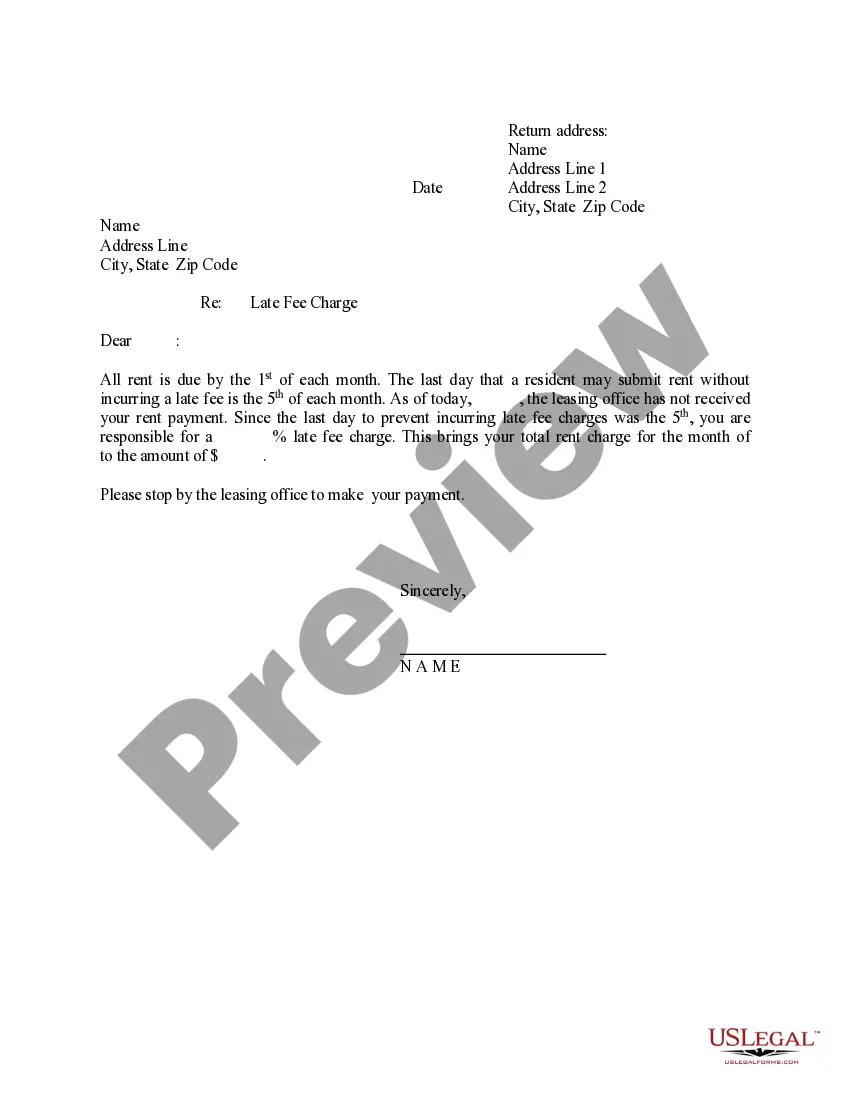





How to fill out Arizona Amendment To Living Trust?
Whether for business purposes or for individual matters, everybody has to deal with legal situations at some point in their life. Filling out legal papers demands careful attention, starting with picking the correct form sample. For instance, when you choose a wrong version of the Arizona Trust Amendment Without A Lawyer, it will be turned down once you submit it. It is therefore crucial to have a reliable source of legal papers like US Legal Forms.
If you have to obtain a Arizona Trust Amendment Without A Lawyer sample, stick to these simple steps:
- Find the sample you need using the search field or catalog navigation.
- Check out the form’s information to ensure it suits your case, state, and county.
- Click on the form’s preview to examine it.
- If it is the wrong form, go back to the search function to locate the Arizona Trust Amendment Without A Lawyer sample you require.
- Download the file when it matches your requirements.
- If you have a US Legal Forms account, simply click Log in to access previously saved documents in My Forms.
- If you do not have an account yet, you may download the form by clicking Buy now.
- Select the proper pricing option.
- Complete the account registration form.
- Pick your transaction method: you can use a credit card or PayPal account.
- Select the document format you want and download the Arizona Trust Amendment Without A Lawyer.
- Once it is saved, you can complete the form with the help of editing applications or print it and complete it manually.
With a substantial US Legal Forms catalog at hand, you never have to spend time looking for the appropriate sample across the web. Use the library’s easy navigation to get the appropriate form for any situation.
Form popularity
FAQ
If there is no amendment clause in the Trust Deed, any amendment has to be done with the permission of a Civil Court. Once the Civil Court has allowed permission for amendment, it is not open on the part of the Income Tax Officer or any other person to challenge such amendment.
Get the Change Notarized Don't sign the amendment to the living trust until you're with a notary (and be prepared to pay a fee). If you and your spouse share the trust, you'll both need to sign. Present the amendment form stapled to the original trust.
Creating a living trust in Arizona is not hard, but it does take some planning and a monetary investment. You can set up a living trust by yourself. However, if you're not experienced, it might make more sense to get professional advice. If your estate is worth a lot, you may benefit from a living trust.
There are basic requirements for a Trust to be created in the State of Arizona: (1) There must be a Grantor; (2) The Grantor must manifest the Intent to create a Trust; (3) There must a Trustee; (4) There must be identifiable Beneficiaries; (5) The Trustee must have duties to perform; and (6) the Sole Trustee may not ...
A settlor's powers with respect to revocation, amendment or distribution of trust property may be exercised by an agent under a power of attorney only to the extent expressly authorized by the terms of the trust or, if the terms of the trust do not prohibit an agent from exercising powers on behalf of the settlor, to ...