Notice Eviction
Description
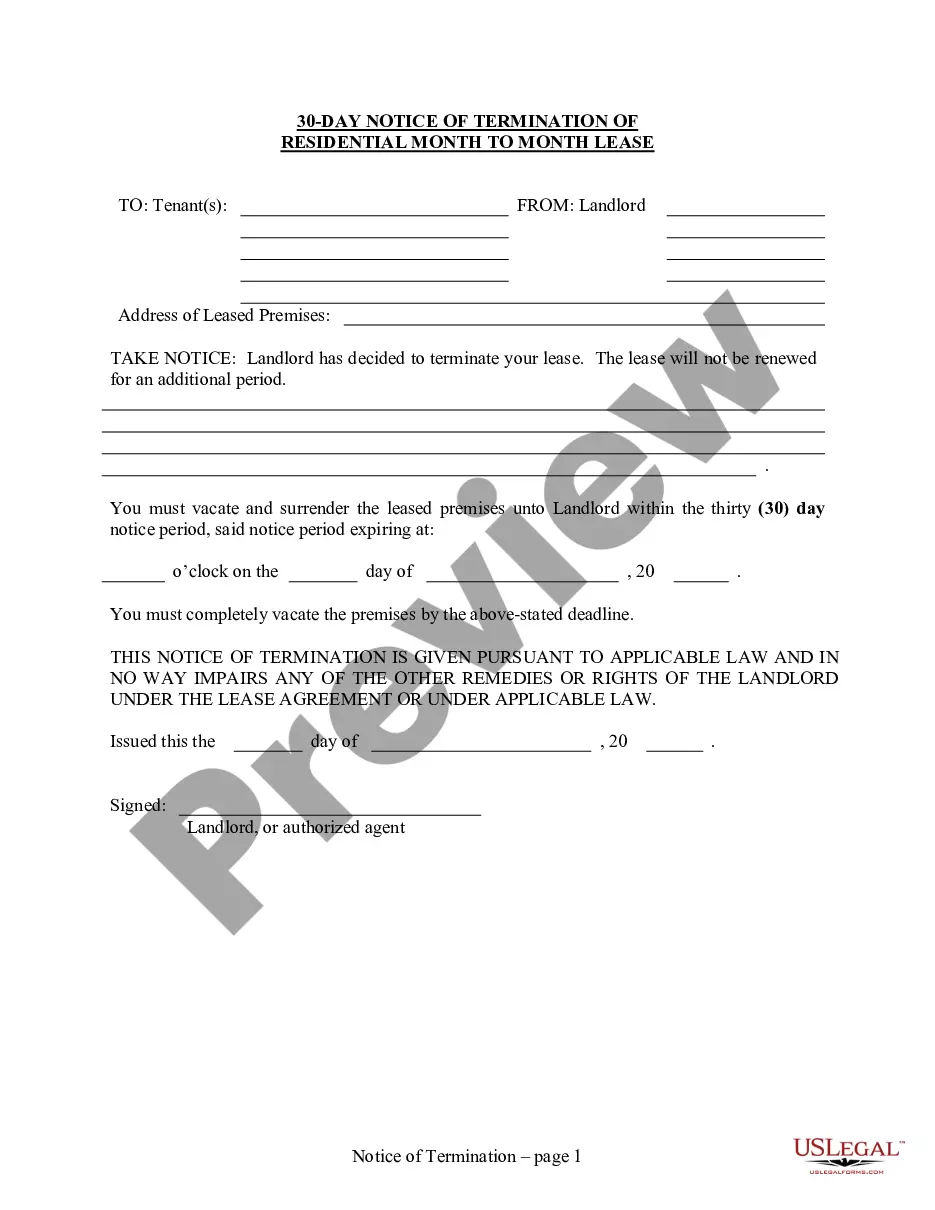
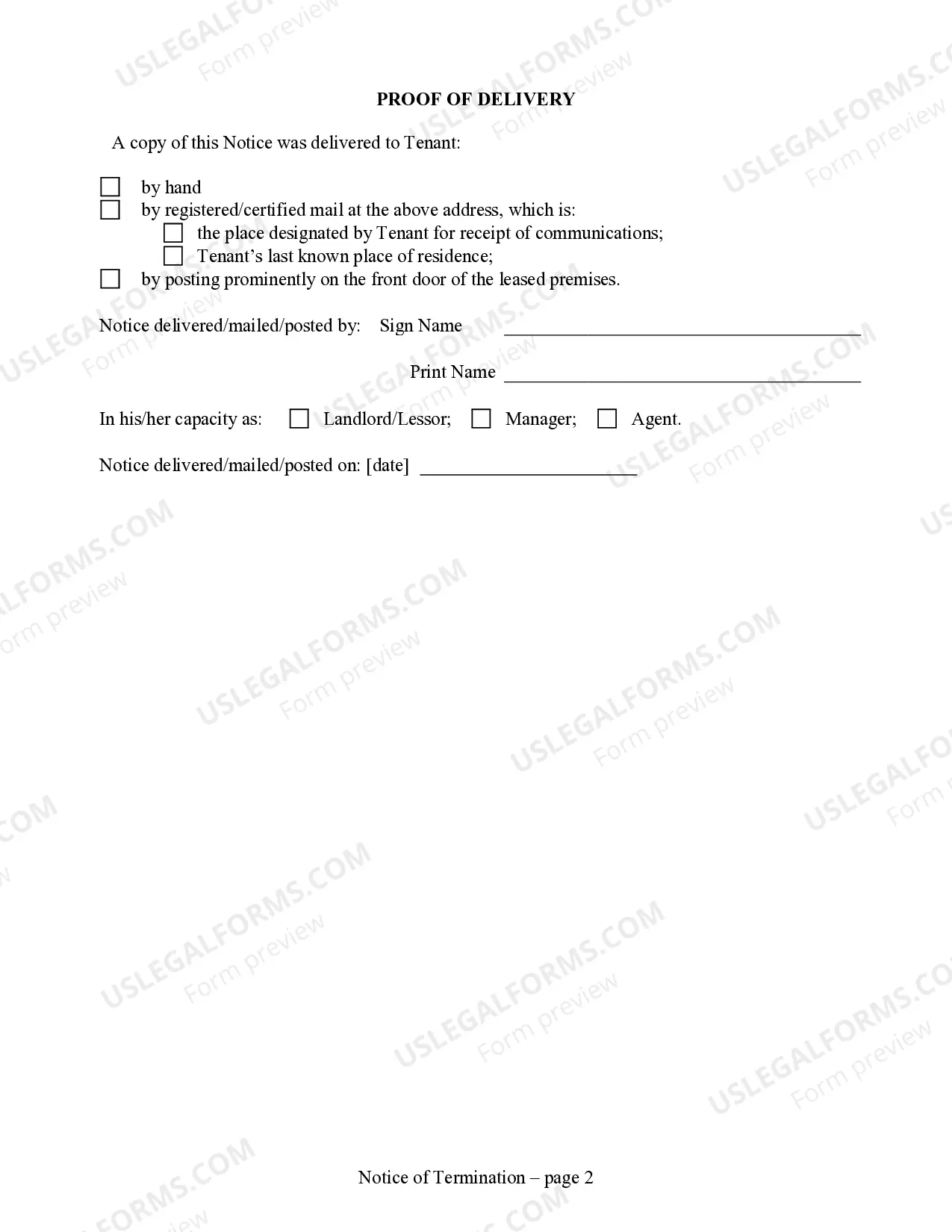
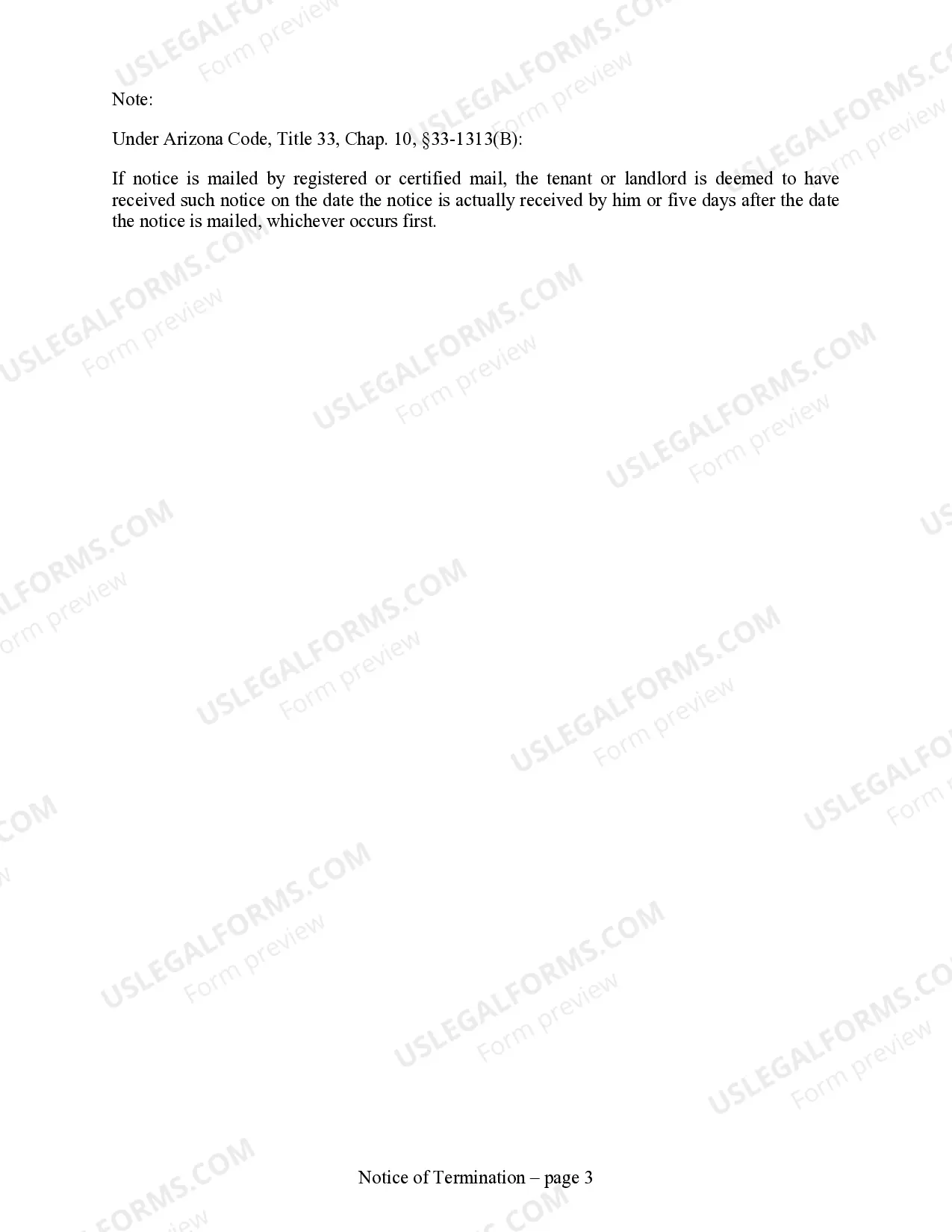
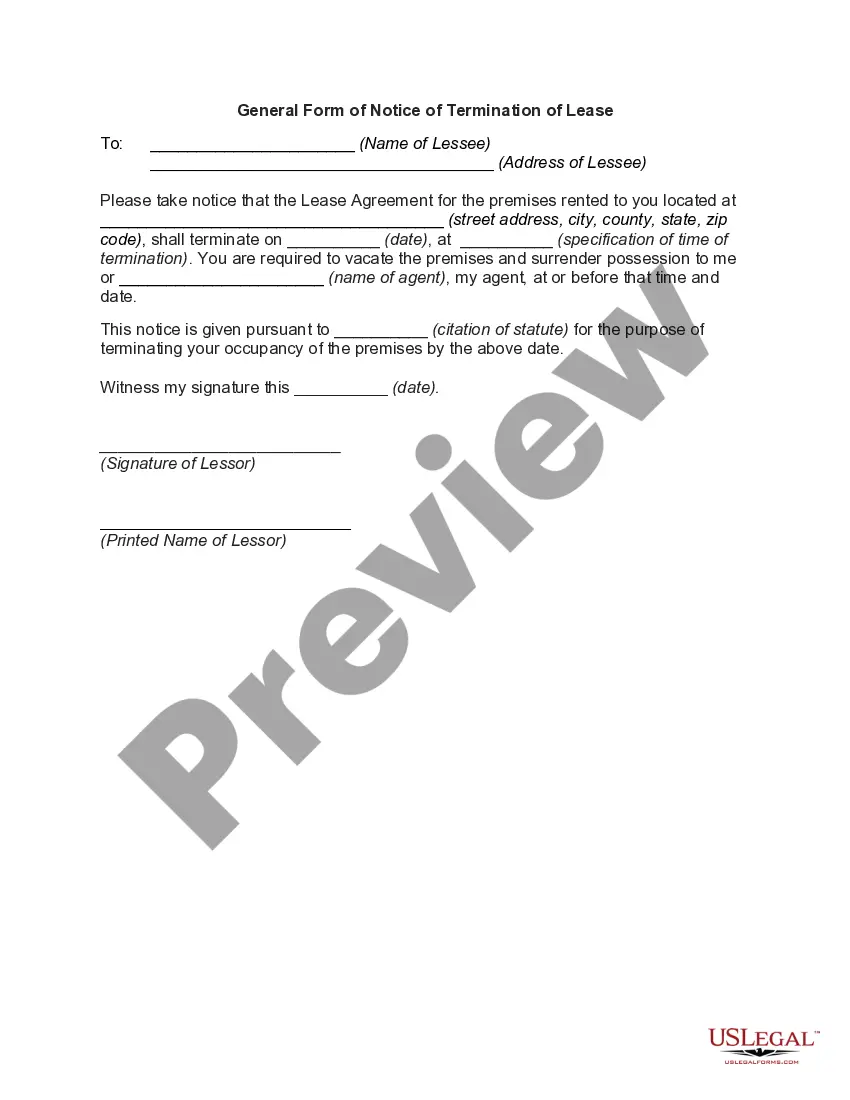

Get your form ready online
Our built-in tools help you complete, sign, share, and store your documents in one place.
Make edits, fill in missing information, and update formatting in US Legal Forms—just like you would in MS Word.
Download a copy, print it, send it by email, or mail it via USPS—whatever works best for your next step.
Sign and collect signatures with our SignNow integration. Send to multiple recipients, set reminders, and more. Go Premium to unlock E-Sign.
If this form requires notarization, complete it online through a secure video call—no need to meet a notary in person or wait for an appointment.
We protect your documents and personal data by following strict security and privacy standards.

Make edits, fill in missing information, and update formatting in US Legal Forms—just like you would in MS Word.

Download a copy, print it, send it by email, or mail it via USPS—whatever works best for your next step.

Sign and collect signatures with our SignNow integration. Send to multiple recipients, set reminders, and more. Go Premium to unlock E-Sign.

If this form requires notarization, complete it online through a secure video call—no need to meet a notary in person or wait for an appointment.

We protect your documents and personal data by following strict security and privacy standards.
Looking for another form?
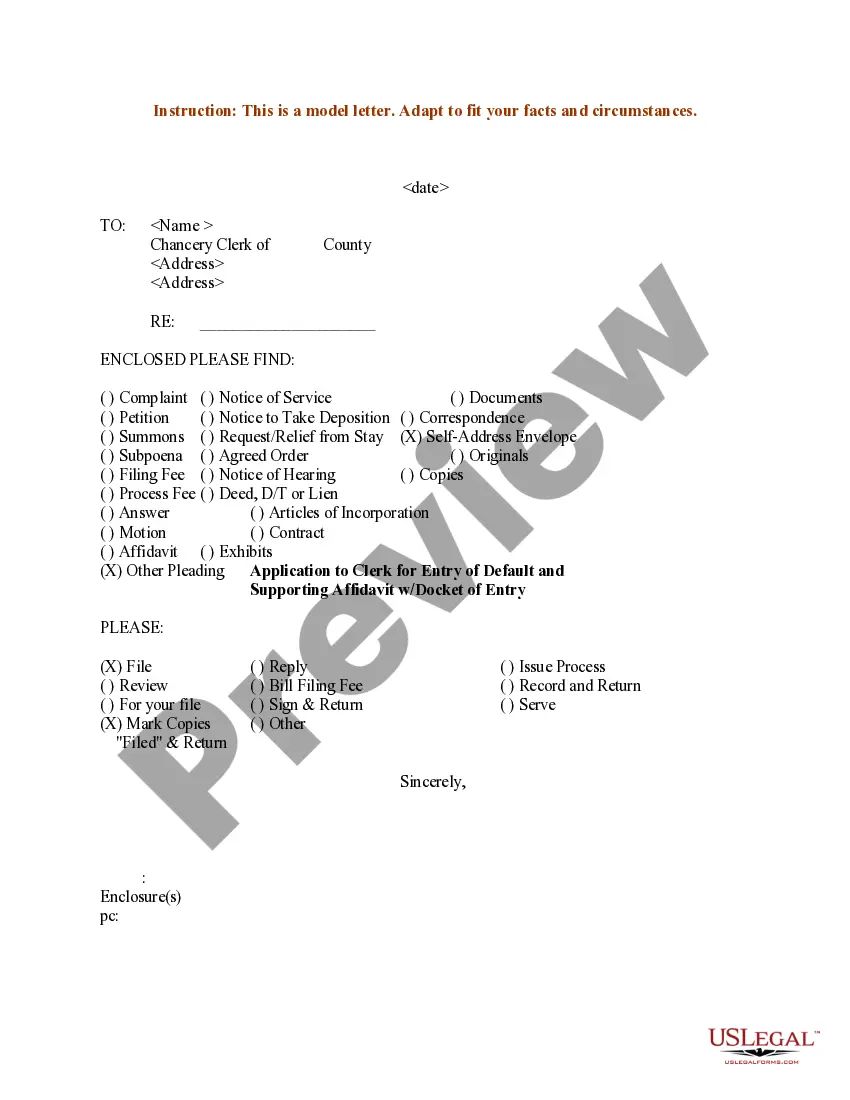







How to fill out Arizona 30 Day Notice To Terminate Month To Month Lease - Residential From Landlord To Tenant?
- Log in to your account on US Legal Forms. If you're a new user, create an account to start.
- Explore the preview mode and carefully read the form descriptions to ensure you're selecting the correct eviction notice that aligns with your local regulations.
- If you find discrepancies or need a different form, use the search function to locate other templates that suit your needs.
- Proceed to purchase by clicking on the Buy Now button and selecting a subscription plan that works for you.
- Complete your payment using your credit card or PayPal for a secure transaction.
- Download your form directly to your device and access it anytime via the My Forms section in your account.
By utilizing US Legal Forms, you're not only gaining access to a robust collection of legal documents but also ensuring your eviction process is managed proficiently and accurately. Their extensive library features over 85,000 fillable forms, including unique templates at competitive prices.
Don’t hesitate; streamline your legal documentation process today with US Legal Forms. Start taking control of your eviction notice needs now!
Form popularity
FAQ
To evict a tenant in New Mexico, start by serving a formal notice eviction that specifies the grounds for eviction. If the tenant does not respond or vacate the premises within the given time, you will then need to file an eviction lawsuit. Navigating this process can be challenging, so using resources like US Legal Forms can help you access necessary documents and legal guidance.
In Florida, the amount of notice required for eviction depends on the lease type. For month-to-month leases, landlords must provide a 15-day notice eviction. For other agreements, the notice period can range from three to seven days, depending on the circumstances. Always consult with legal resources or platforms like US Legal Forms to ensure compliance with state laws.
In New Mexico, tenants typically must provide a 30-day notice eviction to their landlords when planning to vacate a month-to-month rental agreement. This notice allows landlords to prepare for the upcoming vacancy and find new tenants. Clear communication helps maintain a positive relationship between parties. You can access sample notice forms through US Legal Forms to streamline the process.
Evicting a tenant in New Mexico begins with providing the tenant with the appropriate notice eviction, which outlines the reason for eviction and gives them a set time to vacate. If the tenant does not leave by the specified date, you may need to file an eviction lawsuit in court. It's crucial to follow legal procedures to ensure a smooth eviction process. For guidance, US Legal Forms offers suitable templates and resources.
In New Mexico, a 30-day notice eviction is a formal document given by landlords to tenants to terminate a month-to-month rental agreement. This notice informs the tenant that they must vacate the property within 30 days. It's essential to serve the notice correctly, as failure to do so may lead to complications in the eviction process. For assistance in drafting or understanding these notices, consider using US Legal Forms.
In Texas, landlords cannot evict tenants immediately without following the legal process. They must issue a notice eviction and go through the proper legal channels. In rare emergency situations, landlords may seek expedited action, but tenants still have legal rights that protect them during the eviction process.
In Washington state, the eviction process begins with giving a tenant a notice eviction, which varies based on the reason for eviction. After the notice period, if the tenant remains in the property, the landlord can file an eviction lawsuit in court. Following a court ruling, if the landlord prevails, it may take additional time for a sheriff to enforce the eviction.
An emergency eviction in Texas allows landlords to expedite the eviction process under specific circumstances, such as cases involving threats to safety or the property. In this case, landlords still must provide notice eviction, but they can seek immediate legal remedies. This process is quicker than the standard eviction procedures, aiming to protect the well-being of all parties involved.
Once a judgment is issued in an eviction case, the record can appear on court or tenant screening reports almost immediately. Generally, an eviction will show up within a few weeks after the court process is completed. It's crucial for tenants to be aware of this, as it can impact their ability to secure housing in the future.
In Texas, a landlord cannot legally evict a tenant without going through the court process. The landlord must first provide a notice eviction and then file a lawsuit if the tenant does not leave. This ensures that tenants have the opportunity to defend themselves and have their cases heard before facing any eviction.