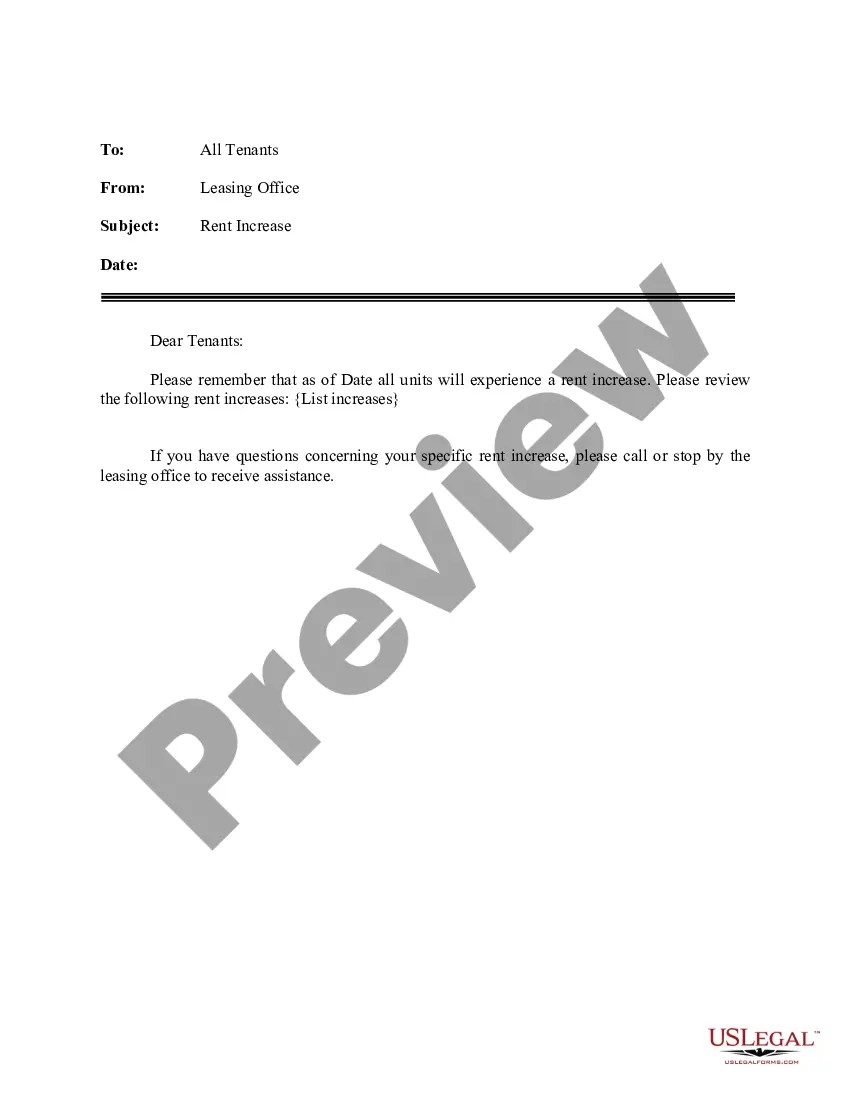
Letter Rent Increase With A Deposit
Description


Get your form ready online
Our built-in tools help you complete, sign, share, and store your documents in one place.
Make edits, fill in missing information, and update formatting in US Legal Forms—just like you would in MS Word.
Download a copy, print it, send it by email, or mail it via USPS—whatever works best for your next step.
Sign and collect signatures with our SignNow integration. Send to multiple recipients, set reminders, and more. Go Premium to unlock E-Sign.
If this form requires notarization, complete it online through a secure video call—no need to meet a notary in person or wait for an appointment.
We protect your documents and personal data by following strict security and privacy standards.

Make edits, fill in missing information, and update formatting in US Legal Forms—just like you would in MS Word.

Download a copy, print it, send it by email, or mail it via USPS—whatever works best for your next step.

Sign and collect signatures with our SignNow integration. Send to multiple recipients, set reminders, and more. Go Premium to unlock E-Sign.

If this form requires notarization, complete it online through a secure video call—no need to meet a notary in person or wait for an appointment.

We protect your documents and personal data by following strict security and privacy standards.
Looking for another form?









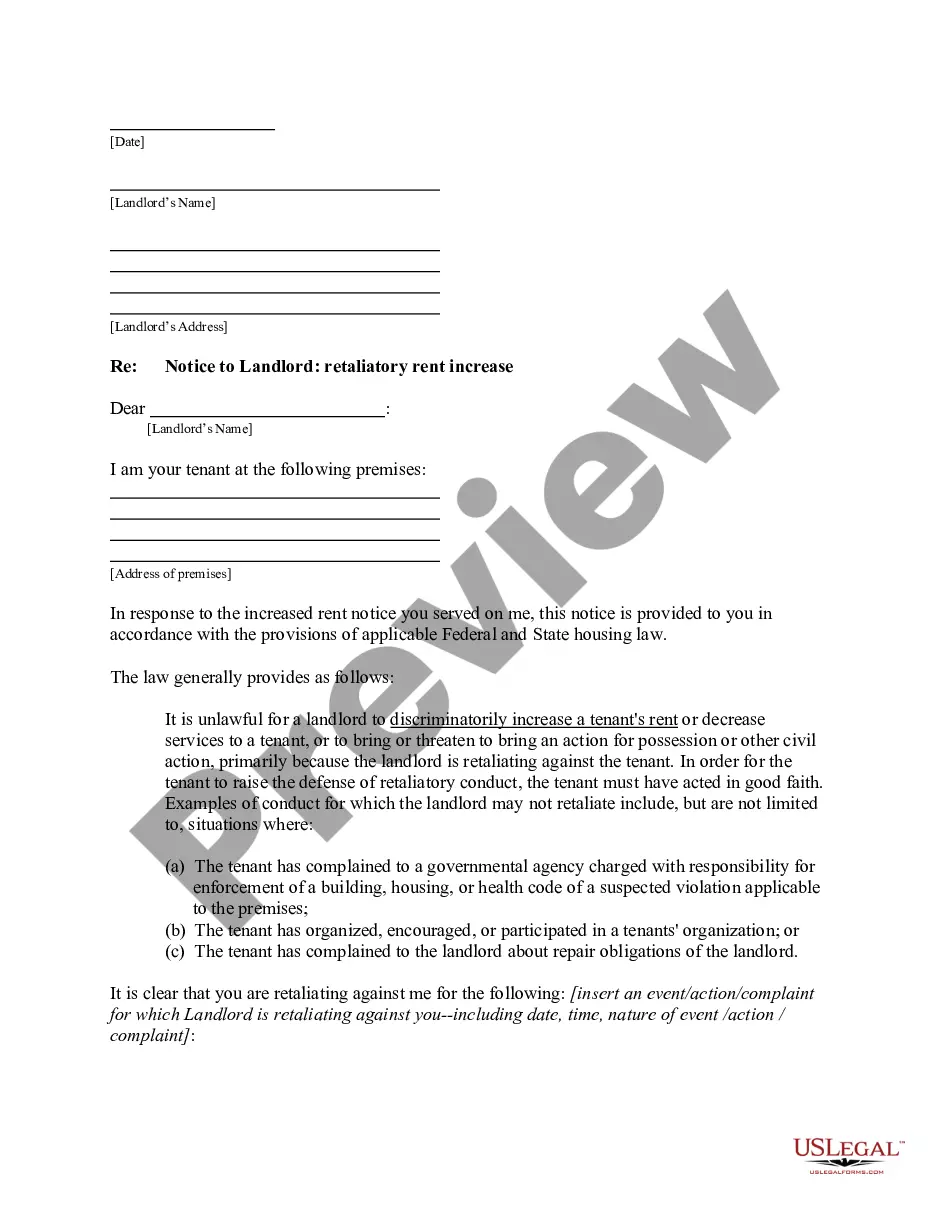
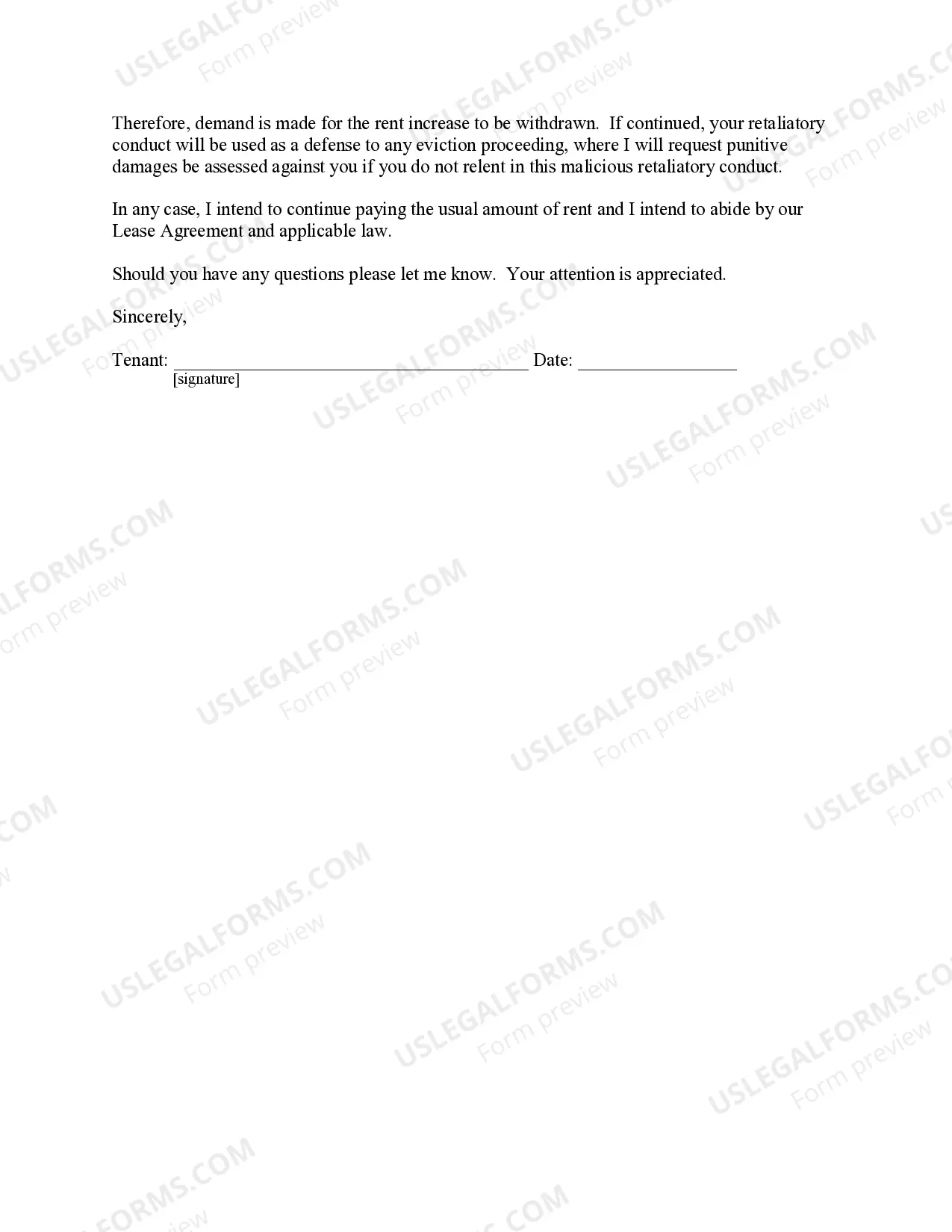
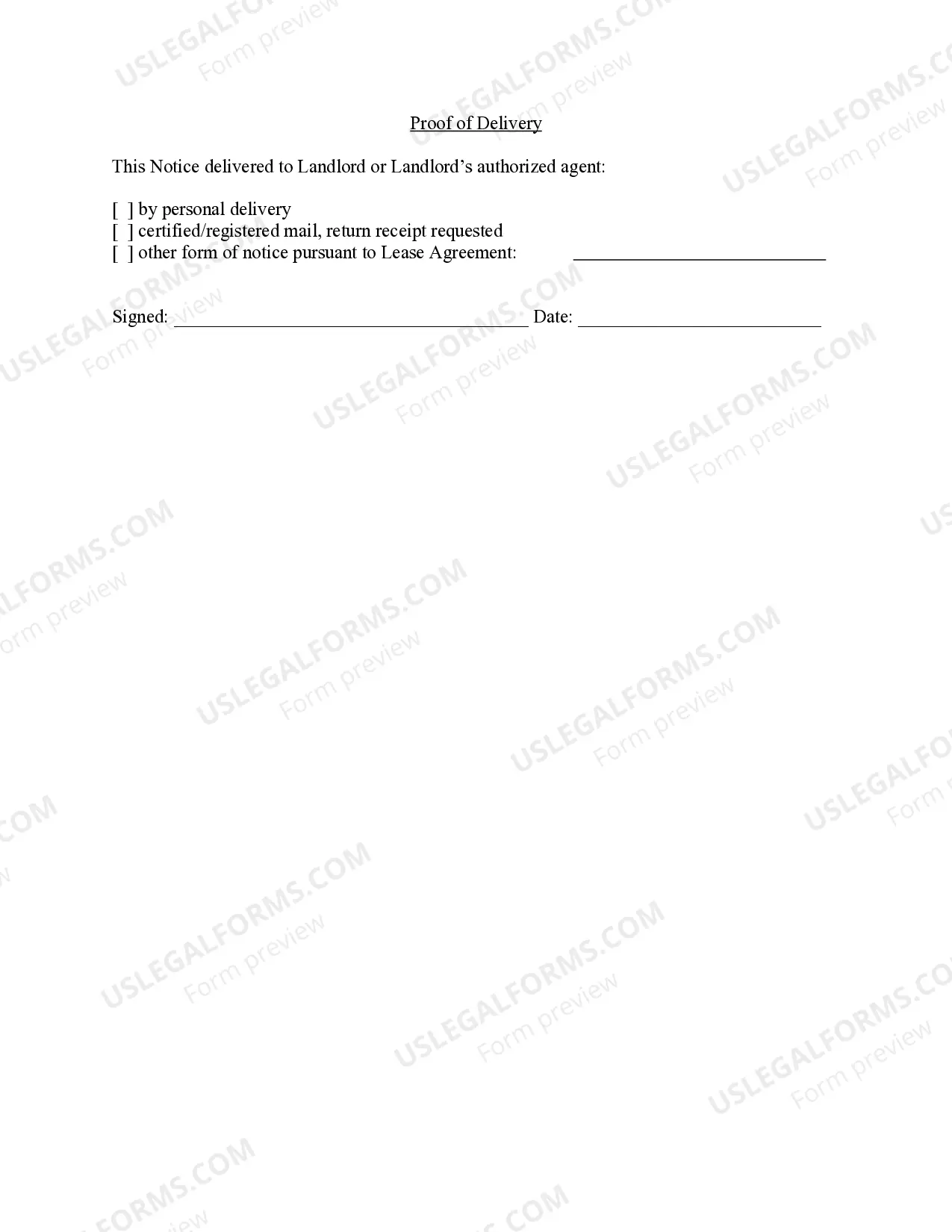
How to fill out Arizona Letter From Tenant To Landlord Containing Notice To Landlord To Withdraw Retaliatory Rent Increase?
- Log in to your US Legal Forms account to access previously used forms or create a new account if this is your first visit.
- Browse through the available templates and select the one that fulfills your specific requirements for a rent increase with a deposit.
- Review the preview mode to confirm compatibility with local jurisdiction requirements and make sure it suits your needs.
- Complete your purchase by choosing your preferred subscription plan and registering for an account, if necessary.
- Provide your payment information through credit card or PayPal, finalizing your subscription to gain access to the form.
- Download the completed document onto your device for editing, and keep it at hand for future reference in the 'My Forms' section of your account.
Once you’ve created your letter, you can ensure that it meets legal standards and communicates your message effectively. US Legal Forms not only offers a plethora of templates but also connects you with legal experts who can assist you in crafting precise documents.
Don’t hesitate to start your document creation journey today. Visit US Legal Forms to access their comprehensive library and make legal documentation stress-free!
Form popularity
FAQ
When communicating a rent increase, it is essential to be clear and respectful. Start by explaining the reasons behind the increase, such as rising property costs or market conditions. You can mention that a formal 'Letter rent increase with a deposit' will follow, detailing the new terms and conditions. It's also helpful to remind tenants of the value they receive, ensuring that the conversation remains positive and constructive.
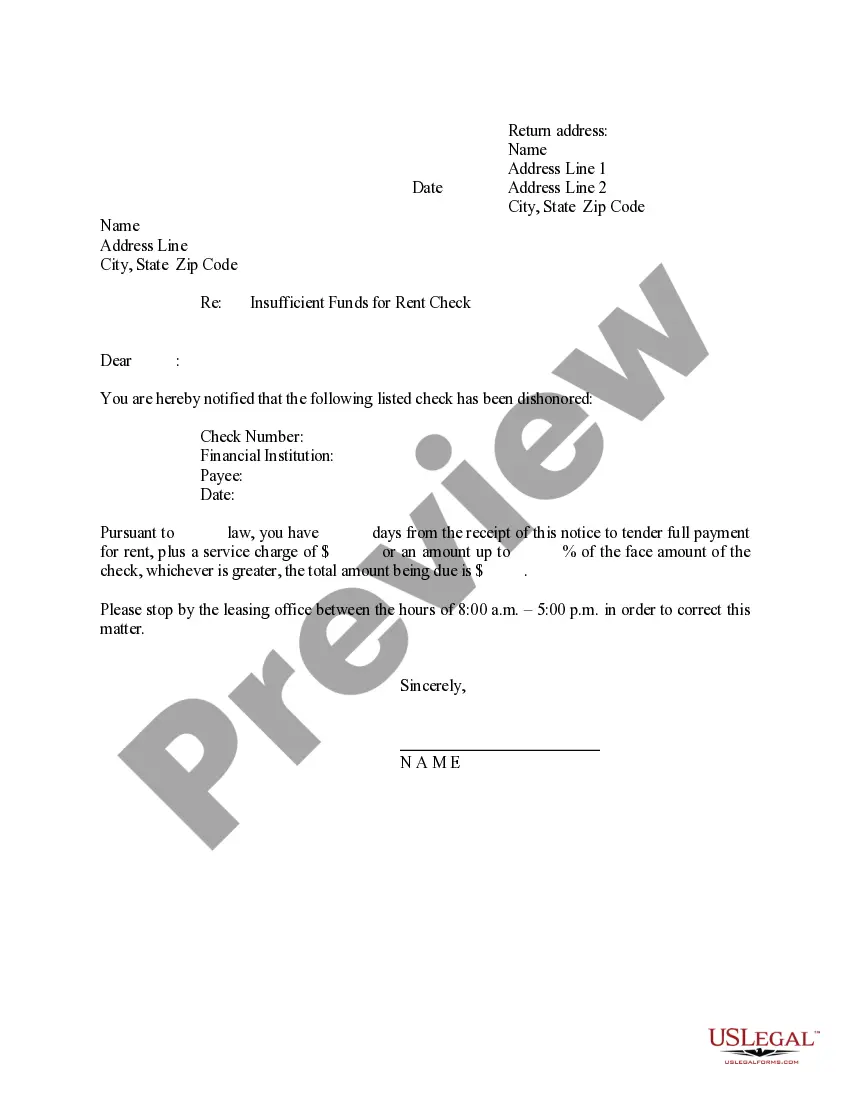
When writing a rent receipt, include elements such as the date, the amount received, and the tenant's name. Clearly specify the property address and reference any specific rent increase with a deposit if applicable. This clarity helps in maintaining accurate records for both you and your tenant. For additional support, consider using templates from uslegalforms for efficient documentation.
To write a letter to prove rent, start by including your name, address, and the tenant's details at the top. Clearly state that the purpose of the letter is to document the rent payments made and specify the amount, payment dates, and any agreements regarding the rent increase with a deposit. Be direct, and maintain a professional tone. You can use templates from uslegalforms to streamline the process.
To mail a rent increase notice, begin by writing a clear and concise letter detailing the new rent amount and effective date. Ensure you include the tenant's name and address. Use certified mail to provide proof of delivery, which is crucial for record-keeping. For guidance on structuring the document, refer to our templates at uslegalforms for a proper letter rent increase with a deposit.
In New Jersey, landlords can raise rent, but the amount must comply with state guidelines and local rent control laws. While a $300 increase is possible, it must be communicated properly, usually with a written notice. Check your lease agreement, as regulations can differ based on property type. To navigate this process, using uslegalforms for a letter rent increase with a deposit is a smart choice.
Maximum rent increases depend on state and local laws. Many areas require landlords to give tenants written notice regarding any planned increases. Additionally, some jurisdictions have specific rules about how much rent can increase annually. Familiarizing yourself with these regulations, along with the letter rent increase with a deposit templates at uslegalforms, can protect both landlords and tenants.
To write a proof of rent letter, include your name, the tenant's name, and the rental property address. Document the rent amount, payment dates, and any applicable late fees. Providing this letter can help tenants confirm their payment history when needed. For a clean format, check our templates at uslegalforms that guide you in creating a professional document.
The limit on how much a landlord can raise rent varies by state and local laws. Generally, landlords can increase rent but must give proper notice before doing so. It's essential to check your local regulations to understand any restrictions. To ensure compliance, consider using a legally approved template for a letter rent increase with a deposit from uslegalforms.
To write a letter for a rent increase, start by including your name and address, along with the tenant's details. Clearly state the new rent amount and the date it will take effect. Be sure to explain the reasons for the increase, such as rising costs or improvements made to the property. Using a template from uslegalforms can simplify the process and ensure you include all necessary details.
When negotiating a rent increase, your letter should emphasize your value as a tenant. Begin with a respectful greeting, followed by a clear mention of the proposed increase. Share your perspective on why you believe the increase is too high, possibly referencing your history of timely payments and upkeep of the property. Ending your letter with an invitation to discuss this further shows your willingness to reach an agreement.